
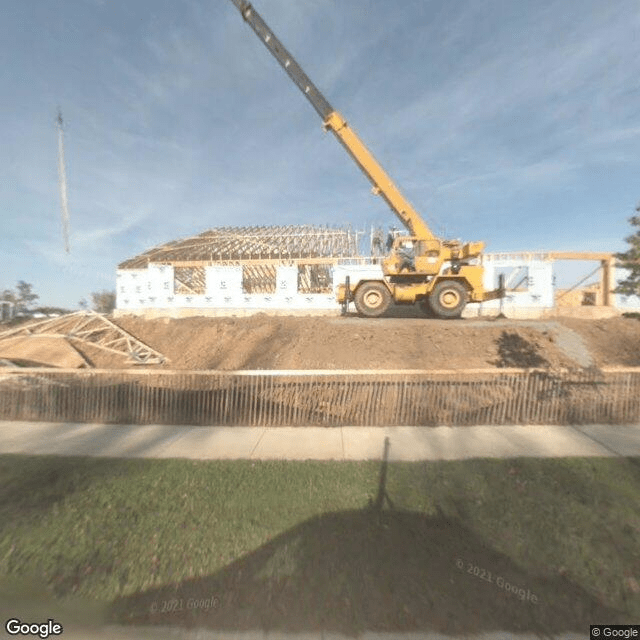
4602 Barbican Ave., Weston, WI 54476
To contact a resident: (715) 355-5858
For more information about senior living options: (866) 208-4318
Renaissance Assisted Living-Weston Costs & Pricing
Renaissance Assisted Living-Weston offers competitive monthly rates for its residents, particularly in comparison to both Marathon County and the broader state of Wisconsin. For instance, their studio apartments are available at $2,400 per month, which is significantly lower than the county average of $3,883 and the state average of $3,999. Similarly, one-bedroom units are priced at $2,700, again well below the county's $3,283 and the state's $3,412. Interestingly, for those seeking more spacious accommodations, the two-bedroom option is priced at $3,500 - above the county's rate of $2,765 but still favorable compared to Wisconsin's average of $3,111. Overall, Renaissance Assisted Living-Weston provides an appealing choice for seniors looking for affordability without compromising on quality care.
| Floor plans | Renaissance Assisted Living-Weston | Marathon County | Wisconsin |
|---|---|---|---|
| Studio | $2,400 | $3,883 | $3,999 |
| 1 Bedroom | $2,700 | $3,283 | $3,412 |
| 2 Bedrooms | $3,500 | $2,765 | $3,111 |
Assisted Living communities with a similar price nearby
-
from -$140 / mo
Applegate Terrace
$2,260 to $3,395 / month7.2 miles away -
from +$301 / mo
Wellington Place at Rib Mountain
$2,701 to $4,840 / month6.5 miles away -
About the same
Garden Apartments
$2,330 to $2,525 / month6.3 miles away -
from +$97 / mo
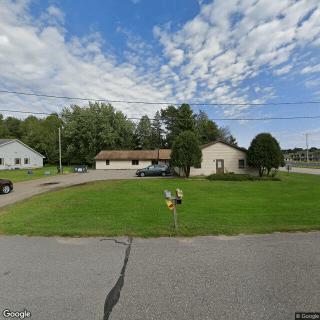
Cady Home West 1
$2,497 to $2,795 / month7.3 miles away -
from +$395 / mo
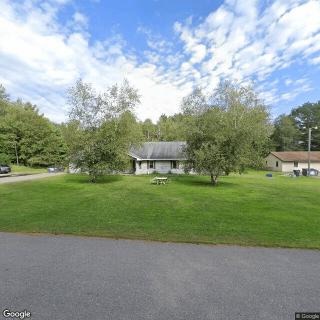
Cady Home West 2
$2,795 / month7.4 miles away
Overall Review of Renaissance Assisted Living-Weston
Pros
 The workers and all the staff are so very nice.
- The place is beautiful and has many activities.
- It is a great, clean place.
- It is very clean and well run with staff.
- One would be hard pressed to find a better place.
Cons
 The front desk staff were very rude on multiple occasions.
- They ignored the resident's mother's needs.
- The administrator was difficult to deal with.
- The facility is the absolute worst.
- They give no personal care to their residents.
- Their staff are underqualified.
- They would never recommend this facility to anyone.
Review
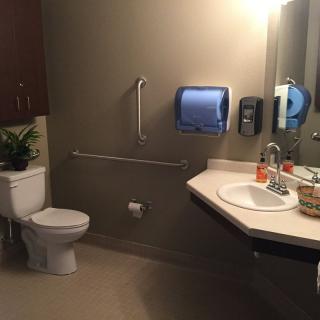
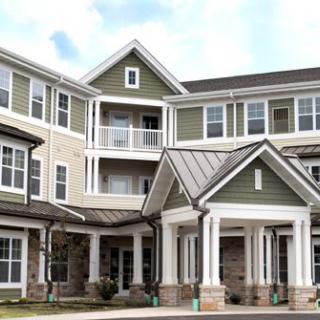
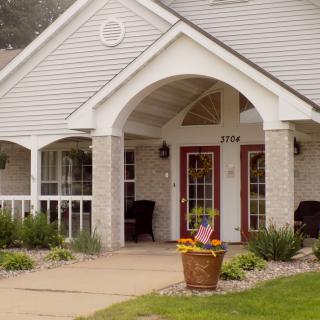
Renaissance Assisted Living-Weston is best suited for seniors who want a polished, activity-rich setting and are comfortable with light to moderate assistance in daily living. The community delivers a visually appealing, well-maintained environment, apartment interiors are attractive and the calendar is filled with programming, which makes it a good fit for residents who prize social engagement, independence within limits, and a dignified atmosphere. For families prioritizing appearance, routine activities, and friendly daily interactions over intensive medical supervision, this venue can feel like the right fit on first impression.
Those considering alternatives should note that the facility’s strongest warning signs appear for residents who require dependable, high-level personal care and robust supervision. Reviews repeatedly flag insufficient care when medical or safety needs escalate, and concerns about staff capacity to manage falls, mobility aids, or medical nuances. Families with loved ones who routinely require more hands-on help, constant monitoring, or highly trained clinical support may find the care delivery unreliable here. Administration and frontline responsiveness become critical variables, and those who cannot tolerate inconsistency in care should pursue other options.
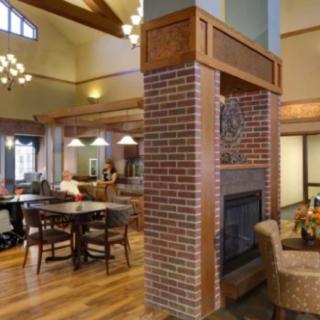
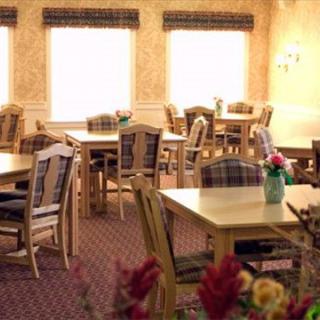
On the plus side, the pros are tangible and meaningful. Cleanliness is consistently praised, and many residents find the living space and common areas inviting. The program slate, activities, outings, social opportunities, appears to support engagement, helping residents stay connected and active. In some reviews, staff are described as kind and courteous in day-to-day interactions, and the facility itself is acknowledged as well maintained. For a senior who can navigate with light supervision and appreciates a bustling, well-kept environment, these strengths can provide real quality of life.
Yet the main cons disrupt the balance and cannot be dismissed. The most decisive criticisms center on personal care and supervision gaps: residents sometimes do not receive the level of assistance needed, and staff are labeled as underqualified or insufficiently prepared to handle escalating care demands. The sentiment that the facility is “run poorly” in terms of care delivery recurs, with specific references to inadequate supervision and a mismatch between the resident’s needs and what the staff can reliably provide. A troubling pattern emerges in accounts of administrators or leadership, most notably a recurring mention of the director’s handling, which compounds concerns about consistency and accountability. The lived experience in some cases is that a resident’s mobility needs, such as transitions to walkers or wheelchairs, are not adequately supported, leading to further risk and the difficult choice to relocate.
In weighing the pros against the cons, the decision becomes clear: the appealing environment and social programming do not fully offset the risk and frustration of inconsistent care. The “care-first” imperative for many seniors means looking past the aesthetics when supervision, staff expertise, and reliable response times are in question. For families with a loved one who may be stable at present but could deteriorate or require more supervision soon, Renaissance presents a clear risk: a pleasant setting without the consistent care infrastructure to back it up.
To make a prudent choice, demand concrete assurances before moving in. Request a detailed, written care plan that outlines staffing ratios, supervision levels, and escalation protocols for falls, mobility changes, and medical needs. Ask for a candid tour focused on how attention is allocated across shifts, and speak with current residents or families about the consistency of care over time. Examine the contract for terms on care level adjustments, med-management, and emergency responses. If possible, arrange for a trial period to observe how the care team responds under pressure and whether the administration remains responsive when concerns arise. If these assurances cannot be obtained or the answers reveal ongoing gaps, alternatives with proven, consistent care should be pursued.
Bottom line: Renaissance Assisted Living-Weston delivers a high-quality living environment and active lifestyle options, but it does not consistently translate into reliable, comprehensive care. It is not the best fit for residents who require steady, proactive, higher-level supervision and for families who cannot tolerate frequent leadership or staffing inconsistencies. For those prioritizing aesthetics and social engagement with modest care needs, it remains a viable choice, yet only with careful, concrete guarantees about care delivery and ongoing oversight.
 Assisted Living
 Activities on-site
 Devotional services off-site
 Indoor common areas
 Central Wisconsin (10 miles away)
 Ambulatory care
 Diabetic care
 Meals provided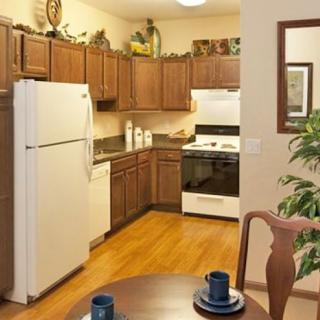


 An Extensive Exploration of the VA Aid and Attendance Benefit
 Senior Transition Services: Understanding Their Role, Cost, and Importance
 Exploring the Path to Senior Living: A Comprehensive Look at Independent Living and Assisted Living