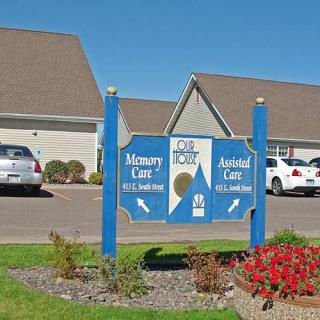
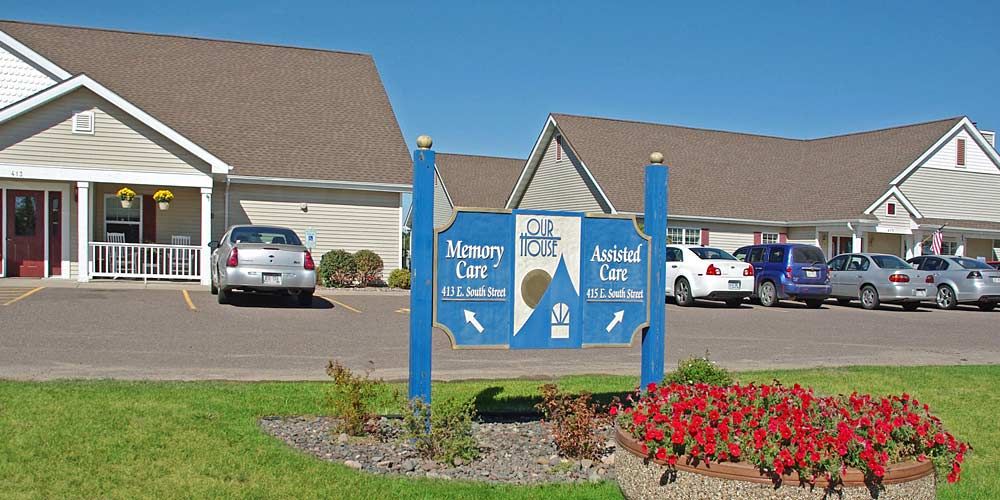
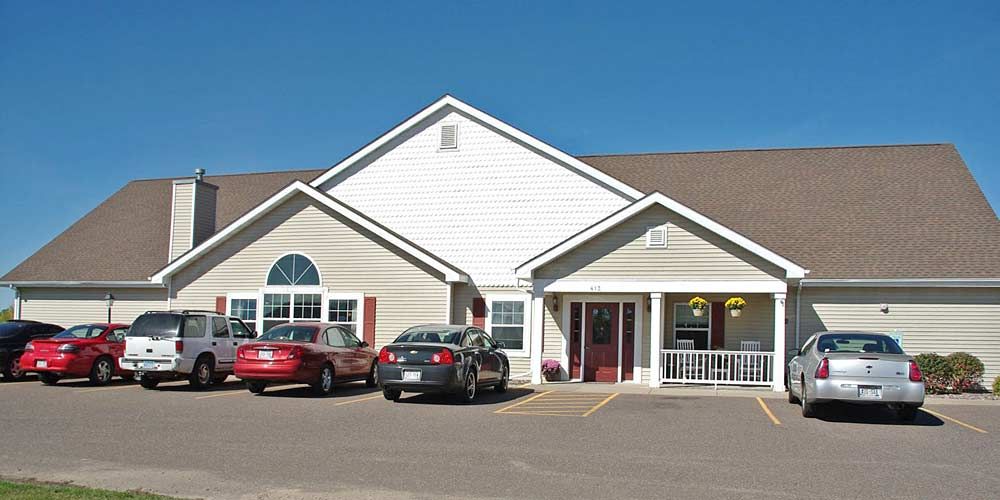
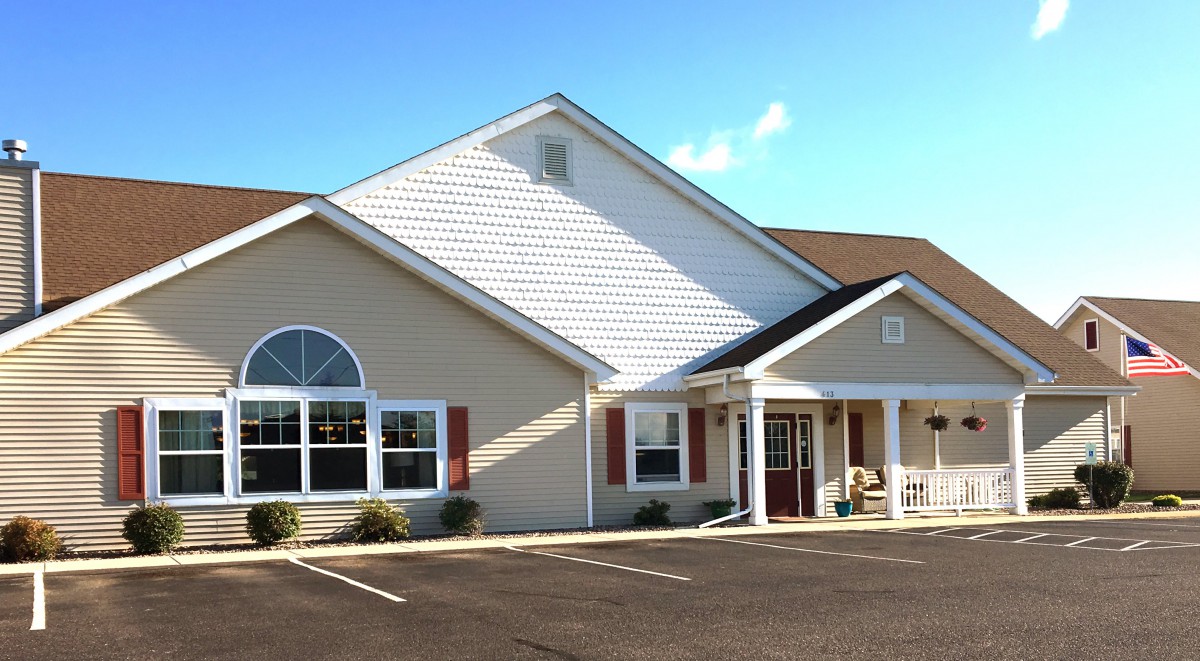
413 East South Street, Rice Lake, WI 54868
For more information about senior living options: (866) 208-4318
Our House Senior Living - Rice Lake Memory Care Costs & Pricing
Our House Senior Living - Rice Lake Memory Care offers a monthly cost of $4,475 for a one-bedroom unit, which is notably higher than the average costs in both Washburn County and across Wisconsin. In comparison, the average monthly cost in Washburn County stands at $3,826, while the state average is even lower at $3,412. This price difference reflects the specialized memory care services that Our House provides, catering to residents with unique needs associated with cognitive impairments. The facility's pricing structure may be indicative of its commitment to high-quality care and a supportive environment tailored to enhance the well-being of its residents.
| Floor plans | Our House Senior Living - Rice Lake Memory Care | Washburn County | Wisconsin |
|---|---|---|---|
| 1 Bedroom | $4,475 | $3,826 | $3,412 |
Memory care communities with a similar price nearby
-
from -$525 / mo
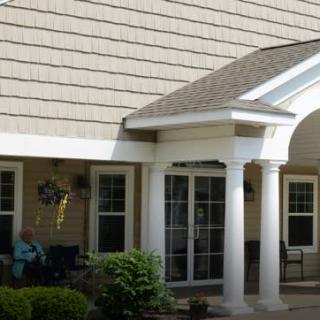
Brentwood Senior Living Memory Care
$3,950 to $5,455 / month1.5 miles away -
About the same
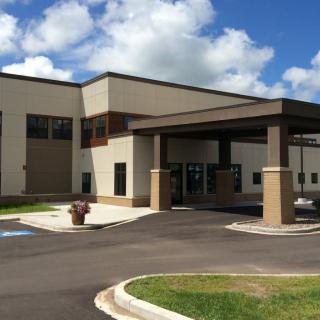
Cambridge Senior Living Rice Lake
$4,600 / month2.5 miles away -
from +$325 / mo
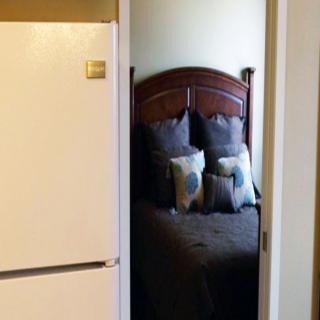
Monroe Manor
$4,800 to $7,500 / month8.2 miles away
Overall Review of Our House Senior Living - Rice Lake Memory Care
Pros
 The facility offers wonderful meals that are nutritious and well-portioned.
- The facility provides engaging activities, such as groups coming in to play the accordion and coloring.
- They transport residents to medical appointments.
- The rooms, along with the facility and grounds, are kept clean.
- Rooms are available immediately, allowing quick admission when needed.
Cons
 The high turnover of staff members was off-putting to the reviewer.
- The reviewer believed that rapid staff turnover indicated an underlying issue at the facility.
Review
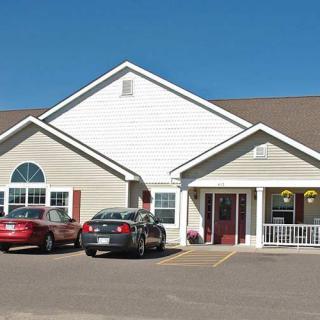
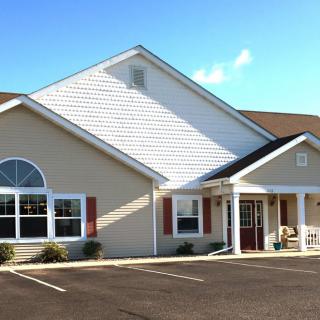
This community is best suited for families that need a memory-care option in Rice Lake with rapid admission, reliable daily structure, and engaging, on-site programming. It works well for residents who respond to social activities, practical care routines, and meals that are both enjoyable and nutritious. The combination of clean surroundings and assistance with appointments adds real practical value for families juggling logistics and caregiving responsibilities. In short, this is a solid fit for immediate placement needs where day-to-day quality and a warm, active atmosphere are prioritized over long-term staff stability concerns.
Those most likely to want alternatives are families for whom consistent, long-tenured caregiving is non-negotiable. The strongest caution here is staff turnover, which appears to be a recurring issue. For residents with complex or evolving memory-care needs that require continuity of familiar caregivers, the risk of frequent staff changes can undermine trust, disrupt routines, and complicate coordination of medications and personalized care plans. In such cases, it makes sense to compare other communities that demonstrate lower turnover and more stable care teams.
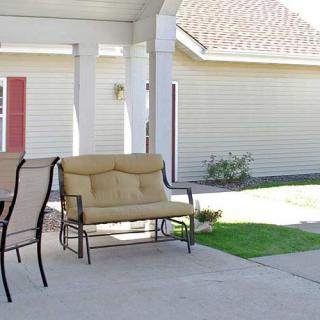
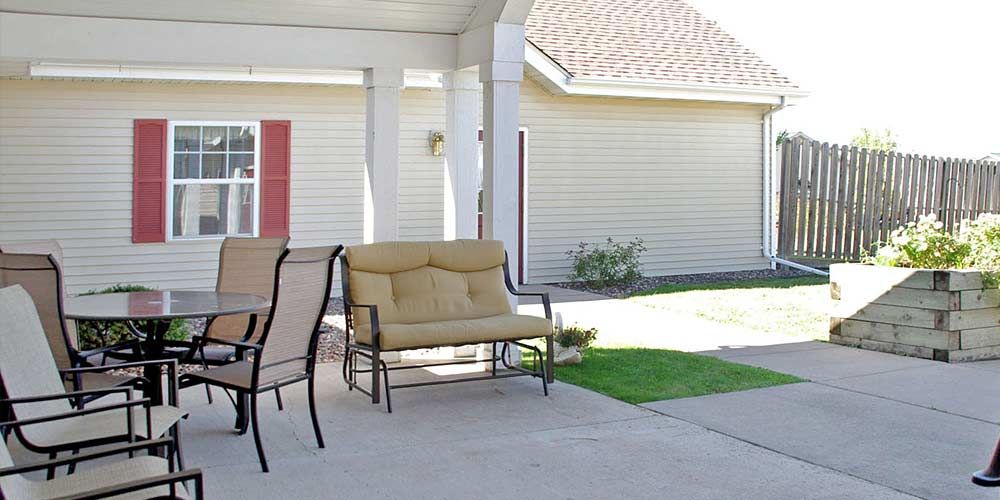
The positive elements do not vanish in light of the turnover issue. Immediate room availability reduces the stress and waiting period that often accompanies memory-care placement, which can be a decisive advantage for families in a crisis or with tight timelines. The meals are a clear strength, aligned with resident preferences and portions that feel substantial without waste. Activities, including in-house programs and visiting groups, create daily momentum that helps residents stay engaged. The facility also shows attention to cleanliness and a willingness to coordinate transportation to appointments, which alleviates portions of the caregiving burden for families.
However, turnover cannot be dismissed as a minor caveat. In memory care, consistency matters: predictable caregivers who know the resident’s history, triggers, and routines are a frontline safety and comfort factor. When staff rotate, care plans can become fragmented, communication may suffer, and residents may experience unnecessary anxiety from unfamiliar faces. This is not merely an administrative nuisance; it directly affects daily quality of life and can impact health outcomes if consistency around medication administration, behavioral cues, and personal preferences erodes over time.
Prospective families should enter discussions with a concrete checklist. Ask about current and historical staff tenure, average shift-level caregiver coverage per resident, and any recent turnover trends. Request a tour that focuses on the memory-care environment’s routines, staffing patterns during peak hours, and how care notes are transmitted between shifts. Inquire about how personalized plans are developed and updated, how families receive daily updates, and what steps are taken when a resident’s needs shift. Seeing the dining room, activity spaces, and medication management areas can yield practical reassurance about day-to-day operations.
Ultimately, Our House Senior Living – Rice Lake Memory Care offers a compelling mix of immediate admission, nourishing meals, and engaging activities within a clean, well-kept setting. That package should not be dismissed by families chasing stability alone. If the priority is quick placement and vibrant daily life, this community delivers on those fronts with credibility. If, however, the priority is long-term caregiver continuity and deeply stable relationships between residents and staff, it is essential to compare alternatives that demonstrate stronger retention and more consistent caregiving teams before committing.
 24 resident community capacity
 Assisted Living
 Board and Care Home
 Memory Care
 Cats allowed
 Dogs allowed
 Activities off-site
 Beautician on-site
 Cable or satellite TV
 Devotional services off-site
 Dining room
 Fully furnished
 Garden
 Housekeeping services
 Indoor common areas
 Kitchenette
 Move-in coordination
 Outdoor common areas
 Respite or short term stays offered
 Restaurant-style dining
 Small library
 Telephone
 Wheelchair accessible showers
 Wi-Fi/high-speed internet available
 24-hour call system
 Assistance with bathing
 Assistance with dressing
 Assistance with transfers
 Diabetes diet
 Diabetic care
 Hospice waiver
 Incontinence care
 Medication management
 Mental wellness program
 Special dietary restrictions
 Transportation arrangement (medical)
 Transportation to doctors appointments



 Dementia-Related Hallucinations: Causes, Experiences, and Practical Approaches
 Illuminating Insights About Alzheimer's Disease: Ten Crucial Realities
 A Thorough Discussion of Medications Potentially Linked to Dementia Risk