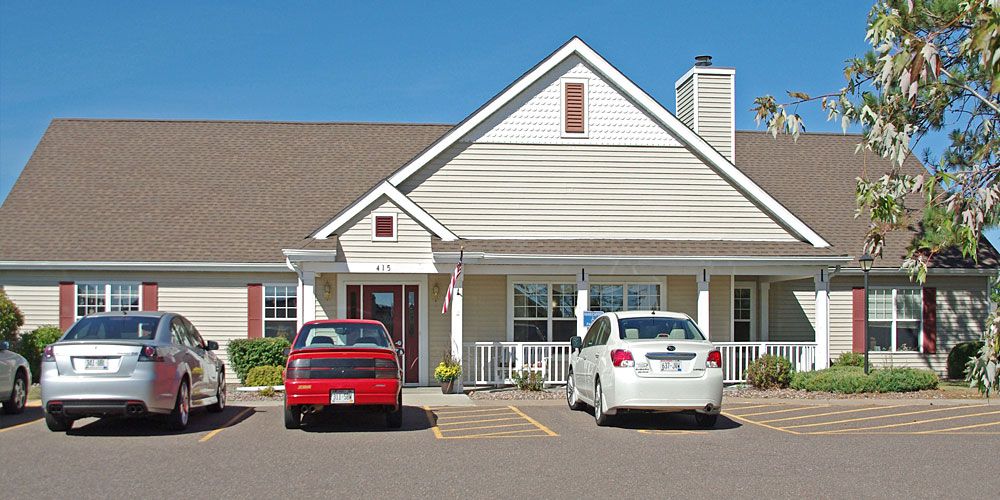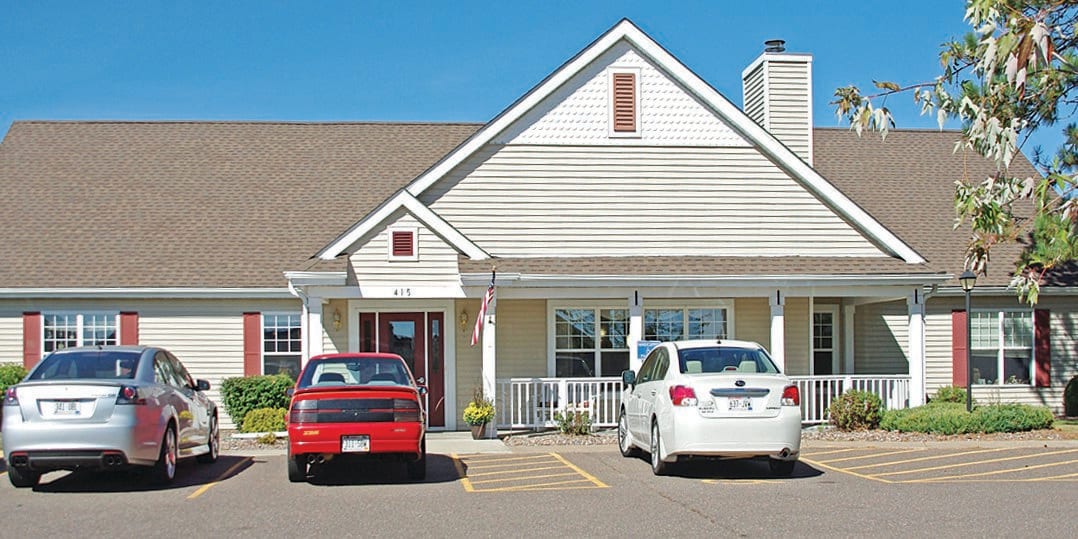
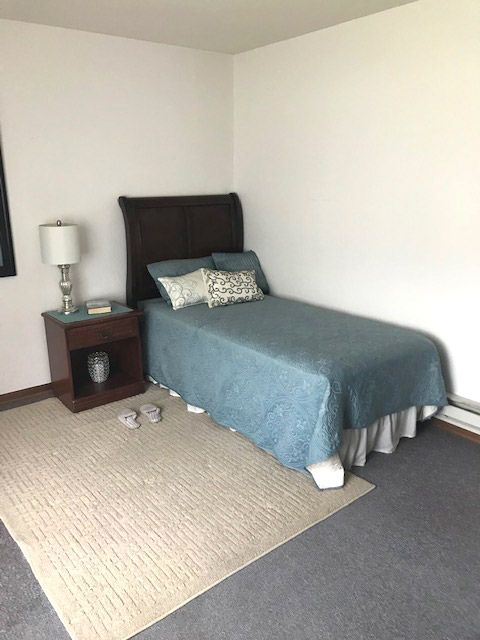
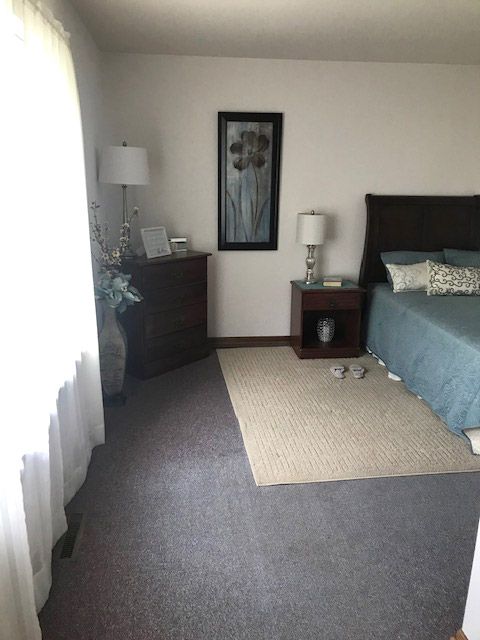
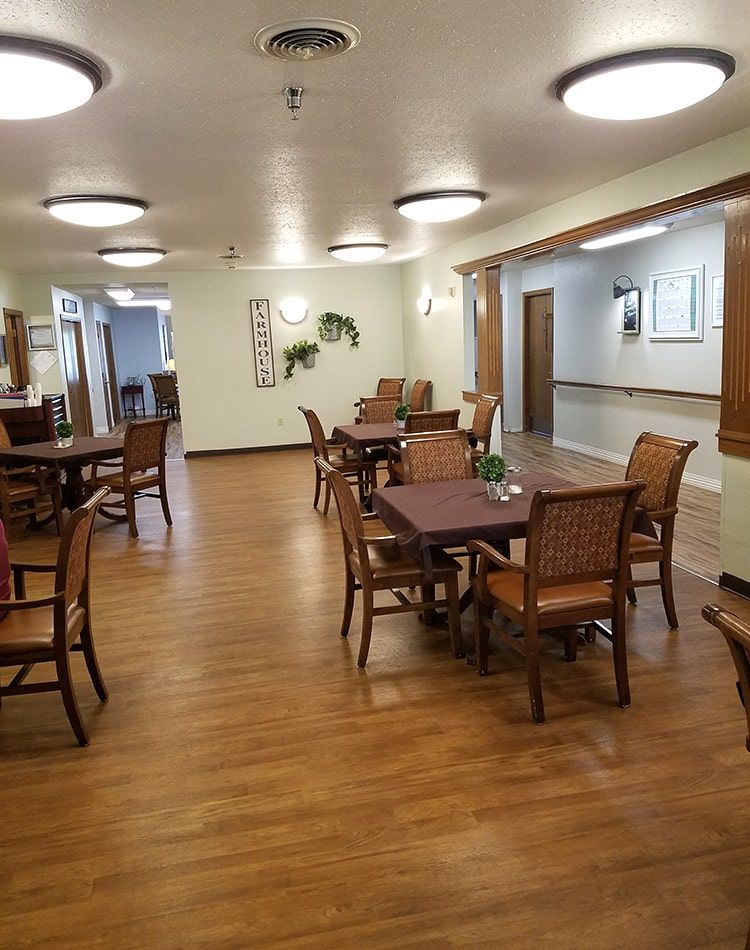
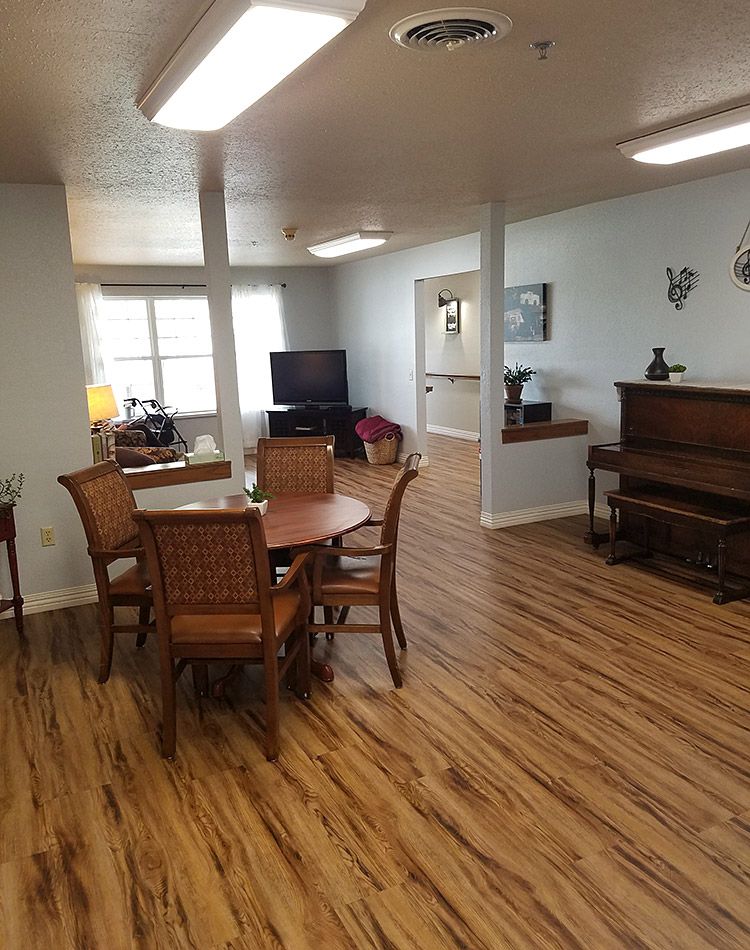
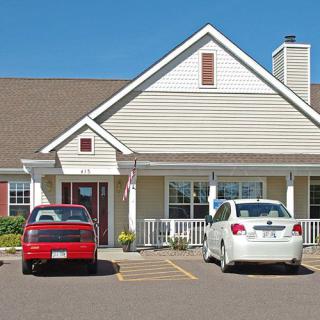
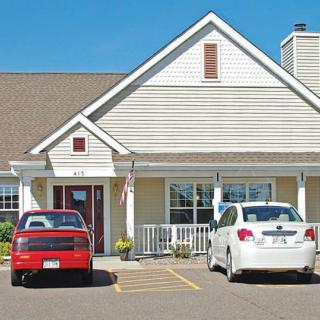
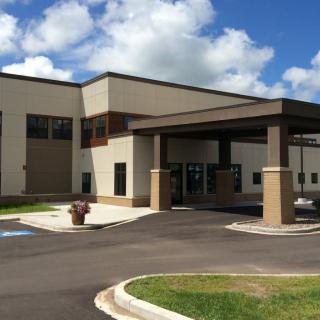
415 East South Street, Rice Lake, WI 54868
For more information about senior living options: (866) 208-4318
Our House Senior Living - Rice Lake Assisted Care Costs & Pricing
Our House Senior Living - Rice Lake Assisted Care offers competitive pricing for assisted living accommodations, particularly when compared to both Washburn County and the broader state of Wisconsin. For a studio room, residents can expect to pay $3,350 per month, which is significantly lower than the county average of $4,373 and somewhat comparable to the state average of $3,999. Similarly, their one-bedroom units are priced at $3,720 a month - this figure is slightly below the county's rate of $3,826 and above Wisconsin's average of $3,412. Overall, Our House provides an appealing option for seniors seeking quality care while also considering budgetary constraints in comparison to local alternatives.
| Floor plans | Our House Senior Living - Rice Lake Assisted Care | Washburn County | Wisconsin |
|---|---|---|---|
| Studio | $3,350 | $4,373 | $3,999 |
| 1 Bedroom | $3,720 | $3,826 | $3,412 |
Memory care communities with a similar price nearby
-
from +$600 / mo
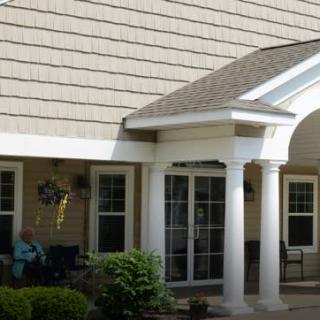
Brentwood Senior Living Memory Care
$3,950 to $5,455 / month1.5 miles away
Overall Review of Our House Senior Living - Rice Lake Assisted Care
Pros
 The staff are great and provide good care.
- Communication is good and families are kept informed.
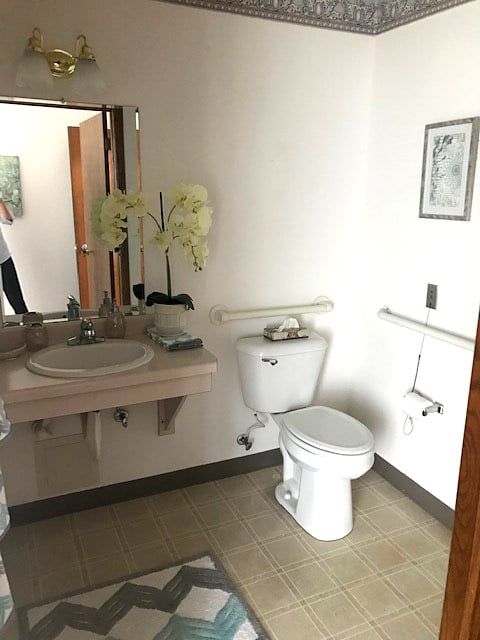
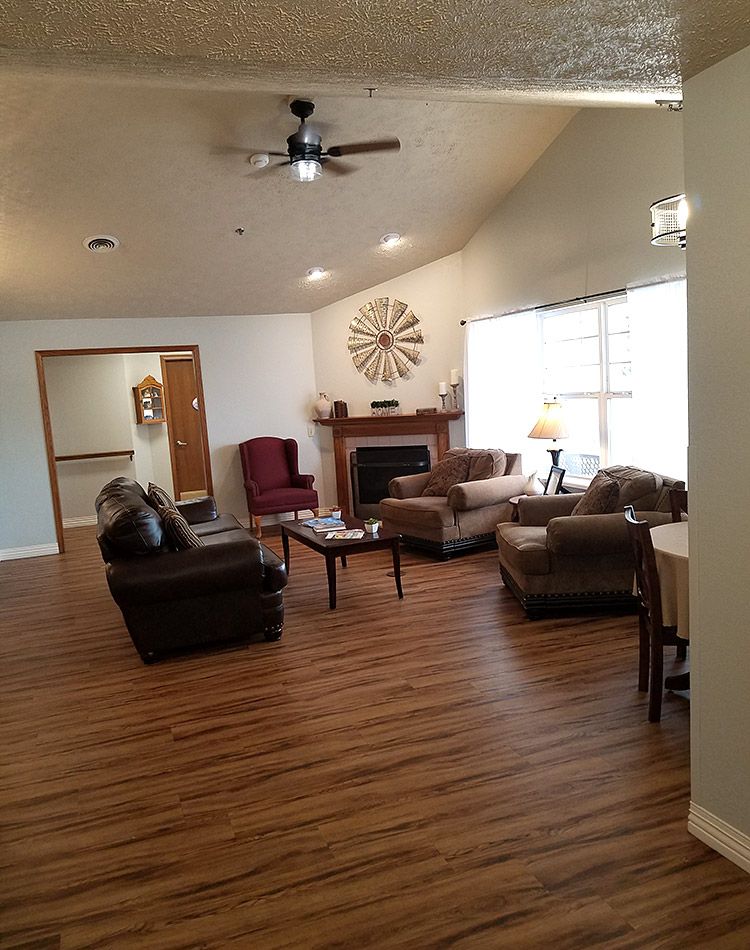
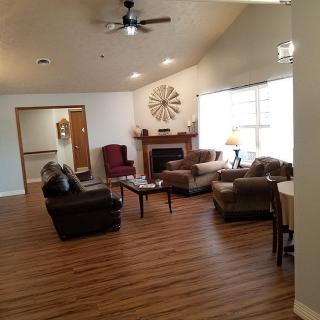
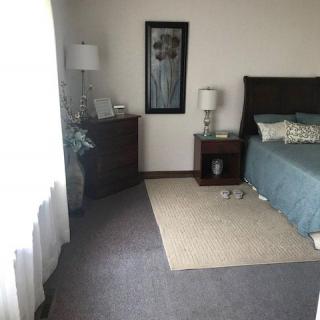
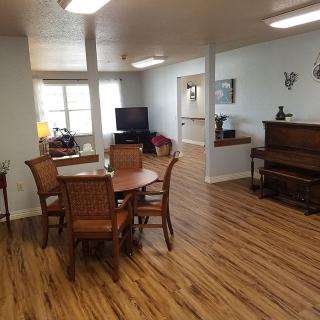
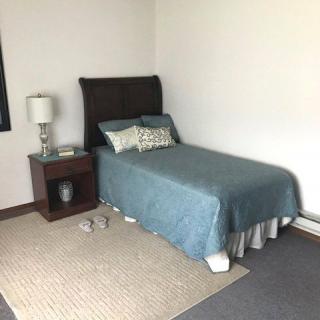
- The facility feels like home and is beautifully maintained.
- The caregivers are fantastic, friendly, and patient.
- Residents have begun to thrive since moving in.
- They ensure residents are involved in daily activities.
- They follow a kidney-friendly diet for residents.
- The outdoor area with flower beds and a deck with a grill is inviting.
- Transportation is available when needed.
- The community is highly recommended to families.
Cons
 They had to move him due to memory care issues.
- There was an issue at the end.
Review
Our House Senior Living - Rice Lake is best suited for seniors who want a warm, home-like assisted living experience where daily life stays meaningful and collaborative. This community shines for residents who value a domestic atmosphere, steady routines, and engaged caregivers who foster participation in everyday activities. Families seeking clear family-style communication and staff who take the time to know their loved ones will find this setting reassuring. The environment supports social connection and a sense of belonging, with a rhythm that feels less institutional and more like a well-run, intimate home.
Those who should weigh alternatives are families with loved ones who require dedicated memory care or more intensive medical oversight. One review notes a memory impairment issue ultimately necessitated moving the resident elsewhere, signaling that this community may not offer a secured or specialized memory care program. For residents with significant cognitive decline, advanced dementia needs, or high medical complexity beyond routine assisted living, it is prudent to explore options that provide a true memory care footprint, enhanced security, and more intensive clinical management.
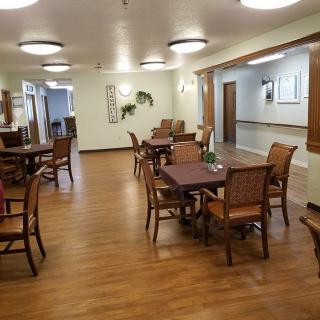
On the positive side, the most compelling strengths lie in the daily lived experience. Staff are described as friendly, helpful, and patient, creating a reassuring cadence to each day. Communication with families is consistent and informative, which reduces uncertainty and builds trust during transitions. Residents are actively involved in daily activities, a feature that supports a sense of purpose and reduces isolation. The dining experience reads as a real strength, kidney-conscious menus are in place, meals are reported as good, and snacks are readily available, complemented by a welcoming outdoor area with flower beds and a deck. Transportation is available when needed, broadening access to off-site appointments and social opportunities, which many families value highly.
The principal caution centers on memory care limitations. While the community excels in atmosphere, staffing attentiveness, and general senior care, it appears less equipped to sustain care for someone with advanced memory impairment. That gap is not about lack of kindness or competence in routine tasks; it is about the need for a secured environment and specialized programming that a dedicated memory care setting provides. Families must weigh whether a loved one’s cognitive trajectory might require a transition to a facility with a true dementia-care focus, even if the present experience is otherwise strong.
Those potential limitations are largely offset by the strong day-to-day reality described by residents and families. For seniors who do not require specialized memory care, Our House Rice Lake offers a compelling blend of home-like charm, steady staffing, and meaningful engagement. The combination of involved activities, reliable transportation, solid dietary management, and a pleasant outdoor space creates a supportive scaffold for ongoing independence and happiness. The notable success stories, the personal joy and improvement attributed to thriving residents, underscore the value of a culture that treats every resident with warmth and respect. This is not a generic option; it is a thoughtfully arranged living environment that can meaningfully improve quality of life for many couples and individuals.
In practical terms, families considering this community should plan visits with a focus on daily life. Ask whether memory care needs can be met on-site, and if not, what the transition criteria look like and the waiting times for alternate arrangements. During tours, observe how meals are served, how activities are structured, and how staff interact with residents during routine tasks. Inquire about staff-to-resident ratios during peak hours, and request contact with families of current residents to gauge ongoing communication quality. If memory issues are a possibility for your loved one, have a candid conversation about triggers for a move and what supports would be available to ease that transition. For many, this community represents a dignified, affectionate option that delivers real comfort and daily engagement; for others, a facility with a dedicated memory care program will be worth the extra consideration.
 20 resident community capacity
 Assisted Living
 Board and Care Home
 Memory Care
 Cats allowed
 Dogs allowed
 Activities off-site
 Bath tubs
 Beautician on-site
 Cable or satellite TV
 Devotional services off-site
 Dining room
 Fully furnished
 Garden
 Housekeeping services
 Indoor common areas
 Kitchenette
 Move-in coordination
 Outdoor common areas
 Respite or short term stays offered
 Telephone
 Wi-Fi/high-speed internet available
 24-hour call system
 Ambulatory care
 Assistance with bathing
 Assistance with dressing
 Assistance with transfers
 Diabetes diet
 Diabetic care
 Hospice waiver
 Incontinence care
 Meal preparation and service
 Medication management
 Mental wellness program
 Special dietary restrictions
 Transportation arrangement (medical)
 Transportation to doctors appointments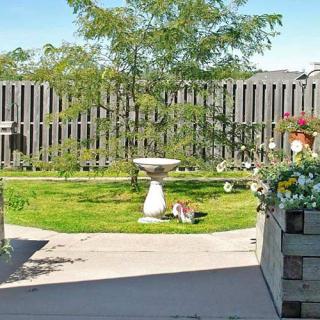



 Assisted Living and Memory Care: Understanding Their Core Differences
 Choosing the Right Senior Care: A Detailed Exploration of Assisted Living and Nursing Homes
 Safeguarding Your Memory Through the Golden Years: Eight Ways to Preserve Cognitive Health