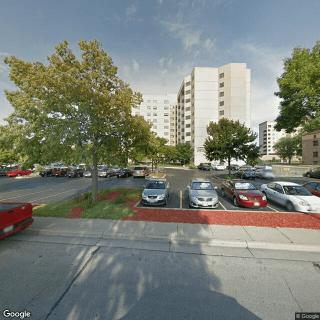
Wisconsin Living I in Racine, WI

3400 Spruce Street, Racine, WI 53405

For more information about senior living options: (844) 490-3973

4.3 from 42 reviews
5 stars
34
4 stars
1
3 stars
0
2 stars
0
1 stars
7

Assisted Living

Overall Review of Wisconsin Living I

Pros

  • pro The Woods of Caledonia is described as a warm, welcoming community where staff consistently show kindness and attentiveness.
  • pro The staff are caring, patient, and attentive to residents' physical, emotional, and social well-being, making them feel truly valued.
  • pro Destiny coordinates care with compassion and professionalism, keeping families informed and involved.
  • pro Families and residents alike describe the environment as like home, with staff going the extra mile to ensure comfort and safety.
  • pro The community hosts vibrant activities and special events that foster joy and lasting memories for residents and their families.
  • pro The facility is clean, well kept, and visually beautiful, contributing to a peaceful living atmosphere.
  • pro Ryan, the executive director, is noted for being approachable and genuinely committed to residents and families.
  • pro The Woods is regarded as a place where dignity is protected and where loved ones are cared for with extraordinary kindness.

Cons

  • pro The staff were horrid; they didn't answer their phones for two weeks, and the reviewer couldn't see his grandmother before she died.
  • pro The reviewer wouldn't trust this facility with any elderly person, citing cleaning lapses, medications not administered on time, and deaths due to lack of care.
  • pro The reviewer described the place as the worst place ever.
  • pro The reviewer described the building as terrible, with an elevator that only works part of the time, no activities as claimed, terrible food, and rooms not cleaned on schedule.

Review

This Racine-area community is best suited for families seeking a warm, intimate atmosphere where residents are treated like extended family, and where staff regularly become trusted allies in daily life. The strongest fit is for those who value deep, ongoing relationships between caregivers and residents, a strong emphasis on social connection, and a culture that embraces family involvement as part of the care plan. Reviewers consistently highlight events that invite families to participate, a steady stream of activities, and a sense of home that goes beyond merely managing daily routines. For families navigating memory-care needs or end-of-life care, the environment projects stability, continuity, and a compassionate, person-centered approach.

Those who may want to consider alternatives include families prioritizing clinical intensity, rapid on-site medical responsiveness, or highly polished dining experiences and facility features. A minority of reviewers report operational drawbacks that would matter to families seeking near-flawless execution: inconsistent phone responsiveness, isolated cleanliness or maintenance hiccups, and at least one account of concerns about timely medication administration. Structural reliability, such as elevator access, and a uniformly upscale dining experience are raised as potential gaps by some observers. In short, this setting excels in warmth and engagement, but may not satisfy every standard of clinical rigidity or faultless infrastructure.

The key pros consistently emerge as a cohesive, resident-forward culture. Caregivers are described as patient, attentive, and genuinely invested in both physical well-being and emotional comfort. The care team often feels like part of the family, with staff members coordinating closely with families and even hospice providers to craft individualized plans. The dementia-friendly approach stands out in several accounts, with care plans tailored to residents' needs and a staff cadre that understands how to balance safety with meaningful activity. The result is a sense of dignified living where families feel their loved ones are known, protected, and cherished.

Activities and programming anchor the overall value proposition. Reviewers praise a robust calendar of events - outings, social gatherings, and faith-based programming - that create opportunities for residents to maintain identity, community ties, and daily purpose. Families repeatedly note how events improve mood, preserve routines, and support continuity of life. The presence of life-enhancing touches - such as celebrations, memory-care-specific programming, and staff-led outings to places like zoos or local venues - helps residents stay engaged. When these programs align with residents' interests, they translate into observable quality-of-life gains that offset a few operational concerns.

The end-of-life and transitional-care dimensions receive particular emphasis as a market differentiator. Several families recount peaceful, patient-centered care during final days, with staff coordinating closely with hospice to preserve dignity and closeness to loved ones. The ability for spouses or partners to remain nearby and share quiet time together is repeatedly highlighted as a precious advantage. Dementia care is described as thoughtful and well-implemented, with clinicians and caregivers collaborating to ensure comfort, safety, and respect. These strengths create a compelling case for families who prize compassionate continuity when transitions become emotionally and medically complex.

Practically, families considering this community should prioritize a targeted tour and focused questions. Inquire about current staffing levels across shifts to gauge consistency and responsiveness, especially for med administration and emergency responsiveness. Ask to review the latest activity schedule and menu options, and request examples of dementia-care plans and the care-coordination workflow with outside providers. Speak with several current residents' families about communication patterns and how celebrations or memorials are conducted. If accessibility features matter, verify elevator reliability and housekeeping responsiveness in real time. Taken together, the balance of warm, capable caregiving with vibrant engagement makes this setting a strong match for families who value a home-like culture, consistent staff investment, and purposeful living for aging loved ones.

In sum, this community stands out for its quintessentially homey atmosphere, devoted caregivers, and purposeful, family-centric programming. For families prioritizing warmth, meaningful connection, and dementia-informed care within a smaller, closely knit setting, the choice is clear: this is a place where residents often feel known, supported, and valued every day. Those seeking a more clinical, high-capacity model with flawless operations across every metric should assess alternatives carefully, as a minority of reviews flag operational inconsistencies and infrastructure hiccups. When warmth, dignity, and daily life enriched by community are the priority, this Racine-area option earns serious consideration.

Features

Housing

  • 4 resident community capacity 4 resident community capacity

Types of Care

  • Assisted Living Assisted LivingAssisted living facilities provide crucial support and care for seniors who may need help with daily tasks such as medication management, bathing, and meal preparation. These communities offer a safe and comfortable environment where seniors can maintain their independence while receiving the assistance they need to thrive in their golden years.

Amenities

  • Cable or satellite TV Cable or satellite TVCable or satellite TV is important for seniors because it provides entertainment, news, and companionship, helping to combat loneliness and boredom. It also offers a wide range of programming options tailored to different interests and preferences.
  • Dining room Dining roomDining rooms are important for seniors as they provide a space for socialization, connection, and nutritious meals. They offer opportunities for residents to bond over shared meals, foster a sense of community, and promote healthy eating habits. Dining rooms also ensure that seniors have access to well-balanced meals tailored to their dietary needs and preferences.
  • Fully furnished Fully furnishedFully furnished senior living communities are important for seniors because they provide convenience, comfort, and a hassle-free moving experience. Seniors can easily settle into their new living space without the stress of having to buy and move furniture. This allows them to focus on enjoying their new home and community.
  • Garden GardenGardens are important for seniors as they provide a peaceful and therapeutic environment for relaxation, physical activity, and socialization. Being in nature has been shown to reduce stress, improve mood, and promote overall well-being. Gardens also offer opportunities for seniors to engage in gardening activities, which can improve mobility, flexibility, and cognitive function. Additionally, gardens create a sense of community and connection with others who share a passion for plants and outdoor spaces.
  • Housekeeping services Housekeeping servicesHousekeeping services are important for seniors because they help maintain a clean and safe living environment, promote independence, and reduce the risk of accidents or illnesses. Additionally, having assistance with household chores can alleviate physical strain and allow seniors to focus on other aspects of their well-being.
  • Move-in coordination Move-in coordinationMove-in coordination is important for seniors because it helps ease the transition into their new living environment. It ensures that all logistics, such as packing, organizing movers, and setting up utilities are taken care of, allowing seniors to focus on settling in and adjusting to their new home. Having a smooth move-in process can alleviate stress and anxiety, making the transition smoother and more enjoyable for seniors.
  • Outdoor space Outdoor spaceOutdoor spaces are important for seniors as they provide opportunities for physical activity, social interaction, exposure to natural light and fresh air, and a sense of connection to nature. Having access to outdoor spaces can improve overall well-being and quality of life for older adults living in senior communities.
  • Telephone TelephoneTelephones are important for seniors as they provide a lifeline for communication with loved ones, emergency services, and healthcare providers. They offer a sense of security and independence, enabling seniors to stay connected and access assistance when needed.
  • Wi-Fi/high-speed internet available Wi-Fi/high-speed internet availableWi-Fi/high-speed internet is important for seniors to stay connected with loved ones, access online resources, and participate in virtual activities to combat feelings of loneliness and isolation. It also allows them to easily manage healthcare needs, access entertainment, and engage in lifelong learning opportunities.

Transportation

  • General Mitchell International (18 miles away) General Mitchell International (18 miles away)

Care Services

  • 24-hour supervision 24-hour supervision24-hour supervision is important for seniors to ensure their safety, well-being, and access to immediate assistance in case of emergencies or health issues. This constant support provides peace of mind for both seniors and their loved ones, allowing them to age in place with dignity and security.
  • Activities of daily living assistance Activities of daily living assistanceActivities of daily living assistance are important for seniors because they provide essential support with tasks such as eating, bathing, dressing, and mobility. This assistance helps seniors maintain their independence, dignity, and overall quality of life as they age.
  • Assistance with bathing Assistance with bathingAssistance with bathing is crucial for seniors as it helps maintain personal hygiene, prevents infections, and ensures their overall well-being and comfort. It also provides a sense of dignity and independence for seniors who may struggle with this task on their own.
  • Assistance with dressing Assistance with dressingAssistance with dressing is important for seniors because it helps maintain their independence, promotes personal hygiene, prevents accidents and injuries, and improves overall quality of life. This service ensures that seniors can continue to dress comfortably and confidently, despite any physical limitations they may have.
  • Assistance with transfers Assistance with transfersAssistance with transfers is crucial for seniors as it helps prevent falls and injuries, maintains their independence, and ensures they can safely navigate their living environment. It also provides peace of mind for both seniors and their loved ones.
  • Coordination with health care providers Coordination with health care providersCoordination with health care providers is crucial for seniors to ensure proper medical care, medication management, and overall well-being. This collaboration helps prevent overlapping treatments, track progress more effectively, and provide comprehensive support tailored to individual needs.
  • Diabetes diet Diabetes dietA diabetes diet is crucial for seniors as it helps manage blood sugar levels, reduce risks of complications, and improve overall health and well-being. By following a balanced and nutritious diet tailored to their specific needs, seniors can better control their diabetes and enhance their quality of life.
  • Meal preparation and service Meal preparation and serviceMeal preparation and service are crucial for seniors as they may have limited mobility or energy to cook nutritious meals. Having access to healthy and convenient food options can ensure they are getting the proper nutrition needed to maintain their overall health and well-being.
  • Medication management Medication managementMedication management is crucial for seniors to ensure they are taking the right medications at the correct dosages and times. This helps prevent adverse drug interactions, reduces the risk of medication errors, and promotes overall health and well-being. Proactive management also allows for adjustments as needed based on changing health conditions or new prescriptions.
  • Special dietary restrictions Special dietary restrictionsSpecial dietary restrictions are important for seniors because age-related changes in metabolism and health conditions can make it difficult for their bodies to process certain foods. By following a diet tailored to their specific needs, seniors can maintain their overall health and well-being, manage chronic conditions, and reduce the risk of complications such as malnutrition or food interactions with medications.
  • Transportation arrangement (medical) Transportation arrangement (medical)Transportation arrangements for medical purposes are essential for seniors as they may have difficulty driving themselves to appointments or accessing public transportation. Having reliable and safe transportation options ensures that seniors can receive timely medical care and maintain their health and well-being.
  • Transportation to doctors appointments Transportation to doctors appointmentsTransportation to doctors' appointments is crucial for seniors as it ensures they have access to necessary medical care and support for their health needs. Without reliable transportation, seniors may struggle to attend important appointments, leading to potential delays in treatment and health complications. Providing transportation services helps seniors maintain their overall well-being and quality of life.

Dining

  • Diabetes diet Diabetes dietA diabetes diet is crucial for seniors as it helps manage blood sugar levels, reduce risks of complications, and improve overall health and well-being. By following a balanced and nutritious diet tailored to their specific needs, seniors can better control their diabetes and enhance their quality of life.
  • Special dietary restrictions Special dietary restrictionsSpecial dietary restrictions are important for seniors because age-related changes in metabolism and health conditions can make it difficult for their bodies to process certain foods. By following a diet tailored to their specific needs, seniors can maintain their overall health and well-being, manage chronic conditions, and reduce the risk of complications such as malnutrition or food interactions with medications.

Activities

  • Community-sponsored activities Community-sponsored activitiesCommunity-sponsored activities are important for seniors as they provide opportunities for social interaction, mental stimulation, and physical activity. These activities can help improve overall well-being, combat loneliness and isolation, and promote a sense of belonging and purpose among older adults.
  • Scheduled daily activities Scheduled daily activitiesScheduled daily activities are important for seniors because they provide structure, socialization, mental stimulation, and physical activity. Engaging in regular activities can improve overall well-being and quality of life for seniors living in a community setting.

Description

Wisconsin Living I in Racine, WI is an exceptional assisted living community that offers a comfortable and convenient lifestyle for seniors. With a wide range of amenities and care services, residents can enjoy the benefits of independent living with the added support they may need.

The community provides fully furnished accommodations, ensuring that residents feel at home from the moment they move in. The dining room offers delicious meals prepared by professional chefs, with special attention given to dietary restrictions such as diabetes diets and other special dietary needs. Housekeeping services are also provided to ensure a clean and tidy living environment.

Residents can take advantage of the beautiful outdoor spaces, including a lovely garden area. Wi-Fi and high-speed internet are available throughout the community, allowing residents to stay connected with loved ones and enjoy their favorite online activities.

Care services provided at Wisconsin Living I include assistance with activities of daily living, such as bathing, dressing, and transfers. Medication management is also available to help residents stay on top of their prescribed medications. The staff coordinates with health care providers to ensure that all medical needs are met.

Transportation arrangements are made for medical appointments, making it easy for residents to attend doctor's visits without any hassle. This ensures that seniors have access to the best possible healthcare in the area. In addition, there are numerous pharmacies and physicians located nearby for convenient access to medications and medical professionals.

To promote an active lifestyle, Wisconsin Living I offers scheduled daily activities for residents to participate in. These activities provide opportunities for socialization and engagement within the community.

Conveniently located near cafes, parks, restaurants, pharmacies, and hospitals, Wisconsin Living I allows residents to easily access various amenities outside of the community. This convenient location ensures that seniors have plenty of options for entertainment, dining out or running errands.

Overall, Wisconsin Living I in Racine, WI offers a welcoming environment where seniors can receive personalized care while enjoying a fulfilling lifestyle surrounded by abundant amenities and nearby conveniences.

Nearby Places of Interest

This area of Racine, Wisconsin offers a convenient location with easy access to pharmacies, parks, restaurants, hospitals, cafes, physicians, theaters, and places of worship. The abundance of medical facilities nearby such as Wheaton Franciscan Healthcare-All Saints and St Luke's Sleep Center provide peace of mind for seniors looking for quality healthcare services. The close proximity to various dining options like McAuliffe's Pub and La Tapatia offers a variety of choices for meals. Additionally, the presence of parks like Lake Park and Racine Quarry Park provide opportunities for outdoor activities and relaxation. Overall, this neighborhood provides a well-rounded community with essential amenities for senior living.

Pharmacies

  • Walgreens (0.7 miles)
  • CVS Pharmacy (0.7 miles)
  • CVS Pharmacy (2.1 miles)
  • Walgreens (2.1 miles)
  • Pick 'n Save Pharmacy (2.2 miles)
  • Walgreens (2.3 miles)
  • Nutritional Designs & Pharmacy (2.5 miles)

Parks

  • Lake Park (0.9 miles)
  • Racine Lakefront Parkway (2.3 miles)
  • Petrifying Springs Park (3.8 miles)
  • Racine Quarry Park (4 miles)
  • Wolfenbuttel Park (7.4 miles)
  • Eichelman Park (7.5 miles)

Restaurants

  • McAuliffe's Pub (1.1 miles)
  • McDonald's (1.1 miles)
  • Joey's (1.3 miles)
  • La Tapatia (1.6 miles)
  • Burger King (2.5 miles)
  • Chick-Fil-A (2.5 miles)
  • Taco Bell (2.7 miles)

Hospitals

  • R M Lakeshore Investments (2 miles)
  • Reach Unlimited (2.1 miles)
  • Mental Health Service-st Lukes (2.4 miles)
  • Wheaton Franciscan Healthcare-All Saints (2.4 miles)
  • St Luke's Sleep Center (2.5 miles)
  • Wheaton Franciscan Healthcare - All Saints (3 miles)
  • Aurora Quick Care (4.3 miles)

Cafes

  • Wilson's Coffee & Tea (2 miles)
  • The Coffee Pot (6.8 miles)
  • Harborside Common Grounds (7 miles)
  • Starbucks (7.3 miles)

Physicians

  • Advanced Pain Management (2.2 miles)
  • Byron Health And Heali (2.2 miles)
  • Great Lakes Dermatology (2.4 miles)
  • Dr James D. Mataczynski, MD (2.7 miles)
  • Atrium At Wheaton Franciscan (2.9 miles)
  • All Saints Pediatrics (2.9 miles)
  • Spring Street Medical Offices (2.9 miles)

Theaters

  • Renaissance Cinema Sturtevant, Wi (5.3 miles)

Places of Worship

  • Lakeside Lutheran Church (6.1 miles)
  • Holy Rosary Parish (6.5 miles)

Frequently Asked Questions

Where is Wisconsin Living I?

Nearby Communities

  • Cozy Aurora Adult Family Home

    Cozy Aurora Adult Family Home

    Racine, WI


    pro Intimate four-resident setting with personalized care and diabetes-friendly meals.

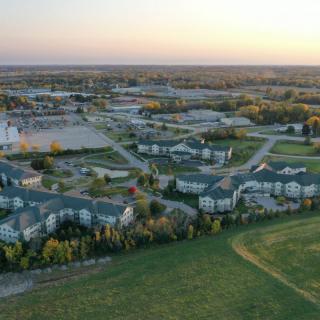
  • Knoll Place

    Knoll Place

    Racine, WI

     
    $2,240 to $3,710 / month

    pro Fully furnished apartments with comprehensive care, meals, housekeeping, transportation, and daily activities.

  • 1 St Choice Adult Family

    1 St Choice Adult Family

    Racine, WI

    4.2 from 10 reviews
     

    pro Small 4-resident setting with memory care, offering 24-hour supervision, medication management, dementia programming, and on-site amenities plus convenient access to healthcare and services.

  • Kinzie Way

    Kinzie Way

    Racine, WI


    pro Small, personalized setting with furnished units and comprehensive care.

  • Donnas House

    Donnas House

    Racine, WI


    pro Intimate, well-equipped community with comprehensive care and ample amenities.

  • Open Arms Assisted Living I

    Open Arms Assisted Living I

    Racine, WI

    4.8 from 85 reviews
     

    pro Small, intimate community offering highly personalized care.

  • Manor Of Kenosha

    Manor Of Kenosha

    Kenosha, WI

    2.9 from 8 reviews
     

    pro Caring staff and effective therapy; improvements under new management.

  • Parkview Gardens

    Parkview Gardens

    Racine, WI

    4.1 from 50 reviews
    $4,150 to $5,270 / month

    pro Compassionate staff delivering personalized care.

  • Lakeside Towers

    Lakeside Towers

    Kenosha, WI

    3.9 from 9 reviews
     

    pro Active independent living with a pet-friendly policy and nearby parks, dining, and healthcare.

Related Resources

  • assisted living waiver programA Detailed Exploration of Assisted Living Medicaid Waivers Across the United States

    Medicaid waivers for assisted living services provide vital support for seniors and individuals with disabilities in need of long-term care, with varying state-specific eligibility criteria and benefits. These waivers cover personal care and case management but often do not fully cover room and board, leading to waiting lists for many applicants.

  • assisted living for disabled adultsComprehensive Residential Support and Assisted Living Solutions for Individuals with Disabilities

    The article examines the complexities of assisted living for individuals with disabilities, emphasizing the need for tailored care solutions that enhance quality of life and social inclusion, while addressing financial challenges and advocating for community integration. It discusses various housing options, the importance of financial assistance through public benefits, and highlights trends towards integrated and technology-driven solutions in disability-focused housing.

  • assisted living for disabled adultsComprehensive Supportive Living Arrangements for Adults with Disabilities

    Assisted living for adults with disabilities has transformed to provide personalized care and support services aimed at improving residents' quality of life while balancing independence and assistance. However, low-income individuals often face challenges in affording these services, requiring navigation of various financial resources and advocacy for better policies and solutions.