
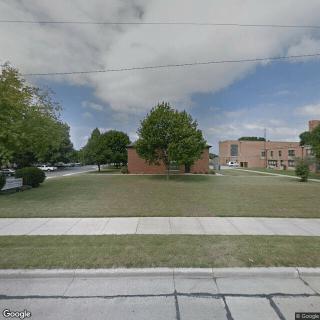
2051 Mead Street, Racine, WI 53403
For more information about senior living options: (866) 208-4318
Overall Review of Quality Care
Pros
 The staff were great and attentive.
- She absolutely loved it.
- It helped get her out of the house and into fun, enriching activities with staff at Quality care.
- By the time she got home, she was relaxed and her behaviors were reduced.
- The reviewer thanks Quality care for their support.
Review
This Racine, Wisconsin community is best suited for seniors who thrive on highly attentive, relationship-driven care and a daily structure built around engaging activities. The standout attribute is a staff team that quickly earns trust and actively invites residents into meaningful experiences. Those who respond well to gentle, ongoing supervision, social interaction, and opportunities to go out and try new things will likely feel at home here. In particular, individuals who welcome supportive peers and staff-led enrichment, that sense of “being cared for” in a lively, activity-rich setting, are the ideal match.
Families evaluating options should explicitly consider alternatives if medical complexity demands more than the setting appears prepared to provide. If a loved one requires robust skilled nursing care, highly specialized memory care, or a campus with extensive on-site medical services and broader specialty programs, another community may be a better fit. Similarly, if a family needs a larger facility with a wider array of services, or a cost structure that aligns with different budget realities, exploring other options will be prudent. A single positive review cannot fully establish long-term suitability for every level of need.
The strongest advantages here lie in the staff and the programming. The review highlights great, attentive staffing and a proven ability to engage a resident in enjoyable activities that are both fun and enriching. This approach translates into visible benefits: getting the resident out of the house, socializing with staff, and participating in activities that feel purposeful rather than rote. The result, as observed, is a calmer disposition and a measurable reduction in behaviors after days spent in this environment. When staff consistently deliver on connection and purposeful engagement, these benefits collectively offset the risk of isolation and stagnation that can plague other settings.
Yet, the evidence base remains limited. A single, positive experience does not guarantee uniform outcomes for all residents, or across changing staffing patterns and program offerings. Prospective movers should probe beyond the sentiment of one review by visiting for a first-hand impression and asking pointed questions about consistency of staffing, staff training in behavioral support, and the availability of varied, evidence-based activity options. Potential cons to explore include whether the staff-to-resident ratio holds steady across shifts, how behaviors are monitored over time, and whether the activities rotate enough to sustain interest for residents with evolving needs.
Practical evaluation steps can anchor a confident decision. Schedule a live observation to watch how staff interact with residents, note tone, responsiveness, and whether activities are individualized or delivered as generic programs. Ask about memory-care options and whether there is a clear pathway if cognitive needs intensify. Inquire about daily schedules, transportation for outings, and opportunities for family involvement in programming. Clarify cost components, what is included in the base rate, and how any specialty care fees are assessed. These conversations provide a grounded sense of whether the positive tone in a single review translates into reliable, day-to-day satisfaction.
In the end, Quality Care stands out for families seeking an engaged, staff-centered environment where residents can flourish through consistent attention and purposeful activity. The care team’s ability to help a resident move from isolation toward meaningful engagement is a compelling reason to consider this option. However, for families whose loved one requires deeper medical supervision, memory-specific programming, or a broader service mix, exploring alternatives remains wise. A well-chosen community is one where the daily routines, staff chemistry, and the care philosophy align with how the loved one best experiences safety, dignity, and joy.
 13 resident community capacity
 Assisted Living
 Board and Care Home
 Memory Care
 Cable or satellite TV
 Dining room
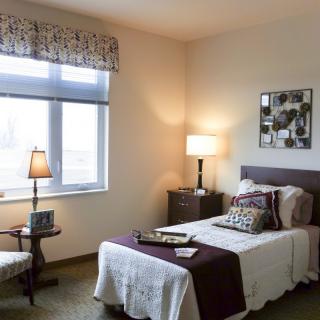
 Fully furnished
 Garden
 Housekeeping services
 Move-in coordination
 Outdoor space
 Telephone
 Wi-Fi/high-speed internet available
 General Mitchell International (18 miles away)
 24-hour supervision
 Activities of daily living assistance
 Assistance with bathing
 Assistance with dressing
 Assistance with transfers
 Diabetes diet
 Hospice waiver
 Meal preparation and service
 Medication management
 Mental wellness program
 Special dietary restrictions
 Transportation arrangement (medical)
 Transportation to doctors appointments


 Exploring the Contrasts Between Assisted Living and Skilled Nursing
 Vibrant Senior Living: A Comprehensive Guide for Active Older Adults
 Assisted Living and Memory Care: Understanding Their Core Differences