
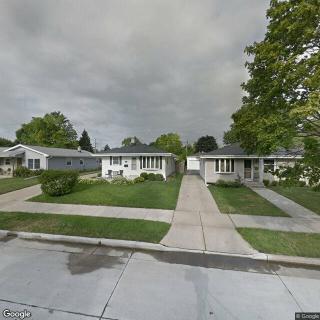
2114 Orchard Street, Racine, WI 53405
For more information about senior living options: (866) 208-4318
Overall Review of Orchard Adult Family Home
Pros
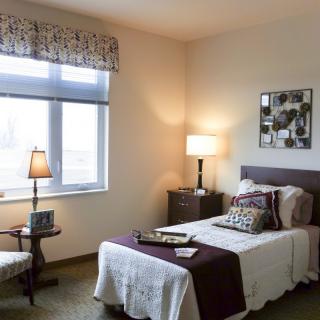
 The facility is beautiful, safe, clean, and has a family vibe.
- Their care for an adult child with autism has been above and beyond expectations.
- The owner works hard to document everything and hires the best he can find.
- Residents feel like family and are treated with love and respect.
Review
Orchard Adult Family Home in Racine, WI is best suited for families seeking a small, home-like setting where intimate, hands-on care is the norm. This community shines for adults who need daily supervision and support, yet do not require high-acuity medical services. It is especially compelling for families with a loved one on the autism spectrum or with developmental needs who value a warm, family-oriented atmosphere, consistent caregiver attention, and a setting where residents are treated as part of a close-knit “family.” The environment is calm, tidy, and safety-forward, creating a trustable base for daily living and routine.
Those considering alternatives should note that Orchard may not meet every need. For families requiring robust clinical oversight, 24/7 nursing, memory-care-specific programming, or highly structured activity schedules, a larger licensed facility with dedicated medical staff and specialized programs may be a better fit. If independence is a priority but a more formalized care plan is desired, or if a strict calendar of therapeutic activities is non-negotiable, exploring bigger communities with documented clinical protocols could prevent future gaps in care.
The strongest positives here start with the ambiance: beautiful, safe, and clean, with deeply embedded family vibes that put residents at ease. The owner’s hands-on approach stands out, documentation is thorough, and staff are selected with care, aiming to recruit the best possible team. When a caregiver consistently documents observations, care plans, and changes, families gain clear insight into day-to-day realities, reducing anxiety and improving coordination with external providers. The combination of high-quality staffing and a genuine, loving environment translates into residents who feel valued and are treated with respect, a dynamic that matters as daily routines become routines of trust.
A notable advantage is the demonstrated capacity to address specialized needs, particularly autism-related support. The reviews indicate care above and beyond expectations in this area, signaling a readiness to adapt routines, communicate effectively with family members, and tailor activities to individual abilities. This strength helps offset the limitations typically associated with smaller operations, where clinical resources may appear leaner. Families seeking a partner who will listen, document carefully, and respond with empathy will likely find Orchard’s approach reassuring and dependable.
Nonetheless, the presence of a two-star rating in the mix cannot be ignored. It implies there are experiences that did not meet expectations, suggesting variability in some days or aspects of service. The lack of explicit details makes it essential for prospective families to conduct due diligence: ask for current resident schedules, request to meet caregivers, and probe about the consistency of staffing shifts, response times, and availability of meaningful activities. In practice, the strong pros, personalized attention, family-style care, and autism-aware programming, can offset potential inconsistencies if verified upfront and managed through transparent communication.
In practical terms, the decision should hinge on alignment of needs and risk tolerance. For families prioritizing intimate, attentive care in a home-like setting, Orchard offers a compelling match, with a track record of compassionate, personal engagement and a willingness to work closely with families. If the priority is a more clinical environment with formalized memory care or nursing supervision, alternatives with larger staff structures will be more straightforward. Prospective residents should demand a clear care plan, a demonstrated staffing model, and a trial period or visit that confirms the anticipated level of daily interaction, documentation quality, and the ability to tailor routines to autism-related needs. Orchard remains a sensible, credible choice for those who value heart-forward caregiving as a core service, with a realistic pathway to addressing imperfect days through steadfast communication.
 4 resident community capacity
 Assisted Living
 Board and Care Home
 Memory Care
 Cable or satellite TV
 Dining room
 Fully furnished
 Garden
 Housekeeping services
 Move-in coordination
 Outdoor space
 Telephone
 Wi-Fi/high-speed internet available
 General Mitchell International (17 miles away)
 24-hour supervision
 Activities of daily living assistance
 Assistance with bathing
 Assistance with dressing
 Assistance with transfers
 Diabetes diet
 Hospice waiver
 Meal preparation and service
 Medication management
 Mental wellness program
 Special dietary restrictions
 Transportation arrangement (medical)
 Transportation to doctors appointments


 Choosing the Right Senior Care: A Detailed Exploration of Assisted Living and Nursing Homes
 Safeguarding Your Memory Through the Golden Years: Eight Ways to Preserve Cognitive Health
 Comprehensive Insights into Activities of Daily Living (ADLs) and Their Assessment