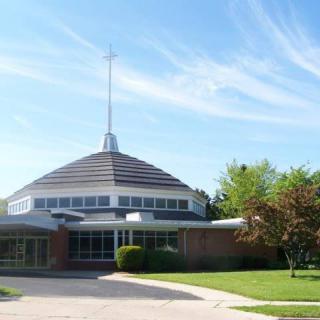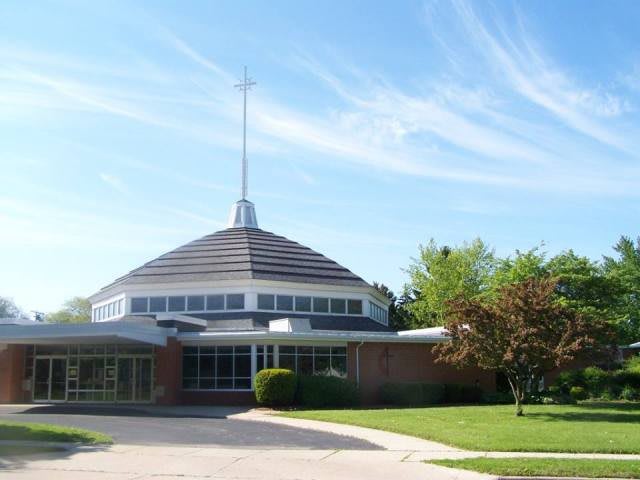
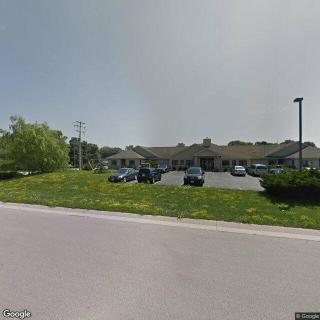
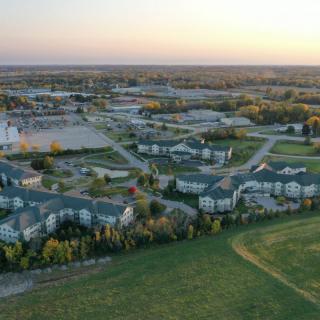
1013 Harmony Dr, Racine, WI 53402
To contact a resident: (262) 880-5301
For more information about senior living options: (866) 208-4318
Overall Review of North Pointe Campus
Pros
 The church has the kindest and most inclusive congregation.
- The people are very nice and friendly.
- Generosity is awesome.
- The congregation is reconciling.
- The church is very nice looking, and the members seem to really support each other.
- The church is a good place to bring families.
- Spending time here is wonderful.
- It is home to many community services, including a food pantry, diaper ministry, quilts for school moms, a community garden, pillows for HALO, Alzheimer's respite, and more.
- Its membership is multi-ethnic.
Cons
 The practice of handing people meat with a two-year-old sell-by date is not a great idea.
Review
North Pointe Campus in Racine, WI is best suited for seniors and families who want a faith-based, community-centered environment that emphasizes social connection, volunteer-driven outreach, and practical support rather than a medicalized living arrangement. The campus functions as a vibrant church community with a track record of inclusivity and multi-ethnic membership, and it supplements its spiritual life with tangible programs: a food pantry, diaper ministry, quilts for school moms, a community garden, HALO pillows, and an Alzheimer’s respite offering. For families seeking daily caregiving support, professional oversight, or a formal assisted living setting, this campus should be evaluated as a powerful social-and-spiritual resource, not a substitute for licensed care.
Those weighing traditional senior housing should consider alternatives if the primary goal is round-the-clock supervision, medication management, or clinically staffed memory care. North Pointe Campus excels as a gathering place, a source of companionship, and a conduit for purpose-filled activity, but it does not present itself as a licensed care facility. For seniors who require constant supervision, specialized medical oversight, or structured daily routines enforced by professionals, a conventional assisted living or memory-care community is likely a more appropriate fit. Even the Alzheimer’s respite offering, while meaningful, appears to be a community-supported program rather than a formal care continuum.
The strongest pros center on the warmth and reach of the fellowship. Reviewers repeatedly describe friendly, generous, and supportive people who create a welcoming atmosphere. The multi-ethnic membership and the breadth of outreach projects translate into meaningful opportunities to give back, socialize, and stay mentally engaged through shared activities and events. The Alzheimer’s respite option, along with other service programs, provides a concrete way for caregivers to offload moments of obligation and for seniors to participate in purposeful work within a caring, faith-driven setting. These elements collectively generate social capital, reduce isolation, and nourish a sense of belonging that traditional care settings may not deliver.
Yet the main cons are equally clear and should temper expectations. The one negative review underscores a real risk: food-safety governance in donation-driven programs. A two-year-old meat product in the pantry’s supply chain raises legitimate concerns about oversight and risk management. While most feedback highlights generosity and community strength, this isolated but serious critique signals that operations at the edge, such as food distribution and safety protocols, deserve scrutiny. In addition, the absence of professional caregiving or 24/7 medical oversight means the campus cannot meet needs that require licensed staff, medication administration, or clinical memory-support strategies. Those realities must be weighed when evaluating long-term placement or transition plans.
For families seriously considering North Pointe Campus, practical steps can sharpen the decision. Visit during a community event or service to observe how volunteers and church staff coordinate activities, how privacy is protected, and how meals or pantry items are managed. Inquire specifically about the Alzheimer’s respite program: who administers it, who’s eligible, and what training volunteers have. Ask about safety checks, food-handling procedures, and any formal governance around donation-based services. Consider how well the campus’ values, generosity, inclusivity, and service, align with the elder family member’s preferences for social engagement, spiritual activity, and connection to broader community life.
In sum, North Pointe Campus offers substantial value as a warm, mission-driven hub that can enhance quality of life through companionship, purpose, and meaningful outreach. It shines as a place where seniors can stay active, connected, and spiritually nourished within an inviting, diverse community. However, for families prioritizing formal, professional care, predictable medical oversight, or a regulated living environment, alternatives should be pursued alongside any engagement with this campus. The right choice depends on aligning care needs with the strengths of a faith-based community that prizes generosity, inclusivity, and service above all.
 Day Program
 General Mitchell International (11 miles away)

 Supportive Employee Benefits That Help Caregivers Attain Better Work-Life Harmony
 Top Cars for Senior Drivers and Essential Safety Innovations
 A Closer Look at Private Pay Home Care