
3616 Sovereign Drive, Racine, WI 53406
For more information about senior living options: (866) 208-4318
Overall Review of Lifestyle Adult Family Home 4
Pros
 It is the best group home in Racine.
- They will care for loved ones like their own family.
- It is very clean and neat.
Cons
 — the review is entirely positive.
Review
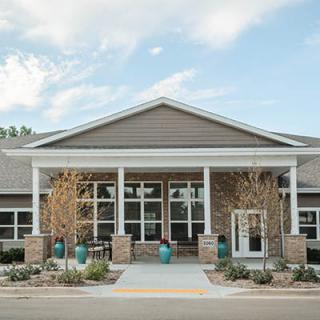
This community is best suited for families seeking a small, home-like setting where a resident can receive highly individualized attention and be treated with a caregiver’s personal care and warmth. It is especially fitting for seniors who value a warm, familial atmosphere, where staff make the environment feel like a welcoming, well-kept home. Cleanliness and neatness are clearly a priority, and those who want a tight-knit routine and direct access to caregivers will find this arrangement compelling. In short, it serves well for residents who thrive on consistent, personable interaction and a domestic, low-key living environment rather than a large, facility-style experience.
There are clear reasons to consider alternatives, particularly for families with higher medical needs or broader program expectations. If a loved one requires frequent skilled nursing, complex medical oversight, or specialized memory care, a larger community with dedicated clinical teams and structured, therapy-driven programming may be a better fit. Similarly, assessments that emphasize robust social activities, diverse on-site therapies, or more extensive amenities may steer families toward facilities built around larger resident populations. The current profile suggests a focused, intimate setting rather than one designed to absorb high levels of acuity or provide a wide array of services.
The standout pros are straightforward and meaningful: a genuine commitment to caring for residents “like family,” and a strong emphasis on cleanliness and neatness. This combination supports peace of mind for families worried about responsiveness and daily dignity. A home-like approach typically translates to quicker caregiver responsiveness, less institutional distance, and a level of comfort that often reduces agitation and anxiety in residents. Cleanliness and order further reinforce safety and comfort, contributing to a serene daily rhythm and minimizing common irritants that detract from well-being.
However, the limited scope of available information naturally invites questions about what is not described in the review. Details about staffing ratios, clinical capabilities, medication management, meal quality, activity programming, or the range of supportive services remain unclear. The single-positive data point also leaves ambiguity about consistency across seasons, admissions, and turnover, as well as how the home handles more intensive needs, transportation, or emergency contingencies. These gaps matter because they determine whether the warmth and cleanliness can be sustained under real-world, day-to-day fluctuations.
Still, the core advantages can offset these potential gaps for many families. A small, family-style residence typically delivers highly responsive care, reduced risk of staff burnout, and more personalized attention to daily routines, meals, and comfort measures. When the goal is to minimize institutional distance and maximize a resident’s sense of belonging, the pros materially lessen concerns about limited programming or less formal clinical oversight. Clean, well-maintained surroundings reinforce trust and reduce physical stress, contributing to a calmer, more dignified living experience.
For families evaluating options, a prudent approach is to visit and observe. Inquire about who handles medications and how staff are trained, request a candid description of daily routines, and explore what happens if a medical issue arises after hours. Confirm pricing structures, what is included in the base rate, and what costs may be added for extras. If a warm, dependable, home-like environment with meticulous upkeep is the priority, Lifestyle Adult Family Home 4 offers a compelling match in Racine. If, instead, a setting with more comprehensive clinical services, broader social programming, or a larger community is required, alternative options should be pursued to ensure alignment with long-term care goals.
 4 resident community capacity
 Assisted Living
 Board and Care Home
 Memory Care
 Cable or satellite TV
 Dining room
 Fully furnished
 Garden
 Housekeeping services
 Move-in coordination
 Outdoor space
 Telephone
 Wi-Fi/high-speed internet available
 General Mitchell International (18 miles away)
 24-hour supervision
 Activities of daily living assistance
 Assistance with bathing
 Assistance with dressing
 Assistance with transfers
 Diabetes diet
 Hospice waiver
 Meal preparation and service
 Medication management
 Mental wellness program
 Special dietary restrictions
 Transportation arrangement (medical)
 Transportation to doctors appointments

 Dementia Behaviors: In-Depth Understanding and Effective Coping Strategies
 5 Early Indicators of Dementia and What You Can Do
 8 Important Indicators That Memory Care May Be Necessary