
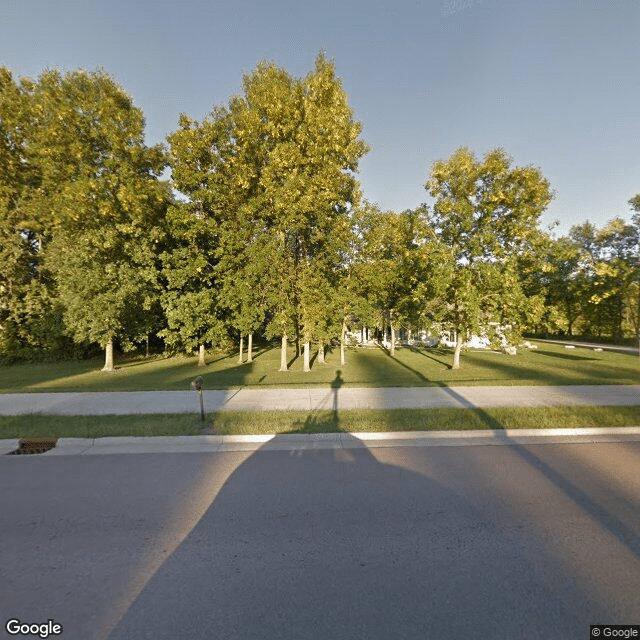
260 N Saint Augustine Street, Pulaski, WI 54162
To contact a resident: (920) 822-1300
For more information about senior living options: (866) 208-4318
Overall Review of Woodhaven Manor
Cons
 The staff are chronically underperforming.
 - The cleaning in the facility is minimal.
- There is no programming for residents at all.
- There is no encouragement for residents to participate.
- They simply provide a roof over residents' heads and feed them.
Review
Woodhaven Manor in Pulaski, WI is best suited for residents who are largely independent, require minimal direct supervision, and simply need a roof over their heads with regular meals. It is not a fit for anyone who expects attentive care, ongoing supervision, or meaningful daily programming. Families should not count on staff to proactively encourage participation or manage activities; this is a critical mismatch for loved ones who benefit from structure, engagement, and timely support.
Alternatives should be strongly considered for anyone needing dependable staffing, routine assistance, or a program of social and therapeutic activities. Look for communities with consistent, on-site staffing, clear accountability, and regularly scheduled activities that align with the resident’s interests and cognitive needs. If medication management, mobility assistance, or safety monitoring are essential, prioritize facilities with dedicated care teams, visible supervision, and transparent care plans. In short, Woodhaven Manor serves only a narrow slice of needs, and broader options will likely outperform it for most families.
On the downside, the review highlights chronic understaffing, which cascades into minimal cleaning, reduced resident attention, and almost no programming. Cleanliness can suffer when resources are stretched thin, creating an environment that feels neglected despite basic facilities remaining in place. The absence of organized activities means residents craving connection, exercise, or purposeful routine will quickly grow disengaged. Safety and well-being hinge on sufficient staff presence; with ongoing staffing gaps, even everyday tasks and timely assistance become inconsistent risks.
From a practical standpoint, the scant positives are strictly the basics: shelter and meals. These essentials do not compensate for a lack of housekeeping discipline, no meaningful social or cognitive stimulation, and the potential for delayed responses in emergencies. For families, value cannot be focused solely on price when the lived experience may be dominated by neglect of routine care and engagement. Woodhaven Manor may look affordable, but the trade-off is a noticeably limited quality of life and uncertain day-to-day reliability.
To avoid a disappointing outcome, ask hard questions before committing. Seek detailed staffing ratios by shift, turnover rates, and the specific roles of caregivers assigned to the loved one. Observe resident interactions during a meal or walk-through to gauge warmth, attentiveness, and responsiveness. Request a current activity calendar and a varied, nutritious menu to assess whether daily life offers stimulation and choice. Verify medication handling and the process for care-plan reviews, and solicit references from current residents or families. If possible, request a short-term stay to test whether the environment truly meets needs and expectations.
Bottom line: Woodhaven Manor is unlikely to satisfy families seeking reliable care, robust programming, and consistent cleanliness. For residents who can thrive with minimal supervision and limited activity, it may function as a strictly basic option, typically on cost. For most scenarios, especially those involving ongoing caregiving needs, social engagement, memory support, or mobility assistance, stronger staffing, clearer care processes, and richer resident life are essential. The recommendation is clear: prioritize communities with proven staffing stability and active, personalized programming to safeguard safety, dignity, and daily quality of life.
 Assisted Living
 Memory Care
 Activities on-site
 Devotional services off-site
 Indoor common areas
 Austin Straubel International (14 miles away)
 Ambulatory care
 Diabetic care
 Meals provided
 Comprehensive dementia/memory care with 24/7 supervision and medication management; personalized daily living assistance, transportation to medical appointments, and coordinated healthcare; all-inclusive amenities (fully furnished rooms, meals with dietary accommodations, housekeeping, Wi-Fi, and cable) plus engaging activities in a comfortable setting.
 Dementia-Related Hallucinations: Causes, Experiences, and Practical Approaches
 Illuminating Insights About Alzheimer's Disease: Ten Crucial Realities
 A Thorough Discussion of Medications Potentially Linked to Dementia Risk