
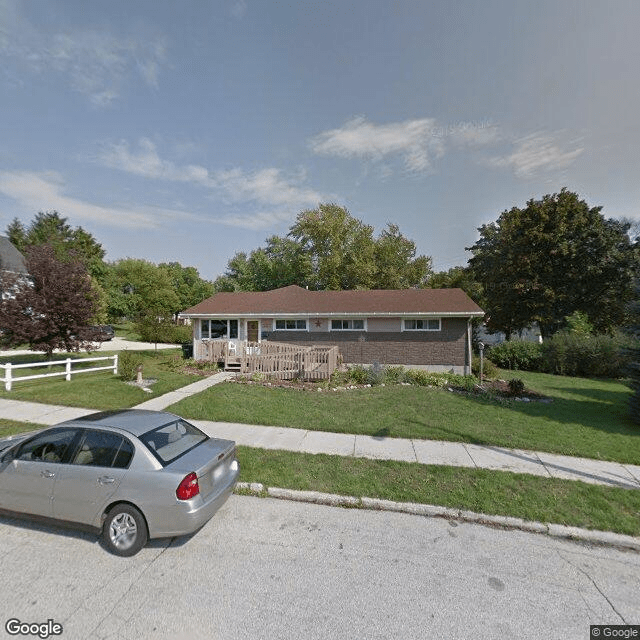
334 South Garfield Street, Port Washington, WI 53074
For more information about senior living options: (866) 208-4318
Port Haven Costs & Pricing
At Port Haven, the monthly cost for a private room stands at $4,000, which positions it competitively in comparison to both Ozaukee County and the broader state of Wisconsin. In Ozaukee County, the average cost for a similar accommodation reaches $4,571, while across Wisconsin, the figure averages $4,339. This places Port Haven as a more economical option for individuals seeking private accommodations without compromising on quality or care. Those considering their options can appreciate that choosing Port Haven not only supports local services but also offers significant savings compared to nearby alternatives.
| Floor plans | Port Haven | Ozaukee County | Wisconsin |
|---|---|---|---|
| Private | $4,000 | $4,571 | $4,339 |
Memory care communities with a similar price nearby
-
from +$200 / mo

River Way Place
$4,200 / month14.3 miles away -
About the same

Ellens Home Germantown
$4,000 / month15.8 miles away -
About the same
Complete Home Health Care
$4,000 / month18.7 miles away -
from +$275 / mo
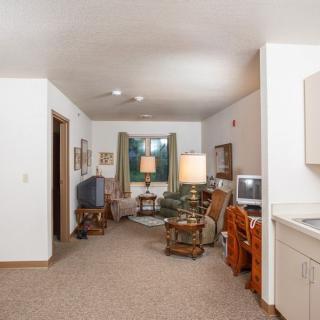
The Waterford at Hartford
$4,275 to $7,400 / month24.4 miles away -
About the same

Forest Haven
$4,000 to $4,400 / month7.0 miles away
Overall Review of Port Haven
Pros
 The staff and care at the facility are unbelievable and a godsend.
 - The owners and staff show unbelievable care and communicate effectively to meet residents’ needs.
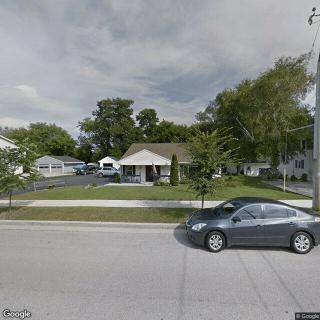
- Port Haven is a homey, small, bright, and cheery community with wonderful staff and private rooms.
- The staff is wonderful, with a ranch-style house, on-site kitchen staff 24/7, activities, and a resident bus.
- The ranch-style home is very homey and friendly, with residents’ needs clearly prioritized and a nice deck and backyard.
- Tracy was very helpful and knowledgeable about dementia, and the facility feels very homey.
- The community is small and bright, with caring staff and happy residents.
Cons
 They don’t offer a dementia facility.
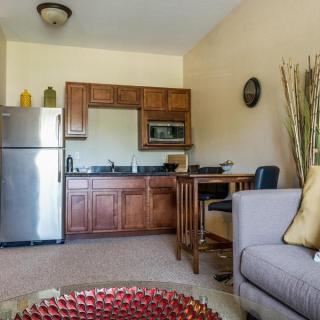
- Bedrooms are rather small and there is only one shared bathroom.
- The lack of a dementia facility prevented placement for a relative.
Review
Port Haven is best suited for seniors who want an intimate, home-like assisted living experience in Port Washington. This small ranch-style home accommodates eight residents and cultivates a deeply personal atmosphere where caregivers know preferences, routines, and daily needs. The setting appeals to families seeking steady, straightforward care with high-touch attention, honest communication, and a sense of belonging that stays close to a resident’s everyday life. For someone who emphasizes warmth, predictability, and direct access to staff, Port Haven delivers with a level of candor and continuity that larger campuses struggle to match.
That said, not every senior will find this model ideal. The most important caveat is the absence of a dementia-specific program, which means memory-care needs cannot be met here. Families facing or anticipating dementia care should consider alternatives equipped with secure spaces and specialized programming. The very small footprint, six to eight residents, depending on configuration, also translates into limited privacy options and a single bathroom in some layouts. For couples seeking en-suite arrangements or residents who crave a broader campus experience with more amenities, a larger facility will likely be more appropriate. A nearby Saukville option suggested by staff or community members may be worth touring for proximity and additional services.
The standout advantages, exceptional staff performance, transparent communication, and a genuinely homey feel, are what let these drawbacks land with less pressure. The owners and caregiving team are repeatedly described as caring at a level that feels almost familial, keeping everyone’s needs at the forefront and maintaining open lines of contact. On-site kitchen operations run around the clock, which translates into reliable meal timing and nourishment, while an activities calendar and a resident bus preserve routine and engagement. The environment itself, bright spaces, a friendly dog, a deck, and a private or semi-private living arrangement, supports dignity and comfort, especially for residents who respond well to a smaller, less institutional setting.
Yet the practical limits of a tiny community do emerge in daily life. Bedrooms are small, and the shared bathroom arrangement can challenge privacy, particularly for residents who value personal space or who may be transitioning between living arrangements. The lack of memory care also means it’s not a fit for someone whose needs include structured cognitive support or a secured environment. The charm of Port Haven, the closeness, the hands-on attention, can feel constraining for families hoping for expansion, more flexible roommate options, or a broader social ecosystem. This is not a place to be for those seeking a bustling campus; it excels precisely because it does not pretend to be everything to everyone.
When evaluating Port Haven, focus on the practicalities that shape day-to-day life. Tour with an eye toward routines: how medications are managed, how meals are scheduled, and how caregivers respond to urgent needs. Inquire about room configurations, the availability of private rooms, bathroom access, and potential changes in the layout as resident needs evolve. Ask about activities, transportation for appointments or outings, and how loved ones can participate in daily life without causing disruption. If memory care or expansion capabilities become a requirement, prepare to compare with facilities that offer dementia programming, secure spaces, and larger-scale amenities. Proximity to the family’s home should factor into the decision as well, since frequent visits can significantly influence overall satisfaction.
In sum, Port Haven stands out as a powerful choice for families prioritizing heartfelt, individualized care in a compact, homelike setting. It excels for residents who thrive on personal attention, clear communication, and a sense of belonging, with end-of-life care or short-term stabilization often highlighted as especially meaningful experiences. For those who require memory support or a broader, more amenity-rich environment, exploring alternatives, particularly nearby options with dementia programs, will be essential to finding the best long-term fit. The right call is clear: Port Haven delivers exceptional, intimate care for the right resident, while clearly delineating its boundaries to guide families toward the most suitable option.
 8 resident community capacity
 Assisted Living
 Board and Care Home
 Memory Care
 Activities off-site
 Bath tubs
 Cable or satellite TV
 Devotional services off-site
 Dining room
 Fully furnished
 Garden
 Housekeeping services
 Indoor common areas
 Move-in coordination
 Outdoor common areas
 Private
 Respite or short term stays offered
 Telephone
 Wi-Fi/high-speed internet available
 24-hour supervision
 Ambulatory care
 Assistance with bathing
 Assistance with dressing
 Assistance with transfers
 Diabetes diet
 Diabetic care
 High acuity care
 Hospice waiver
 Incontinence care
 Meal preparation and service
 Medication management
 Mental wellness program
 Special dietary restrictions
 Transportation arrangement (medical)
 Transportation to doctors appointments
 BBQs or picnics
 Birthday parties
 Christian services
 Stretching classes


 A Thorough Discussion of Medications Potentially Linked to Dementia Risk
 Why Do Dementia Patients Sleep So Much? Understanding Oversleeping, Stages, and Care Approaches
 8 Key Indicators That Suggest It May Be Time to Transition from Assisted Living to Skilled Nursing Care