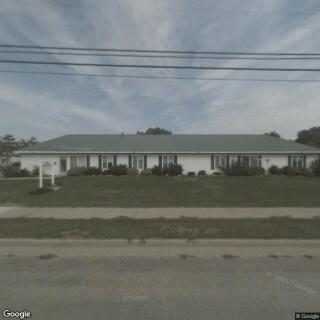
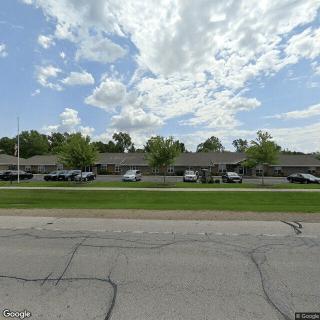
Rem Allied Court is an assisted living community in Oconto, WI.
Information last verified:
644 Allied Court, Oconto, WI 54153
For more information about senior living options: (866) 208-4318
3.8 from 82 reviews
5 stars
41
4 stars
17
3 stars
6
2 stars
4
1 stars
14
Overall Review of Rem Allied Court
common14 reviews mention this
Friendly, patient people
Residents describe the staff as friendly, patient, and helpful.
Many reviews focus on how friendly and easy to talk to the people are, including descriptions of patience, understanding, and polite support. Several reviewers also say things go smoothly when they know what they need, with staff explaining what to expect. A few reviews highlight staff going above and beyond to help with whatever is needed.
common2 reviews mention this
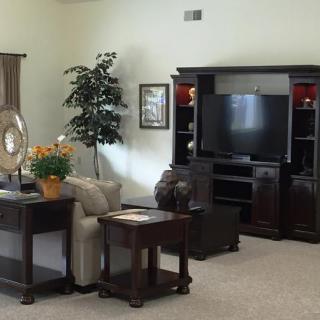
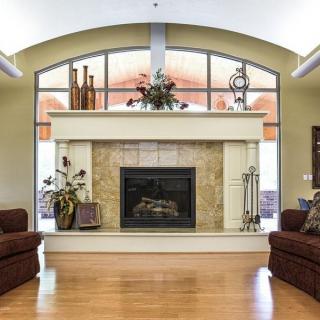
Interior is described as beautiful
Several reviewers mention the building’s interior as beautiful.
A couple of reviews describe the interior positively, using language like “beautiful” and “such beauty.” Other comments are more focused on support and logistics, but these interior observations are still among the recurring compliments.
caveat6 reviews mention this
Some report frustration and confusion
Some reviewers say the experience is frustrating or confusing.
Several reviews criticize the visit experience, including statements that it’s a waste of time or that they wouldn’t recommend going. Others mention getting delayed, waiting for hours, or struggling to find where to go inside. One reviewer also describes anxiety from confusion about the building layout.
How we summarize
Counts show how many written reviews mention each theme; a review can touch several themes, and only frequently mentioned themes are displayed.
Features
Housing
3 resident community capacity
Types of Care
Assisted Living
Amenities
Cable or satellite TV
Dining room
Fully furnished
Garden
Housekeeping services
Move-in coordination
Outdoor space
Telephone
Wi-Fi/high-speed internet available
Care Services
24-hour supervision
Activities of daily living assistance
Assistance with bathing
Assistance with dressing
Assistance with transfers
Coordination with health care providers
Diabetes diet
Meal preparation and service
Medication management
Special dietary restrictions
Transportation arrangement (medical)
Transportation to doctors appointments
Dining
Diabetes diet
Special dietary restrictions
Activities
Community-sponsored activities
Scheduled daily activities
Nearby Places of Interest
Cafes
Village Cafe (0.7 miles)
Purely Hemp & Tea (13.5 miles)
Corki's Cup Of Joy (13.8 miles)
Hospitals
Community Memorial Hospital (0.7 miles)
Oconto Hospital & Medical Center (1.2 miles)
HSHS St Clare Memorial Hospital (13.3 miles)
Community Memorial Hospital (13.3 miles)
Restaurants
Garage (0.7 miles)
Nautical Inn (0.8 miles)
Boo Boo's & Yogy's (0.9 miles)
Shake A Burger (1.4 miles)
Happy Garden (1.6 miles)
Oconto Harborview (1.6 miles)
Wayne's Family Restaurant (1.7 miles)
Places of Worship
United Methodist Church (0.7 miles)
Oconto Seventh Day Adventists (0.7 miles)
Harvest Assembly of God (0.7 miles)
Holy Trinity Catholic Parish (0.9 miles)
Oconto Gospel Chapel (0.9 miles)
United Methodist Church (1 miles)
First Presbyterian Church (1.2 miles)
Pharmacies
Oconto Pharmacy (0.8 miles)
Oconto Pharmacy & Gift Shop (0.8 miles)
Peshtigo Pharmacy (13.2 miles)
Peshtigo Pharmacy-Valu-Rite (13.2 miles)
Saint Clare Pharmacy (13.3 miles)
Cmh Pharmacy (13.3 miles)
Good Neighbor Pharmacy (13.8 miles)
Parks
Oconto City Park (1.4 miles)
Ner-park (1.4 miles)
Copperfest Grounds (1.4 miles)
Bond Park (1.7 miles)
Copper Culture Mounds State Park (2.1 miles)
D E Hall County Park (5.5 miles)
Peshtigo Baseball Fields (13.5 miles)
Physicians
Aurora Health Center (1.5 miles)
CMH Primary Care Clinic (10.4 miles)
CMH Abrams Medical Clinic (12 miles)
CMH Primary Care Clinic (13.3 miles)
Dermatology Associates of Wisconsin, S.C. (13.3 miles)
The article examines senior housing options, detailing the distinctions between independent living and assisted living, along with the emerging "independent assisted living" model that blends both approaches. It highlights the importance of assessing individual needs, preferences, and financial factors in making informed decisions about suitable living arrangements for seniors.
The deductibility of assisted living expenses on taxes hinges on factors like the individual's medical condition and service nature, typically requiring the resident to be "chronically ill" per IRS definitions. Taxpayers may deduct eligible medical expenses related to personal care services but generally not rent unless primarily for medical care, and they should maintain thorough documentation to support claims while considering itemizing versus standard deductions.
The guide highlights the importance of assisted living facilities for aging veterans needing daily support, discusses unique challenges they face, and outlines available financial assistance from the VA, including the Aid and Attendance program. It emphasizes understanding eligibility criteria and navigating the VA system to access necessary benefits effectively.
Get PricingAsk A QuestionSchedule A TourContact Senior Advisor
By clicking submit, you agree to our Partner's Terms of Use. You
also consent to receive calls and texts, which may be autodialed, from our Partner. Your consent is not a condition to
using our Partner's service. Please visit our Partner's Privacy Policy for information about their privacy practices.

 3 resident community capacity
 Assisted Living
 Cable or satellite TV
 Dining room
 Fully furnished
 Garden
 Housekeeping services
 Move-in coordination
 Outdoor space
 Telephone
 Wi-Fi/high-speed internet available
 24-hour supervision
 Activities of daily living assistance
 Assistance with bathing
 Assistance with dressing
 Assistance with transfers
 Diabetes diet
 Meal preparation and service
 Medication management
 Special dietary restrictions
 Transportation arrangement (medical)
 Transportation to doctors appointments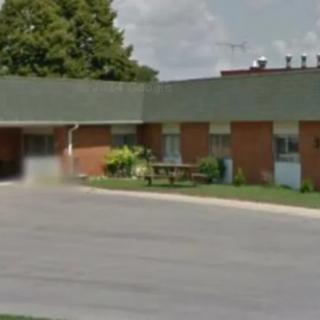
 Small, intimate 50-bed setting with 24/7 supervision, medication management, and restaurant-style dining.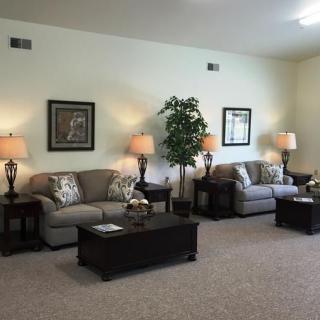


 Exploring the Path to Senior Living: A Comprehensive Look at Independent Living and Assisted Living
 Is Assisted Living Deductible on Your Taxes? Understanding the Complexities of Assisted Living Expenses and Deductions
 Assisted Living Support for Veterans: A Complete and Detailed Overview