
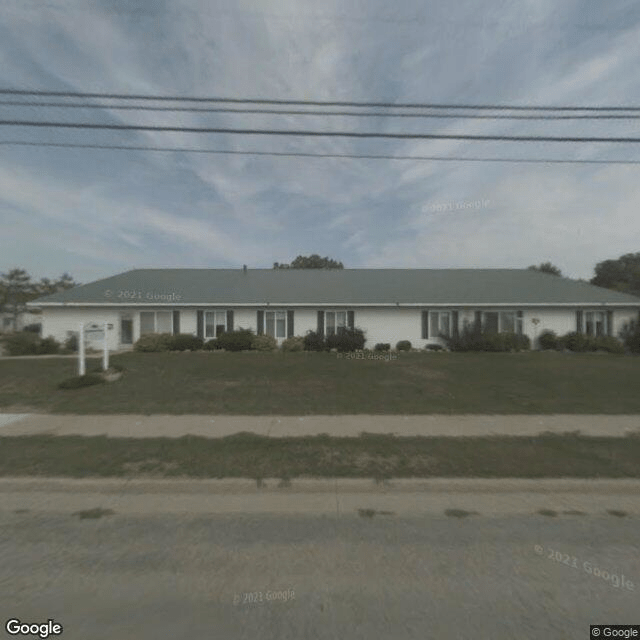
425 Pecor St., Oconto, WI 54153
To contact a resident: (920) 834-0302
For more information about senior living options: (866) 208-4318
Sun Valley Homes II Oconto Costs & Pricing
Sun Valley Homes II in Oconto offers a competitive pricing structure for its residents, particularly when considering the costs associated with similar accommodations within Oconto County and the broader state of Wisconsin. At $2,450 per month for a one-bedroom unit, Sun Valley Homes II is positioned above the county average of $2,233. However, it remains significantly more affordable than the state average of $3,412. This pricing reflects the quality of services and amenities provided at Sun Valley Homes II, making it an attractive option for those seeking comfortable living arrangements in Oconto while still being mindful of their budget.
| Floor plans | Sun Valley Homes II Oconto | Oconto County | Wisconsin |
|---|---|---|---|
| 1 Bedroom | $2,450 | $2,233 | $3,412 |
Memory care communities with a similar price nearby
-
from -$200 / mo
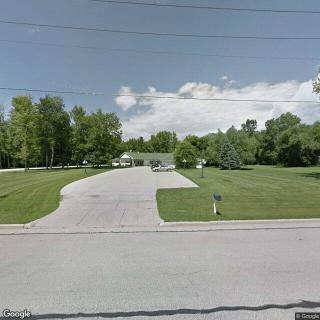
Sun Valley Homes - Nine Acres
$2,250 / month0.7 miles away
Overall Review of Sun Valley Homes II Oconto
Pros
 It is a great place.
- There is great management and great caregivers.
- Loved ones are very well taken care of there.
Cons
 Facility is poorly run.
Review
Sun Valley Homes II Oconto is best suited for families seeking a warm, intimate setting where caregivers know residents by name and management stays visibly engaged. It works for seniors who want daily assistance delivered with a personal touch and a home-like atmosphere, rather than a clinical, cookie-cutter model. In short, this community rewards families that value hands-on attention and strong interpersonal connections over a highly standardized, large-scale operation.
Those needing rock-solid operational consistency and expansive medical oversight should look at alternatives. If predictable scheduling, formalized care protocols, a structured activity calendar, or access to specialized memory-care services are non-negotiables, a larger, more standardized community may be safer. The one-star perspective underscores real concerns about day-to-day management; that risk grows if family oversight isn’t easy to maintain and verify. Prospective residents with complex medical needs or high dependency on reliable administrative systems will want to compare options where processes are more clearly defined.
On the upside, the care experience can be genuinely strong when the staffing and leadership are aligned. Positive feedback signals attentive caregivers who respond to needs, create a reassuring presence, and strive to keep residents comfortable and engaged. When management is hands-on and caregivers are capable and motivated, residents tend to receive timely help with daily tasks, compassionate companionship, and a sense of being valued. For families prioritizing warmth, personal rapport, and visible commitment from the front line, this can feel like a meaningful advantage.
The principal risk is a sense that the facility is poorly run. That judgment points to potential gaps in scheduling, communication, or administrative oversight that can disrupt care continuity. Families should probe how shifts are staffed, how nursing oversight is structured, and how care plans are updated and communicated. Ask to see daily logs, incident reporting, and response times to concerns. A quick, candid conversation with the administrator about problem resolution and follow-through is essential before matching a loved one to this setting.
Pros can offset cons when there is a clear, accessible on-site leadership presence and transparent, responsive family communication. If the administrator is consistently available, care plans are actively revised, and frontline staff are empowered to adapt to changing needs, the warmth and reliability of caregiving can compensate for some administrative rough edges. Conversely, persistent administrative instability or frequent miscommunication erodes the advantages of good caregivers and can make even attentive staff feel overwhelmed. Decisions should hinge on whether the operational gaps are fixable through improved processes and direct family engagement.
Practical next steps guide families toward a well-informed choice. Schedule a thorough tour with the administrator and request a current, detailed care plan, including medication management procedures. Inquire about the staff-to-resident ratio, typical daily schedules, and how shifts are covered to prevent gaps in coverage. Seek conversations with a caregiver or two about their daily routines and standards of responsiveness. Review any recent inspection summaries and note the facility’s track record on addressing concerns. Consider a short-term respite or trial period to gauge real-world operations before committing. If warmth and hands-on care are matched with clear, dependable administration, Sun Valley Homes II Oconto can be a sound fit; if not, it is prudent to keep exploring options with stronger, more consistent systems in place.
 Assisted Living
 Memory Care
 Activities on-site
 Devotional services off-site
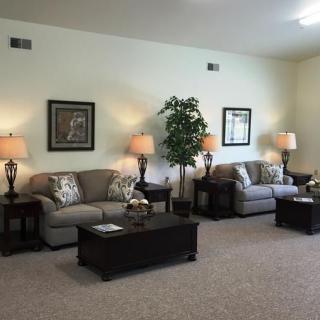
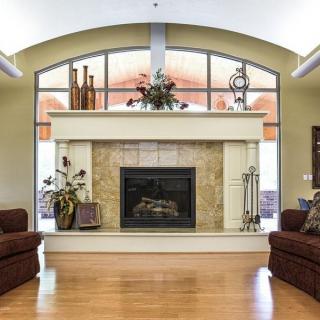
 Indoor common areas
 Ambulatory care
 Diabetic care
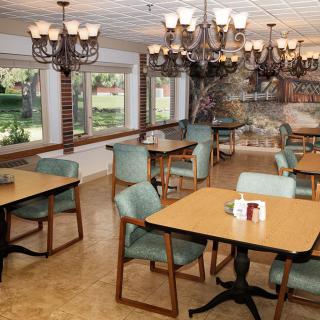
 Meals provided
 Estimating the Expenses of At-Home Dementia Care: A Detailed Exploration
 Comprehensive Insights on the Late Stages of Dementia: What to Expect and How to Provide Care
 Medications Associated with Dementia Risk: A Comprehensive Overview