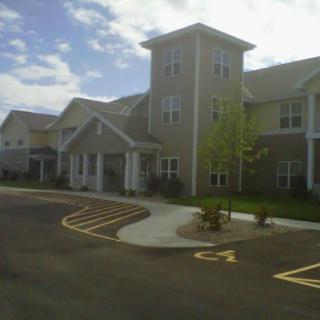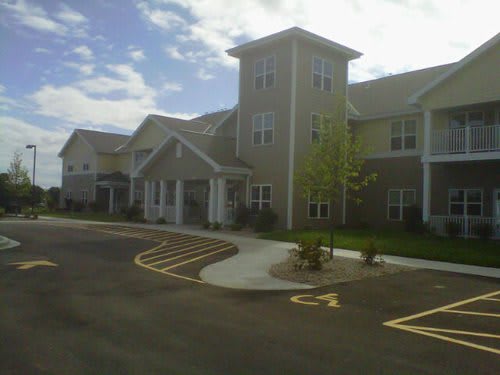
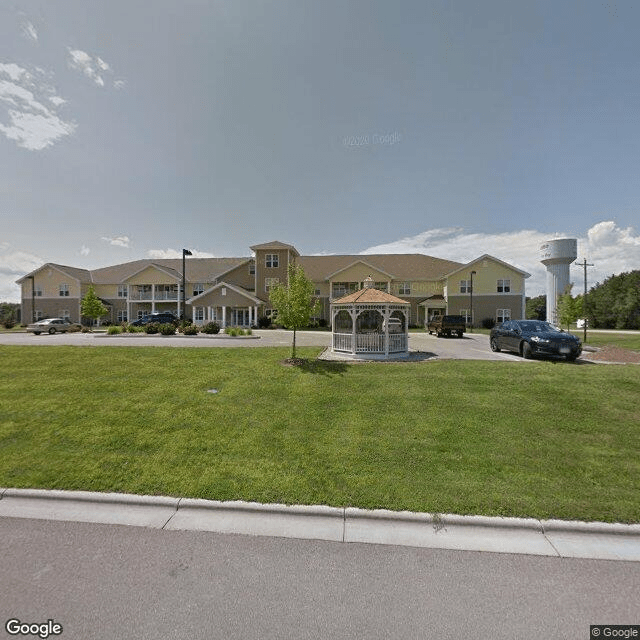
237 Cook Ave, Oconto, WI 54153
To contact a resident: (920) 834-2500
For more information about senior living options: (866) 208-4318
Bayside Apartments Costs & Pricing
Bayside Apartments offers a competitive rental rate for its two-bedroom units at $575 per month, significantly lower than the average costs in Oconto County, which stands at approximately $1,413. When compared to the broader state of Wisconsin, where the average rent reaches around $3,111 for similar accommodations, Bayside Apartments presents an appealing option for those seeking affordability without sacrificing comfort. This pricing not only reflects the value of living in a well-maintained community but also highlights Bayside's commitment to providing accessible housing solutions in the region.
| Floor plans | Bayside Apartments | Oconto County | Wisconsin |
|---|---|---|---|
| 2 Bedrooms | $575 | $1,413 | $3,111 |
Senior living communities with a similar price nearby
-
from -$45 / mo

Shore Manor
$530 / month17.9 miles away
Overall Review of Bayside Apartments
Pros
 The people here are phenomenal.
- They were not disappointed after moving Mom here.
- They are proud of Mom.
- They thank Judy.
Cons
 She was terrified at first.
- Her father had just died recently.
Review
Bayside Apartments in Oconto, WI is best suited for families seeking a small, intimate senior living environment where a hands-on, compassionate staff makes daily life feel personal. This community shines for residents who benefit from close relationships with caregivers and a smooth emotional transition after a move, especially when bereavement or family changes are in play. The strongest signal from families is that the staff culture, embodied by caregivers like Judy, is genuinely supportive, creating a sense of safety and belonging as the resident brings familiar belongings from home to ease the adjustment. In short, Bayside works best for seniors who value warmth, personal attention, and a familial atmosphere over high-key amenities.
Those with more specialized or intensive needs should consider alternatives. If a resident requires robust medical oversight, frequent skilled nursing, or a dedicated memory-care environment, Bayside’s small-community model may fall short of expectations. Similarly, families seeking a bustling, activity-filled campus with expansive programming and large social networks might prefer a larger, more turnkey community. Prospective residents who prioritize a high-energy calendar, extensive on-site services, or specialized care types beyond assisted living should evaluate other options to ensure every care need is met.
The primary advantages here, the kindness of the staff, the presence of genuinely caring individuals, and a transition that feels manageable, offset the potential downsides of a smaller setting. The reviews repeatedly highlight how the team treats residents with respect and warmth, a factor that can significantly reduce anxiety for new arrivals and for families navigating the move. Bringing familiar items into the apartment helps maintain continuity of daily life and reduces the sense of loss that often accompanies the first weeks in care. When a resident is worried or unsettled, the human connection and reassurance from the caregivers become the main alignment factor, smoothing the path toward involvement and independence at a comfortable pace.
That personal touch is particularly meaningful given the emotional context described by families: a mother adjusting after a spouse’s death. The environment appears to provide a stabilizing influence that supports gradual social engagement without pressure. While the current feedback notes that the resident is still getting involved, the early signs are promising, comfort with surroundings, a sense of pride in the resident, and the feeling that familiar routines and belongings anchor daily life. In practical terms, the offset is a credible one: a supportive staff culture can compensate for a quieter calendar or slower onset of participation, especially when the resident’s emotional footing is the immediate priority.
Potential residents should approach a visit with a practical checklist to confirm fit. Observe how staff interact with residents, and specifically request time with the individuals who coordinate move-in support, such as the team member highlighted in the reviews. Inquire about how new residents are introduced to the community, how decisions about daily activities are made, and what the typical day looks like. Confirm the flexibility to personalize the space with home-like belongings, understand the process for arranging transportation or family visits, and probe how staff monitor well-being as residents start to engage more deeply. Understanding these operational details helps a family gauge whether the warmth translates into reliable, ongoing care.
Overall, Bayside Apartments represents a pragmatic choice for families who value a close-knit, attentive care team and a transition that respects the emotional realities of moving a loved one into care. It stands out for residents who thrive on personal connections and a home-like atmosphere, with Judy and her colleagues delivering the kind of dependable support that can make the initial weeks feel less daunting. If the priority shifts toward more intensive medical supervision, a broader activity slate, or a larger community footprint, exploring alternatives will likely yield better alignment. For families prioritizing intimacy, continuity, and a genuine sense of belonging, Bayside Apartments is a confident, well-suited option.
 Active Adult Communities (55+)
 Cats allowed
 Activities off-site
 Beautician on-site
 Indoor common areas
 Outdoor common areas
 Wheelchair accessible showers





 Comprehensive Insights and Practical Strategies to Help Older Adults Avoid Falls
 6 Crucial Ways an Elder Law Attorney Assists Families
 Navigating the Tax Landscape of Caregiving: Credits, Deductions, and Beyond