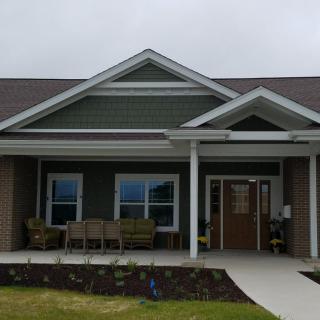
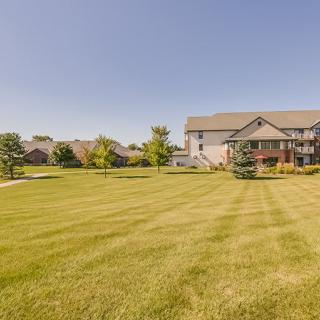
Azura Memory Care Of Oak Creek II

Information last verified:

8774 South Mayhew Drive, Oak Creek, WI 53154

For more information about senior living options: (844) 490-3973

4.1 from 66 reviews
5 stars
48
4 stars
3
3 stars
0
2 stars
1
1 stars
14

Seniors.FYI Elite Community Awards

Top 5% Senior Living Community in 2024

Add this award to your website

Overall Review of Azura Memory Care Of Oak Creek II

Pros

  • pro The staff at Azura Memory Care in Oak Creek is exceptional, treating residents with dignity and respect.
  • pro They show empathy and genuine care for each individual, which is touching.
  • pro The caregivers provide excellent, loving care and give individual attention to residents.
  • pro Regan, the Director of Nursing, is amazing, easy to talk to, and truly cares about residents, their families, and the staff.
  • pro The team is caring and communicative, keeping families informed with updates and photos.
  • pro The activities staff create engaging experiences that help residents stay active and feel at home.
  • pro The facility is clean, welcoming, and feels like a comfortable home for residents and families.

Cons

  • pro Azura Oak Creek is described by some reviewers as a joke with terrible management and neglectful staff who focus on TikTok videos instead of residents’ care.
  • pro The facility is called terrible and not clean, with bed sheets and pillow covers not being changed.
  • pro The ED is depicted as rude and unprofessional, with poor interaction with residents and staff turnover blamed on ED leadership.
  • pro Residents are left unattended due to severe understaffing, with issues like a puddle of urine and insufficient supplies for cleanliness.
  • pro Staff are accused of yelling, rolling their eyes, and using vulgar language toward residents and family members.
  • pro Management is criticized for lack of training, poor communication, and failing to follow through on promises or the sales pitch.
  • pro There are claims that there is no true open-door policy, with responses to questions or concerns delayed or never returned.
  • pro Some reviewers allege neglect or inadequate assistance, including residents not being helped to the restroom and being left sitting in urine.

Review

Azura Memory Care of Oak Creek II is best suited for families seeking a warm, home-like memory-care environment where dementia-focused care is delivered with genuine warmth, daily engagement, and clear family communication. It works well for residents who benefit from a lively activities calendar, regular personal updates, and a care philosophy built around dignity and personalized attention. The community tends to attract families prioritizing relational caregiving, consistent staff availability, and a sense that staff treat residents as family members. Those whose priority is an entirely flawless front-facing management experience, with perfectly predictable daily operations and zero staffing fluctuations, may be better served elsewhere.

Alternatives are worth considering for families who need ironclad governance, an open-door policy with consistent leadership, or a staffing model that minimizes variability. Several reviews highlight tension around leadership and responsiveness, including instances of perceived neglect or delays in communication. If a prospective resident requires relentless, near-immediate attention from administrators or a proven, uniform approach to daily operations, those expectations may be difficult to reconcile here. For residents who demand a higher level of medical oversight beyond memory-care protocols, or who want a more tightly controlled environment, exploring other options could reduce risk and stress for families.

The strongest positives center on the caregiving core. Staff at Azura Oak Creek II are repeatedly described as compassionate, respectful, and genuinely attentive to residents’ dignity. Families report meaningful interactions, regular updates, and a sense that staff know residents by name and history. The MOSAIC approach to dementia care, emphasizing individualized goals, cognitive engagement, and collaborative planning, helps care teams tailor activities and routines to the resident, not the other way around. The facility gains further strength from leadership that many rely on for guidance and support, along with a robust activity program, engaging outings, and accessible amenities like a walk-in spa and high-quality meals. For families who want visible warmth and proactive engagement, these traits often outweigh rough edges elsewhere.

Yet the cons carry real weight. A subset of reviews points to under-staffing and inconsistent access to managers, with reports of slow responses, door access delays, and in some cases a sense that supervision does not fully match the resident needs at all times. Some families describe maintenance and cleanliness concerns and even isolated incidents of neglect or miscommunication, which understandably shake trust. The divergence among experiences, between a consistently loving, attentive staff and a minority of accounts suggesting improvised care under pressure, creates a risk calculus families must weigh. The gap between individual staff dedication and systemic management performance is the critical fault line.

When the pros are weighed against the cons, the core value proposition remains compelling for the target audience. The care teams’ commitment to dignity, the depth of personal connection, and the MOSAIC framework provide a strong offset to many operational frictions. Regular updates and photo sharing keep families connected, while the engaging activities, compassionate intake of new residents, and supportive hospice experiences demonstrate a capacity to meet complex memory-care needs with sensitivity. Cleanliness, quality meals, and a sense of “home” in the environment also mitigate some concerns about staffing gaps, because residents experience consistent, humane care even on challenging days. In practice, the program’s strengths tend to stabilize and reassure families once the initial move-in period passes.

The bottom-line decision hinges on priorities and verification. For families prioritizing a dementia-focused culture where residents are treated with warmth, activities are meaningful, and communication with families is robust most of the time, Azura Oak Creek II can be a prudent choice. Prospective residents should engage directly with administrators to discuss staffing models, response times, and the facility’s concrete plans to address any current gaps. Inquiries about nurse coverage, caregiver ratios during peak hours, and the open-door policy should be on the table before committing. It is also wise to seek current residents’ families for candid, recent feedback about management responsiveness and any changes since leadership transitions.

In the end,Azura Oak Creek II offers a practical, compassionate home for many. It shines when staff engagement is consistent, when the MOSAIC care philosophy is actively demonstrated in daily routines, and when families value ongoing connection and visible affection from caregivers. It warrants consideration for those who want a strong social and emotional environment for memory-impaired loved ones, where quality interaction and personalized activity programming can meaningfully enrich daily life. However, for families where unwavering leadership consistency and absolute immediacy of administrative responsiveness are non-negotiable, it remains essential to examine current staffing plans, tour with a critical eye, and weigh alternatives that promise more predictable governance and steadier day-to-day operations.

Features

Housing

  • 24 resident community capacity 24 resident community capacity

Types of Care

  • Assisted Living Assisted LivingAssisted living facilities provide crucial support and care for seniors who may need help with daily tasks such as medication management, bathing, and meal preparation. These communities offer a safe and comfortable environment where seniors can maintain their independence while receiving the assistance they need to thrive in their golden years.

Amenities

  • Beauty salon Beauty salonBeauty salons are important for seniors because they provide a space for them to feel pampered, socialize, and maintain their personal grooming and hygiene. Regular visits to a beauty salon can help boost seniors' self-esteem and overall well-being.
  • Cable or satellite TV Cable or satellite TVCable or satellite TV is important for seniors because it provides entertainment, news, and companionship, helping to combat loneliness and boredom. It also offers a wide range of programming options tailored to different interests and preferences.
  • Dining room Dining roomDining rooms are important for seniors as they provide a space for socialization, connection, and nutritious meals. They offer opportunities for residents to bond over shared meals, foster a sense of community, and promote healthy eating habits. Dining rooms also ensure that seniors have access to well-balanced meals tailored to their dietary needs and preferences.
  • Fully furnished Fully furnishedFully furnished senior living communities are important for seniors because they provide convenience, comfort, and a hassle-free moving experience. Seniors can easily settle into their new living space without the stress of having to buy and move furniture. This allows them to focus on enjoying their new home and community.
  • Garden GardenGardens are important for seniors as they provide a peaceful and therapeutic environment for relaxation, physical activity, and socialization. Being in nature has been shown to reduce stress, improve mood, and promote overall well-being. Gardens also offer opportunities for seniors to engage in gardening activities, which can improve mobility, flexibility, and cognitive function. Additionally, gardens create a sense of community and connection with others who share a passion for plants and outdoor spaces.
  • Housekeeping services Housekeeping servicesHousekeeping services are important for seniors because they help maintain a clean and safe living environment, promote independence, and reduce the risk of accidents or illnesses. Additionally, having assistance with household chores can alleviate physical strain and allow seniors to focus on other aspects of their well-being.
  • Kitchenette KitchenetteKitchenettes are important for seniors living in senior living communities because they provide the convenience and independence of being able to prepare simple meals and snacks in the comfort of their own living space. This can help promote a sense of autonomy and well-being for seniors, allowing them to maintain some level of control over their dietary choices and daily routines.
  • Move-in coordination Move-in coordinationMove-in coordination is important for seniors because it helps ease the transition into their new living environment. It ensures that all logistics, such as packing, organizing movers, and setting up utilities are taken care of, allowing seniors to focus on settling in and adjusting to their new home. Having a smooth move-in process can alleviate stress and anxiety, making the transition smoother and more enjoyable for seniors.
  • Outdoor space Outdoor spaceOutdoor spaces are important for seniors as they provide opportunities for physical activity, social interaction, exposure to natural light and fresh air, and a sense of connection to nature. Having access to outdoor spaces can improve overall well-being and quality of life for older adults living in senior communities.
  • Restaurant-style dining Restaurant-style diningRestaurant-style dining is important for seniors because it allows them to enjoy delicious, nutritious meals in a social and upscale setting. This enhances their dining experience, promotes healthy eating habits, and fosters socialization with fellow residents, ultimately contributing to their overall well-being and quality of life.
  • Small library Small librarySmall libraries are important for seniors as they provide access to a variety of reading materials, including books, newspapers, and magazines. This can help stimulate their minds, keep them engaged, and provide a sense of community through book clubs and other social activities. Additionally, reading has been shown to improve cognitive function and overall mental well-being in older adults.
  • Telephone TelephoneTelephones are important for seniors as they provide a lifeline for communication with loved ones, emergency services, and healthcare providers. They offer a sense of security and independence, enabling seniors to stay connected and access assistance when needed.
  • Wi-Fi/high-speed internet available Wi-Fi/high-speed internet availableWi-Fi/high-speed internet is important for seniors to stay connected with loved ones, access online resources, and participate in virtual activities to combat feelings of loneliness and isolation. It also allows them to easily manage healthcare needs, access entertainment, and engage in lifelong learning opportunities.

Transportation

  • General Mitchell International (4 miles away) General Mitchell International (4 miles away)

Care Services

  • 24-hour call system 24-hour call system24-hour call systems are important for seniors because they provide peace of mind and immediate assistance in case of emergencies. This technology ensures that help is always available, promoting safety and security for elderly individuals living alone or in assisted living facilities.
  • 24-hour supervision 24-hour supervision24-hour supervision is important for seniors to ensure their safety, well-being, and access to immediate assistance in case of emergencies or health issues. This constant support provides peace of mind for both seniors and their loved ones, allowing them to age in place with dignity and security.
  • Activities of daily living assistance Activities of daily living assistanceActivities of daily living assistance are important for seniors because they provide essential support with tasks such as eating, bathing, dressing, and mobility. This assistance helps seniors maintain their independence, dignity, and overall quality of life as they age.
  • Assistance with bathing Assistance with bathingAssistance with bathing is crucial for seniors as it helps maintain personal hygiene, prevents infections, and ensures their overall well-being and comfort. It also provides a sense of dignity and independence for seniors who may struggle with this task on their own.
  • Assistance with dressing Assistance with dressingAssistance with dressing is important for seniors because it helps maintain their independence, promotes personal hygiene, prevents accidents and injuries, and improves overall quality of life. This service ensures that seniors can continue to dress comfortably and confidently, despite any physical limitations they may have.
  • Assistance with transfers Assistance with transfersAssistance with transfers is crucial for seniors as it helps prevent falls and injuries, maintains their independence, and ensures they can safely navigate their living environment. It also provides peace of mind for both seniors and their loved ones.
  • Diabetes diet Diabetes dietA diabetes diet is crucial for seniors as it helps manage blood sugar levels, reduce risks of complications, and improve overall health and well-being. By following a balanced and nutritious diet tailored to their specific needs, seniors can better control their diabetes and enhance their quality of life.
  • Meal preparation and service Meal preparation and serviceMeal preparation and service are crucial for seniors as they may have limited mobility or energy to cook nutritious meals. Having access to healthy and convenient food options can ensure they are getting the proper nutrition needed to maintain their overall health and well-being.
  • Medication management Medication managementMedication management is crucial for seniors to ensure they are taking the right medications at the correct dosages and times. This helps prevent adverse drug interactions, reduces the risk of medication errors, and promotes overall health and well-being. Proactive management also allows for adjustments as needed based on changing health conditions or new prescriptions.
  • Mental wellness program Mental wellness programMental wellness programs are essential for seniors as they promote cognitive stimulation, emotional support, and social engagement. These programs help prevent isolation, depression, and cognitive decline, ultimately enhancing the overall quality of life for older adults.
  • Special dietary restrictions Special dietary restrictionsSpecial dietary restrictions are important for seniors because age-related changes in metabolism and health conditions can make it difficult for their bodies to process certain foods. By following a diet tailored to their specific needs, seniors can maintain their overall health and well-being, manage chronic conditions, and reduce the risk of complications such as malnutrition or food interactions with medications.

Dining

  • Diabetes diet Diabetes dietA diabetes diet is crucial for seniors as it helps manage blood sugar levels, reduce risks of complications, and improve overall health and well-being. By following a balanced and nutritious diet tailored to their specific needs, seniors can better control their diabetes and enhance their quality of life.
  • Special dietary restrictions Special dietary restrictionsSpecial dietary restrictions are important for seniors because age-related changes in metabolism and health conditions can make it difficult for their bodies to process certain foods. By following a diet tailored to their specific needs, seniors can maintain their overall health and well-being, manage chronic conditions, and reduce the risk of complications such as malnutrition or food interactions with medications.

Activities

  • Community-sponsored activities Community-sponsored activitiesCommunity-sponsored activities are important for seniors as they provide opportunities for social interaction, mental stimulation, and physical activity. These activities can help improve overall well-being, combat loneliness and isolation, and promote a sense of belonging and purpose among older adults.
  • Resident-run activities Resident-run activitiesResident-run activities are important for seniors as they encourage social interaction, creativity, and a sense of autonomy. These activities empower seniors to stay engaged and active in their community while fostering meaningful connections with their peers.
  • Scheduled daily activities Scheduled daily activitiesScheduled daily activities are important for seniors because they provide structure, socialization, mental stimulation, and physical activity. Engaging in regular activities can improve overall well-being and quality of life for seniors living in a community setting.

Description

Azura Memory Care Of Oak Creek II is an assisted living community located in the peaceful neighborhood of Oak Creek, WI. Our community offers a range of amenities to ensure the comfort and convenience of our residents. Each apartment is fully furnished, complete with cable or satellite TV and Wi-Fi/high-speed internet access. Residents can enjoy delicious meals in our restaurant-style dining room or choose to cook their own meals in their personal kitchenette.

Our caring staff is available 24/7 to provide assistance with activities of daily living, including bathing, dressing, and transfers. We also offer specialized care for those with diabetes, ensuring they receive a proper diet and medication management. Mental wellness programs are provided to support the emotional well-being of our residents.

At Azura Memory Care Of Oak Creek II, we believe in maintaining an active and engaging lifestyle for our residents. Our community features beautiful outdoor spaces where residents can relax and enjoy the fresh air. In addition, there is a small library and scheduled daily activities that are resident-run, providing opportunities for social interaction and intellectual stimulation.

We understand the importance of accessibility to essential services. With numerous parks, pharmacies, physicians, restaurants, transportation options, places of worship, theaters, and hospitals nearby, our residents have easy access to all necessary amenities.

At Azura Memory Care Of Oak Creek II, we strive to create a nurturing environment where individuals can age with dignity and receive personalized care tailored to their specific needs.

Nearby Places of Interest

Pharmacies

  • Pick 'n Save Pharmacy (0.1 miles)
  • Walgreens (0.9 miles)
  • Meijer Pharmacy (1.1 miles)
  • Walgreens (2.4 miles)
  • Walgreens (2.5 miles)
  • Walgreens (3.8 miles)
  • CVS Pharmacy (4.4 miles)

Restaurants

  • McDonald's (0.2 miles)
  • Chick-Fil-A (1.1 miles)
  • Culver's (1.2 miles)
  • McDonald's (1.5 miles)
  • Oscar's Frozen Custard (3.1 miles)
  • Culver's (3.3 miles)
  • Milwaukee Burger Company (3.7 miles)

Physicians

  • Aurora Health Care (0.9 miles)
  • Innovative Pain Care (3.2 miles)
  • Rheumatology & Immunotherapy (3.3 miles)
  • Greendale Health Center (5.5 miles)
  • Layton Avenue Dermatolgy Clinic (5.6 miles)
  • Sports Medicine & Orthopedic Center (5.6 miles)
  • Southeastern Pediatrics & Adolescent Medicine (7.1 miles)

Hospitals

  • Froedert Drexel Square Clinic (1.3 miles)
  • Aurora St Luke's South Shore (4.6 miles)
  • Aurora St Luke's Medical Center (7.6 miles)
  • Surgicenter - Children's Wisconsin (9.7 miles)

Theaters

  • South Shore Cinema Oak Creek, Wi (2.4 miles)

Places of Worship

  • St Stephen's Catholic Church (2.4 miles)

Parks

  • Runway Dog Exercise Area (2.5 miles)
  • Humboldt Park (7.3 miles)
  • South Shore Park (7.6 miles)
  • West Allis West Milwaukee Recr (9.1 miles)
  • Schmidt Park (9.1 miles)
  • Paliafito Park (9.5 miles)

Transportation

  • Delta Ticket Counter (4.4 miles)
  • Concourse D (4.4 miles)
  • Milwaukee Mitchell International Airport (MKE) (4.4 miles)
  • MKE Runway (4.4 miles)
  • Security Checkpoint (4.4 miles)
  • Concourse C (4.5 miles)

Cafes

  • Hawthorne Coffee Roasters (5.8 miles)
  • Starbucks (7.3 miles)
  • Starbucks (7.4 miles)
  • Starbucks (8 miles)
  • Colectivo Coffee (8.1 miles)

Frequently Asked Questions

Where is Azura Memory Care Of Oak Creek II?

Nearby Communities

  • Azura Memory Care Of Oak Creek

    Azura Memory Care Of Oak Creek

    Oak Creek, WI

    4 from 65 reviews
     

    pro 24/7 personalized care with engaging activities.

  • The Centennial

    The Centennial

    Oak Creek, WI

    4 from 10 reviews
    $753 to $903 / month

    pro Vibrant social life with frequent on-site activities and community events.

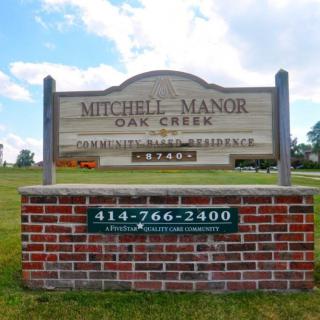
  • Mitchell Manor Oak Creek

    Mitchell Manor Oak Creek

    Oak Creek, WI


    pro Specialized memory care with 24/7 supervision and cognitive wellness programs.

  • Meadowmere And Mitchell Manor Oak Creek

    Meadowmere And Mitchell Manor Oak Creek

    Oak Creek, WI

    4.4 from 80 reviews
     

    pro Caring staff with strong transitions and engaging activities; bright, well-maintained amenities.

  • Manorpointe Apartments

    Manorpointe Apartments

    Oak Creek, WI


    pro Fully furnished apartments with 24/7 supervision, medication management, and engaging activities.

  • Oak Park Place - Oak Creek

    Oak Park Place - Oak Creek

    Oak Creek, WI

    4.1 from 71 reviews
    $4,600 to $6,400 / month

    pro Friendly, responsive staff with engaging activities in a clean, well-kept setting.

  • Azura Memory Care of Oak Creek

    Azura Memory Care of Oak Creek

    Oak Creek, WI

    4.4 from 120 reviews
    $6,740 / month

    pro Compassionate staff in a warm, small, home-like setting with engaging activities.

  • Meadowmere Oak Creek

    Meadowmere Oak Creek

    Oak Creek, WI

    4.5 from 75 reviews
    $1,950 to $5,155 / month

    pro Engaging activities and caring staff.

  • Cornerstone of Oak Creek

    Cornerstone of Oak Creek

    Oak Creek, WI

    3.9 from 56 reviews
    $4,530 / month

    pro Friendly, attentive staff; clean, inviting facility; engaging activities.

Related Resources

  • when to move from assisted living to memory careWhen to Transition from Assisted Living to Memory Care: Key Indicators, Steps, and Finding the Right Community

    Transitioning from assisted living to memory care is driven by an individual's cognitive decline and specific needs, requiring careful evaluation of indicators like increased confusion and wandering. The process involves consulting medical professionals, researching suitable communities, considering financial and legal aspects, and ensuring effective communication for personalized care plans.

  • assisted living vs memory careAssisted Living and Memory Care: Understanding Their Core Differences

    Assisted living provides moderate support for seniors seeking independence, while memory care offers specialized support for individuals with dementia or cognitive impairments through structured routines and trained staff. Key differences include care approaches, environment security measures, staff training levels, activity types, and cost considerations.

  • assisted living activitiesBeyond the Bingo Hall: 50+ Enriching Activities for Seniors in Assisted Living

    Assisted living communities offer diverse activities beyond traditional games to enhance seniors' physical health, cognitive well-being, emotional enrichment, and social connections, including fitness classes, creative expression, and intergenerational interactions. These enriching programs foster community bonds and support residents' independence and happiness.