
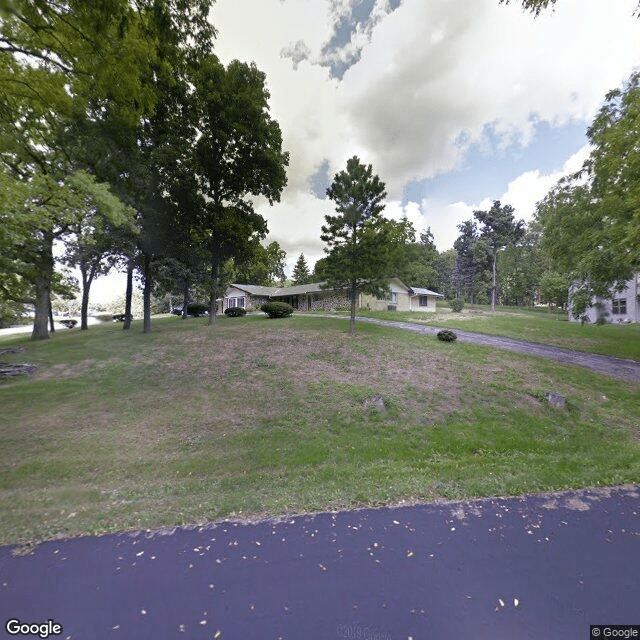
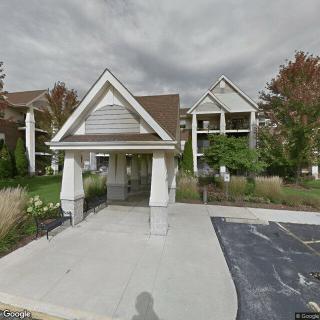
21530 West Lochleven Lane, New Berlin, WI 53146
For more information about senior living options: (866) 208-4318
Margarets Place Costs & Pricing
Margaret's Place offers a competitive monthly rate for private rooms at $3,400, which is significantly lower than the average costs found in Waukesha County at $4,205 and across the state of Wisconsin at $4,339. This pricing positions Margaret's Place as an attractive option for individuals seeking quality care without the financial strain often associated with similar facilities. By maintaining a more affordable cost structure while ensuring a high standard of service, Margaret's Place demonstrates its commitment to providing accessible and compassionate care to its residents.
| Floor plans | Margarets Place | Waukesha County | Wisconsin |
|---|---|---|---|
| Private | $3,400 | $4,205 | $4,339 |
Assisted Living communities with a similar price nearby
-
About the same

Dolphin Manor
$3,500 / month14.8 miles away -
from -$600 / mo
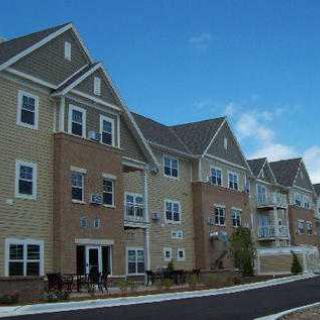
Deerwood Crossing Senior Residence
$2,800 to $3,200 / month18.8 miles away -
About the same

Open Arms 20 III
$3,500 to $4,000 / month22.7 miles away -
from -$331 / mo
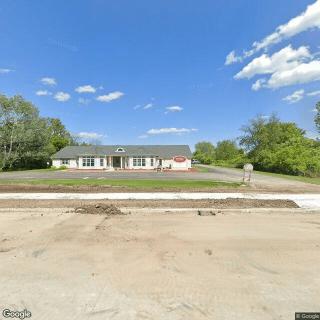
Matthews of Oak Creek
$3,069 / month13.0 miles away -
from +$650 / mo
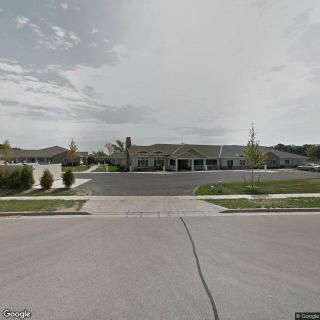
Waterford Senior Living
$4,050 to $5,450 / month12.6 miles away
Overall Review of Margarets Place
Pros
 The facility was well-kept.
- Residents appeared well cared for and content.
Cons
 It is unclear what activities or outings are offered.
- The home will keep residents until the end of life.
Review
Margarets Place in New Berlin is best suited for seniors who want a quiet, home-like setting where care feels personal, predictable, and stable over the long term. With just 12 residents and a layout that includes five bedrooms and three baths, the environment fosters intimate relationships between residents and caregivers. This is a place where routines are likely to be familiar, and the day-to-day experience leans toward consistency rather than hustle. For families prioritizing a calm, family-style atmosphere and end-of-life planning within the same house, Margarets Place offers a compelling fit.
That said, the size also signals clear caveats. The lack of clarity around activities or outings creates a meaningful gap for residents who value robust social programming, regular excursions, or structured enrichment. Small homes can excel in care continuity but may struggle to deliver the breadth of engagement found in larger communities. For families seeking a busy activity calendar, memory-care neighborhoods, or clearly advertised rehabilitation and recreation options, alternatives with defined programming will likely be a better match.
The primary strengths lie in the intimate, well-kept setting and the evident contentment of residents. A small facility tends to deliver higher caregiver visibility, enabling staff to notice subtle health or mood shifts quickly and to tailor daily care with fidelity. The home-like feel often translates into lower noise, fewer transitions, and a sense of security that many seniors and their families value. In terms of risk management and daily oversight, these elements can significantly offset a lack of formal programming for residents who thrive on routine and familiar voices.
The most significant downside remains the uncertain social dimension. Without a clearly articulated activity plan, residents may experience limited opportunities for social interaction, cognitive stimulation, or new experiences. The policy of keeping a resident through end-of-life phases is a clear, practical strength for families seeking continuous care and continuity of staff, but it can feel constraining for those who expect transitions to hospice or hospital care when appropriate or who desire shorter-term stays. In practical terms, Margarets Place appears optimized for long-haul, steady caregiving rather than dynamic, higher-turnover support.
When weighing advantages against drawbacks, the numbers favor comfort, safety, and a low-stress environment over breadth of programming. The intimate care model supports attentive daily living tasks and prompt responses, which matters deeply for seniors needing consistent supervision and gentle routines. For residents who prize a peaceful, predictable home setting and are comfortable with less emphasis on planned activities, these positives can outweigh the potential for social stagnation. The decision hinges on whether the priority is a serene, home-like life or a more vigorous social and activity schedule.
Practical next steps should focus on due diligence before committing. Arrange a visit to observe daily rhythms, ask for specifics on staff-to-resident ratios, and probe how end-of-life care is coordinated with hospice and hospital services. Request a look at mealtime and quiet/social moments to gauge actual engagement and satisfaction levels. Given the single-review basis, additional references are essential, speak with current families, verify care capabilities, and confirm that the environment aligns with the residentā€™s goals. If these checks confirm compatibility, Margarets Place can deliver a serene, intimate alternative for seniors who thrive on stability, familiar routines, and a true home atmosphere.
 4 resident community capacity
 Assisted Living
 Board and Care Home
 Cable or satellite TV
 Dining room
 Fully furnished
 Garden
 Housekeeping services
 Move-in coordination
 Outdoor space
 Private
 Respite or short term stays offered
 Telephone
 Wi-Fi/high-speed internet available
 General Mitchell International (14 miles away)
 24-hour supervision
 Activities of daily living assistance
 Ambulatory care
 Assistance with bathing
 Assistance with dressing
 Assistance with transfers
 Diabetes diet
 Diabetic care
 Meal preparation and service
 Medication management
 Special dietary restrictions
 Transportation arrangement (medical)
 Transportation to doctors appointments

 Comprehensive Residential Support and Assisted Living Solutions for Individuals with Disabilities
 Comprehensive Supportive Living Arrangements for Adults with Disabilities
 Funding and Affording Assisted Living: A Thorough Overview