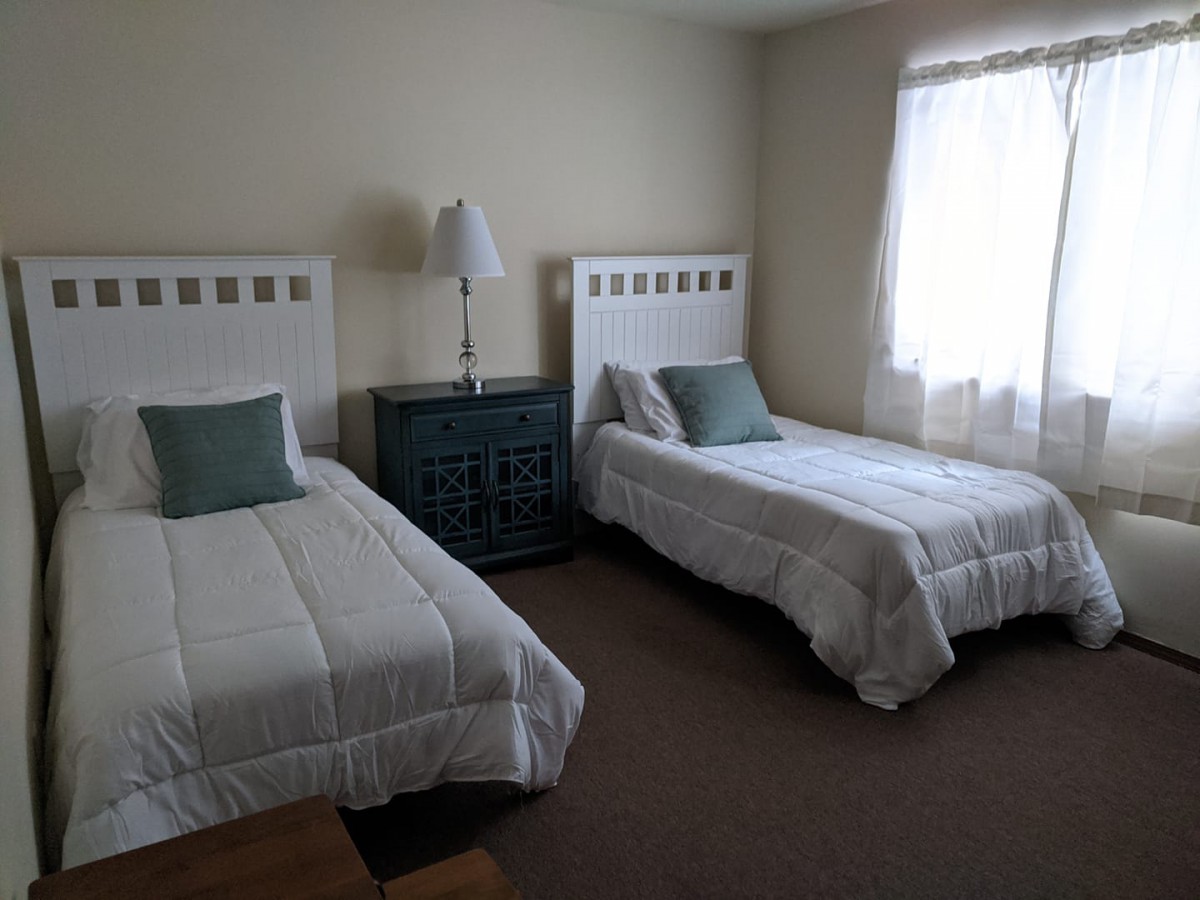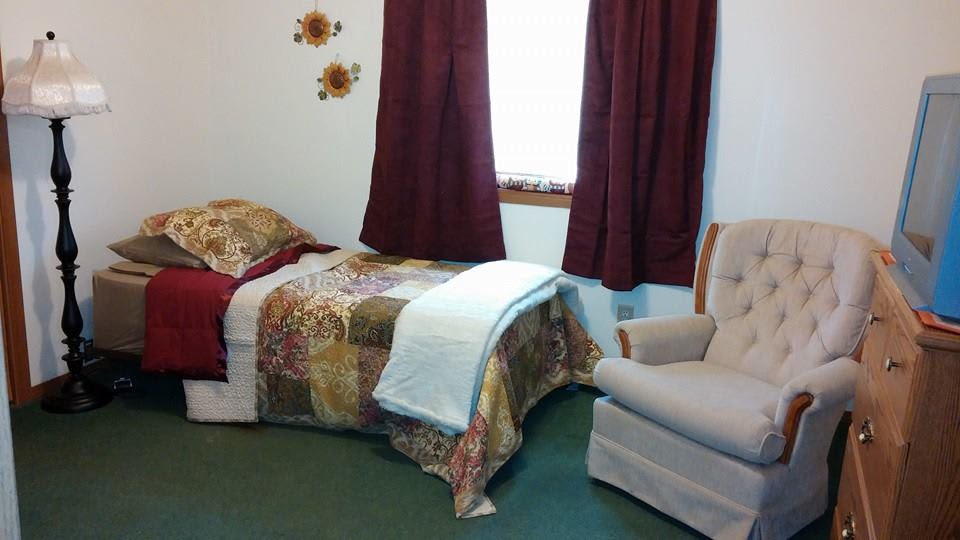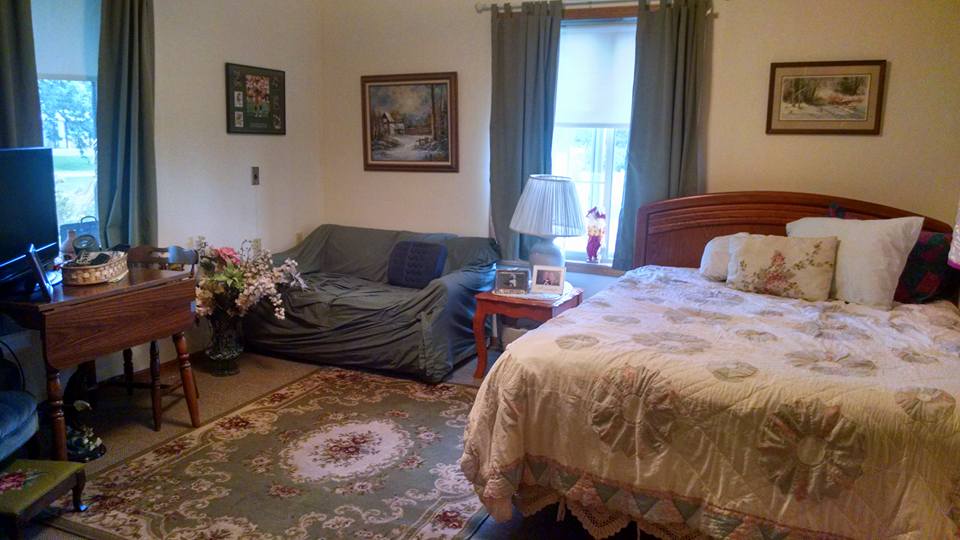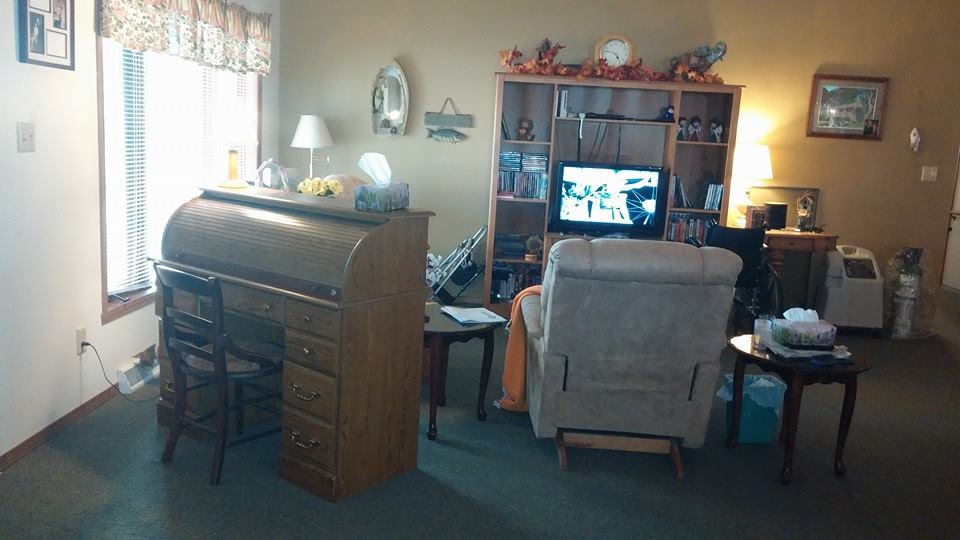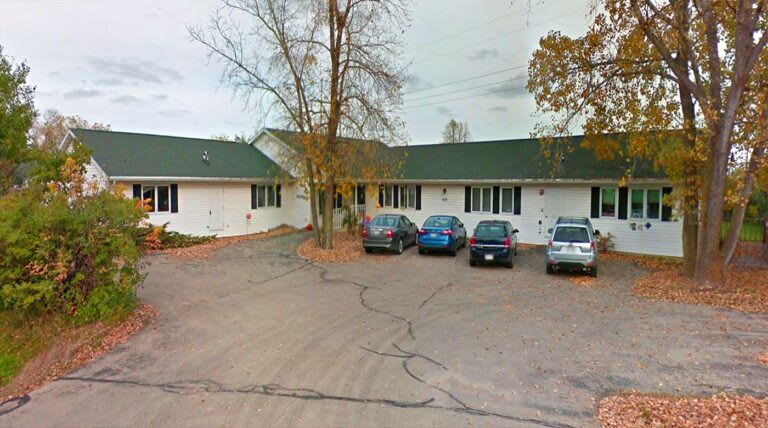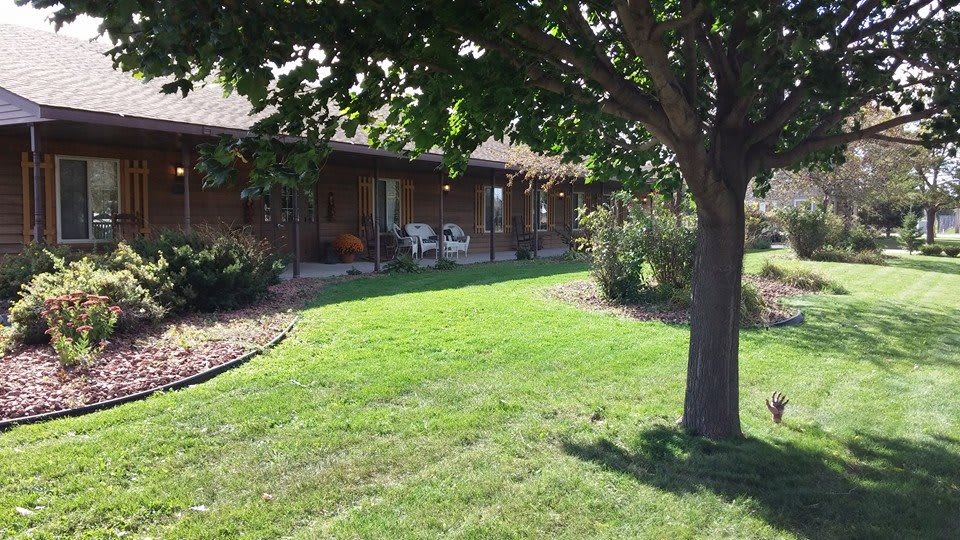
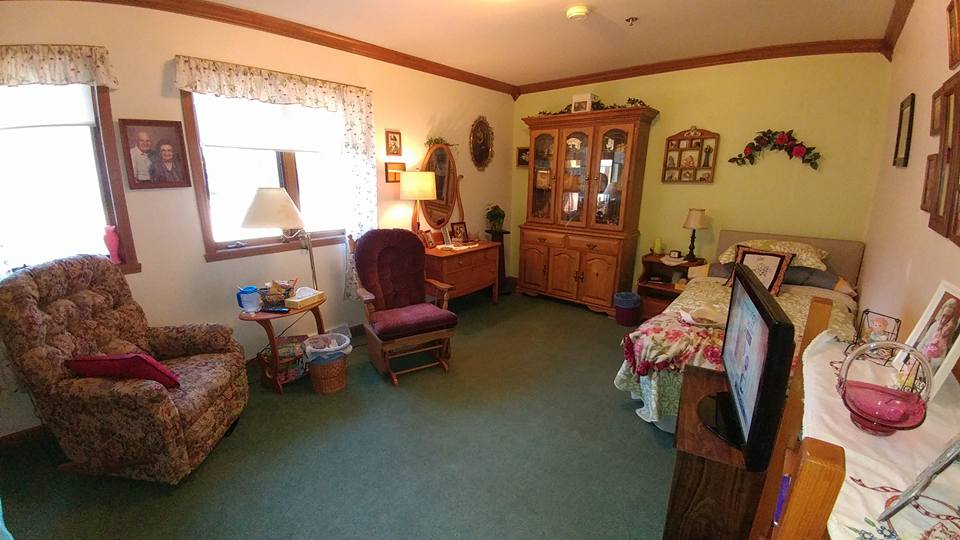
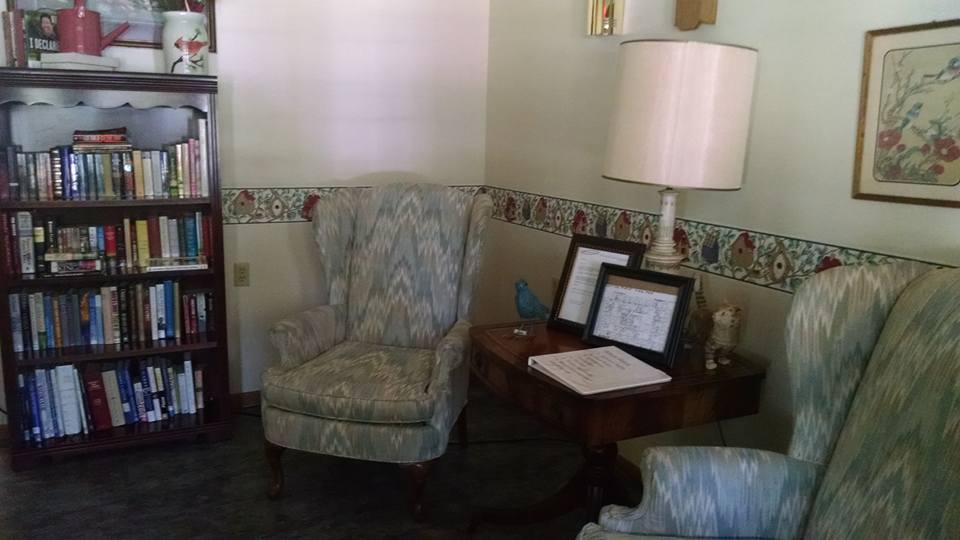
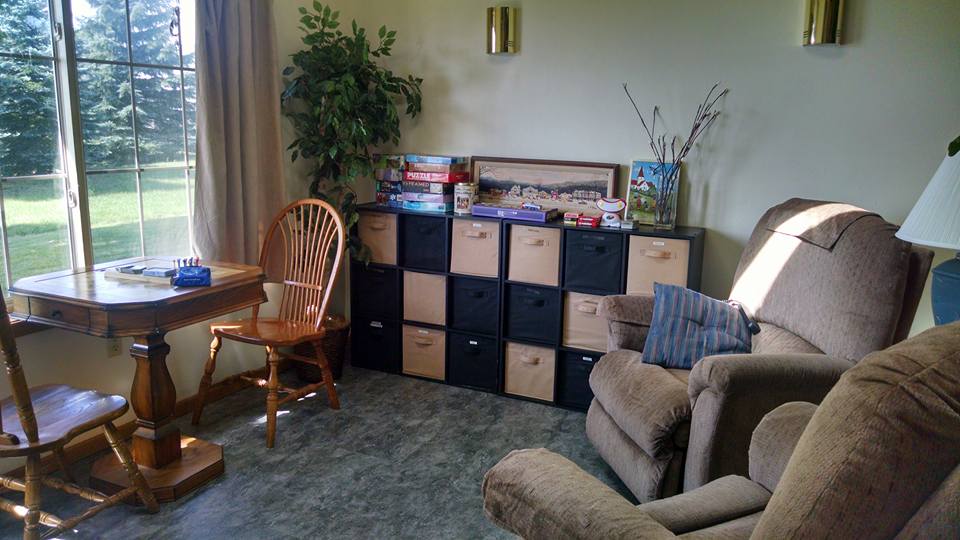
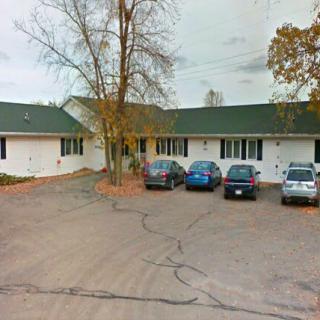
625 Bondow Drive, Neenah, WI 54956
To contact a resident: (920) 470-9040
For more information about senior living options: (866) 208-4318
Alten Haus Costs & Pricing
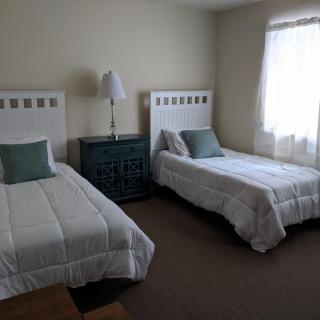
Alten Haus offers competitive pricing for its residents, with semi-private rooms priced at $3,800 per month. This rate is slightly higher than the average within Winnebago County, which stands at $3,771, yet remains lower than the broader state average of $3,977 for similar accommodations. For those seeking more privacy, the studio apartments at Alten Haus are available for $4,500 monthly. While this price exceeds both the county's average of $3,905 and Wisconsin's overall average of $3,999, it reflects the unique offerings and quality of care that Alten Haus provides. These figures suggest that while Alten Haus positions itself at a premium in certain aspects, it also delivers value through its dedicated services and community environment.
| Floor plans | Alten Haus | Winnebago County | Wisconsin |
|---|---|---|---|
| Semi-Private | $3,800 | $3,771 | $3,977 |
| Studio | $4,500 | $3,905 | $3,999 |
Assisted Living communities with a similar price nearby
-
from +$200 / mo
Century Oaks Assisted Living
$4,000 to $4,600 / month9.7 miles away -
from +$479 / mo
CopperStone Assisted Living
$4,279 to $5,562 / month1.4 miles away -
from +$600 / mo
Heartwood Homes Senior Living
$4,400 / month6.3 miles away -
from -$511 / mo

Living Tree Estates
$3,289 to $3,789 / month8.1 miles away -
About the same
Oakwood Manor
$3,725 to $4,075 / month12.6 miles away
Overall Review of Alten Haus
Pros
 The staff are great caregivers.
- Residents seem to like it there.
- There are great people and great caregivers there.
Cons
 They would never recommend this place to anyone.
- All three houses smell bad and are filthy.
- When things break, repairs take months, even when safety is at risk.
- They do not accommodate "special diets."
- They will double up on rooms if they can.
- Owners make "promises" to residents knowing they won't follow through.
- The place is horrible and no one should subject their family to it.
- It wasn't well maintained.
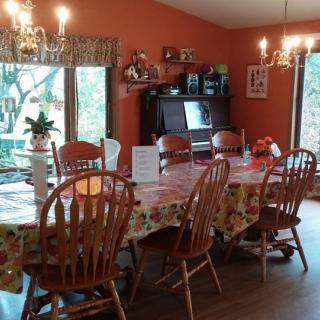
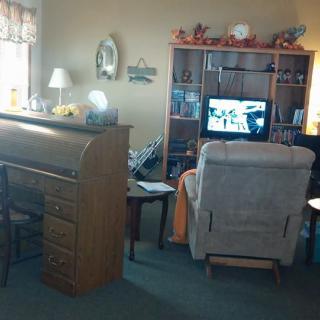
- It was outdated and messy.
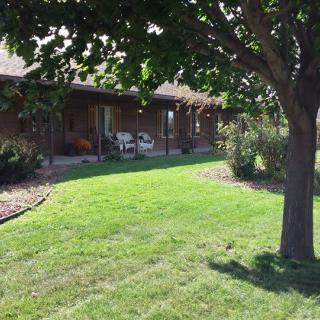
- The patio had very little safe room to stand and smoke, and the ashtray was overflowing.
- It is in need of a lot of TLC and needs to be cleaned up.
Review
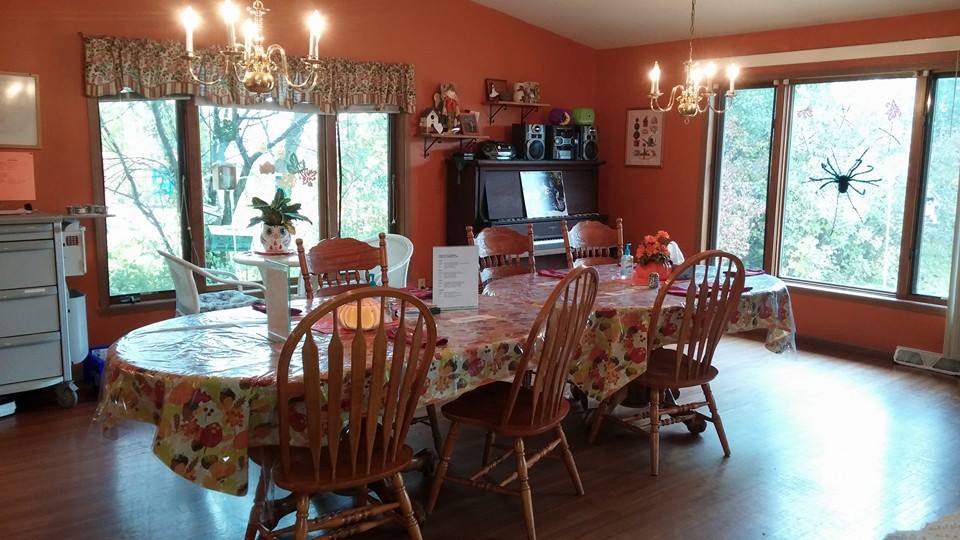
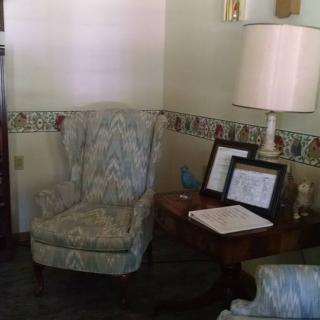
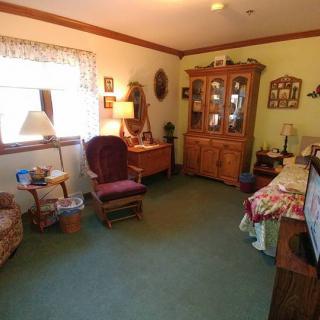
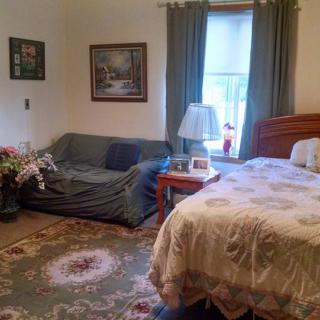
Alten Haus in Neenah, WI is best suited for residents who can tolerate ongoing upkeep challenges and who rely on vigilant family oversight to safeguard daily care. The available reviews point to a facility where cleanliness, maintenance, and safety are not consistently addressed, making it a questionable fit for anyone expecting reliable, well-maintained surroundings or a consistently responsive management team. In practice, this community should only be considered by families prepared to supervise and advocate closely, accepting that significant issues may arise that require frequent intervention.
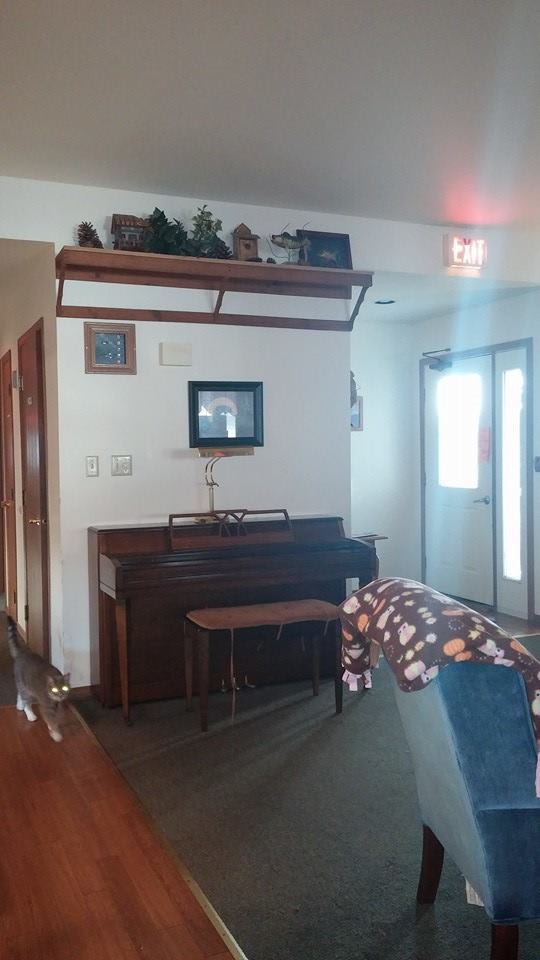
Those who should seriously consider alternatives are families prioritizing hygiene, safety, and predictable service. The strongest red flags are pervasive odors and filth, slow or stalled repairs, and outdated, cluttered common areas that compromise safe movement and a respectful living environment. The facility appears to be subsisting on a minimal, reactive maintenance model rather than a proactive upkeep program. Prospective residents who require structured dietary accommodations should know that this facility is reported to be unreliant in meeting special dietary needs, which is a meaningful deficit for individuals with particular nutrition plans or medical diets.
In weighing the limited positives against the major drawbacks, the only notable strength appears to be the presence of caregivers who are described as genuine and capable. That relational quality matters in daily care, yet it does not compensate for systemic issues rooted in cleanliness, upkeep, and safety. The most significant con, frequent maintenance delays and an environment that feels neglected, undercuts any potential benefit from compassionate staff. The practice of potentially doubling up rooms signals resource strain and can erode resident comfort and privacy, further widening the gap between what families expect and what the community delivers.
The maintenance and safety concerns carry tangible risks for residents, including clutter and precarious outdoor spaces, limited safe areas for activities, and a general sense that repairs are treated as afterthoughts rather than urgent needs. Such conditions translate into a diminished quality of life and elevated risk for accidents, particularly for residents with mobility challenges or cognitive impairment. Any tour or inquiry should probe not only what is promised but how quickly issues are resolved, how safety is monitored daily, and what the facility’s plan is to restore and maintain a clean, orderly environment. Without concrete, verifiable improvements, the risk-reward calculation heavily weighs toward alternatives.
For families evaluating options, implement a structured due-diligence approach. Ask for recent maintenance logs and response times, inspection and remediation records, and a transparent dietary accommodation policy with examples. Observe floor plans and common areas for signs of clutter, odors, and upkeep. Inquire about staff turnover, caregiver training, and supervisory oversight to gauge sustainability of care. Compare against nearby communities with reputations for clean facilities, timely repairs, and clearer commitments to resident well-being. The bottom line is clear: Alten Haus is not a reliable baseline for quality care, and families should prioritize alternatives that demonstrably prioritize cleanliness, safety, and consistent, proactive service. If no better option is available, approach with firm expectations, documented agreements, and a plan for ongoing oversight to mitigate the substantial risks identified.
 Assisted Living
 Activities off-site
 Bath tubs
 Beautician on-site
 Devotional services off-site
 Indoor common areas
 Outdoor common areas
 Respite or short term stays offered
 Wheelchair accessible showers
 Outagamie County Regional (4 miles away)
 Ambulatory care
 Diabetic care
 Incontinence care
 Meals provided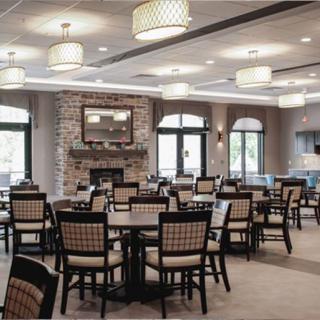

 When to Transition from Assisted Living to Memory Care: Key Indicators, Steps, and Finding the Right Community
 Assisted Living and Memory Care: Understanding Their Core Differences
 Beyond the Bingo Hall: 50+ Enriching Activities for Seniors in Assisted Living