
1091 Jacobsen Road, Neenah, WI 54956
For more information about senior living options: (866) 208-4318
Overall Review of Alten Haus Traditions
Pros
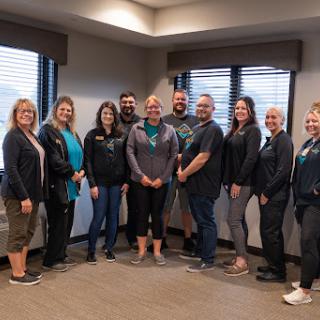
 The staff truly go above and beyond to make residents feel cared for and valued.
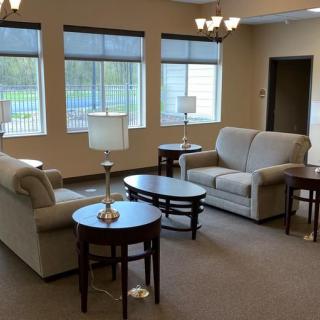
- The environment is clean, welcoming, and filled with kindness.
- The caregivers are patient, compassionate, and attentive, treating residents like family.
- The activities are engaging and help everyone stay active and social.
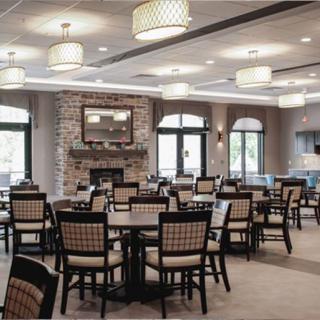
- Meals are delicious and balanced, and the facility feels more like a community than a care home.
- The staff are friendly and the facilities are clean, dedicated to making residents feel at home.
- The facility is a great, family-owned and operated assisted living.
- The place feels like living at home with help, with regular outings, friendly staff, and lots to do.
Cons
 They described the facility as terrible and unsanitary, feeling used despite the family-like impression.
- They reported that staff could be inconsiderate and unresponsive, sometimes hanging up on callers with simple questions.
- They alleged a staff member stole their DoorDash food and slammed the door in their face when money was demanded back.
- They criticized the place for minimum living conditions and bad food, noting staff could be very inconsiderate.
- They quoted a resident who reportedly said that one of the staff should be run over if there was a question.
Review
Alten Haus Traditions in Neenah is best suited for families seeking a warm, home-like assisted living environment where staff engagement feels personal, conversations with residents feel meaningful, and daily life includes plentiful social opportunities. This community thrives when care is personalized and staff genuinely connect with residents, making it a strong fit for those who value a family-owned, small-community atmosphere over corporate polish. It is less ideal for families Prioritying rigid, uniform standards, or for residents who require a higher level of medical oversight or consistently flawless sanitation and operations.
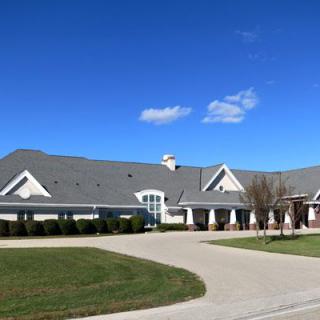
The strongest selling points center on people-first care. The staff are described as patient, compassionate, and attentive, with many accounts of caregivers treating residents like family and going the extra mile to honor individual wishes. The environment is frequently cited as clean and welcoming, and the activity calendar is robust, with outings and programs designed to keep residents engaged and socially connected. Home-style meals and a sense of community dominate the positive testimonials, along with the perception that ownership, whether family-owned or locally operated, provides a level of accountability and personal touch that families appreciate.
But the experience is not uniformly positive, and the downsides are not trivial. A subset of reviews paints a starkly different picture: claims of unsanitary conditions, inconsistent staff responsiveness, and some interactions that feel dismissive or uncaring. There are allegations of basic courtesy lapses, rudeness or a quick disconnect when questions arise, and even more troubling remarks about privacy and conduct that, if accurate, strike at the core of trust in daily care. In addition, a few residents report subpar conditions and meals, suggesting that not all shifts or teams deliver the same standard of living. The spread in experiences signals real variability within the same building.
How the positives can offset the negatives depends on what families value most. For those who prioritize heartfelt, one-on-one attention and a culture that treats residents like extended family, the favorable aspects, compassionate staff, a home-like vibe, and a rich activity slate, can go a long way toward delivering quality of life. When leadership is responsive and turnover is managed well, the benefits of a small, resident-centered setting can mitigate occasional lapses in sanitation or service. However, the most troubling reports, unsanitary conditions and inconsistent staff conduct, cannot be dismissed, and they undermine safety, dignity, and trust. In practical terms, this means the decision hinges on whether the family can verify stable operations, consistent cleanliness, and reliable, respectful communication through an in-person tour and candid conversations with multiple staff members.
Families who should consider alternatives are those for whom pristine, predictable operations are non-negotiable. If a resident requires steady, high-level medical oversight beyond assisted living, or if consistent housekeeping, kitchen hygiene, and prompt, courteous communication are critical, it may be prudent to explore other options with stronger governance or larger, more standardized systems. Similarly, those who have experienced or fear persistent staff inconsistency or who want a uniformly polished corporate model may find more reassurance elsewhere. In short, Alten Haus Traditions can be a powerful fit for certain residents and families, but not for everyone.
The bottom line is practical: Alten Haus Traditions offers a compelling, people-centered living experience with genuinely caring staff, meaningful activities, and a homey atmosphere that can enhance daily life. The decision should rest on a clear, disciplined vetting process, tour the facility during different shifts, observe interactions between staff and residents, and ask pointed questions about sanitation practices, incident handling, and emergency responsiveness. Speak with current families about consistency and follow through on commitments. If the family values a close-knit community where staff work hard to honor resident preferences and create a sense of belonging, Alten Haus Traditions deserves close consideration. If cleanliness, uniform quality, and consistently respectful conduct are higher priorities, it is prudent to compare alternatives more aggressively.
 15 resident community capacity
 Assisted Living
 Board and Care Home
 Memory Care
 Cable or satellite TV
 Dining room
 Fully furnished
 Garden
 Housekeeping services
 Move-in coordination
 Outdoor space
 Telephone
 Wi-Fi/high-speed internet available
 Outagamie County Regional (3 miles away)
 24-hour supervision
 Activities of daily living assistance
 Assistance with bathing
 Assistance with dressing
 Assistance with transfers
 Diabetes diet
 Hospice waiver
 Meal preparation and service
 Medication management
 Mental wellness program
 Special dietary restrictions
 Transportation arrangement (medical)
 Transportation to doctors appointments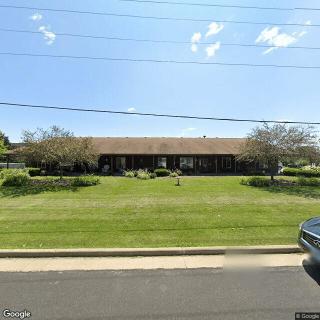


 Understanding Medicaid Coverage for Assisted Living: A Comprehensive Guide
 How and When Medicaid May Cover Assisted Living Costs
 A Detailed Exploration of Assisted Living Medicaid Waivers Across the United States