
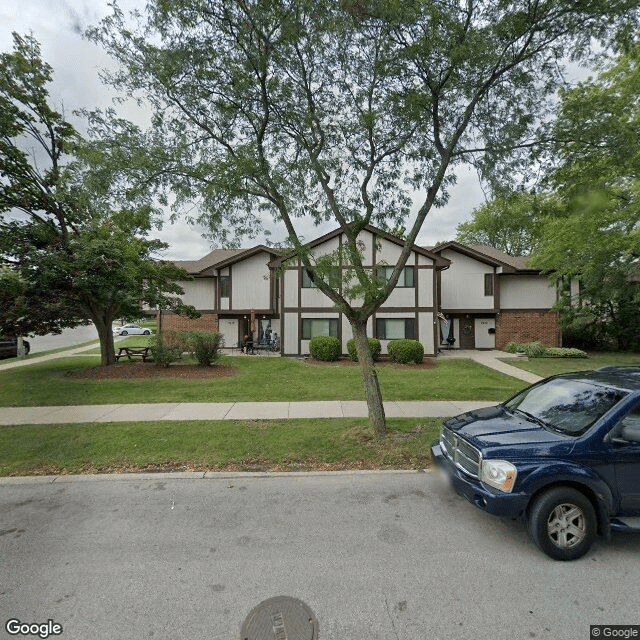
7716 West Wabash Court, Milwaukee, WI 53223
To contact a resident: (414) 771-4595
For more information about senior living options: (866) 208-4318
Wabash Home Costs & Pricing
Wabash Home offers a competitive cost for private room accommodations at $2,675 per month, significantly lower than the averages in both Milwaukee County and the broader state of Wisconsin. In contrast, Milwaukee County lists private room rates at approximately $4,513, while the average across Wisconsin is around $4,339. This substantial difference highlights Wabash Home's commitment to affordability without compromising on quality care, making it an appealing option for individuals seeking supportive living environments in a financially accessible manner.
| Floor plans | Wabash Home | Milwaukee County | Wisconsin |
|---|---|---|---|
| Private | $2,675 | $4,513 | $4,339 |
Assisted Living communities with a similar price nearby
-
from +$425 / mo
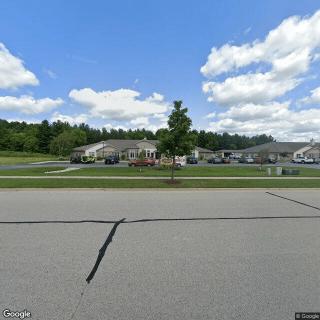
Serenity Villa
$3,100 to $5,500 / month16.3 miles away -
from +$125 / mo
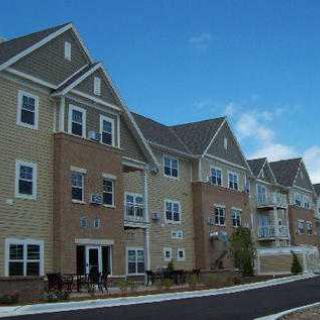
Deerwood Crossing Senior Residence
$2,800 to $3,200 / month2.4 miles away -
from +$415 / mo
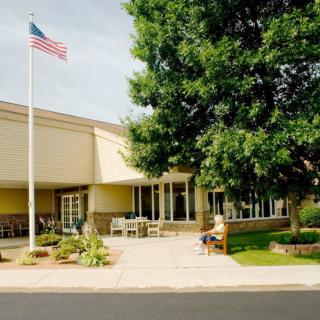
Wellington Place at Hartford
$3,090 to $4,020 / month20.1 miles away -
from +$394 / mo
Matthews of Oak Creek
$3,069 / month18.7 miles away -
from +$355 / mo
The Gardens Of Hartford
$3,030 to $3,420 / month21.6 miles away
Overall Review of Wabash Home
Pros
 It feels like someone's home.
- It's quiet, clean, and smells like actual food cooking.
- The sister felt okay leaving mom there.
- It's not fancy, but it's clean and warm.
- The staff remember residents' birthdays without reminders.
- The staff know every resident by name.
- Residents can sleep through the night knowing they're in a safe place.
Cons
 The staff don’t clean the rooms or bathrooms.
- They steal from the residents.
- The administrators suck.
- They don’t have training dealing with memory care people.
- They don’t have an onsite nurse.
- There aren’t any activities happening.
- They don’t provide transportation to and from doctors’ appointments or anything else.
- The workers don’t respect their job or the residents.
- The owner Kurosh only cares about a check and doesn’t listen to concerns.
- Wabash Home switches staff every month, making it hard to know who’s responsible.
- My grandmother was a victim of theft and there are mice in the building.
- The building was rebuilt after a fire last year, which feels like they’re using it to lure people in.
- It’s not the place for families who want consistent, quality care and regular oversight.
Review
Wabash Home in Milwaukee is best suited for seniors who want a small, home-like living situation where relationships feel personal and attention is hands-on. The strongest appeal lies in a quiet, clean environment that functions more like a residence than a hospital wing, with about 20 residents ensuring that nobody feels lost in the crowd. The aroma of real cooking, the sense that staff remember birthdays, and the presence of caregivers who can be seen chatting with residents in the courtyard all signal a community built on belonging and familiarity. This setting works for families seeking to minimize the clinical feel often associated with larger facilities, while still wanting a safe, supervised place to age in place. It is especially compelling for those who prize daily warmth, simple routines, and the reassurance that a designated staff member is likely to greet a loved one by name each day. For seniors who flourish with a predictable, intimate atmosphere, Wabash Home offers meaningful comfort.
Those weighing this option should explicitly consider alternatives if the top priority includes licensed nursing on site, robust medical oversight, expansive activity programming, or dependable transportation to appointments. The current narrative leaves a gap in on-site clinical care, and the absence of an on-site nurse may be a non-starter for residents who require regular medication management, urgent medical responsiveness, or acute supervision. Families who rely on structured memory-care programming or who expect a full calendar of outings and organized social events may find the community’s offerings too sporadic. In short, anyone who needs a highly professional medical model, frequent clinical monitoring, or a breadth of daytime activities may want to investigate larger, more medically equipped options, or specialized memory-care environments with documented staffing competencies.
On the positive side, the intimate scale and warm touch of daily life at Wabash Home are clear advantages. The smaller footprint means staff are more likely to know each resident’s name, preferences, and quirks, and that level of familiarity translates into personalized meal customization and a sense of being seen. Residents can settle into a routine without the churn that comes with bigger facilities, and the garden setting plus “old friend” feel during conversations with caregivers reinforces emotional security. The stories of caregivers sitting with a resident over coffee or engaging in conversation like family are not merely anecdotes; they reflect a stable, compassionate approach that many families rank as the biggest determinant of peace of mind. The strongest practical offset to the absence of broad programming is the straightforward, reliable human connection, that is the core value this home consistently delivers.
Still, the most credible concerns emerge from the negative report layered into the community’s otherwise favorable portrait. A claim of ongoing cleanliness lapses, theft, and inconsistent housekeeping directly challenges the most basic expectations of care. A rotating staff roster, described as monthly in one account, undercuts continuity, making it harder for families to rest easy about accountability and consistency in daily routines. The lack of on-site nursing and limited activity planning or transportation are practical barriers that can translate into real-world stress for families managing medications, medical appointments, or memory-care needs. The pest issue cited in that same critique, if accurate, compounds questions about maintenance and oversight. While it is prudent to weigh which reviews are representative versus isolated, these red flags merit direct verification before choosing the community.
In addressing memory-related needs, this community presents a mixed picture. The reviews celebrate a setting that invites personal attention and a gentle, home-like cadence, but they also flag insufficient memory-care training and the absence of an on-site nurse as critical gaps for residents who require specialized supervision or structured cognitive-stimulation activities. Prospective residents with mild memory challenges may still benefit from the warmth and daily familiarity, provided caregivers have clear protocols for responding to memory-related behaviors and medication routines. However, for families with residents who demand ongoing cognitive support or who require consistent, nurse-led oversight, the absence of formal memory-care programming and on-site medical coverage should trigger a careful shopping of alternatives.
The practical decision, then, hinges on a clear-eyed prioritization of needs versus risks. Wabash Home excels for families seeking a warm, intimate, and repeatedly personal experience, low staff turnover in perception, attentive care, and a homelike atmosphere that reduces the guilt of placement. Yet the decision-maker should insist on current, verifiable assurances around staffing stability, cleanliness, and medical support. If a loved one depends on regular nursing, guaranteed transportation, an active, structured activity calendar, or formal memory-care programming, it is wise to pursue options with stronger clinical credentials and more robust daily programming. For those who can manage some gaps in medical oversight and who value a small, compassionate community where staff know residents by name and care is delivered with a familiar touch, Wabash Home remains a compelling, candidate-worthy choice, provided the family conducts thorough on-site evaluations and asks pointed questions about staffing, routine maintenance, and safety practices before committing.
 Assisted Living
 Board and Care Home
 Activities on-site
 Devotional services off-site
 Indoor common areas
 Private
 General Mitchell International (17 miles away)
 Ambulatory care
 Diabetic care
 Meals provided




 Exploring the Contrasts Between Assisted Living and Skilled Nursing
 8 Key Indicators That Suggest It May Be Time to Transition from Assisted Living to Skilled Nursing Care
 Vibrant Senior Living: A Comprehensive Guide for Active Older Adults