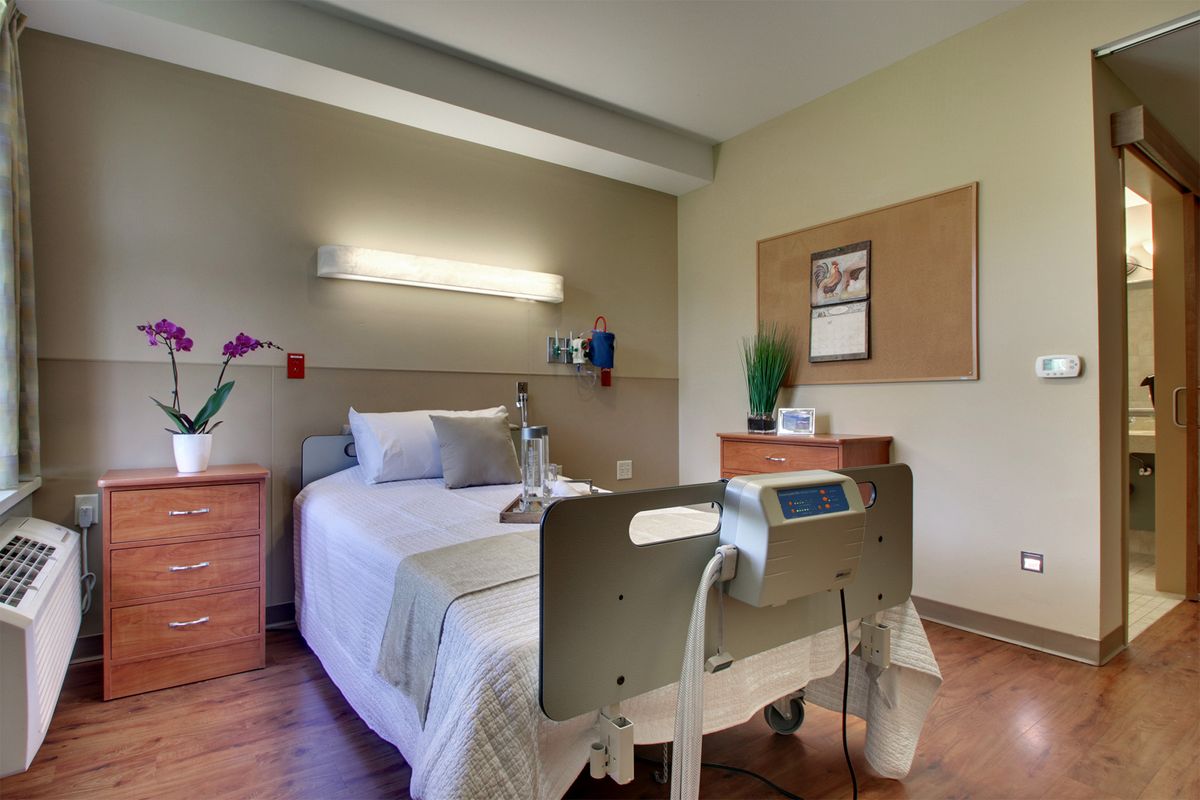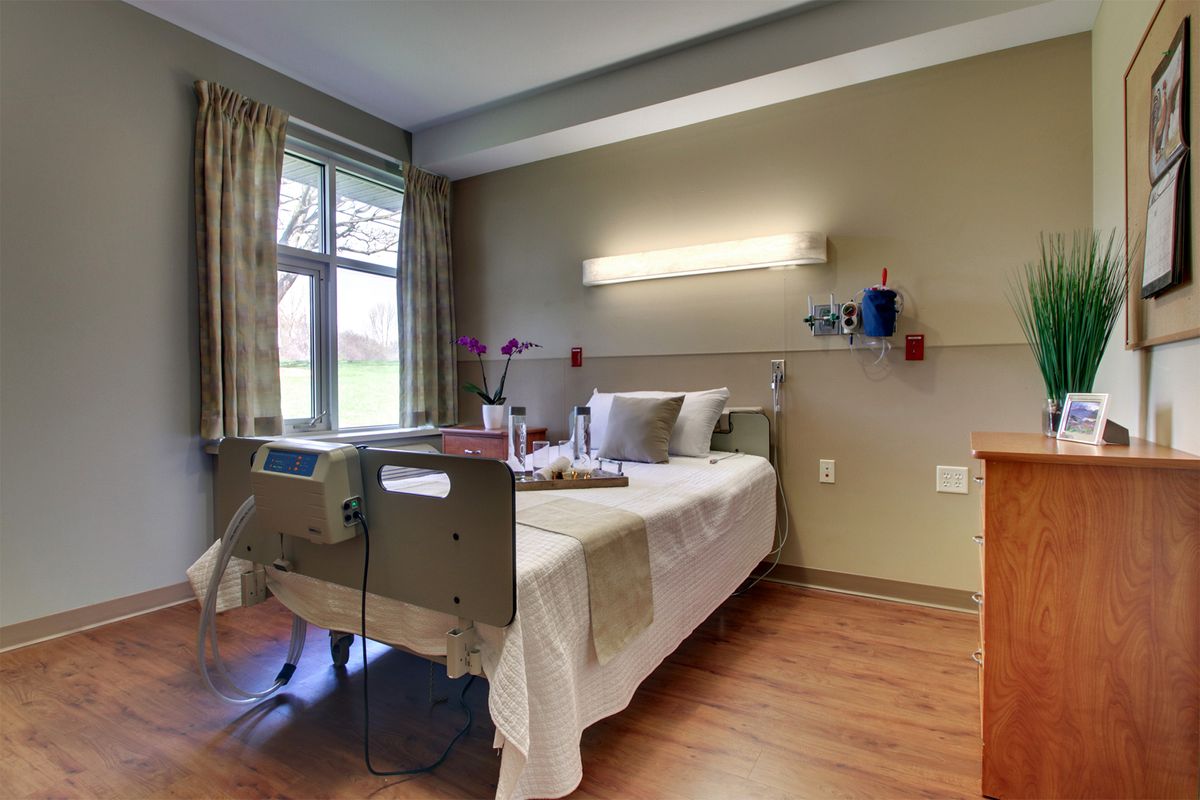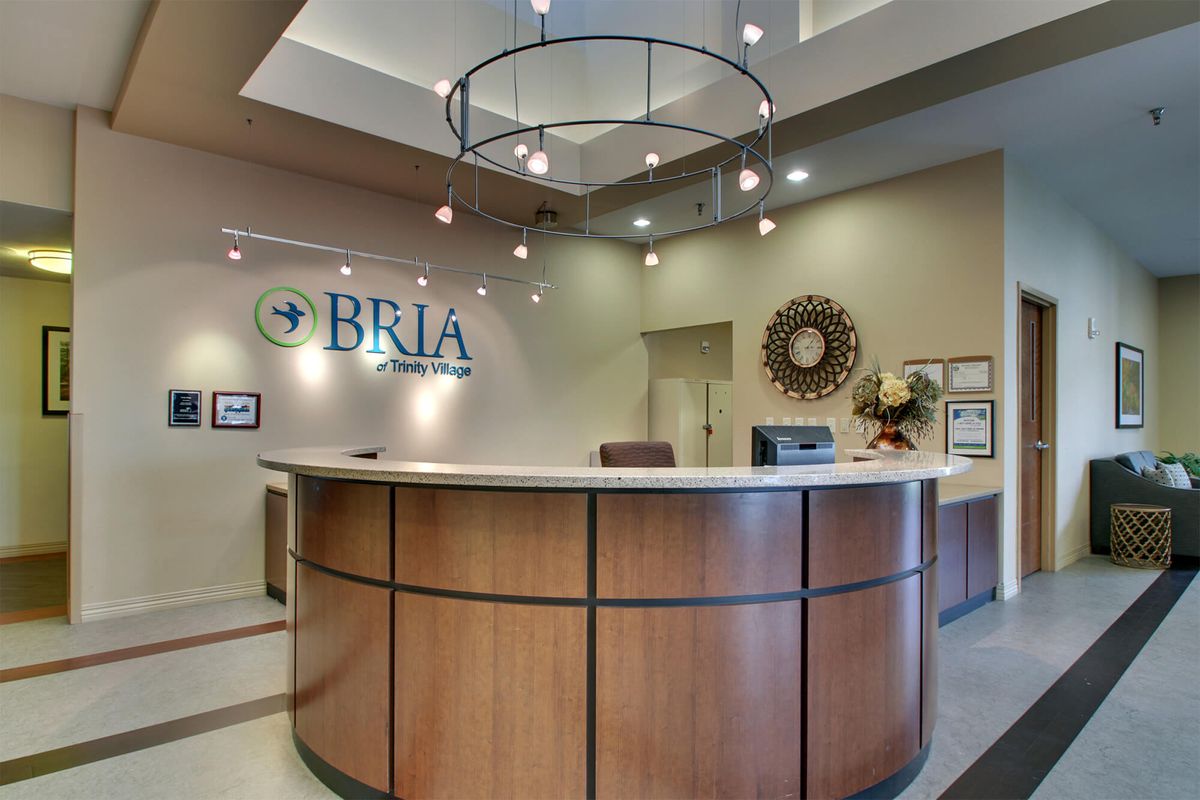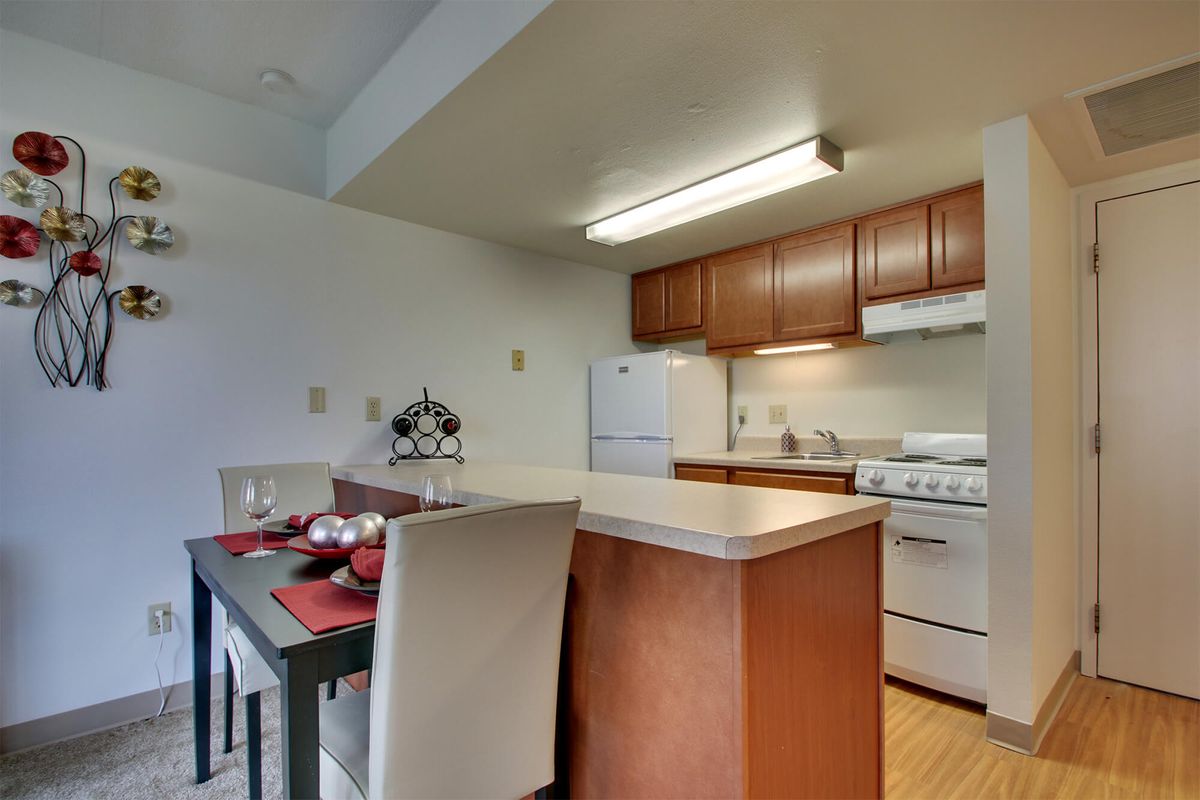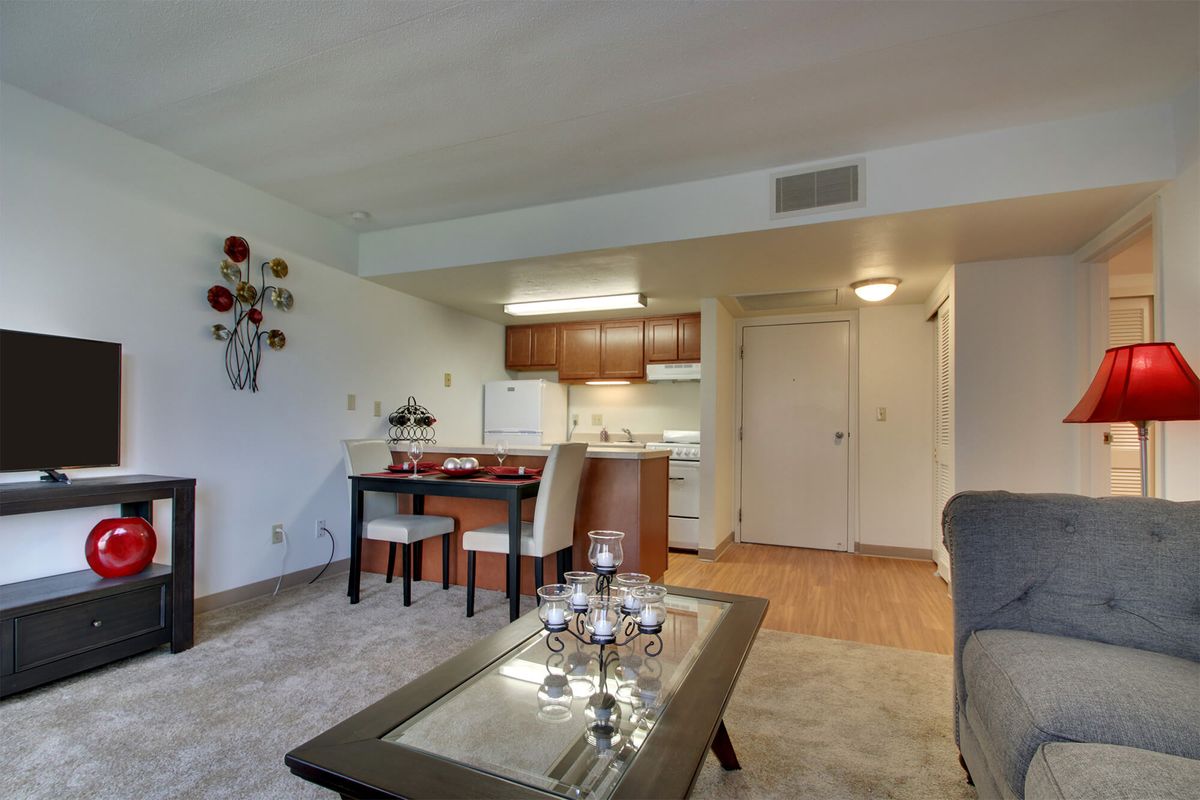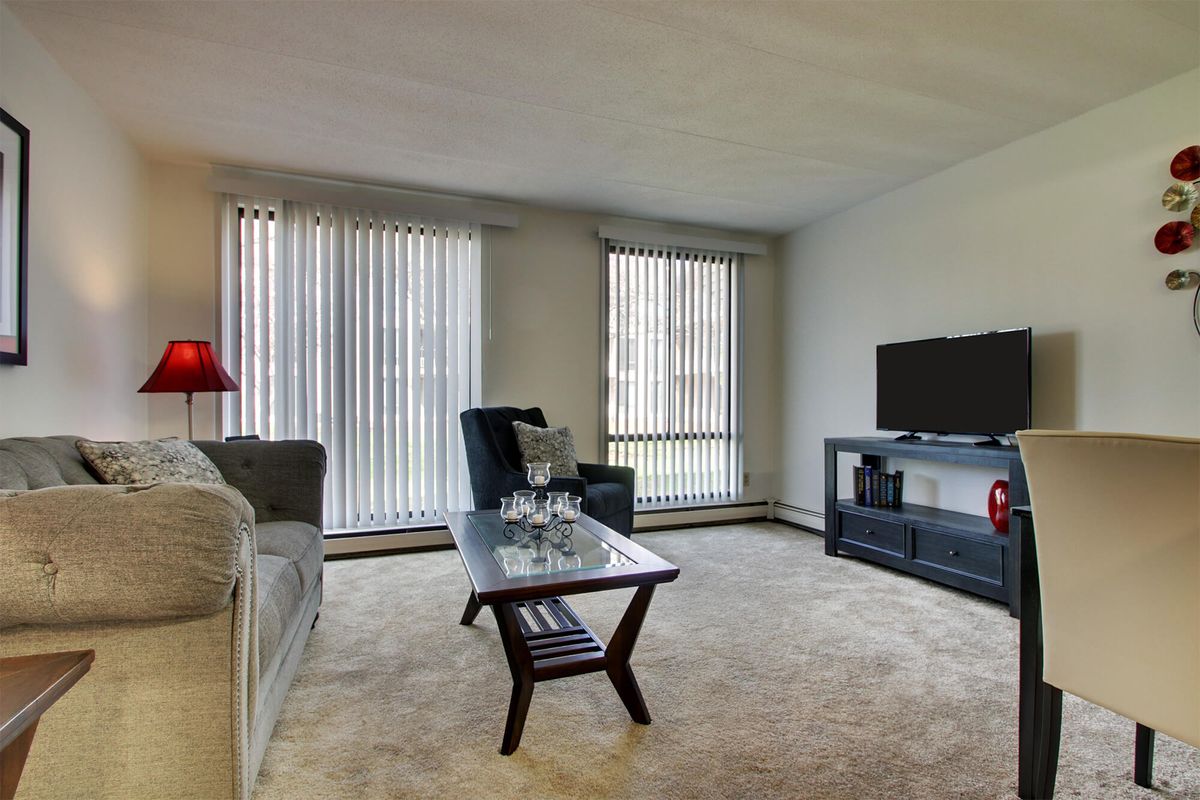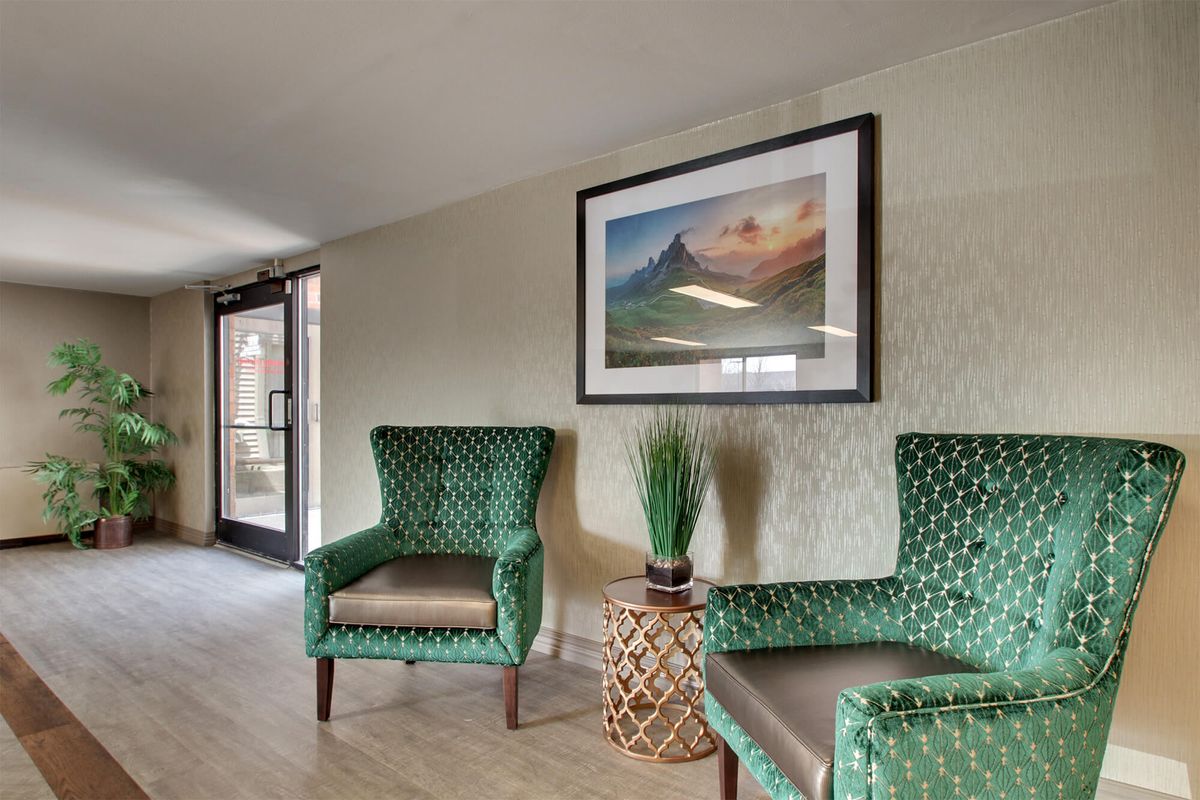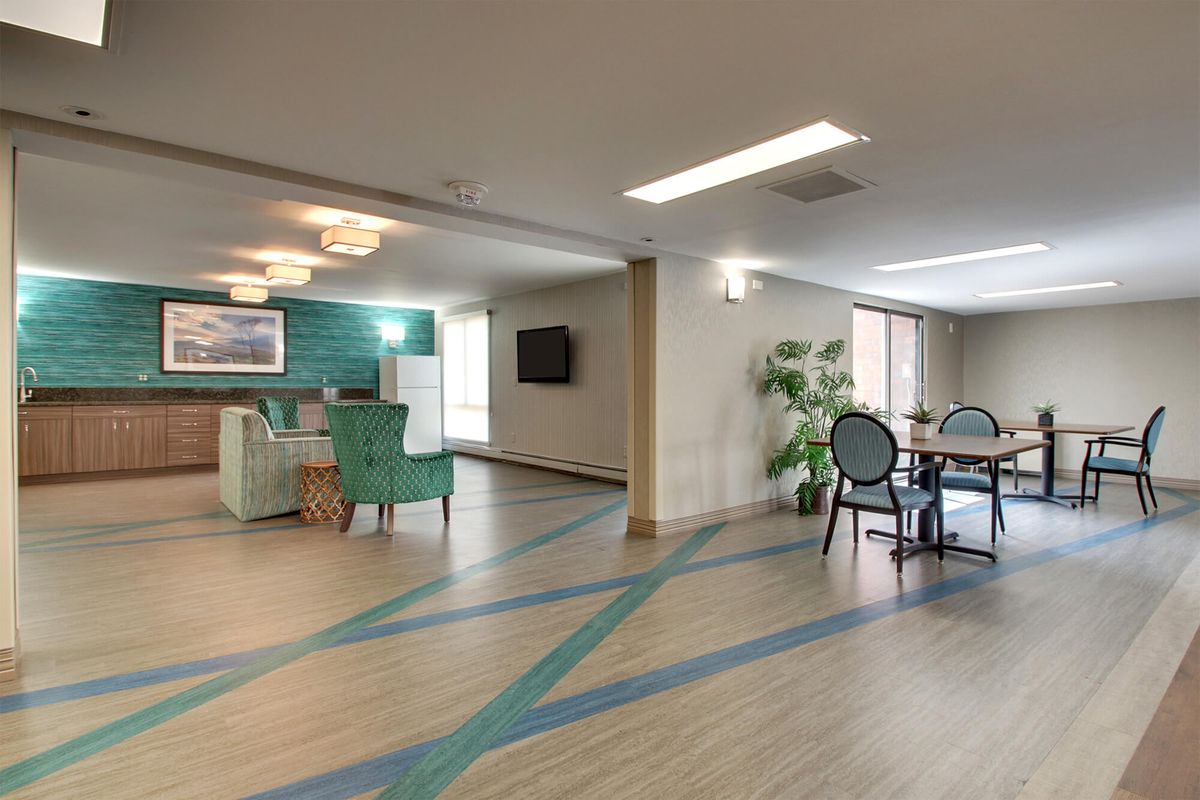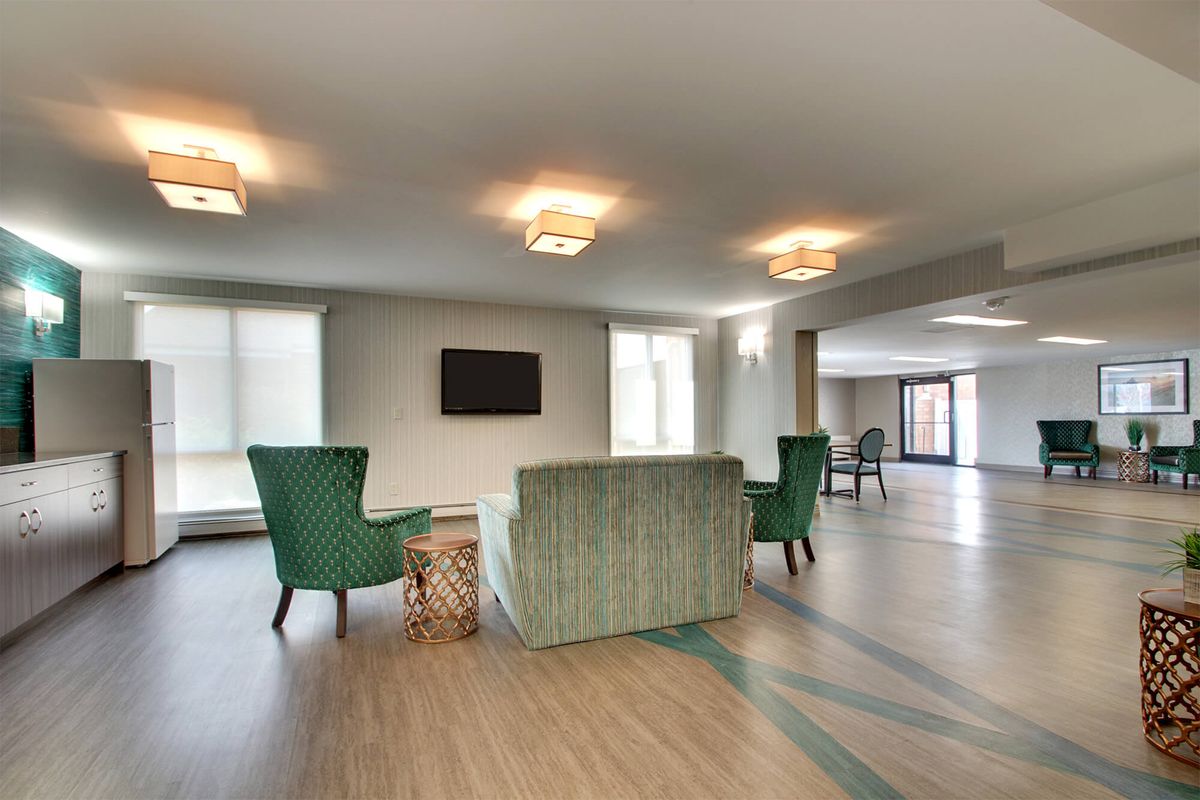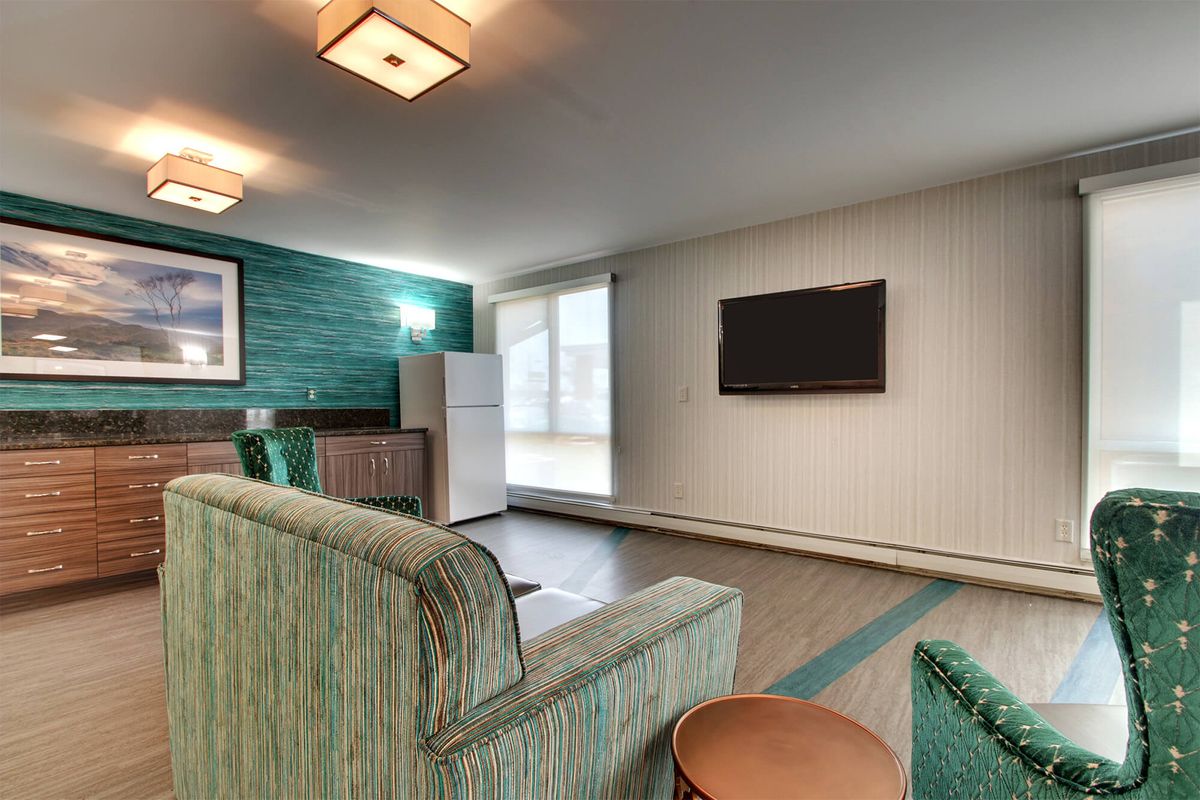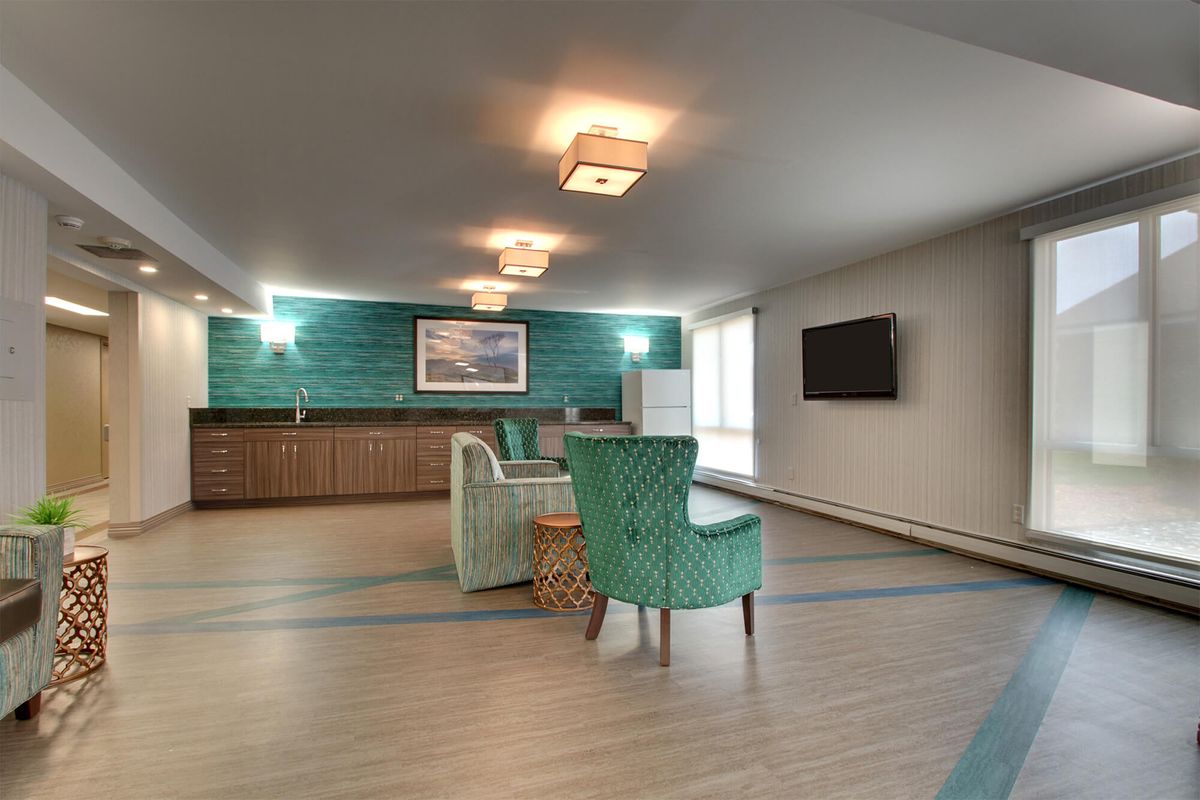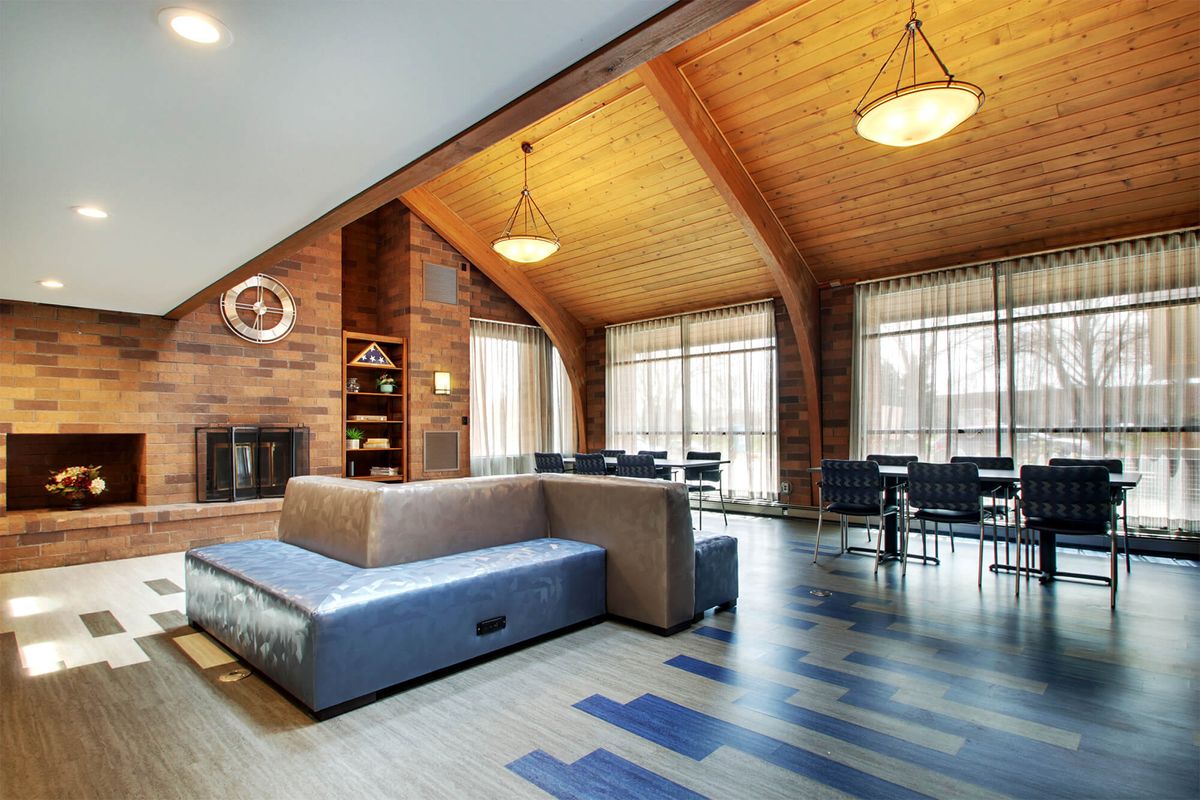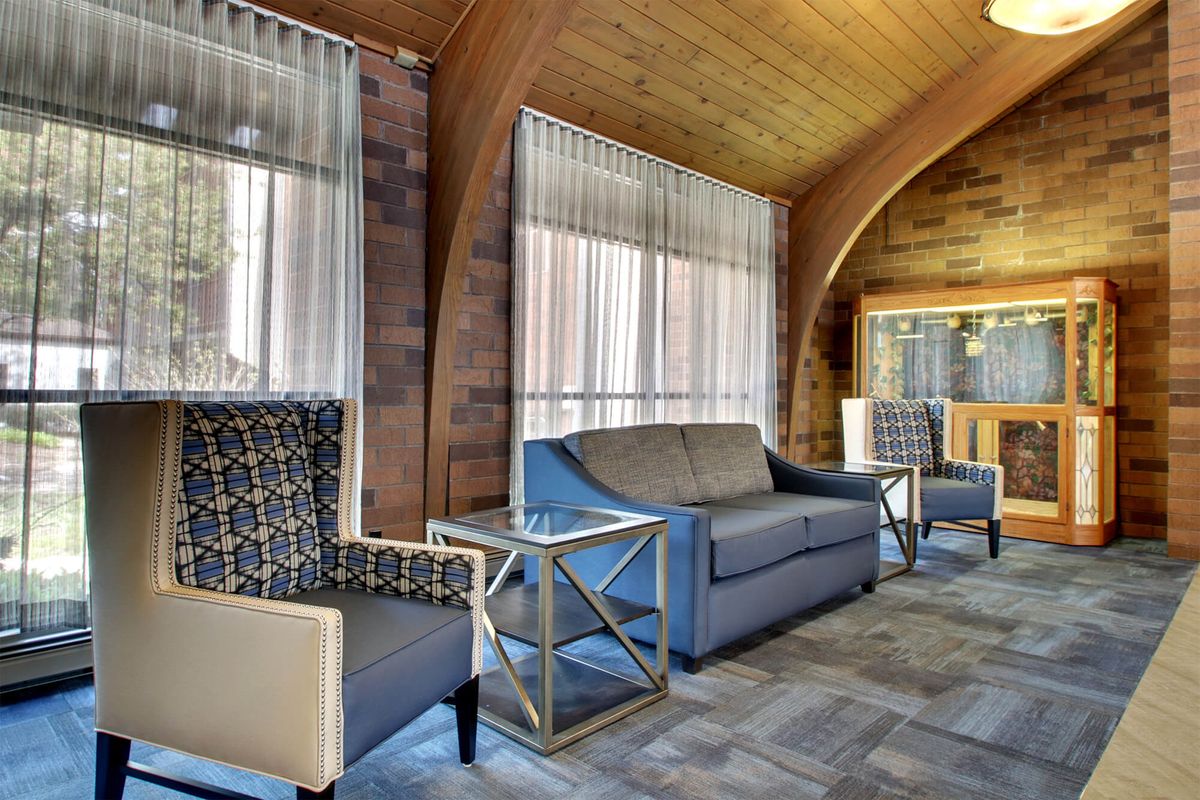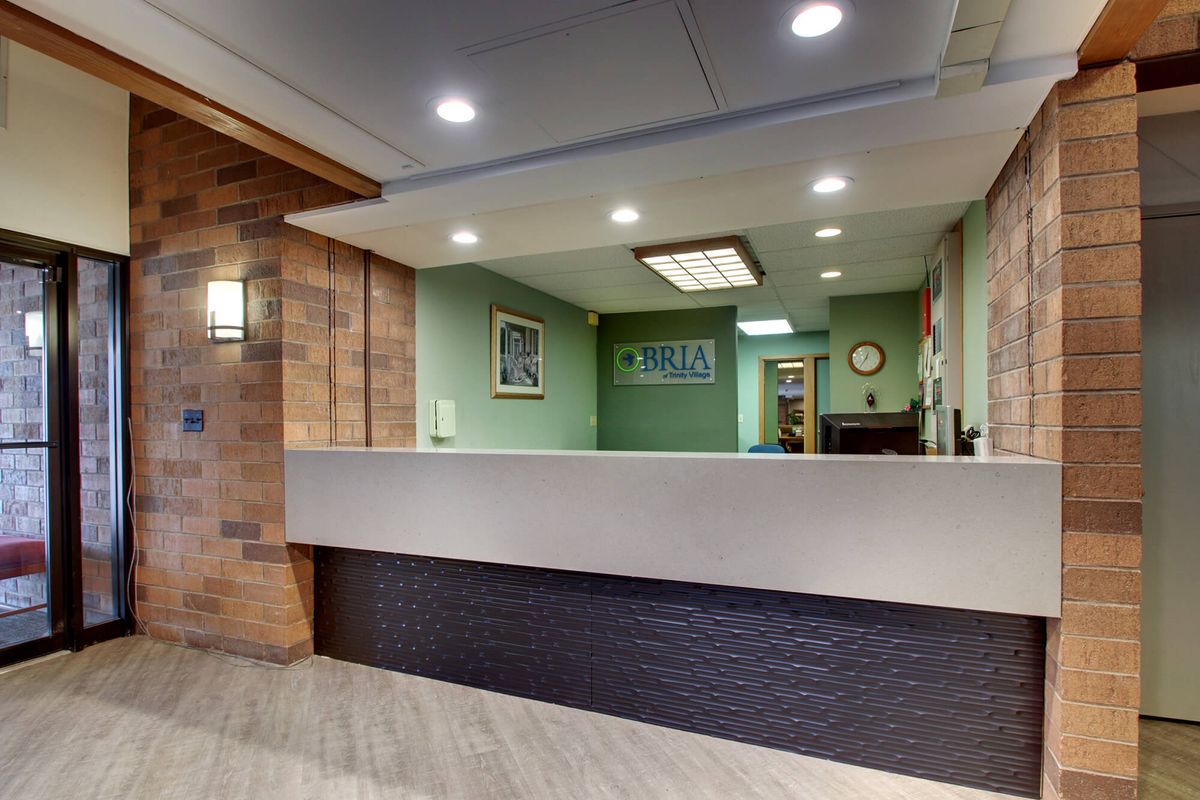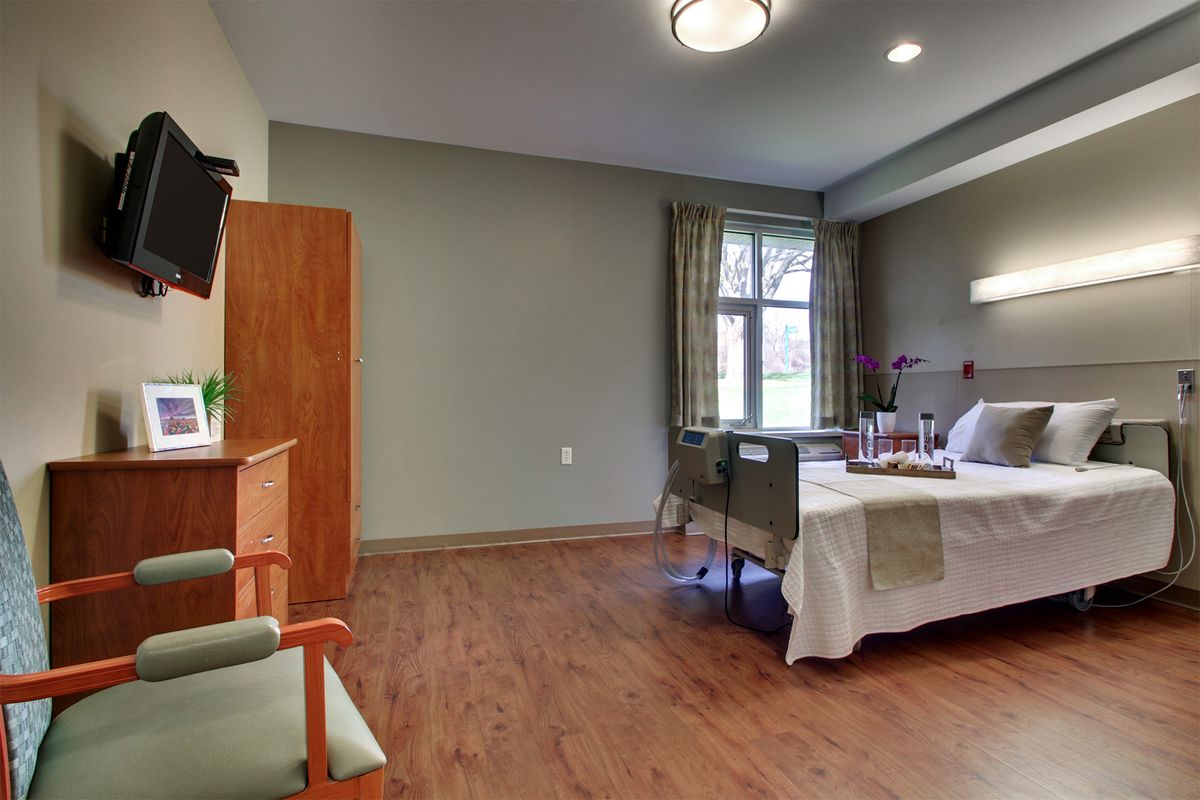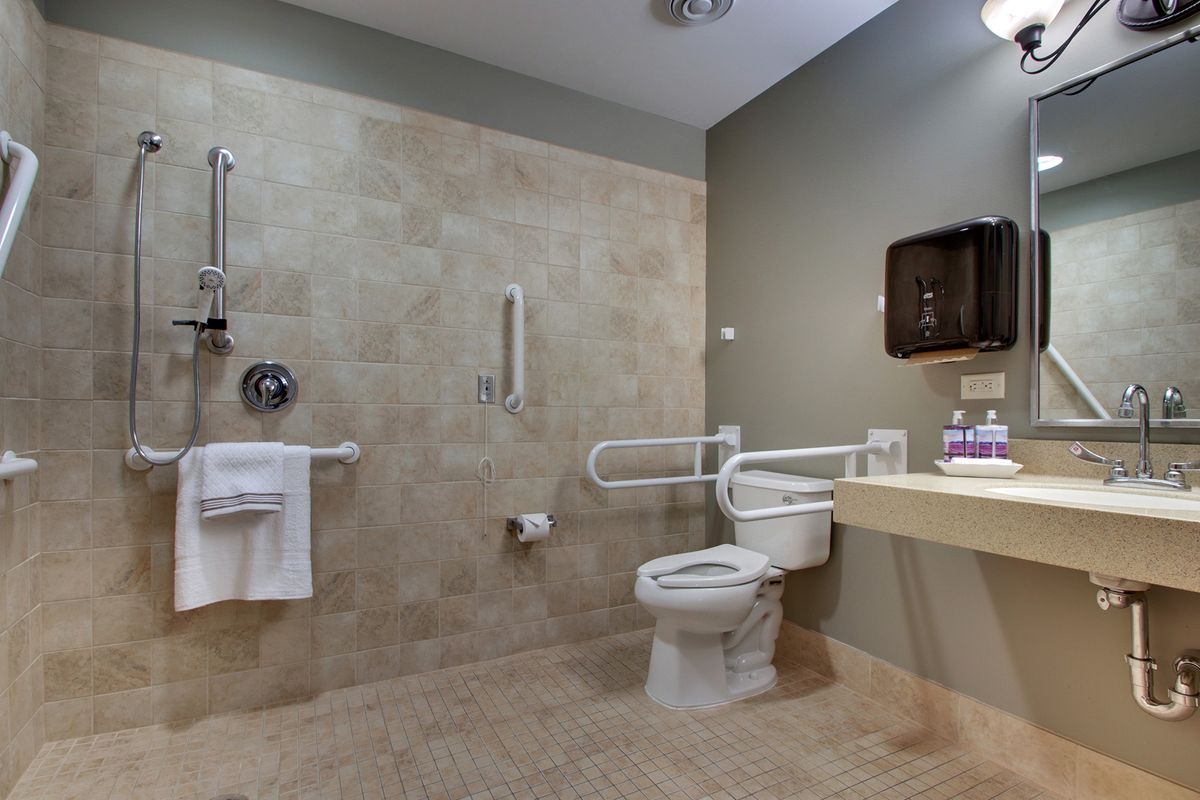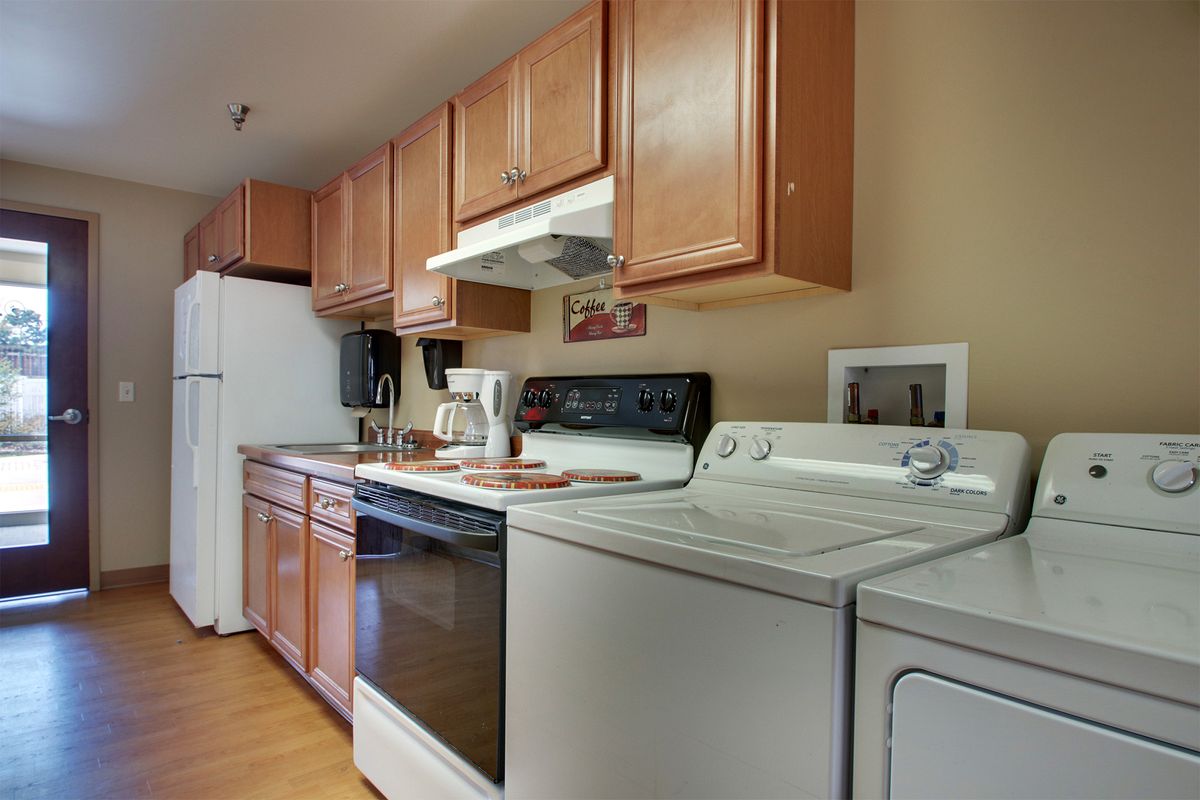
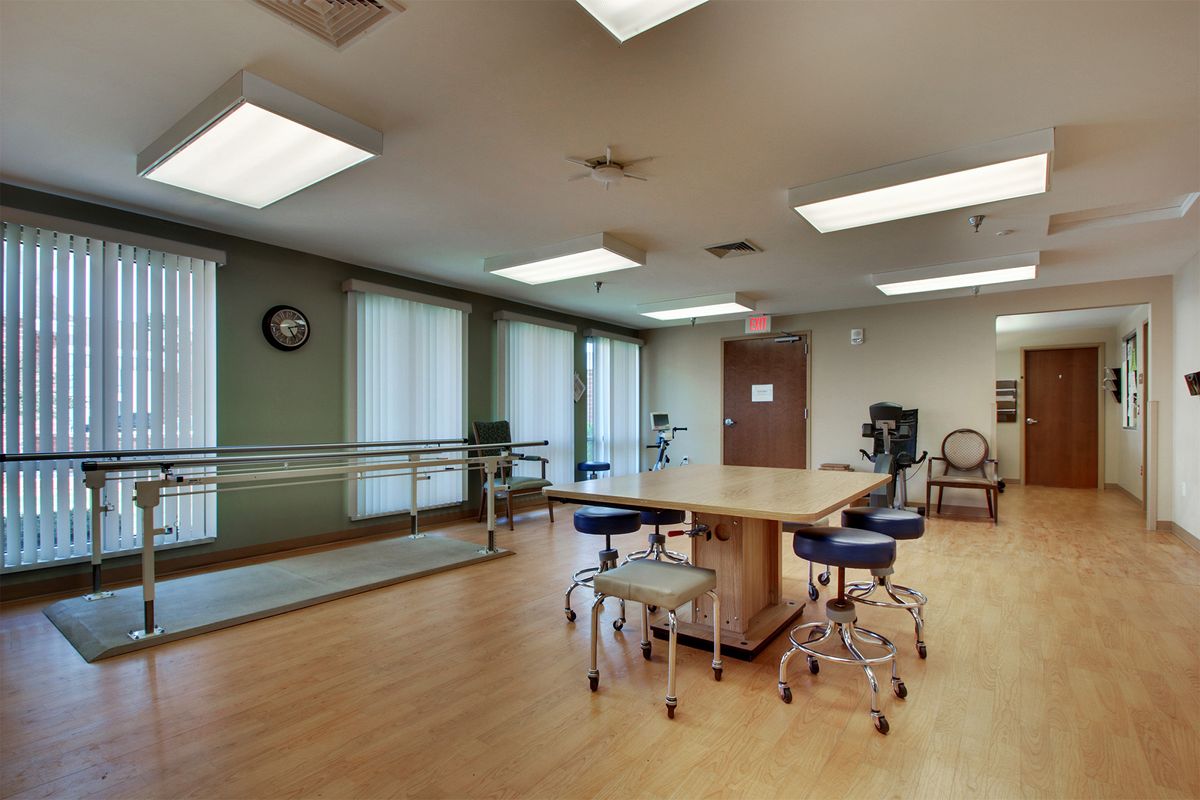
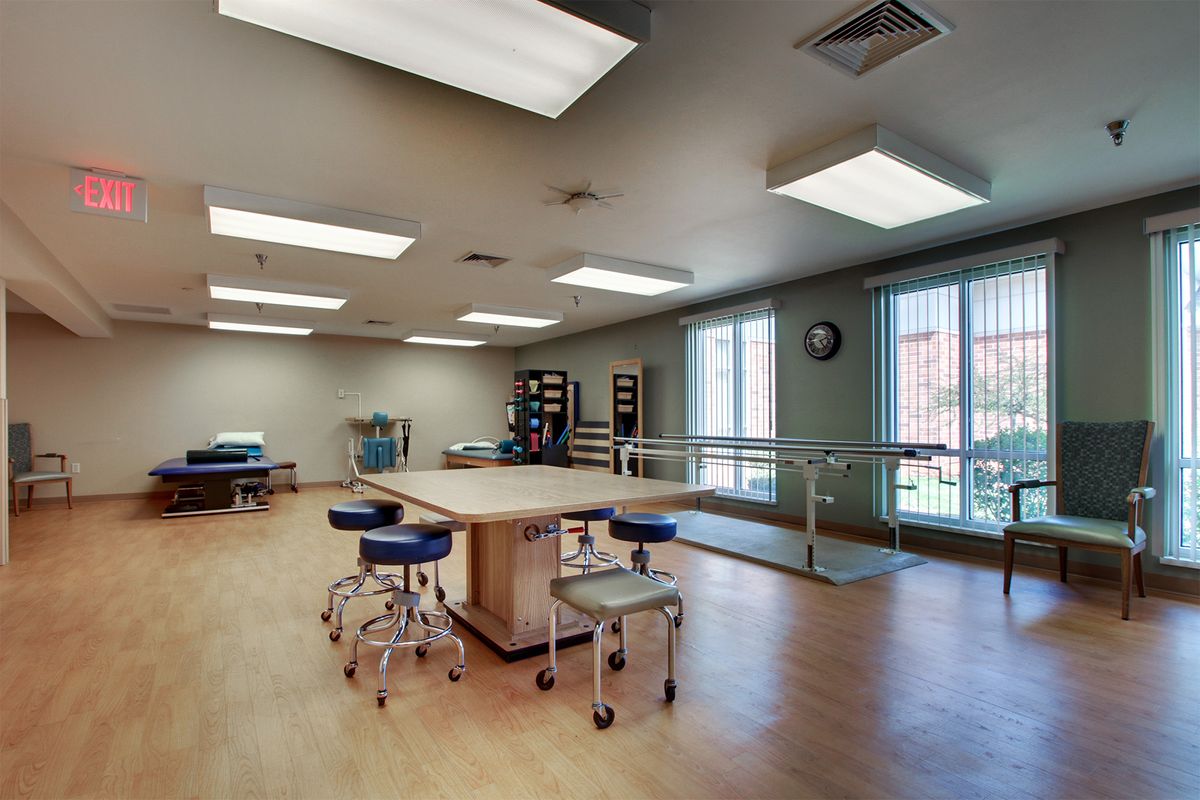
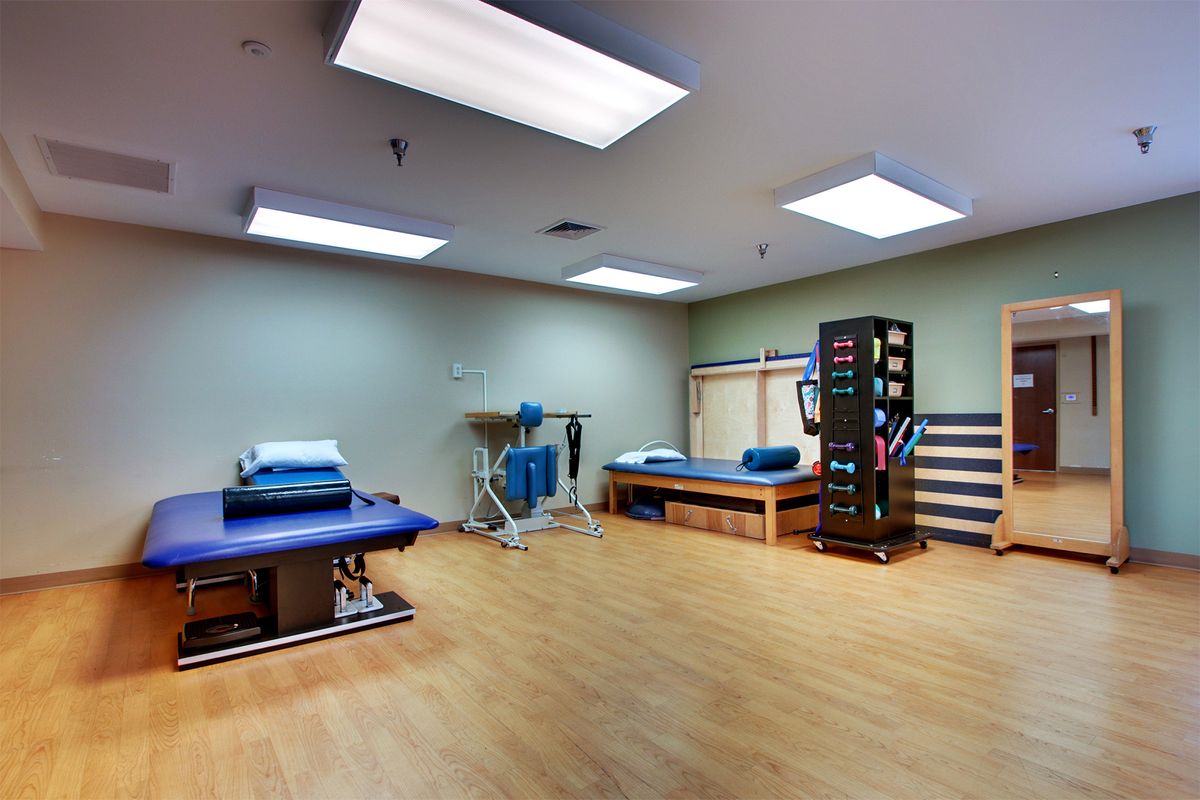
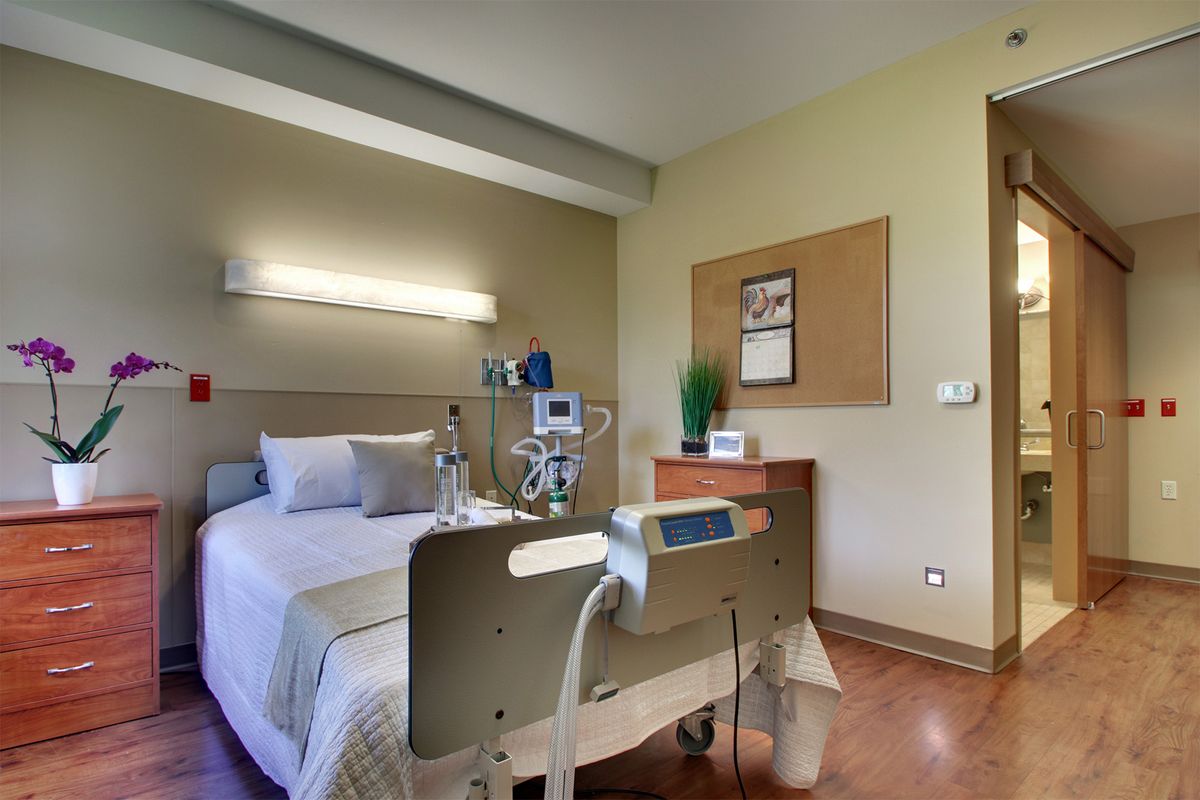

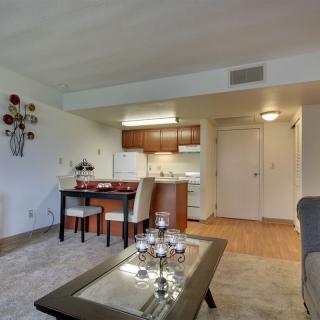


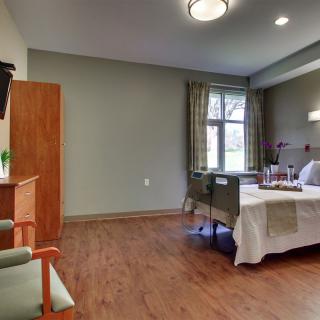
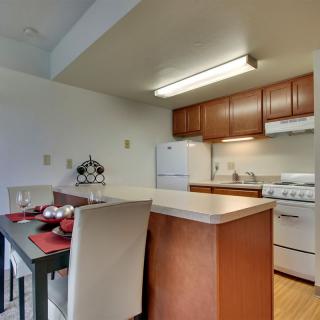
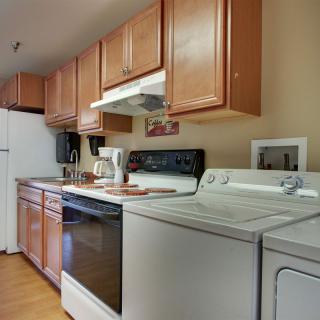


7300 West Dean Road, Milwaukee, WI 53223
For more information about senior living options: (866) 208-4318
Overall Review of Trinity Village Assisted Living
Cons
 They claim the facility provides very poor care because the staff are too busy socializing.
- They allege a staff member's boyfriend pulled a gun on the reviewer, and another staff member intervened to prevent harm.
- They report that a patientā€™s clothes were changed, but four hours later those clothes remained on the bathroom floor.
- They say care is terrible and understaffed, with patients left in soiled clothing for hours, substandard food, and employees caught sleeping in patient rooms at night.
- They state nursing staff communication is extremely slow (up to five days), receptionists reportedly laughed about it, and they recommend pop-in visits or cameras to monitor care.
Review
This community is best avoided by families with typical expectations for reliable, attentive care. Trinity Village Assisted Living in Milwaukee is effectively only a last-resort option for those who must trade quality for cost or proximity and are prepared to supervise care themselves. In practice, families seeking consistent nursing oversight, timely response to health changes, and daily living support that preserves dignity will find the experience here misaligned with those goals. The consensus from nine reviews is blunt: the bar for care quality is too low to meet ordinary standards, and prospective residents should plan alternatives first.
Those weighing Trinity Village should explicitly consider alternatives if the top priorities are proactive care, clean and responsive staff, and a safe, professional environment. Any family requiring regular nurse contact, prompt assistance during the night, or dependable supervision should view other Milwaukee-area communities as the baseline. Prospective residents deserve facilities with transparent staffing practices, reliable housekeeping, and meals that meet basic nutrition and variation, areas where Trinity Village repeatedly falls short. In short, only families with very limited options and little tolerance for ongoing care gaps should entertain staying here, and even then only after a thorough, explicit comparison with stronger options.
Praise is scarce in these reviews, and the few positive snippets do not meaningfully offset the dominant concerns. The handful of higher-starred comments appear isolated and unrepresentative, while the broader pattern shows chronic under-staffing, insufficient attention to resident needs, and a troubling disconnect between what is promised and what is delivered. The credible takeaway is that any potential upside, if it exists at all, will be overshadowed by the frequency and severity of daily shortcomings. This is not a place where minor service hitches can be tolerated without consequence; the established issues are systemic and persistent.
The core problems center on staffing and accountability. Reports describe an overextended, disengaged workforce that is slow to respond, with nursing contact measured in days rather than hours. Communication with families and between shifts appears inefficient, and the perception of professionalism is routinely undermined by staff behavior described as inattentive or dismissive. Separation from basic expectations, such as timely dressing and timely addressing of patient needs, appears routine, not exceptional, leaving families to question whether residents are receiving the level of care required for safety and comfort.
Safety and culture compound the care gaps. Accounts include alarming scenarios that raise red flags about the environment, instances of patients left in soiled clothing for extended periods, clothes left on the bathroom floor, and a perception that staff morale or supervision is insufficient to prevent lapses. A highly disturbing anecdote about a violent confrontation points to a lack of adequate protection and oversight. In addition, reports of unprofessional conduct and a casual attitude toward patient welfare reinforce the impression that oversight and accountability are inconsistent. For families, these factors dramatically elevate risk and disrupt trust.
The decision comes down to practical, non-negotiable steps. First, conduct rigorous due diligence: request the latest state inspection reports, demand detailed staffing ratios by shift, and ask to review incident logs and how quickly responses are prioritized. Schedule unannounced visits at multiple times of day, including night hours, and speak directly with caregivers and the nursing supervisor about daily routines, medication administration, and emergency procedures. If any doubt remains after these checks, move on to alternatives with demonstrably higher staffing stability, cleaner environments, and a culture of professionalism. In short, Trinity Village Assisted Living should be crossed off the shortlist in favor of facilities with proven reliability, stronger care ethics, and a track record of safeguarding resident well-being.
 82 resident community capacity
 Assisted Living
 Independent Living
 Air-conditioning
 Beauty salon
 Cable or satellite TV
 Computer center
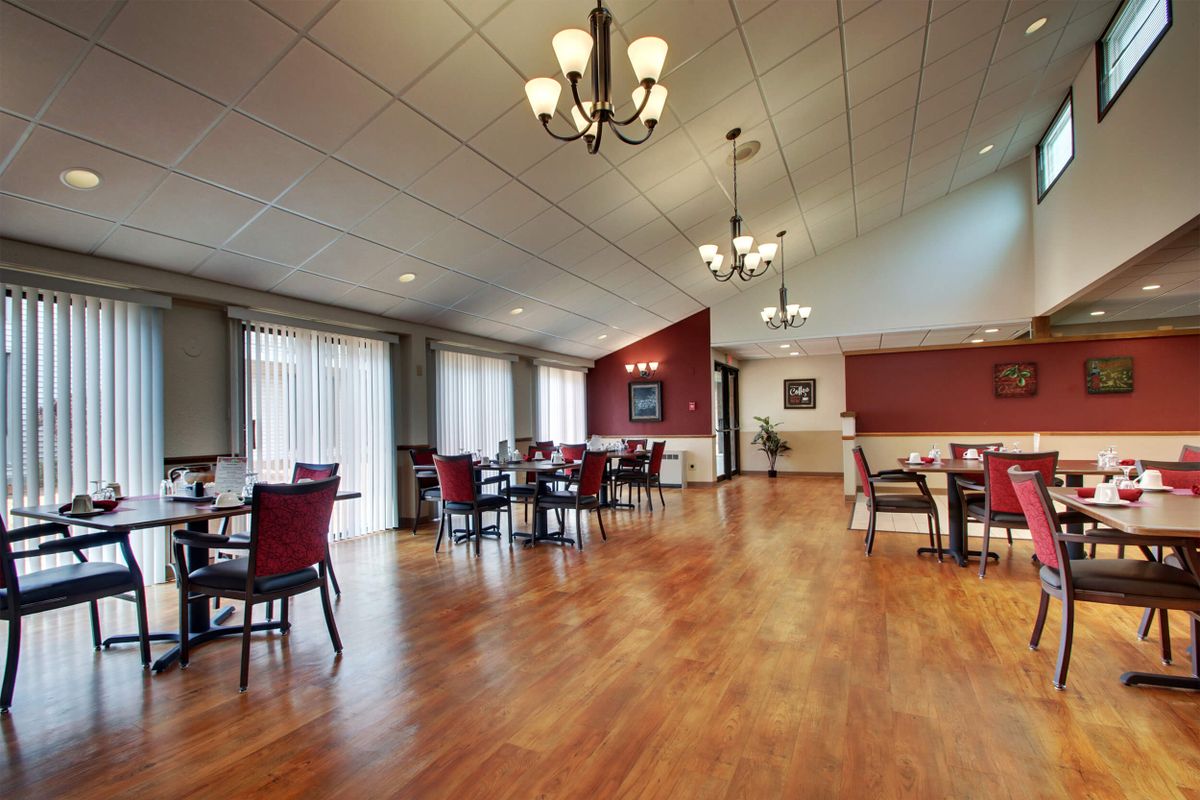
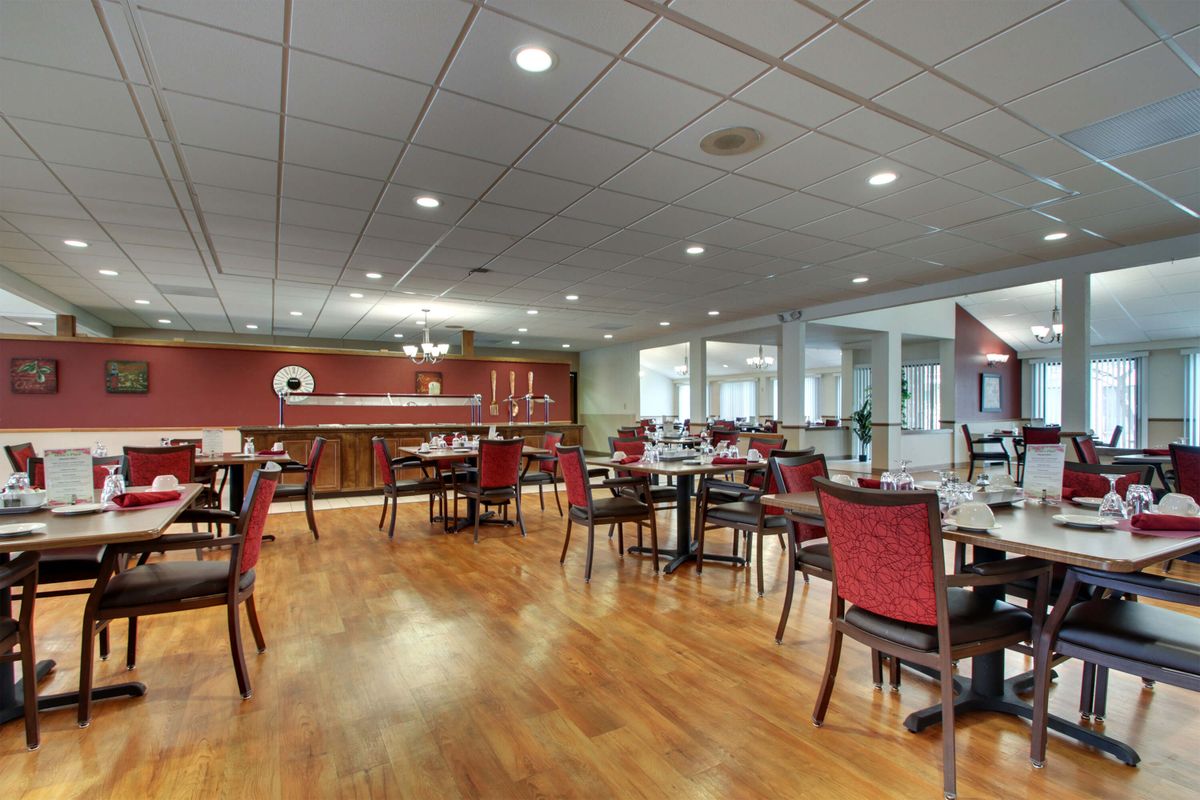
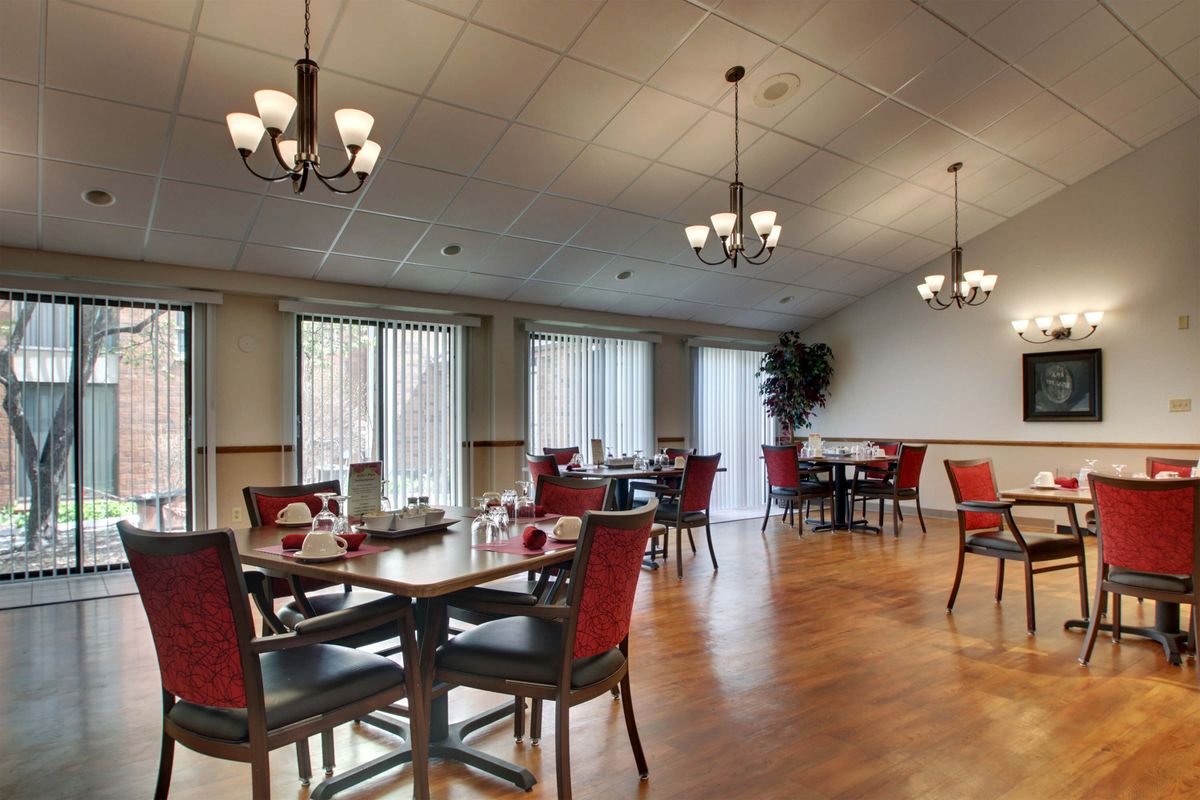
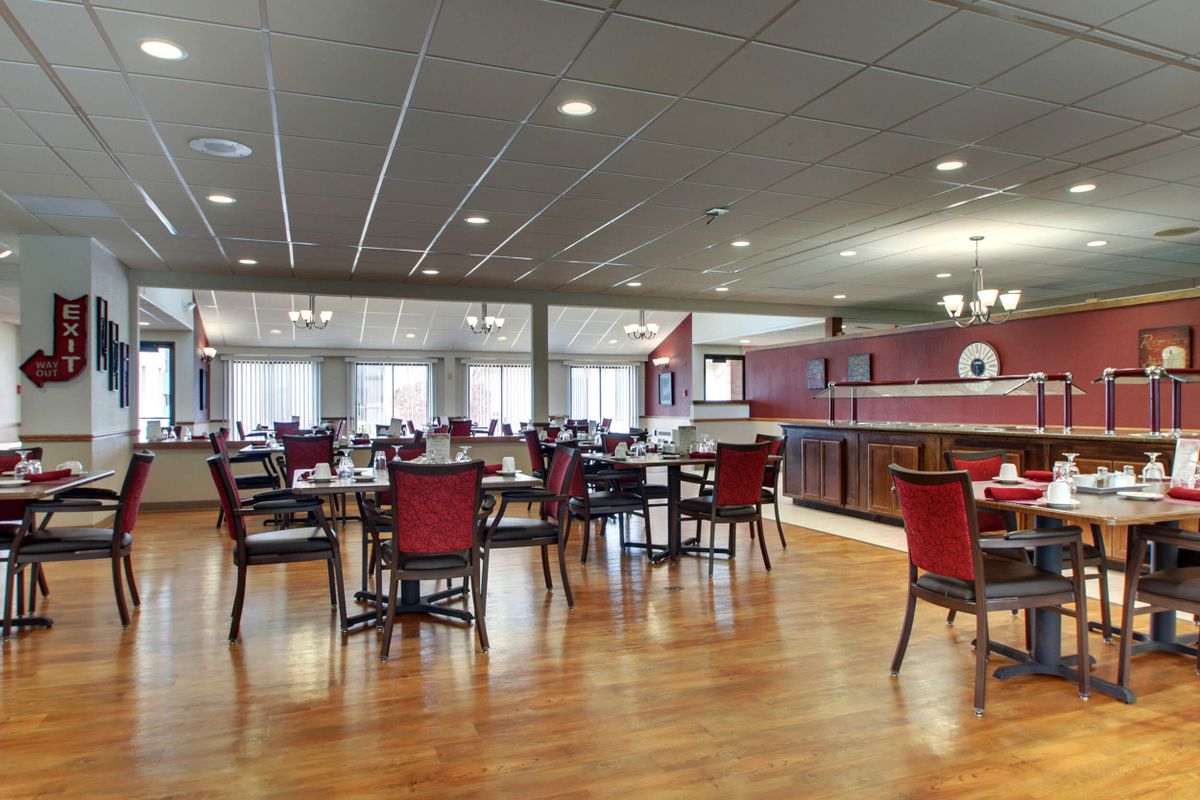
 Dining room
 Fitness room
 Fully furnished
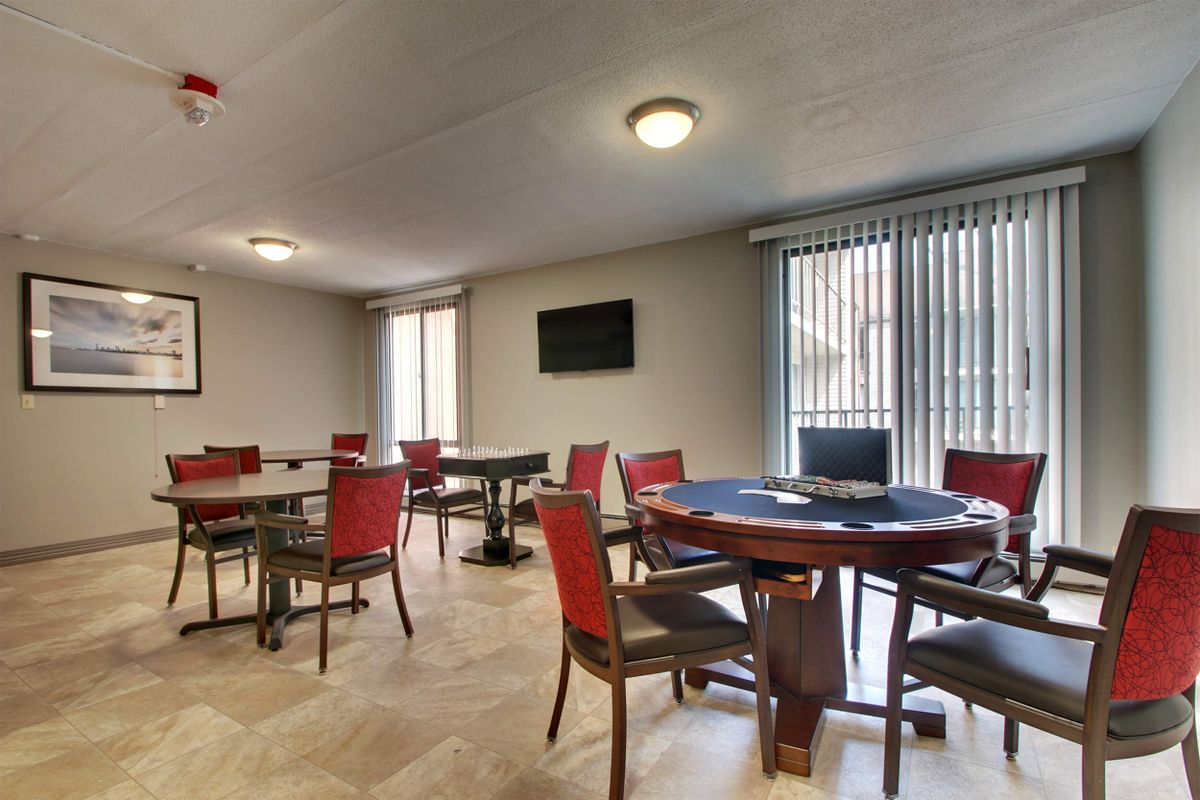
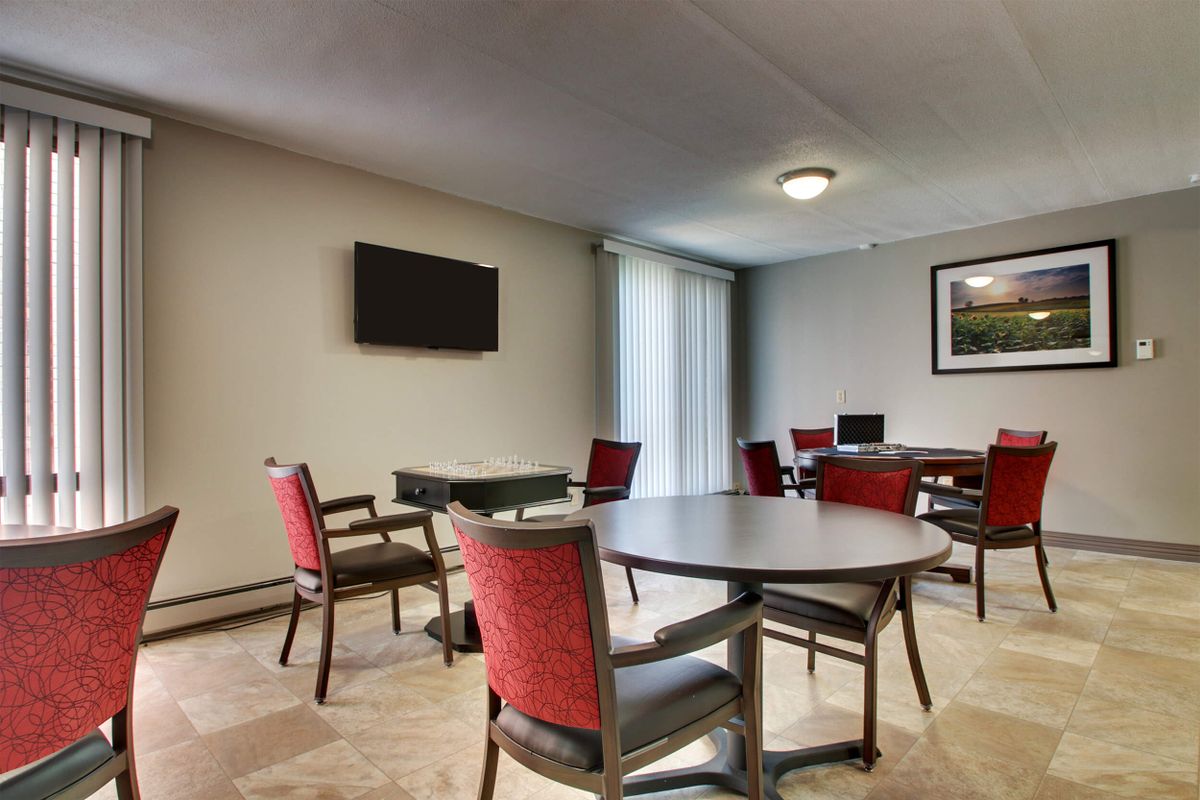
 Gaming room
 Garden
 Housekeeping services
 Kitchenette
 Move-in coordination
 Outdoor space
 Private bathrooms
 Restaurant-style dining
 Small library
 Telephone
 Wellness center
 Wi-Fi/high-speed internet available
 General Mitchell International (16 miles away)
 Community operated transportation
 24-hour call system
 Activities of daily living assistance
 Assistance with bathing
 Assistance with dressing
 Assistance with transfers
 Diabetes diet
 Medication management
 Special dietary restrictions
 Concierge services
 Planned day trips
 Engaged staff, quality care services, and affordable, spacious apartments.



 Senior Transition Services: Understanding Their Role, Cost, and Importance
 Exploring the Path to Senior Living: A Comprehensive Look at Independent Living and Assisted Living
 Is Assisted Living Deductible on Your Taxes? Understanding the Complexities of Assisted Living Expenses and Deductions