
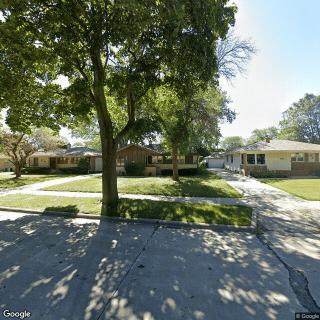
3930 West Hampton Avenue, Milwaukee, WI 53209
For more information about senior living options: (866) 208-4318
Overall Review of Veasley Living Center Hampton Terrace
Cons
 The facility is absolutely horrible and unprofessional.
- The place is infested with bed bugs and mice and is filthy.
- The owner hires only family and drug users who mistreat residents.
- The owner only collects money and does not care about the residents.
- The owner allows random men who are not certified to change female residents.
- The facility does not feed residents and is filthy.
- There are residents living there who are not sick or elderly.
- The place needs to be shut down immediately.
- Management is very poor.
- The rooms are nasty and the building is falling apart.
- The manager lets the third shift sleep on residents, causing them to fall through the night and blaming it on the first and second shifts.
- The manager, Sharon Butler, lacks compassion for residents, argues with them, and talks down to them.
- The facility is an uncomfortable place to work at.
- There are claims that the state is being paid off because there are plenty of violations, yet the place remains open.
Review
This community is best suited for no one seeking safe, dignified, consistently staffed care. In practice, Veasley Living Center Hampton Terrace in Milwaukee presents conditions that undermine basic safety and resident well‑being. The reviews describe an environment plagued by infestations, filth, and unprofessional behavior at every level, from management to direct care. If a family finds itself with no workable alternatives and pressing placement needs, this should be treated strictly as a temporary, tightly supervised stopgap with a clear plan to move to a higher-quality option the moment a safer choice appears.
Who should consider alternatives? Any family prioritizing reliable safety, nutrition, respectful treatment, and accountable oversight should look elsewhere. The consensus in the reviews points to significant red flags: bed bugs, mice, and widespread cleanliness problems; staff who are described as untrained, dismissive, or abusive; and an owner whose focus appears to be financial rather than resident welfare. For residents with medical or daily living needs that require consistent, properly supervised care, this facility is not a permissible long‑term solution. Firms with better staffing, supervision, and sanitation standards are strongly preferred.
There are a few faint, potential positives that some families might notice, but they do not compensate for the fundamental flaws. The comments imply that residents are valued by some staff on a personal level, and there is at least a sense that the facility is not deliberately disengaging from residents’ needs. Yet these narrow positives are overwhelmed by the sustained failures: pest infestations, sticky or dirty rooms, and repeated reports of mismanagement and poor oversight. The discrepancy between how some residents may be treated personally and the broader, systemic problems in care delivery makes any advantage fleeting and unreliable.
The core cons dramatically outweigh whatever nominal benefits could be imagined. Pest control issues (bed bugs and rodents) directly threaten health and comfort and undermine trust in the facility’s ability to provide a clean, safe environment. Reports of inadequate meals, residents not receiving proper care, and staff letting serious risks go unaddressed point to chronic neglect rather than episodic lapses. The alleged use of unqualified or uncertified personnel around female residents raises serious safety concerns, as does the claim that third-shift staff may fall asleep on residents, increasing risk of injury. Together, these factors constitute a pattern of care that is not acceptable for anyone needing dependable supervision.
For families evaluating options, take a practical, evidence-based path. Start with a formal, on-site assessment focused on five areas: cleanliness and pest control, dining and nutrition, staffing levels and qualifications, medication management, and safety protocols (falls prevention, incident reporting, and staff supervision across shifts). Request recent state inspection reports and any corrective action plans; talk with current residents and families about their day-to-day experiences; observe how staff respond to a resident in distress. Verify who oversees care planning, how often care plans are updated, and whether there is transparent billing and fee structure. Above all, insist on a trial period that includes measurable safety milestones and a clear, written exit plan to move to a higher-quality setting if standards fail to improve.
In the end, the prudent course is to pursue other communities with verifiable cleanliness, consistent staffing, and a strong track record of compassionate, competent care. Veasley Living Center Hampton Terrace should be dismissed as a long-term solution for any senior with real health or safety needs. Families pressed for affordable options can still find lower-cost, higher-quality alternatives by prioritizing facilities with solid inspection histories, dedicated administrators, and transparent governance. If relocation is unavoidable, use the findings here to demand concrete improvements before committing and to expedite a move once red flags reemerge.
 3 resident community capacity
 Assisted Living
 Board and Care Home
 Memory Care
 Cable or satellite TV
 Dining room
 Fully furnished
 Garden
 Housekeeping services
 Move-in coordination
 Outdoor space
 Telephone
 Wi-Fi/high-speed internet available
 General Mitchell International (11 miles away)
 24-hour supervision
 Activities of daily living assistance
 Assistance with bathing
 Assistance with dressing
 Assistance with transfers
 Diabetes diet
 Hospice waiver
 Meal preparation and service
 Medication management
 Mental wellness program
 Special dietary restrictions
 Transportation arrangement (medical)
 Transportation to doctors appointments
 Small, intimate setting with personalized care and memory-care programming.

 How to Communicate with a Loved One Living with Dementia: 10 Supportive Strategies
 Comprehensive Guide to VA Nursing Homes: A Crucial Long-Term Care Resource for Veterans
 Estimating the Expenses of At-Home Dementia Care: A Detailed Exploration