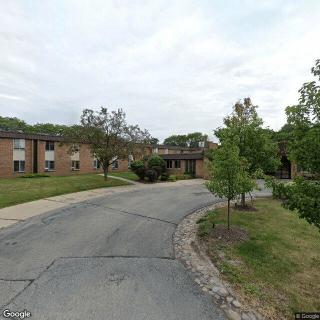
Turners Point Supportive Living II

8401 West Denver, Milwaukee, WI 53223

For more information about senior living options: (844) 490-3973

2.8 from 4 reviews
5 stars
1
4 stars
1
3 stars
0
2 stars
0
1 stars
2

Assisted Living Board and Care Home

What level of care are you interested in?

Assisted Living

Memory Care

Independent Living

Skilled Nursing Facility

Continuing Care Retirement Community (CCRC)CCRC

Other


Request a tour at Turners Point Supportive Living II

    Overall Review of Turners Point Supportive Living II

    Pros

    • pro The reviewer loves the management here.
    • pro The management truly cares about their clients and employees, and everyone is acknowledged and treated with respect.

    Cons

    • pro The management is very unprofessional and rude.
    • pro They take the clients' money and treat them like animals.
    • pro The residents have bed sores and bedbug bites.
    • pro Roaches crawl everywhere.
    • pro The listing shows an outdated picture and does not reflect added features like a front ramp.
    • pro They would not recommend Loving Care Homes.

    Review

    The situation described centers on a care facility that has shifted branding from "Turners Point" to "Loving Care Homes," with the operation now said to be run by two completely different people. One view among reviewers is warmly positive: the management is described as genuinely caring about both clients and employees. In that account, everybody is said to be acknowledged and treated with respect, suggesting a welcoming atmosphere where staff and residents feel seen and valued. This perspective emphasizes the human side of caregiving - the way people are spoken to, thanked, and included in decisions that affect their daily lives.

    On the other hand, there is a contrast in how the facility is being run and presented. Some remarks point out that the picture used to represent the place is not current and that meaningful changes have occurred, such as the addition of a front ramp and perhaps other improvements. The implication here is that there has been some change over time, and not all reviews may reflect the present state of the building or its accessibility features. This thread suggests a desire for clearer and more up-to-date information about the facility's physical condition and capacities.

    A different set of experiences casts the management in a much less favorable light. One reviewer describes the management as "very unprofessional and rude," accusing them of taking money from clients and treating residents like animals. These claims, if taken at face value, suggest a breakdown in trust and a severe lapse in the quality of care and respect that residents deserve. The negative portrayal focuses on financial and interpersonal dynamics, painting a picture of residents and their families feeling exploited or disrespected rather than cared for.

    Even more troubling are the health and sanitary concerns raised in some accounts. The same negative thread alleges serious neglect in medical and living conditions, including bed sores and bedbug bites, with roaches reported as crawling around. Such details point to potential safety and sanitation issues that would be deeply alarming to anyone considering placing a loved one in a facility. The chorus of these complaints ends with a blunt verdict: the reviewer would not recommend the place.

    Amid these strongly divergent viewpoints, there is a brief, somewhat enigmatic note: "Well I had a Doctor's appointment." This line sits at the end of the collection of reviews and doesn't clearly connect to the claims of care or neglect. It may suggest a personal context or a recent experience related to healthcare access or oversight, but it doesn't resolve the larger tensions between praise and criticism that run through the other comments.

    Taken together, the reviews present a facility with a divided reputation. Some people speak highly of the compassion and respect shown by management and staff, while others report serious concerns about professionalism, financial treatment, and the overall living conditions within the home. The contrast makes it clear that experiences can vary widely depending on who is involved and possibly when, underscoring that first-hand visits and conversations with current residents and their families would be essential for anyone evaluating this place.

    If you are considering Loving Care Homes, the message from these reviews is to proceed with careful due diligence. Schedule an in-person visit, observe the day-to-day operations, and talk directly with staff, residents, and their families. Check for up-to-date information about renovations, accessibility features like ramps, and any recent inspections or ratings from health authorities. Given the stark differences in experiences reported, your own observations and questions will be crucial to forming a well-grounded view about whether this particular home aligns with your expectations for care, respect, and overall safety.

    Features

    Housing

    • 4 resident community capacity 4 resident community capacity

    Types of Care

    • Assisted Living Assisted LivingAssisted living facilities provide crucial support and care for seniors who may need help with daily tasks such as medication management, bathing, and meal preparation. These communities offer a safe and comfortable environment where seniors can maintain their independence while receiving the assistance they need to thrive in their golden years.
    • Board and Care Home Board and Care HomeBoard and care homes provide a smaller, more intimate setting for seniors who require assistance with daily tasks but do not need the level of care offered by a nursing home. They offer personalized care, meals, and social activities in a homelike environment, ensuring that seniors receive individualized attention and support in their golden years.

    Amenities

    • Cable or satellite TV Cable or satellite TVCable or satellite TV is important for seniors because it provides entertainment, news, and companionship, helping to combat loneliness and boredom. It also offers a wide range of programming options tailored to different interests and preferences.
    • Dining room Dining roomDining rooms are important for seniors as they provide a space for socialization, connection, and nutritious meals. They offer opportunities for residents to bond over shared meals, foster a sense of community, and promote healthy eating habits. Dining rooms also ensure that seniors have access to well-balanced meals tailored to their dietary needs and preferences.
    • Fully furnished Fully furnishedFully furnished senior living communities are important for seniors because they provide convenience, comfort, and a hassle-free moving experience. Seniors can easily settle into their new living space without the stress of having to buy and move furniture. This allows them to focus on enjoying their new home and community.
    • Garden GardenGardens are important for seniors as they provide a peaceful and therapeutic environment for relaxation, physical activity, and socialization. Being in nature has been shown to reduce stress, improve mood, and promote overall well-being. Gardens also offer opportunities for seniors to engage in gardening activities, which can improve mobility, flexibility, and cognitive function. Additionally, gardens create a sense of community and connection with others who share a passion for plants and outdoor spaces.
    • Housekeeping services Housekeeping servicesHousekeeping services are important for seniors because they help maintain a clean and safe living environment, promote independence, and reduce the risk of accidents or illnesses. Additionally, having assistance with household chores can alleviate physical strain and allow seniors to focus on other aspects of their well-being.
    • Move-in coordination Move-in coordinationMove-in coordination is important for seniors because it helps ease the transition into their new living environment. It ensures that all logistics, such as packing, organizing movers, and setting up utilities are taken care of, allowing seniors to focus on settling in and adjusting to their new home. Having a smooth move-in process can alleviate stress and anxiety, making the transition smoother and more enjoyable for seniors.
    • Outdoor space Outdoor spaceOutdoor spaces are important for seniors as they provide opportunities for physical activity, social interaction, exposure to natural light and fresh air, and a sense of connection to nature. Having access to outdoor spaces can improve overall well-being and quality of life for older adults living in senior communities.
    • Telephone TelephoneTelephones are important for seniors as they provide a lifeline for communication with loved ones, emergency services, and healthcare providers. They offer a sense of security and independence, enabling seniors to stay connected and access assistance when needed.
    • Wi-Fi/high-speed internet available Wi-Fi/high-speed internet availableWi-Fi/high-speed internet is important for seniors to stay connected with loved ones, access online resources, and participate in virtual activities to combat feelings of loneliness and isolation. It also allows them to easily manage healthcare needs, access entertainment, and engage in lifelong learning opportunities.

    Transportation

    • General Mitchell International (15 miles away) General Mitchell International (15 miles away)

    Care Services

    • 24-hour supervision 24-hour supervision24-hour supervision is important for seniors to ensure their safety, well-being, and access to immediate assistance in case of emergencies or health issues. This constant support provides peace of mind for both seniors and their loved ones, allowing them to age in place with dignity and security.
    • Activities of daily living assistance Activities of daily living assistanceActivities of daily living assistance are important for seniors because they provide essential support with tasks such as eating, bathing, dressing, and mobility. This assistance helps seniors maintain their independence, dignity, and overall quality of life as they age.
    • Assistance with bathing Assistance with bathingAssistance with bathing is crucial for seniors as it helps maintain personal hygiene, prevents infections, and ensures their overall well-being and comfort. It also provides a sense of dignity and independence for seniors who may struggle with this task on their own.
    • Assistance with dressing Assistance with dressingAssistance with dressing is important for seniors because it helps maintain their independence, promotes personal hygiene, prevents accidents and injuries, and improves overall quality of life. This service ensures that seniors can continue to dress comfortably and confidently, despite any physical limitations they may have.
    • Assistance with transfers Assistance with transfersAssistance with transfers is crucial for seniors as it helps prevent falls and injuries, maintains their independence, and ensures they can safely navigate their living environment. It also provides peace of mind for both seniors and their loved ones.
    • Coordination with health care providers Coordination with health care providersCoordination with health care providers is crucial for seniors to ensure proper medical care, medication management, and overall well-being. This collaboration helps prevent overlapping treatments, track progress more effectively, and provide comprehensive support tailored to individual needs.
    • Diabetes diet Diabetes dietA diabetes diet is crucial for seniors as it helps manage blood sugar levels, reduce risks of complications, and improve overall health and well-being. By following a balanced and nutritious diet tailored to their specific needs, seniors can better control their diabetes and enhance their quality of life.
    • Meal preparation and service Meal preparation and serviceMeal preparation and service are crucial for seniors as they may have limited mobility or energy to cook nutritious meals. Having access to healthy and convenient food options can ensure they are getting the proper nutrition needed to maintain their overall health and well-being.
    • Medication management Medication managementMedication management is crucial for seniors to ensure they are taking the right medications at the correct dosages and times. This helps prevent adverse drug interactions, reduces the risk of medication errors, and promotes overall health and well-being. Proactive management also allows for adjustments as needed based on changing health conditions or new prescriptions.
    • Special dietary restrictions Special dietary restrictionsSpecial dietary restrictions are important for seniors because age-related changes in metabolism and health conditions can make it difficult for their bodies to process certain foods. By following a diet tailored to their specific needs, seniors can maintain their overall health and well-being, manage chronic conditions, and reduce the risk of complications such as malnutrition or food interactions with medications.
    • Transportation arrangement (medical) Transportation arrangement (medical)Transportation arrangements for medical purposes are essential for seniors as they may have difficulty driving themselves to appointments or accessing public transportation. Having reliable and safe transportation options ensures that seniors can receive timely medical care and maintain their health and well-being.
    • Transportation to doctors appointments Transportation to doctors appointmentsTransportation to doctors' appointments is crucial for seniors as it ensures they have access to necessary medical care and support for their health needs. Without reliable transportation, seniors may struggle to attend important appointments, leading to potential delays in treatment and health complications. Providing transportation services helps seniors maintain their overall well-being and quality of life.

    Dining

    • Diabetes diet Diabetes dietA diabetes diet is crucial for seniors as it helps manage blood sugar levels, reduce risks of complications, and improve overall health and well-being. By following a balanced and nutritious diet tailored to their specific needs, seniors can better control their diabetes and enhance their quality of life.
    • Special dietary restrictions Special dietary restrictionsSpecial dietary restrictions are important for seniors because age-related changes in metabolism and health conditions can make it difficult for their bodies to process certain foods. By following a diet tailored to their specific needs, seniors can maintain their overall health and well-being, manage chronic conditions, and reduce the risk of complications such as malnutrition or food interactions with medications.

    Activities

    • Community-sponsored activities Community-sponsored activitiesCommunity-sponsored activities are important for seniors as they provide opportunities for social interaction, mental stimulation, and physical activity. These activities can help improve overall well-being, combat loneliness and isolation, and promote a sense of belonging and purpose among older adults.
    • Scheduled daily activities Scheduled daily activitiesScheduled daily activities are important for seniors because they provide structure, socialization, mental stimulation, and physical activity. Engaging in regular activities can improve overall well-being and quality of life for seniors living in a community setting.

    Description

    Turners Point Supportive Living II is a board and care home located in Milwaukee, WI. Our community provides a supportive and caring environment for individuals who require assistance with activities of daily living.

    Residents at Turners Point Supportive Living II enjoy a range of amenities to enhance their comfort and well-being. Our fully furnished accommodations ensure that residents feel right at home from the moment they move in. We have a spacious dining room where nutritious meals are served, taking into consideration any special dietary restrictions. Housekeeping services are provided to maintain cleanliness and tidiness throughout the community.

    Our outdoor space features a beautiful garden where residents can relax, socialize, or simply enjoy some fresh air. For connectivity and convenience, we offer Wi-Fi/high-speed internet access as well as telephone services.

    At Turners Point Supportive Living II, our compassionate staff is dedicated to providing exceptional care services tailored to meet each resident's unique needs. Assistance with activities such as bathing, dressing, and transfers is available to promote independence and well-being. We also coordinate with healthcare providers to ensure seamless and comprehensive care for our residents.

    Managing medications can be overwhelming for some individuals, so we offer medication management services to ensure proper administration and adherence to prescribed regimens. Additionally, our staff is trained in diabetes diets and can provide appropriate meal preparation based on individual needs.

    Transportation arrangements are available for medical appointments, ensuring that residents can easily access the healthcare they require. We also offer transportation to doctors' appointments for added convenience.

    Residents of Turners Point Supportive Living II benefit from a variety of engaging activities planned daily for socialization and stimulation. The nearby cafes, parks, pharmacies, restaurants, places of worship, hospitals, and physicians provide convenient options for outings or visits by family and friends.

    At Turners Point Supportive Living II in Milwaukee, WI, we strive to create an inclusive community where residents receive personalized care in a warm and welcoming environment.

    Nearby Places of Interest

    Restaurants

    • McDonald's (0.7 miles)
    • Wendy's (2.5 miles)
    • Shark's Fish & Chicken (2.5 miles)
    • McDonald's (2.5 miles)
    • Taco Bell (2.6 miles)
    • Family Table Restaurant (2.8 miles)
    • Papa John's Pizza (2.9 miles)

    Pharmacies

    • Walgreens (0.7 miles)
    • Walgreens (0.7 miles)
    • Walgreens (2.1 miles)
    • Walgreens (2.9 miles)
    • Walgreens (3 miles)
    • Walgreens (3.5 miles)
    • CVS Pharmacy (3.9 miles)

    Cafes

    • Starbucks (0.8 miles)
    • Starbucks (5 miles)
    • Starbucks (5.1 miles)
    • Starbucks (6.3 miles)
    • Panera Bread (7.1 miles)

    Transportation

    • U-Haul Moving & Storage (1.6 miles)

    Places of Worship

    • Redemption Lutheran Church (1.7 miles)
    • Northwest Baptist Church (3.2 miles)

    Hospitals

    • Ambulatory EEG Recordings (1.8 miles)
    • Rogers Memorial Hospital (3.9 miles)
    • Wheaton Franciscan - St. Joseph Campus (5.1 miles)
    • Aurora Psychiatric Hospital (6.6 miles)
    • Froedtert Pavilion (6.9 miles)

    Parks

    • Algonquin Park (2.4 miles)
    • A C Hanson Park (3.2 miles)
    • Brown Deer Park (3.5 miles)
    • Hoyt Park (6 miles)
    • Kinderberg Park (6.2 miles)
    • Wil-O-Way Underwood Park (6.2 miles)
    • Estabrook Park (6.3 miles)

    Physicians

    • Aurora Nephrology (3.4 miles)
    • Aurora Advanced Healthcare (4.7 miles)
    • Wheaton Franciscan Medical Group (5 miles)
    • Rheumatic Disease Center (5.2 miles)
    • Froedtert Orthopaedic, Sports and Spine Center (5.4 miles)
    • Town Hall Health Center (6.1 miles)
    • Premier Vision (6.8 miles)

    Theaters

    • Menomonee Falls Cinema Menomonee Falls, Wi (6.7 miles)

    Frequently Asked Questions

    Where is Turners Point Supportive Living II?

    Nearby Communities

    Related Resources

    • assisted living costUnderstanding the True Cost of Assisted Living in 2025: A Comprehensive Guide

      Assisted living in 2025 offers a crucial balance of independence and support for seniors, with costs varying from $2,500 to over $7,000 per month based on factors such as location and care level. Understanding pricing complexities, including regional differences and potential hidden fees, is essential for families to plan financially while ensuring quality care for their loved ones.

    • does medicaid pay for assisted livingUnderstanding Medicaid Coverage for Assisted Living: A Comprehensive Guide

      The guide outlines the complexities of Medicaid coverage for assisted living, highlighting significant state-to-state variations, limited coverage often restricted to personal care services, and the existence of specialized waivers for certain needs like memory care. It advises families to consult local Medicaid offices for options while emphasizing the importance of understanding state-specific regulations and facility policies.

    • does medicaid pay for assisted livingHow and When Medicaid May Cover Assisted Living Costs

      Medicaid coverage for assisted living varies by state and is primarily available to low-income individuals, with eligibility dependent on strict income and asset limits. Some states offer HCBS waivers for specific services in assisted living, but families must generally cover room and board costs, and should verify facility acceptance of Medicaid while considering potential waiting lists.


    Get Pricing Ask A Question Schedule A Tour Contact Senior Advisor