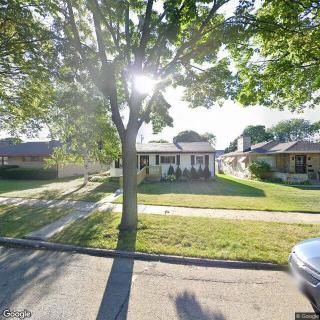
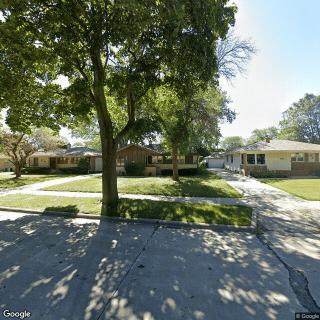
Tranquil Gardens Adult Family Home

4276 North 68 Th Street, Milwaukee, WI 53216

For more information about senior living options: (844) 490-3973

5 from 3 reviews
5 stars
3
4 stars
0
3 stars
0
2 stars
0
1 stars
0

Assisted Living Board and Care Home Memory Care

Overall Review of Tranquil Gardens Adult Family Home

Pros

  • pro Ben is an exceptional therapist who helped a client's mother regain her confidence and mobility.
  • pro He is kind, knowledgeable, and always goes above and beyond to support his patients.
  • pro He is highly recommended.

Cons

  • pro None detected.

Review

Ben emerges in this account as more than just a clinician; he is described as an exceptional therapist whose care quietly extended far beyond standard expectations. The author's experience centers on the transformative impact Ben had on their mother, painting a picture of a practitioner whose influence reaches into daily life, self-perception, and the sense of possibility that comes with renewed well-being. In this narrative, Ben's presence in the healing process is a defining element, shaping both the pace of recovery and the tone of the journey itself.

A standout outcome highlighted by the reviewer is a notable restoration of confidence and mobility. The mother's regained assurance in her own abilities is presented as a milestone that matters as much as any physical improvement. Mobility, once perhaps frail or uncertain, becomes a more reliable, accessible part of daily life. Confidence, too, resurges, infusing activities with intention and reducing hesitation. The combination of enhanced mobility and renewed self-assurance contributes to a broader sense of independence and participation in everyday moments that might have previously felt more challenging or out of reach.

Central to the praise is Ben's character - kindness paired with knowledge. The reviewer emphasizes that his warmth and expert understanding create a therapeutic atmosphere built on trust and reassurance. Kindness is framed not merely as a pleasant attribute but as a foundational element that supports open communication, comfort during difficult moments, and sustained motivation. Knowledge, meanwhile, is portrayed as a practical resource - a capability to tailor approaches, explain plans clearly, and respond to evolving needs with competence. Together, these traits cultivate an environment where the patient feels seen, heard, and guided with competence.

The phrase "going above and beyond to support his patients" hints at a level of commitment that transcends routine care. While the specifics aren't enumerated, the sentiment implies actions such as personalized attention, responsiveness to concerns, and a willingness to adapt plans to fit the mother's pace and preferences. It speaks to a clinician who invests extra time, clarity, and consideration into the therapy process, recognizing that recovery often requires more than standardized protocols. This dedication is portrayed as a key driver of the positive outcome and of the trust placed in him by family members seeking the best for their loved ones.

Beyond the immediate clinical gains, the reviewer's account suggests broader benefits to the mother's life. When confidence returns alongside mobility, social participation and everyday activities regain their footing, enabling fuller engagement with family, friends, and the community. The emotional uplift that accompanies physical improvement - hope, autonomy, and a sense of control over one's body - can ripple outward, reinforcing motivation to engage in therapy and maintain progress. In this light, Ben's influence is seen as a catalyst for a more active, engaged, and empowered life for the patient.

The closing sentiment - an explicit, strong recommendation - caps the narrative: this experience is described as highly recommended. Such a conclusion signals to others seeking care that the combination of genuine kindness, professional expertise, and an above-and-beyond approach has the potential to yield meaningful, lasting results. The endorsement carries weight because it reflects not just temporary relief but a durable shift in confidence, mobility, and overall well-being that can alter the trajectory of a patient's life.

For those considering therapies of this kind, the account offers a meaningful portrait of what to look for. A practitioner who blends empathy with expertise, and who demonstrates a willingness to adapt and extend support beyond standard sessions, can make a substantial difference in both physical outcomes and emotional resilience. This narrative of care underscores the value of a patient-centered approach where the clinician's demeanor and competence work in tandem to foster trust, motivate progress, and empower individuals to reclaim independence and a hopeful sense of possibility.

Features

Housing

  • 4 resident community capacity 4 resident community capacity

Types of Care

  • Assisted Living Assisted LivingAssisted living facilities provide crucial support and care for seniors who may need help with daily tasks such as medication management, bathing, and meal preparation. These communities offer a safe and comfortable environment where seniors can maintain their independence while receiving the assistance they need to thrive in their golden years.
  • Board and Care Home Board and Care HomeBoard and care homes provide a smaller, more intimate setting for seniors who require assistance with daily tasks but do not need the level of care offered by a nursing home. They offer personalized care, meals, and social activities in a homelike environment, ensuring that seniors receive individualized attention and support in their golden years.
  • Memory Care Memory CareMemory care is crucial for seniors as it provides specialized support and services for individuals with dementia or Alzheimer's disease. These programs offer a safe and secure environment where residents receive personalized care, cognitive stimulation, and help with daily activities. Memory care helps seniors maintain their independence, quality of life, and dignity while also providing peace of mind for their families.

Amenities

  • Cable or satellite TV Cable or satellite TVCable or satellite TV is important for seniors because it provides entertainment, news, and companionship, helping to combat loneliness and boredom. It also offers a wide range of programming options tailored to different interests and preferences.
  • Dining room Dining roomDining rooms are important for seniors as they provide a space for socialization, connection, and nutritious meals. They offer opportunities for residents to bond over shared meals, foster a sense of community, and promote healthy eating habits. Dining rooms also ensure that seniors have access to well-balanced meals tailored to their dietary needs and preferences.
  • Fully furnished Fully furnishedFully furnished senior living communities are important for seniors because they provide convenience, comfort, and a hassle-free moving experience. Seniors can easily settle into their new living space without the stress of having to buy and move furniture. This allows them to focus on enjoying their new home and community.
  • Garden GardenGardens are important for seniors as they provide a peaceful and therapeutic environment for relaxation, physical activity, and socialization. Being in nature has been shown to reduce stress, improve mood, and promote overall well-being. Gardens also offer opportunities for seniors to engage in gardening activities, which can improve mobility, flexibility, and cognitive function. Additionally, gardens create a sense of community and connection with others who share a passion for plants and outdoor spaces.
  • Housekeeping services Housekeeping servicesHousekeeping services are important for seniors because they help maintain a clean and safe living environment, promote independence, and reduce the risk of accidents or illnesses. Additionally, having assistance with household chores can alleviate physical strain and allow seniors to focus on other aspects of their well-being.
  • Move-in coordination Move-in coordinationMove-in coordination is important for seniors because it helps ease the transition into their new living environment. It ensures that all logistics, such as packing, organizing movers, and setting up utilities are taken care of, allowing seniors to focus on settling in and adjusting to their new home. Having a smooth move-in process can alleviate stress and anxiety, making the transition smoother and more enjoyable for seniors.
  • Outdoor space Outdoor spaceOutdoor spaces are important for seniors as they provide opportunities for physical activity, social interaction, exposure to natural light and fresh air, and a sense of connection to nature. Having access to outdoor spaces can improve overall well-being and quality of life for older adults living in senior communities.
  • Telephone TelephoneTelephones are important for seniors as they provide a lifeline for communication with loved ones, emergency services, and healthcare providers. They offer a sense of security and independence, enabling seniors to stay connected and access assistance when needed.
  • Wi-Fi/high-speed internet available Wi-Fi/high-speed internet availableWi-Fi/high-speed internet is important for seniors to stay connected with loved ones, access online resources, and participate in virtual activities to combat feelings of loneliness and isolation. It also allows them to easily manage healthcare needs, access entertainment, and engage in lifelong learning opportunities.

Transportation

  • General Mitchell International (11 miles away) General Mitchell International (11 miles away)

Care Services

  • 24-hour supervision 24-hour supervision24-hour supervision is important for seniors to ensure their safety, well-being, and access to immediate assistance in case of emergencies or health issues. This constant support provides peace of mind for both seniors and their loved ones, allowing them to age in place with dignity and security.
  • Activities of daily living assistance Activities of daily living assistanceActivities of daily living assistance are important for seniors because they provide essential support with tasks such as eating, bathing, dressing, and mobility. This assistance helps seniors maintain their independence, dignity, and overall quality of life as they age.
  • Assistance with bathing Assistance with bathingAssistance with bathing is crucial for seniors as it helps maintain personal hygiene, prevents infections, and ensures their overall well-being and comfort. It also provides a sense of dignity and independence for seniors who may struggle with this task on their own.
  • Assistance with dressing Assistance with dressingAssistance with dressing is important for seniors because it helps maintain their independence, promotes personal hygiene, prevents accidents and injuries, and improves overall quality of life. This service ensures that seniors can continue to dress comfortably and confidently, despite any physical limitations they may have.
  • Assistance with transfers Assistance with transfersAssistance with transfers is crucial for seniors as it helps prevent falls and injuries, maintains their independence, and ensures they can safely navigate their living environment. It also provides peace of mind for both seniors and their loved ones.
  • Coordination with health care providers Coordination with health care providersCoordination with health care providers is crucial for seniors to ensure proper medical care, medication management, and overall well-being. This collaboration helps prevent overlapping treatments, track progress more effectively, and provide comprehensive support tailored to individual needs.
  • Dementia waiver Dementia waiverDementia waivers are essential for seniors as they provide critical protections and accommodations for those experiencing cognitive decline. These waivers ensure individuals with dementia receive appropriate care, support, and resources to maintain their quality of life and dignity as they navigate the challenges of this progressive condition.
  • Diabetes diet Diabetes dietA diabetes diet is crucial for seniors as it helps manage blood sugar levels, reduce risks of complications, and improve overall health and well-being. By following a balanced and nutritious diet tailored to their specific needs, seniors can better control their diabetes and enhance their quality of life.
  • Hospice waiver Hospice waiverHospice waivers are important for seniors because they allow individuals to receive specialized end-of-life care and support at home or in a hospice facility. This waiver ensures that seniors can access the necessary resources and services to maintain comfort and dignity during their final days.
  • Meal preparation and service Meal preparation and serviceMeal preparation and service are crucial for seniors as they may have limited mobility or energy to cook nutritious meals. Having access to healthy and convenient food options can ensure they are getting the proper nutrition needed to maintain their overall health and well-being.
  • Medication management Medication managementMedication management is crucial for seniors to ensure they are taking the right medications at the correct dosages and times. This helps prevent adverse drug interactions, reduces the risk of medication errors, and promotes overall health and well-being. Proactive management also allows for adjustments as needed based on changing health conditions or new prescriptions.
  • Mental wellness program Mental wellness programMental wellness programs are essential for seniors as they promote cognitive stimulation, emotional support, and social engagement. These programs help prevent isolation, depression, and cognitive decline, ultimately enhancing the overall quality of life for older adults.
  • Mild cognitive impairment Mild cognitive impairment"Mild cognitive impairment" is important for seniors because it is an early stage of cognitive decline that can potentially progress to more severe conditions such as dementia. Recognizing and addressing mild cognitive impairment can help seniors receive appropriate care and support to maintain their quality of life and independence for as long as possible.
  • Special dietary restrictions Special dietary restrictionsSpecial dietary restrictions are important for seniors because age-related changes in metabolism and health conditions can make it difficult for their bodies to process certain foods. By following a diet tailored to their specific needs, seniors can maintain their overall health and well-being, manage chronic conditions, and reduce the risk of complications such as malnutrition or food interactions with medications.
  • Specialized memory care programming Specialized memory care programmingSpecialized memory care programming is crucial for seniors with cognitive impairments such as dementia or Alzheimer's disease. These programs provide a safe and supportive environment tailored to the unique needs of individuals with memory loss, helping them maintain their independence, dignity, and quality of life.
  • Transportation arrangement (medical) Transportation arrangement (medical)Transportation arrangements for medical purposes are essential for seniors as they may have difficulty driving themselves to appointments or accessing public transportation. Having reliable and safe transportation options ensures that seniors can receive timely medical care and maintain their health and well-being.
  • Transportation to doctors appointments Transportation to doctors appointmentsTransportation to doctors' appointments is crucial for seniors as it ensures they have access to necessary medical care and support for their health needs. Without reliable transportation, seniors may struggle to attend important appointments, leading to potential delays in treatment and health complications. Providing transportation services helps seniors maintain their overall well-being and quality of life.

Dining

  • Diabetes diet Diabetes dietA diabetes diet is crucial for seniors as it helps manage blood sugar levels, reduce risks of complications, and improve overall health and well-being. By following a balanced and nutritious diet tailored to their specific needs, seniors can better control their diabetes and enhance their quality of life.
  • Special dietary restrictions Special dietary restrictionsSpecial dietary restrictions are important for seniors because age-related changes in metabolism and health conditions can make it difficult for their bodies to process certain foods. By following a diet tailored to their specific needs, seniors can maintain their overall health and well-being, manage chronic conditions, and reduce the risk of complications such as malnutrition or food interactions with medications.

Activities

  • Community-sponsored activities Community-sponsored activitiesCommunity-sponsored activities are important for seniors as they provide opportunities for social interaction, mental stimulation, and physical activity. These activities can help improve overall well-being, combat loneliness and isolation, and promote a sense of belonging and purpose among older adults.
  • Scheduled daily activities Scheduled daily activitiesScheduled daily activities are important for seniors because they provide structure, socialization, mental stimulation, and physical activity. Engaging in regular activities can improve overall well-being and quality of life for seniors living in a community setting.

Description

Tranquil Gardens Adult Family Home in Milwaukee, WI is an assisted living community that provides a serene and supportive environment for seniors who require assistance with daily activities and memory care. Residents can expect a comfortable and fully furnished living space, complete with a dining room for communal meals. The outdoor space, including a garden, offers opportunities for relaxation and enjoying nature.

Housekeeping services are available to ensure a clean and tidy living environment. Additionally, move-in coordination is provided to ease the transition into the community. Wi-Fi/high-speed internet and telephone services are available to keep residents connected with their loved ones.

The professional staff at Tranquil Gardens Adult Family Home is dedicated to providing comprehensive care services tailored to each individual's needs. Assistance with activities of daily living, such as bathing, dressing, and transfers, is readily available. The staff also coordinates with healthcare providers to ensure holistic care for the residents.

For those requiring specialized dementia or memory care services, Tranquil Gardens Adult Family Home offers programming specifically designed to support their unique needs. The community also provides a mental wellness program to promote cognitive health and well-being.

Residents can have peace of mind knowing that medication management is handled by trained professionals. Meal preparation and service cater to special dietary restrictions, including diabetes diet requirements. Hospice waiver services are available for those in need of end-of-life care.

Transportation arrangement for medical needs and doctors' appointments is provided by the community. Scheduled daily activities keep residents engaged and entertained within the community.

In terms of amenities nearby, there are three cafes, four parks, 17 pharmacies, six physicians' offices, 20 restaurants, one transportation facility nearby. Tranquil Gardens Adult Family Home ensures that residents have access to essential services such as places of worship and hospitals located within close proximity.

Tranquil Gardens Adult Family Home is dedicated to creating a warm and caring environment where seniors can receive personalized assistance while maintaining their independence and enjoying a fulfilling lifestyle.

Nearby Places of Interest

This part of Milwaukee, Wisconsin, offers a convenient and diverse range of amenities for senior living. With multiple pharmacies, hospitals, and physicians within a relatively short distance, residents have access to quality healthcare services. Additionally, there are various dining options nearby, including fast food restaurants as well as sit-down establishments like Leff's Lucky Town. For those who enjoy the outdoors, several parks provide opportunities for recreation and relaxation. The presence of cafes like Starbucks allows for socializing and enjoying coffee with friends or family. Transportation options are also available, with U-Haul Moving & Storage and the Milwaukee Intermodal Station in close proximity for easy travel. Overall, this area provides a mix of services that cater to the needs and interests of seniors looking to live comfortably in Milwaukee.

Restaurants

  • Checkers (0.6 miles)
  • Shark's Fish & Chicken (1.3 miles)
  • McDonald's (3 miles)
  • Leff's Lucky Town (3.3 miles)
  • McDonald's (3.5 miles)
  • Culver's (3.6 miles)
  • McDonald's (3.6 miles)

Pharmacies

  • Walgreens (0.7 miles)
  • Walgreens (1 miles)
  • Walgreens (1.9 miles)
  • Walgreens (2 miles)
  • CVS Pharmacy (2.6 miles)
  • Walgreens (2.6 miles)
  • Walgreens (2.8 miles)

Places of Worship

  • Northwest Baptist Church (1.6 miles)
  • Redemption Lutheran Church (1.7 miles)
  • Honey Creek Church (4.2 miles)

Hospitals

  • Wheaton Franciscan - St. Joseph Campus (1.8 miles)
  • Aurora Psychiatric Hospital (3.4 miles)
  • Froedtert Pavilion (3.9 miles)
  • Ambulatory EEG Recordings (4.6 miles)
  • Aurora Sinai Medical Center (5.1 miles)

Physicians

  • Aurora Advanced Healthcare (2.9 miles)
  • Froedtert Hospital (4 miles)
  • Froedtert Clinical Cancer Center (4 miles)
  • Aurora Nephrology (4.3 miles)
  • Aurora Health Center (4.4 miles)
  • Wheaton Franciscan Medical Group (4.5 miles)
  • Rheumatic Disease Center (5.5 miles)

Parks

  • Hoyt Park (3.1 miles)
  • Wil-O-Way Underwood Park (3.7 miles)
  • Estabrook Park (4.6 miles)
  • Algonquin Park (4.7 miles)
  • Brown Deer Park (5 miles)
  • Kern Park (5.2 miles)
  • Elm Grove Village Park (5.4 miles)

Cafes

  • Starbucks (3.1 miles)
  • Starbucks (3.7 miles)
  • Starbucks (4.2 miles)
  • Starbucks (5.3 miles)

Transportation

  • U-Haul Moving & Storage (3.7 miles)
  • Milwaukee Intermodal Station (5.8 miles)

Frequently Asked Questions

Where is Tranquil Gardens Adult Family Home?
Does Tranquil Gardens Adult Family Home provide care for residents with dementia or Alzheimer's disease?

Nearby Communities

Related Resources

  • in home dementia care costsEstimating the Expenses of At-Home Dementia Care: A Detailed Exploration

    At-home dementia care expenses vary widely based on care levels, location, and caregiver expertise, with monthly costs for home health aides exceeding $4,500 and specialized care potentially surpassing $100,000 annually. While families favor in-home care for its comfort and personalized attention, they must consider financial planning and the challenges of caregiver fatigue.

  • end stage dementiaComprehensive Insights on the Late Stages of Dementia: What to Expect and How to Provide Care

    The article discusses the late stages of dementia, detailing the progression from mild to severe impairment and highlighting key characteristics such as profound cognitive decline and dependency in daily activities. It emphasizes care strategies focused on comfort and dignity, the importance of advance directives, and the emotional support needed for family caregivers facing this challenging journey.

  • list of drugs linked to dementiaMedications Associated with Dementia Risk: A Comprehensive Overview

    The article examines the link between certain medications and increased dementia risk, particularly in older adults, emphasizing that long-term or high-dose use of anticholinergics, benzodiazepines, and other drug classes can exacerbate cognitive impairment. It calls for careful medication evaluation and shared decision-making to mitigate these risks while managing treatment efficacy.