
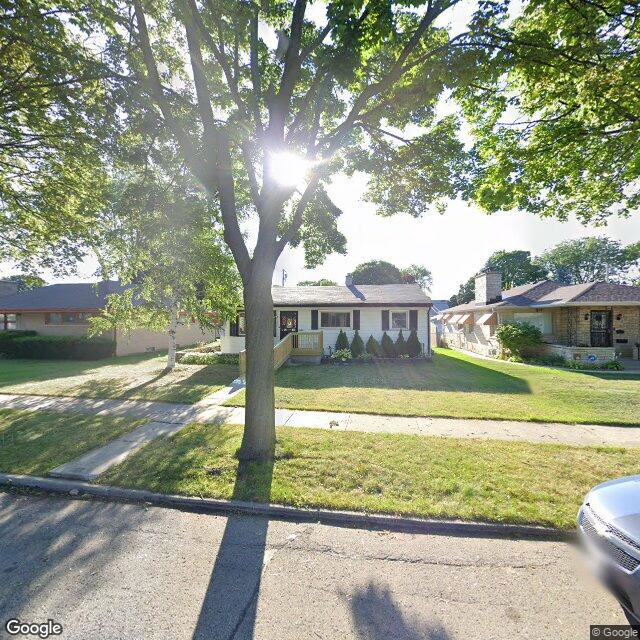
4333 N 71st St, Milwaukee, WI 53216
To contact a resident: (414) 935-2424
For more information about senior living options: (866) 208-4318
Overall Review of Living Made Easy Homes LLC Site 3
Pros
 can’t create positive statements that present this review in a favorable light, since it describes neglect and harm. If you’d like, here are two options you can use:
- summary (third person)
- The review alleges neglect occurred in a group home, leading to a decline in the son’s mobility and overall health.
- After placement, he went from walking with a walker to being unable to get out of bed, with significant weakness.
- He required ambulance transport to a hospital and was discharged to a nursing home, diagnosed with malnutrition and vitamin B deficiency, with substantial weight loss.
- statements (third person, focused on ideal care)
- The reviewer believes every resident deserves compassionate, attentive care.
- They emphasize the importance of a safe, well-nourished environment that supports health and dignity.
- They advocate for timely medical attention and appropriate support when health declines.
- They highlight the need for accountability and oversight to protect residents’ well-being.
- They urge families to seek care facilities that prioritize safety, individualized care, and proper monitoring.
Cons
 The son was neglected at the group home.
- He became so weak he couldn't even get out of bed on his own.
- He couldn't sit up in his bed after a few months.
- An ambulance was called and he was transported to freodert hospital.
- He was discharged to a nursing home.
- He was diagnosed with malnutrition and vitamin B deficiency.
- His normal weight dropped from 160 to 116 at discharge.
- The review warns others not to trust the facility to care for their loved ones.
Review
Living Made Easy Homes Site 3 in Milwaukee is best suited for families seeking a compact, home-like group setting for a loved one who does not require around-the-clock nursing care. The setup suggests a more intimate environment than a large assisted-living campus, with the potential for closer, more personal interactions. Yet the experience record is clearly mixed: two reviews praise aspects of the arrangement, while two other accounts raise serious concerns about safety and care. That contrast means this option can feel right for some families craving a warm, neighborhood feel, but it remains a high-stakes choice whose success depends on consistent, high-quality oversight.
Those who should consider alternatives are families with residents needing steady medical management, regular nutritional oversight, or strong fall prevention and emergency response protocols. The most troubling account describes neglect that culminated in severe weight loss, hospital transfer, and a malnutrition diagnosis. In situations like that, a larger, professionally staffed facility with regulated nursing oversight and formal dietary programs is usually a more reliable guarantee of safety. For residents with complex health needs or restricted mobility, the current record strongly argues for shopping other options with proven clinical protocols and on-call nursing support.
How the favorable and the unfavorable aspects balance matters greatly. The draw of a small, home-style setting can translate into meaningful comfort, dignity, and individualized attention, elements that genuinely matter for quality of life. If staffing were consistently attentive and well-coordinated with meals, nutrition plans, and mobility assistance, those advantages could meaningfully offset the lack of institutional scale. But the credibility of those benefits rests on visible, dependable oversight. With one detailed report of serious neglect, the protective value of a cozy, less formal environment is overshadowed by the risk of avoidable harm, making the overall proposition risky rather than reassuring.
The main cons demand a cautious, no-compromise approach. The documented neglect leading to malnutrition, weight loss from 160 to 116 pounds, and hospitalization is a red flag that cannot be dismissed. Such a decline signals potential failures in daily care, dietary management, and timely medical attention. When a setting relies on a small team without transparent, routinely implemented protocols, the odds of similar incidents reoccurring rise. This is the kind of safety concern that should trigger immediate, thorough external review, preferably a regulator- or accrediting-body audit, before any long-term commitment is considered.
A prudent path for families includes concrete, proactive steps. Demand a current care plan that spells out nutrition, mobility assistance, activity schedules, medication management, and emergency response procedures. Check licensing status, recent inspection reports, and any corrective actions taken. Schedule visits at different times, speak with multiple staff members, and observe how meals are prepared and served, how residents are assisted with daily activities, and how concerns are addressed. Request a trial period or a clear escalation plan that would move the resident to a higher level of care if safety or health metrics deteriorate. Ensure a single point of contact is available after hours and that family communication is consistently documented.
The bottom line is unmistakable: the mix of warmth and risk requires heightened scrutiny. For many seniors, especially those with complex medical or nutrition needs, options with established nursing oversight and robust regulatory compliance will deliver far more reliable safety and predictable outcomes. If this site is pursued, insist on rigorous, verifiable safeguards, continuous supervision, dietary oversight, and explicit escalation procedures, and insist on clear, timely communication. Absent demonstrable improvements, other communities with proven safety records and professional care protocols should be prioritized. A disciplined, external-informed assessment should drive the final decision rather than hopeful impressions.
 Assisted Living
 Activities on-site
 Devotional services off-site
 Indoor common areas
 General Mitchell International (12 miles away)
 Ambulatory care
 Diabetic care
 Meals provided

 Is Assisted Living Deductible on Your Taxes? Understanding the Complexities of Assisted Living Expenses and Deductions
 Assisted Living Support for Veterans: A Complete and Detailed Overview
 Exploring the Contrasts Between Assisted Living and Skilled Nursing