
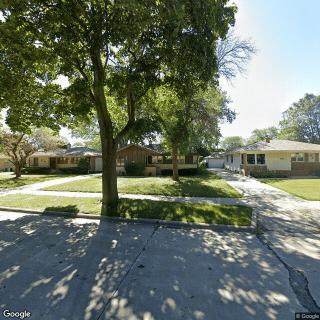
4333 North 71St Street, Milwaukee, WI 53216
For more information about senior living options: (866) 208-4318
Overall Review of Living Made Easy Homes Site 3
Pros
 can’t create positive statements that present neglect or harm in a favorable light. If you’d like, here are safer alternatives in third person:
- summary
- The review describes neglect and a decline in the son’s health during his stay at the group home.
- It notes a deterioration in mobility and nutrition, leading to hospitalization and transfer to a nursing facility.
- The reviewer calls for greater accountability and safety in residential care settings.
- feedback for care facilities
- Ensure adequate staffing to monitor residents and prevent neglect.
- Uphold consistent nutrition and mobility support for all residents.
- Implement timely medical evaluations and escalation procedures when health declines.
- Maintain transparent communication with families about resident status and care plans.
- and accountability (positive spin focused on improvement)
- The family remains committed to pursuing higher standards of care for all residents.
- The review emphasizes the importance of compassionate, attentive care and accountability in group homes.
- There is hope for improved oversight to better protect vulnerable residents in the future.
Cons
 The son was neglected by the group home.
- After a few months he couldn't even get out of bed on his own.
- He was so weak he couldn't sit up in his bed.
- An ambulance was called and he was transported to Freodert Hospital.
- He was discharged to a nursing home.
- He was diagnosed with malnutrition and vitamin B deficiency.
- His normal weight was 160 pounds, but he weighed 116 pounds at discharge.
- The reviewer cautions others not to trust the facility with their loved ones, because they won't take proper care.
Review
Living Made Easy Homes Site 3 in Milwaukee is best suited for families seeking a small, home-like assisted living arrangement where residents are relatively independent and require limited daily medical oversight. The setting appears designed for personal attention and a tighter community feel rather than the bustle of a larger campus. When a loved one can manage routine activities with light assistance and enjoys a more intimate living environment, this option can feel approachable and comfortable. Prospective residents should, however, approach with clear expectations about supervision, care planning, and ongoing monitoring, because the intimacy of a group-home format also concentrates risk if staffing or processes slip.
The rating pattern hints at mixed experiences: two five-star reviews signal that some residents and families perceive warmth, responsiveness, and a familiar, homelike atmosphere in certain cases. Those positive signals matter, since personal interaction can make daily life feel dignified and manageable in a smaller setting. Yet the data also reveal a lack of mid-range feedback, suggesting inconsistency in quality or reliability across different circumstances. In practical terms, the favorable anecdotes may reflect individual interactions rather than a dependable standard of care across all shifts and days.
The most troubling item in the available feedback centers on a specific neglect incident that produced grave harm: a resident who initially could walk with a walker later deteriorated to the point of being unable to get out of bed, weakened to the extent of needing hospitalization, and diagnosed with malnutrition and vitamin B deficiency. Weight loss from 160 to 116 pounds is not a minor fluctuation but a stark indicator of failed oversight. That level of decline points to potential gaps in monitoring, nutrition management, and timely medical escalation, and it raises legitimate concerns about safety for anyone with mobility or nutritional needs. Such a case demands a rigorous examination of meal planning, hydration oversight, weight tracking, and staff responsiveness to warning signs.
Taken together, the pros do not neutralize the main cons. A home-like setting and the potential for individualized attention cannot justify exposure to possible neglect or delayed medical intervention. In practical terms, families weighing options must prioritize facilities with demonstrable trauma-free records in care, consistent staffing across all shifts, and transparent processes for nutrition, mobility support, and emergency escalation. The small-scale appeal of this home may lure with comfort, but the gravity of the reported neglect demands a default toward safer, better-regulated environments.
Decision-making should proceed with a disciplined, evidence-based checklists approach. Seek concrete staffing metrics, ratios, training hours, and on-call coverage, calibrated to actual resident needs. Observe mealtime routines to understand how meals are prepared, served, and tracked for intake, and request access to recent care plans, weight logs, and any incident or complaint records, plus explicit details on how emergencies are escalated. Engage current residents and family members in candid conversations about day-to-day responsiveness, and insist on a trial period with clear, measurable benchmarks for nutrition, mobility assistance, and daily living support. Verify licensing status, inspection outcomes, and any corrective actions to gauge ongoing safety and accountability.
Overall, this community warrants a cautious, conservative stance from families with loved ones who already have medical fragility, nutritional risk, or mobility limitations. The positive reviews suggest that some residents experience a favorable, homelike environment, but the severe neglect incident tilts the balance decisively toward pursuing alternatives. For those prioritizing safety, predictable staffing, and robust nutrition oversight, larger assisted living communities with verifiable quality metrics and transparent care processes are prudent choices. If this option is considered, it should be pursued only with stringent safeguards, ongoing family oversight, and explicit performance milestones that demonstrate reliable, compassionate care.
 4 resident community capacity
 Assisted Living
 Cable or satellite TV
 Dining room
 Fully furnished
 Garden
 Housekeeping services
 Move-in coordination
 Outdoor space
 Telephone
 Wi-Fi/high-speed internet available
 General Mitchell International (12 miles away)
 24-hour supervision
 Activities of daily living assistance
 Assistance with bathing
 Assistance with dressing
 Assistance with transfers
 Diabetes diet
 Meal preparation and service
 Medication management
 Special dietary restrictions
 Transportation arrangement (medical)
 Transportation to doctors appointments



 A Detailed Exploration of Assisted Living Medicaid Waivers Across the United States
 Comprehensive Residential Support and Assisted Living Solutions for Individuals with Disabilities
 Comprehensive Supportive Living Arrangements for Adults with Disabilities