
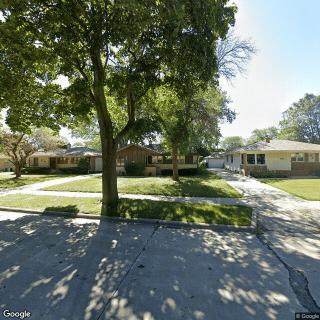
4303 North 64 Th Street, Milwaukee, WI 53216
For more information about senior living options: (866) 208-4318
Overall Review of MTJ Residential Development Home
Pros
 Kyle Caldwell and Morgan are wonderful human beings.
- They are especially helpful to women with children but also welcome women with no children as well.
- This is the best AODA treatment center in Wisconsin.
- Meta House has a team approach.
- The ENTIRE staff, clinical and support, gives such energy and effort to help people move through the mud and fog that addiction leaves them in.
- This place addresses all problems and issues, allows children to live there with residents, and helps rebuild lives.
- They lead and they support while residents make choices for their own life.
- The treatment model used here is nationally recognized.
- The 5 stars are mostly dedicated to their goodness and sincerity.
Cons
 The customer service at Meta House is extremely poor; they can’t reach anyone when questions arise.
- A client reports that staff hung up on them during a conversation.
- The facility is very dirty, and the staff are poorly trained.
- They control residents' behavior with food and a token system that can punish good behavior.
- Residents are not allowed to eat when hungry, only at restricted times.
- There is one shared, dirty phone and medications are misplaced daily.
- The staff routinely eat chips and candy in front of residents, with little kindness shown.
- Rooms have no door locks and staff can enter at will, leading to theft.
- The place is described as feeling like prison—better than prison but worse than a halfway house.
Review
This Milwaukee-based recovery program is best suited for adults who are deeply committed to a long-term, structured path to sobriety and personal reform. It rewards those who embrace accountability, group-based learning, and a hands-on approach to changing everyday habits. Reviewers consistently point to life-altering outcomes for participants who invest the work: enduring sobriety, restored or strengthened family ties, and visible progress in daily functioning. The program tends to amplify impact for individuals who can tolerate rigorous routines, sustained therapist and peer support, and a clear expectation that recovery requires ongoing personal effort rather than passive participation.
Those who may want to consider alternatives are individuals seeking a more flexible or cushioned experience, or anyone prioritizing pristine facilities, flawless safety, and consistently calm interactions with staff. Several reviews flag serious concerns that can be disqualifying for some: a dirty environment and poorly trained staff at times, high staff turnover, and episodes of unsafe or disrespectful treatment. Some commenters report mismanagement around medications, limited privacy, and intrusive or punitive dynamics that undermine trust. For families or residents sensitive to interpersonal safety, bullying among participants and questions about who is supervising and how concerns are addressed should be weighed carefully. If the priority is a low-stress, highly predictable setting, other options may serve better.
On the positive side, the core treatment model and the team-driven approach are repeatedly described as life-saving. The program’s emphasis on patient-led progress, “you do the work”, combined with professional guidance creates a powerful arc from dependence toward self-efficacy. Several accounts highlight staff and clinicians who bring energy, structure, and genuine care, capable of sustaining a participant through long inpatient stays and multiple transitions. The program also supports practical life goals: housing resources, education efforts like GED instruction, and a framework that helps residents rebuild with a clear sense of direction. For those who respond well to a collaborative, disciplined environment, the benefits can be profound and durable.
Yet the downsides are concrete and not trivial. Facility conditions and some staff interactions have drawn sharp criticism, ranging from cleanliness and maintenance gaps to reported privacy intrusions and inconsistent enforcement of rules. The most troubling anecdotes involve unsafe driving experiences, mislaid medications, and alleged theft of personal property, all of which erode trust and willingness to engage. Turnover among staff and uneven quality among counselors contribute to uneven experiences across residents. While several staff members are praised for their kindness and effectiveness, others are described as overbearing, unresponsive, or simply less competent, which can derail the recovery process for vulnerable individuals who need steady mentorship.
Despite these tensions, the core advantages, its proven treatment framework, the emphasis on personal responsibility, and demonstrable life changes, often offset the strongest drawbacks when the resident is a good fit. For many, the program delivers a structure that sustains sobriety beyond the walls of the facility, supports family reunification, and builds a foundation for stable housing and employment. The ability to stay connected to a supportive network and continue education or job planning while in residence is not a minor perk; it translates into real-world progress that lasts. The differences between success and setback commonly hinge on personal engagement, consistency of staff support, and the resident’s readiness to work within the program’s boundaries.
For families weighing this option, the practical verdict is clear: enter with clear expectations, a plan for ongoing aftercare, and a readiness to be actively involved in monitoring the environment. Prospective residents should tour the facility, ask pointed questions about medication handling, safety protocols, and the mechanism for addressing complaints, and talk to current participants about daily life and peer dynamics. If safety, privacy, and consistently high-quality staffing are non-negotiable, explore alternatives and compare with other reputable programs. If a disciplined, evidence-backed recovery trajectory aligned with personal responsibility is the priority, and the individual is prepared to engage fully, this Milwaukee program can be a powerful catalyst for lasting transformation.
 4 resident community capacity
 Assisted Living
 Board and Care Home
 Memory Care
 Cable or satellite TV
 Dining room
 Fully furnished
 Garden
 Housekeeping services
 Move-in coordination
 Outdoor space
 Telephone
 Wi-Fi/high-speed internet available
 General Mitchell International (11 miles away)
 24-hour supervision
 Activities of daily living assistance
 Assistance with bathing
 Assistance with dressing
 Assistance with transfers
 Diabetes diet
 Hospice waiver
 Meal preparation and service
 Medication management
 Mental wellness program
 Special dietary restrictions
 Transportation arrangement (medical)
 Transportation to doctors appointments


 A Holistic Dementia Care Guide: Effective Strategies for Memory Support
 Memory Care Pathways: A Holistic Guide to Dementia Support
 Comprehending Evening Confusion in Dementia: Causes, Manifestations, and Support