St Anne's Salvatorian Campus

Save

  • Interior

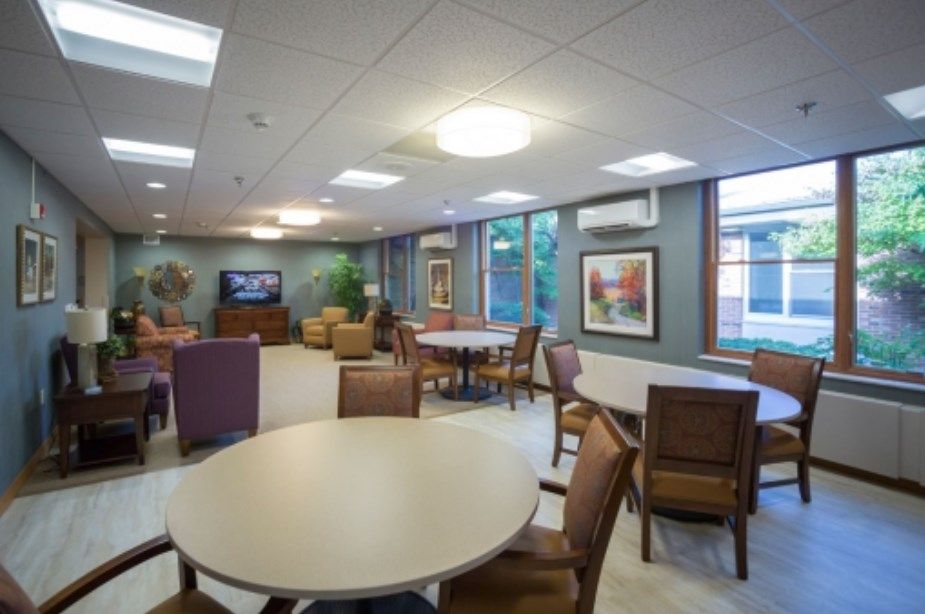
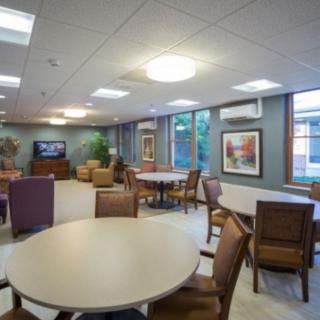
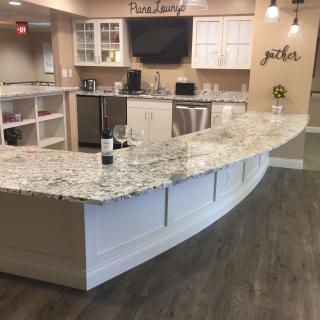
    A cozy lounge area with tables, chairs, a television, and wall decor.
  • Decor

    A cozy patio with a dining table set amidst lush plants and outdoor seating.
  • Living Room

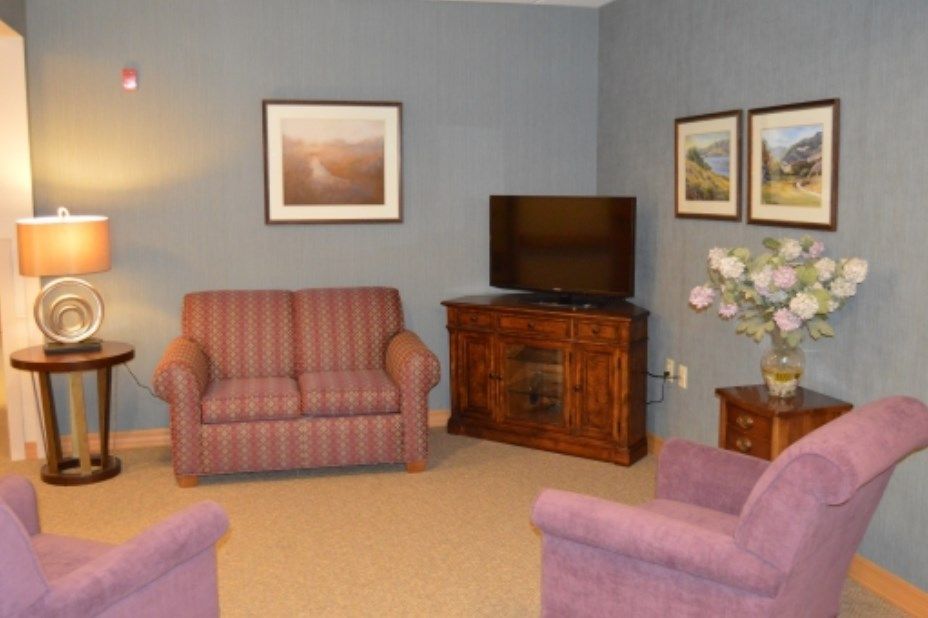
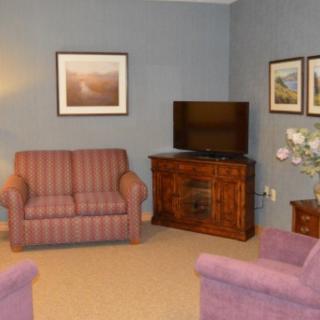
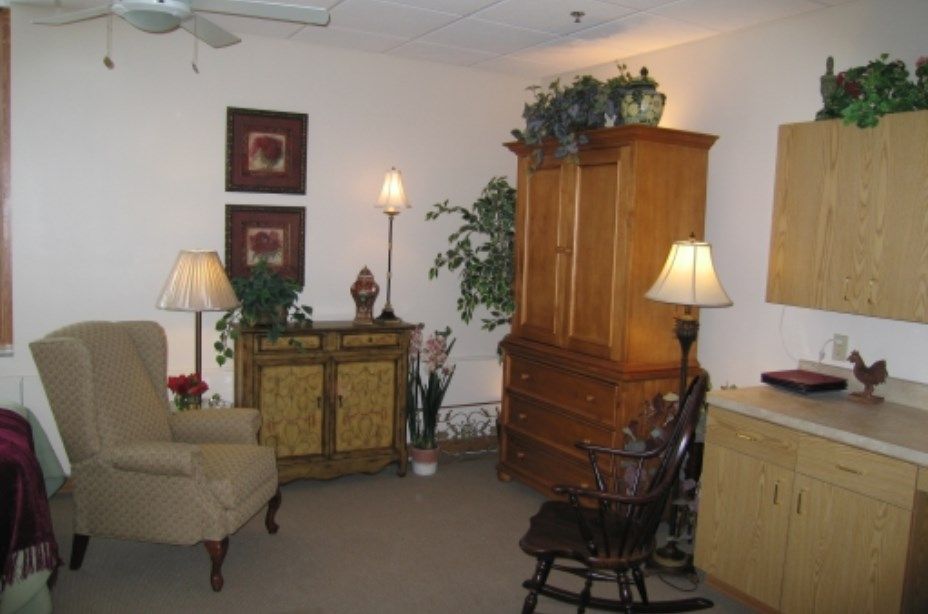
    A cozy living room with two armchairs, a sofa, a television on a wooden cabinet, and framed pictures on the wall.
  • Building

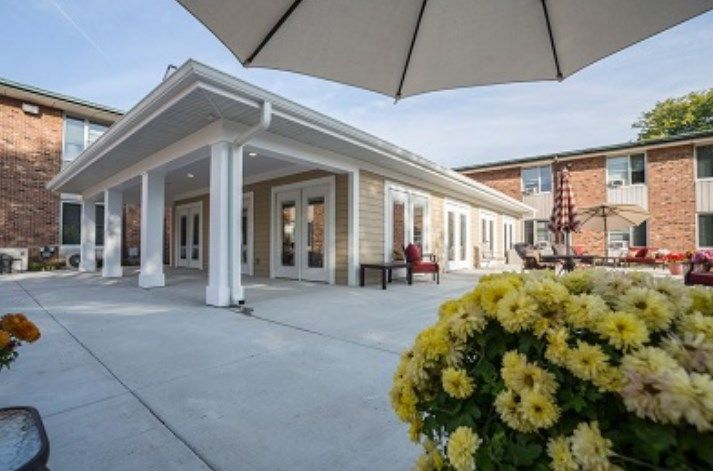
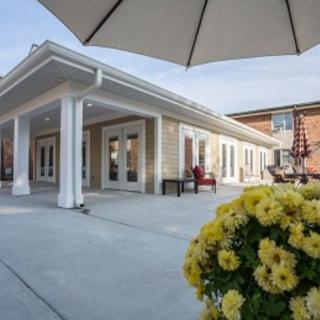
    A patio area with a building in the background, featuring flowers and an umbrella.
  • Bedroom

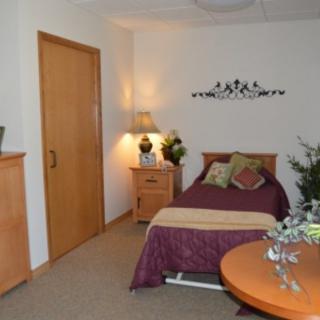
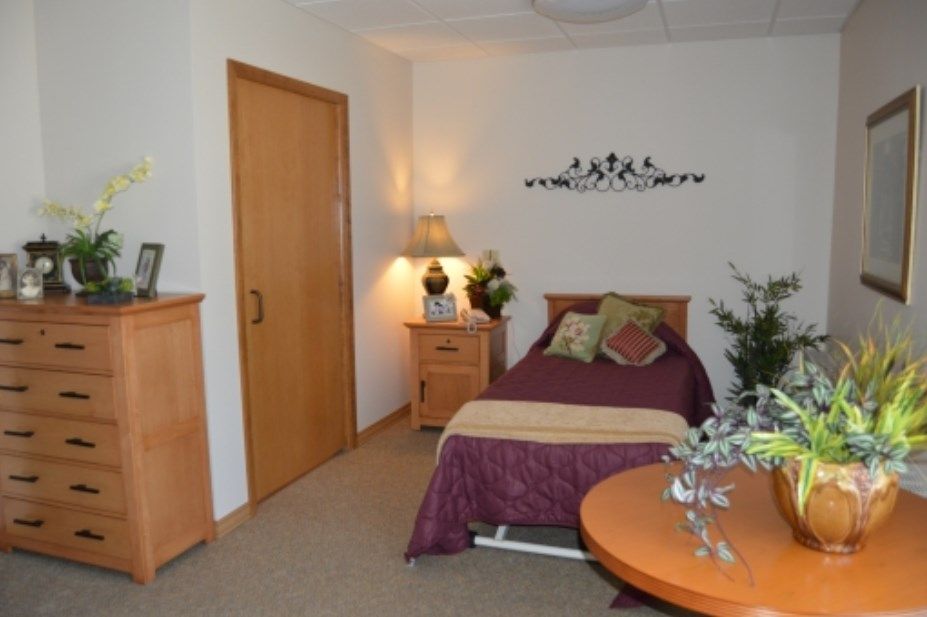
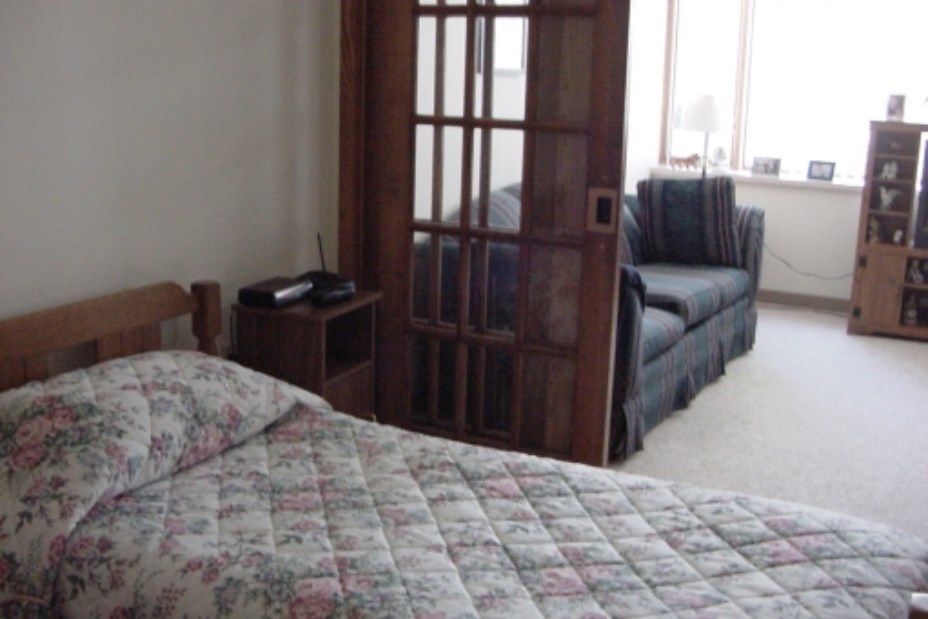
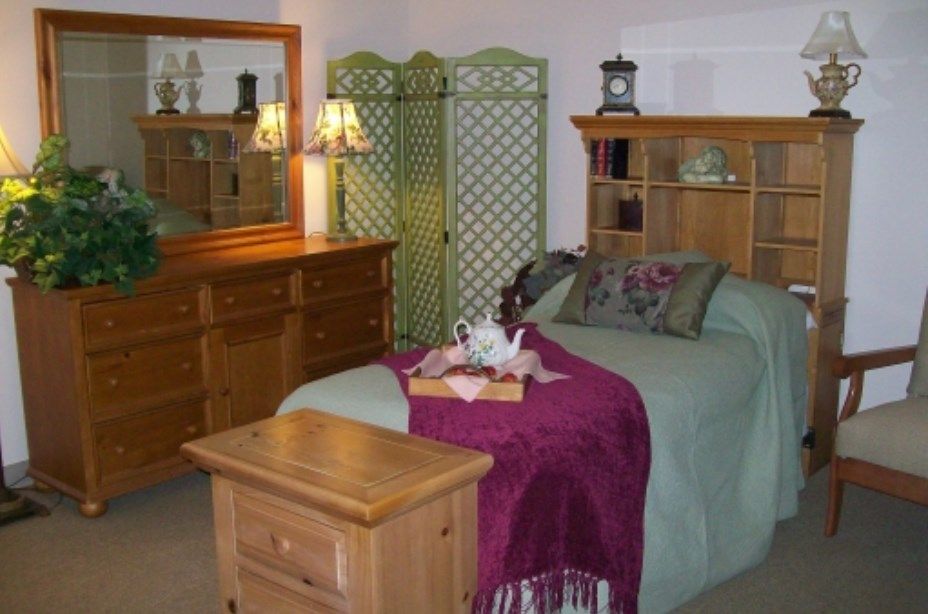
    A cozy bedroom featuring a single bed with pillows, a nightstand with a lamp, and decorative elements.
  • Windows

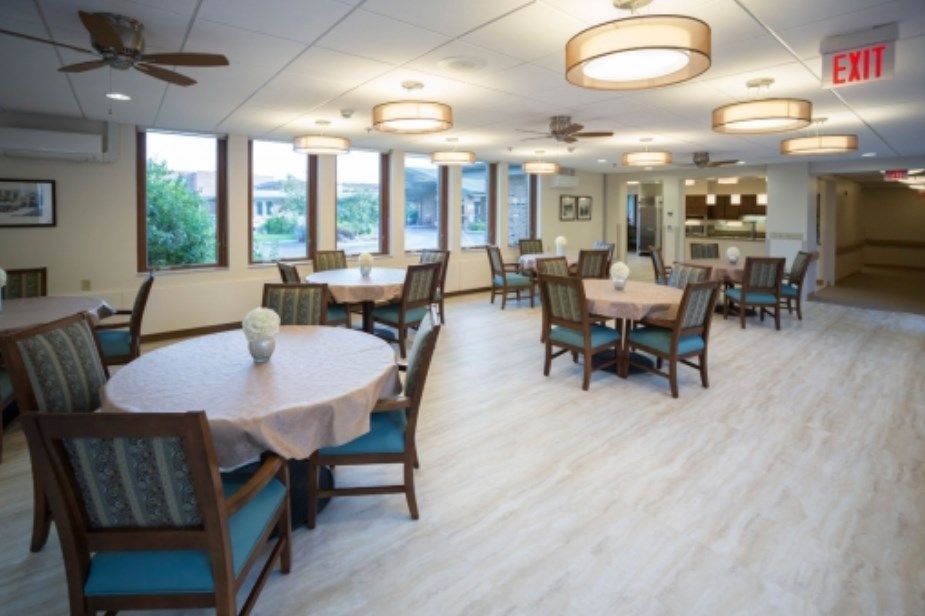
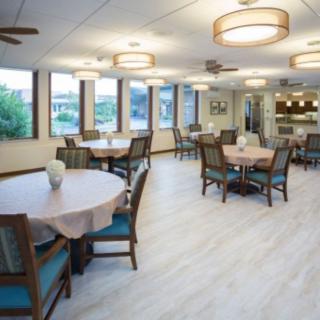
    A spacious and well-lit dining area with multiple tables and chairs, featuring large windows and modern lighting fixtures.
  • Dining

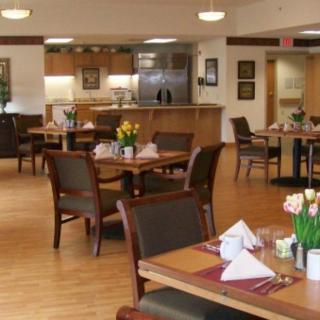
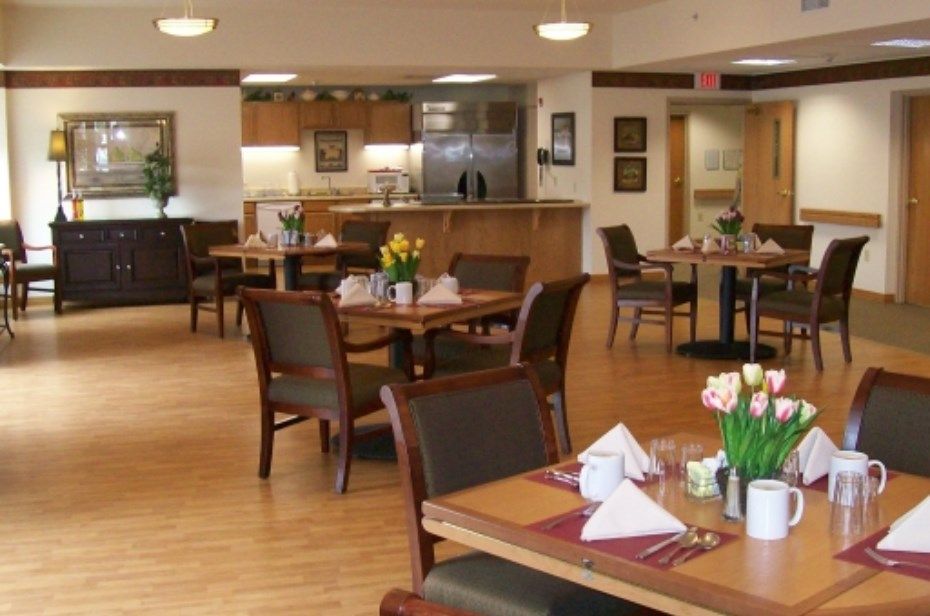
    An empty dining area with neatly set tables and chairs.
  • Kitchen

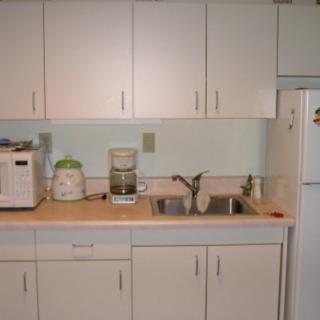
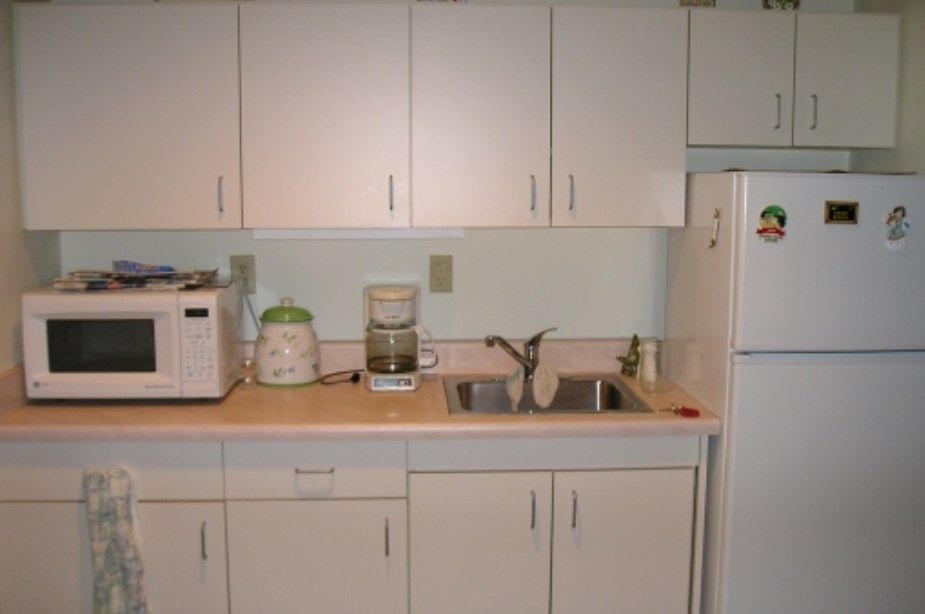
    A kitchen with white cabinets, countertop appliances, and a sink.
  • Artwork

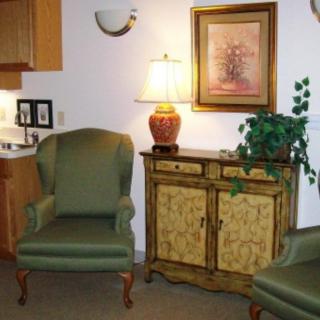
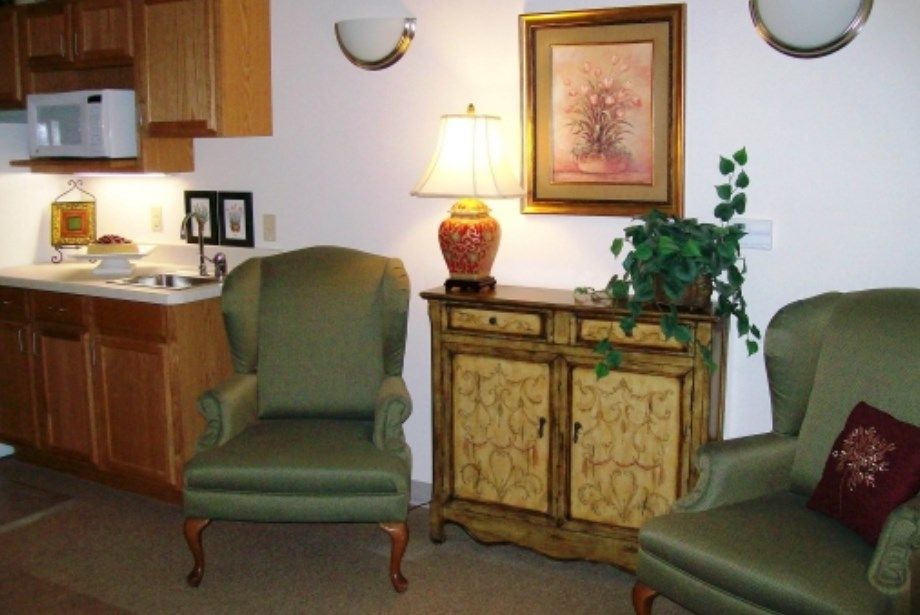
    A cozy living room setup featuring green armchairs, a decorative cabinet with a lamp on top, and artwork on the wall.
  • Bathroom

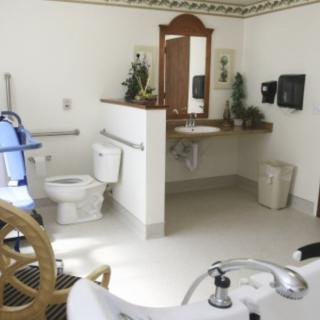
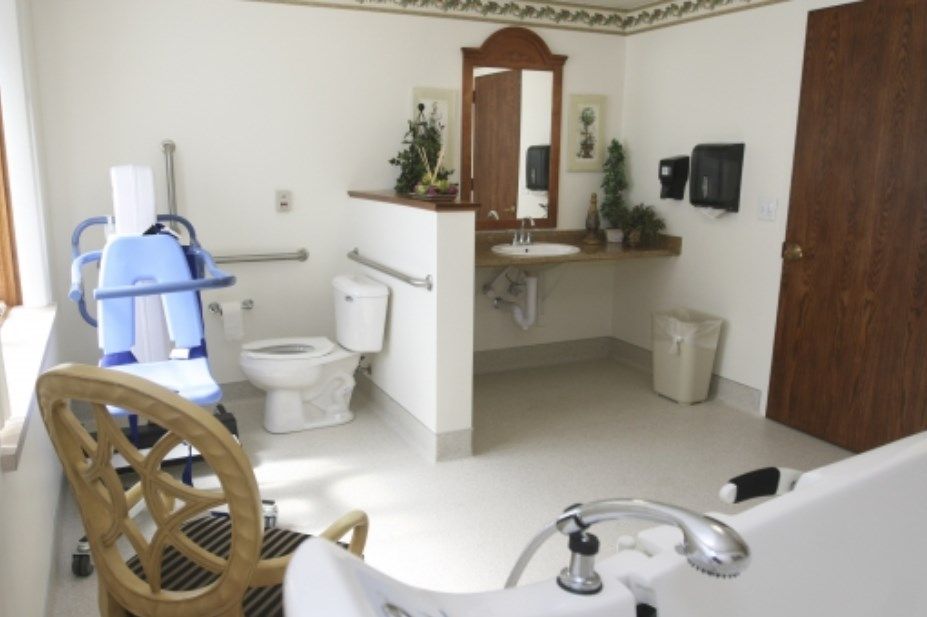
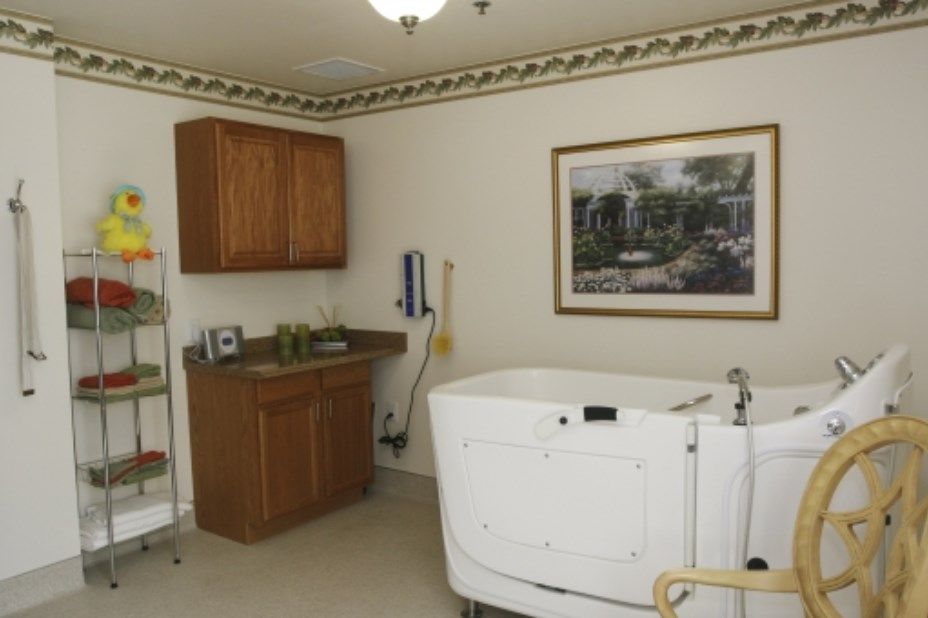
    An accessible and well-organized bathroom with a toilet, sink, and handrails.
  • Television

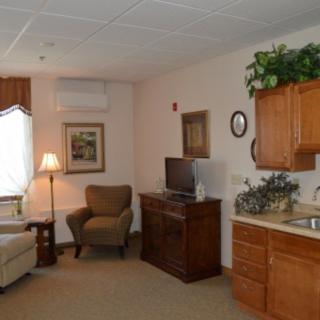
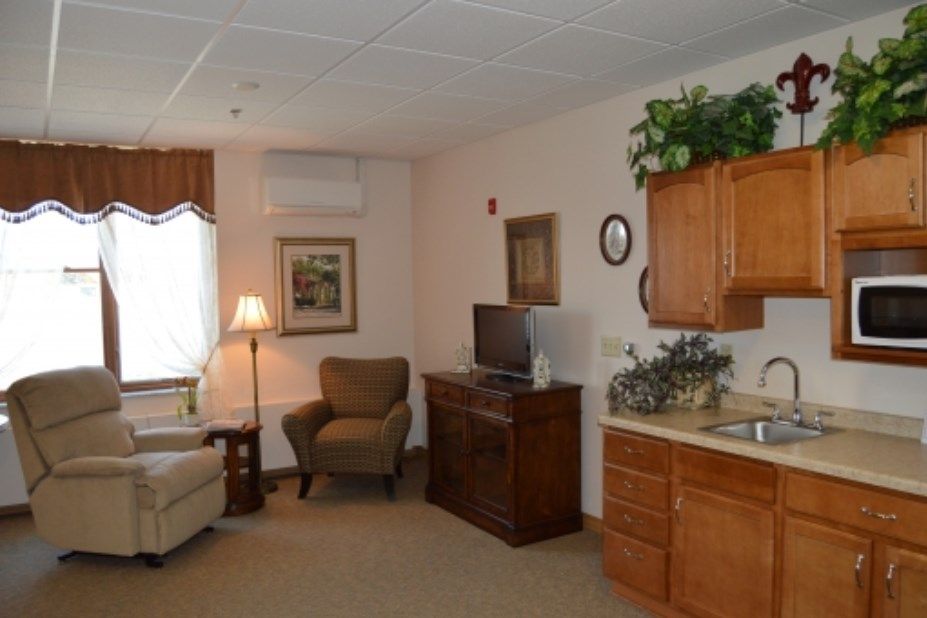
    A cozy living area with an armchair, sofa, television, and kitchenette.
  • Painting

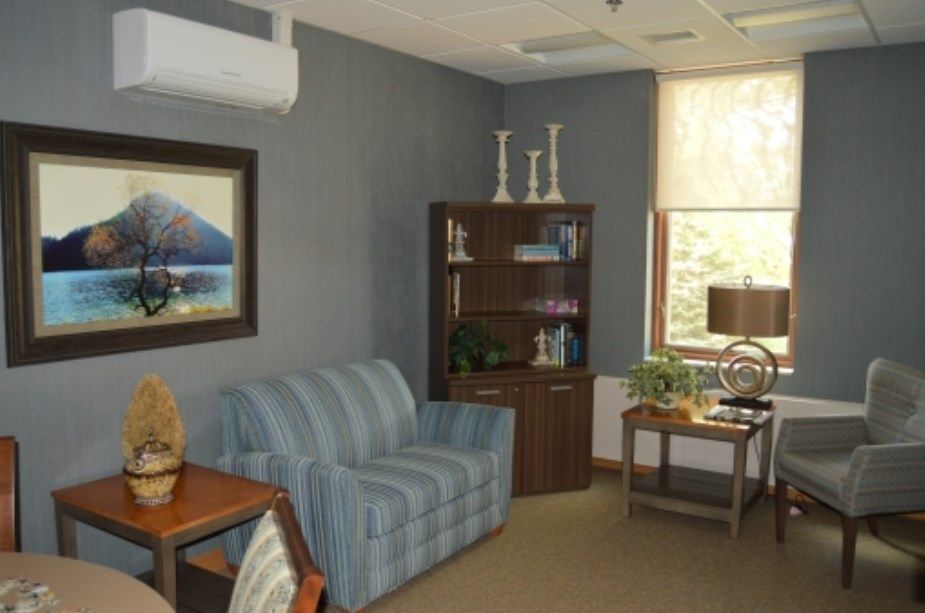
    A cozy office interior featuring a sofa, bookshelf, and a window with natural light.
  • Flag

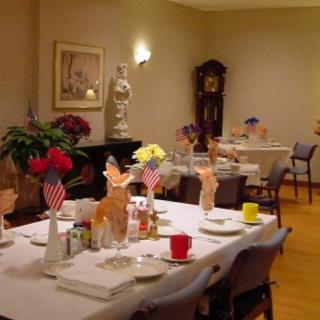
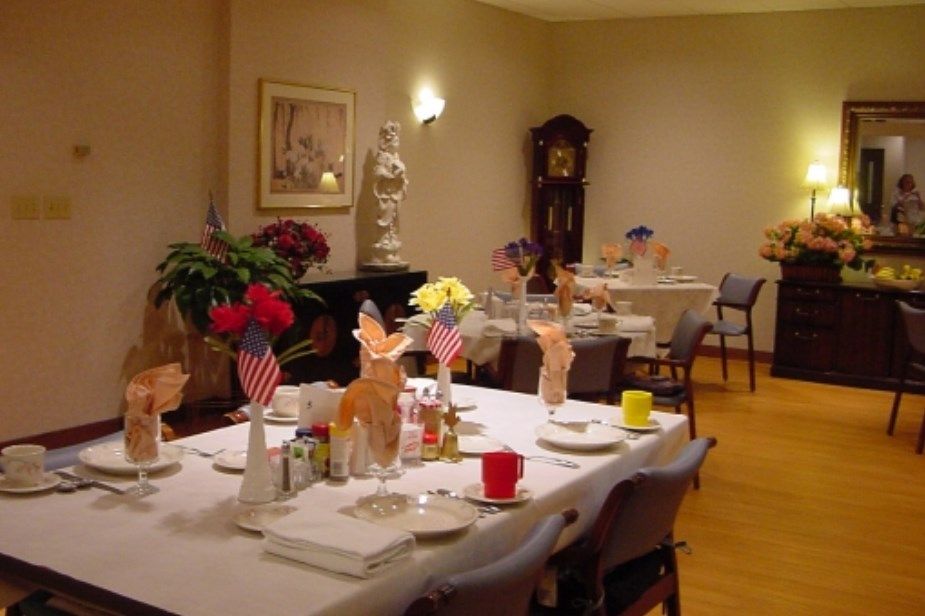
    A well-decorated dining room with tables set for a patriotic-themed event.
  • Wood Paneling

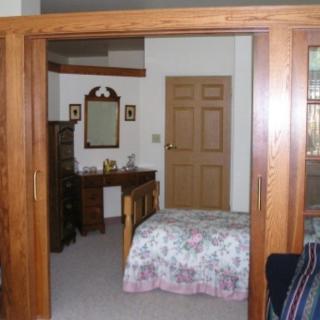
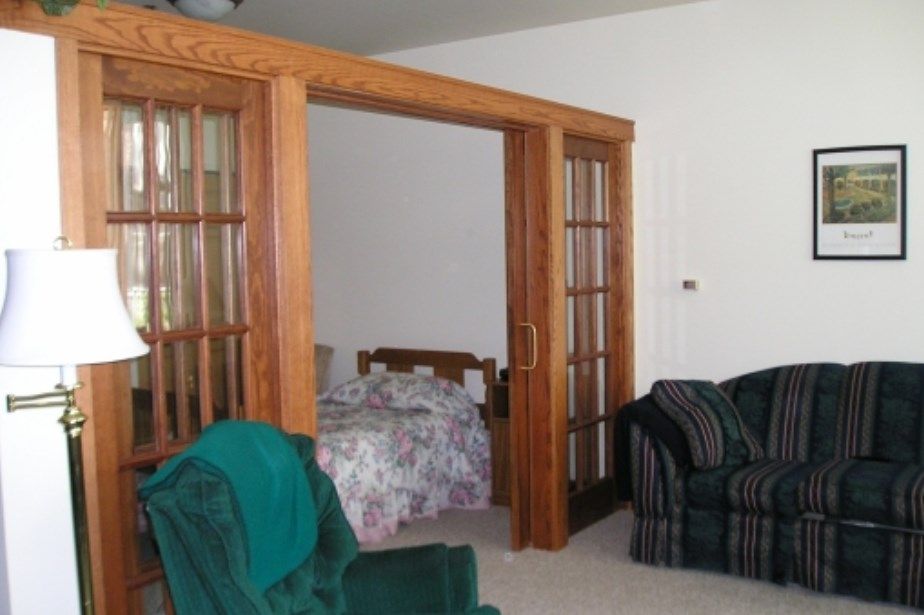
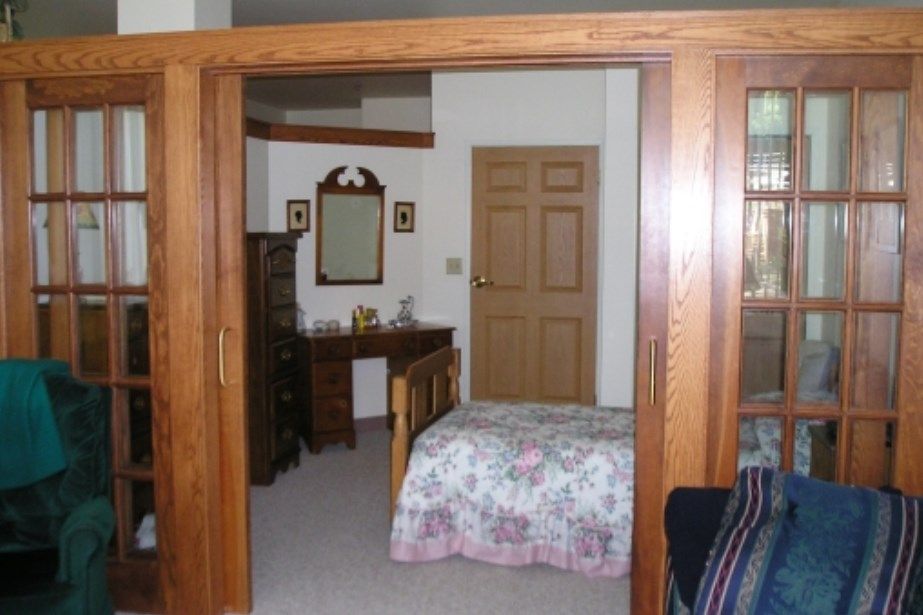
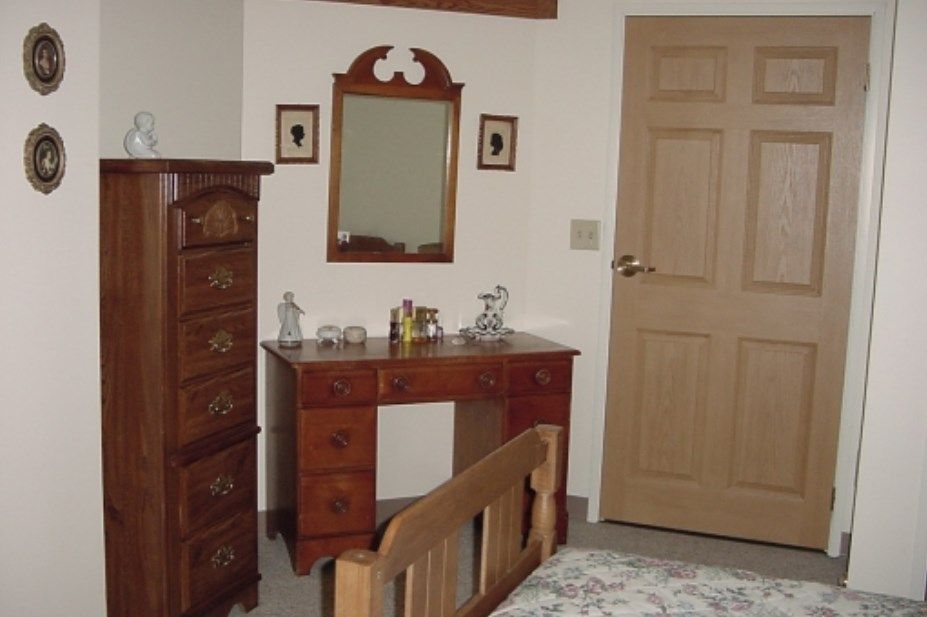
    A cozy bedroom with wooden furniture and a floral bedspread.

St Anne's Salvatorian Campus

3800 North 92nd Street, Milwaukee, WI 53222

For more information about senior living options: (844) 490-3973

2.9 from 34 reviews
5 stars
13
4 stars
1
3 stars
2
2 stars
4
1 stars
14

Assisted Living Continuing Care Retirement Community (CCRC) Memory Care Respite Care Skilled Nursing Facility

Overall Review of St Anne's Salvatorian Campus

Pros

  • pro The staff are wonderful and polite, making families feel comfortable with the care.
  • pro St. Anne's is excellent at communicating with residents and families.
  • pro The rooms are very nice and the staff are attentive.
  • pro The activity staff member Beth was wonderful.
  • pro The kitchen and management staff worked hard.
  • pro Nursing staff were compassionate and dedicated.
  • pro The facility is a very nice nursing home with excellent staff.

Cons

  • pro The facility's phone system is unreliable and often disconnects, making it hard for families to reach staff.
  • pro Staff sometimes fail to answer simple questions, leaving relatives without basic information.
  • pro There is concern that residents may be given pills without adequate food.
  • pro Maintenance removed a resident's TV antenna and has not returned it for months, leaving the TV service unreliable.
  • pro A resident often waited over an hour for bathroom assistance, with reports of rough handling.
  • pro Family members could not get callbacks from executives or the head nurse when contacting about care concerns.
  • pro The food has been described as very poor, even "dog food," and the facility has been likened to a prison camp.
  • pro Care conferences were not followed up on, and doctors' orders were not consistently followed.
  • pro There are not enough aides on duty, with no backup when staff are absent, and the call system is awful.
  • pro The call light system turns off and is not located by rooms, failing to flash or sound when pressed.
  • pro Supplies run out and staff do not know where to stock or replenish them.
  • pro Nurses are itinerant with no consistency, resulting in a lack of continuity of care.
  • pro Residents have waited hours for call button responses, and management has been criticized for rate increases despite poor service.
  • pro Front desk staff are described as being on their phones and not providing timely assistance.

Review

What emerges from these accounts is a facility that ranges from moments of genuine warmth and attentive care to repeated, deeply frustrating gaps in basic safety and communication. Several reviewers describe staff who are kind, polite, and clearly devoted to their residents. They speak of caregivers who show up with patience and compassion, who treat their loved ones with dignity, and who take the time to answer questions and provide reassurance. In particular, a number of staff members are singled out in positive terms - a social worker who is regularly available, and nurses and aides who are praised for their kindness and dedication. These stories paint a picture of a capable, caring team when everything is working as it should.

But the other side of the picture is equally persistent and troubling. A recurring theme is that what should be routine - phone and call-button responses, timely assistance with meals and bathroom needs, and consistent nursing care - often goes awry. Several reviews cite long delays in response to call lights, sometimes 30 minutes, sometimes hours, and in one case the system itself is described as not working, leaving families in limbo and residents at risk. Some call lights "turning off" or being poorly located, and maintenance issues compound the problem: a TV cable removed by maintenance with no resolution for months, resulting in a watchful resident left with unreliable entertainment and little to do. These operational failures feed a sense of insecurity for families who worry about what could happen while they wait.

Staffing levels and consistency appear as a core fault line. Multiple accounts point to too few aides on duty and insufficient backup when a caregiver is absent or call-ins occur. This leaves residents waiting for assistance to use the bathroom or get dressed, sometimes for hours. The absence of continuity in nursing staff - "traveling" nurses rather than a stable team - contributes to inconsistent care and a lack of familiarity with individual residents' needs. The result is not only discomfort but real concerns about safety and dignity, especially for residents with serious conditions or high needs.

The most visceral reminders of the fragility of care come from stories about safety and medical attention. One heart-wrenching example describes a father with ALS who waited too long for help, ultimately leaving in a wheelchair for extended periods and experiencing untreated back pain; another review recounts a catastrophic end-of-life moment where an oxygen tube failed to stay in place, prompting an emergency transport to another hospital. Some families attribute some of these failures to poor adherence to doctors' orders or delays in following through on care plans, while others note that the facility's performance faltered even before a crisis occurred. There are also complaints about meals - described by some as "dog food" - and concerns that nutrition was not consistently prioritized, raising fears about whether residents are getting adequate sustenance.

In fair contrast to the negative threads, there are also positive notes about the environment and the social fabric of the facility. The rooms are described as decent-sized and comfortable, and there are remarks about engaging activities such as music nights, bingo, and movie evenings. A few reviews highlight a strong sense of community and leadership that holds staff accountable and maintains open channels of communication with families. Some families point to clear, compassionate interactions during critical moments, and a particular social worker is praised for accessibility and responsiveness. A reviewer who had professional experience in healthcare expresses that, overall, St. Anne's can be excellent in its willingness to communicate, problem-solve with families, and provide attentive care - especially during challenging times such as the Covid era, when family visitation was managed in a structured and safer way.

Finally, the financial and administrative dimensions surface in a few reviews. While some families commend leadership and the culture of accountability, others express frustration with a lack of timely callbacks from executives or department heads and with changes in management that seem to affect the quality of service. There is also a note about pricing pressure, with one family mentioning a planned rate increase at a time when services did not seem to meet expectations. Taken together, these observations underscore a facility that has real potential and real strengths in its people and its care ethic, but that also faces significant operational and administrative challenges that can undermine the resident experience.

For families considering St. Anne's, the takeaway is nuanced. The place can feel like a home with a heart when staffing is sufficient, communication is strong, and caregivers are consistently present and attentive. Yet persistent gaps in call responsiveness, care follow-through, medication management, and safety monitoring reveal a system that needs stronger oversight and more reliable staffing. Prospective residents and their loved ones would do well to ask pointed questions about current staffing levels and turnover, call-system reliability, follow-through on care plans, and how quickly the facility can respond to urgent needs. It may also be worthwhile to speak with multiple families about recent experiences to gauge whether the facility's internal improvements have kept pace with changes in management and policy.

Features

Housing

  • 55 resident community capacity 55 resident community capacity

Types of Care

  • Assisted Living Assisted LivingAssisted living facilities provide crucial support and care for seniors who may need help with daily tasks such as medication management, bathing, and meal preparation. These communities offer a safe and comfortable environment where seniors can maintain their independence while receiving the assistance they need to thrive in their golden years.
  • Continuing Care Retirement Community (CCRC) Continuing Care Retirement Community (CCRC)Continuing Care Retirement Communities (CCRCs) are important for seniors because they provide a range of housing options and care services all in one location. This allows seniors to age in place and receive the level of care they need as their health changes, without having to move to a new facility. CCRCs provide a sense of security and peace of mind for seniors and their families, knowing that they will be taken care of no matter what the future holds.
  • Memory Care Memory CareMemory care is crucial for seniors as it provides specialized support and services for individuals with dementia or Alzheimer's disease. These programs offer a safe and secure environment where residents receive personalized care, cognitive stimulation, and help with daily activities. Memory care helps seniors maintain their independence, quality of life, and dignity while also providing peace of mind for their families.
  • Respite Care Respite CareRespite care provides temporary relief for caregivers, allowing them to recharge and attend to their own needs. It also gives seniors the opportunity to socialize, receive professional care, and experience a change of scenery, promoting overall well-being and reducing feelings of isolation.
  • Skilled Nursing Facility Skilled Nursing FacilitySkilled Nursing Facilities are crucial for seniors as they provide round-the-clock medical care, rehabilitation services, and assistance with daily activities. These facilities ensure that seniors receive the specialized care they need to maintain their health and well-being as they age.

Amenities

  • Air-conditioning Air-conditioningAir conditioning is important for seniors as they are more vulnerable to heat-related illnesses and may have underlying health conditions that make it difficult for them to regulate their body temperature. It helps to keep them comfortable, safe, and healthy in hot weather.
  • Beauty salon Beauty salonBeauty salons are important for seniors because they provide a space for them to feel pampered, socialize, and maintain their personal grooming and hygiene. Regular visits to a beauty salon can help boost seniors' self-esteem and overall well-being.
  • Cable or satellite TV Cable or satellite TVCable or satellite TV is important for seniors because it provides entertainment, news, and companionship, helping to combat loneliness and boredom. It also offers a wide range of programming options tailored to different interests and preferences.
  • Computer center Computer centerA computer center is essential for seniors as it provides access to technology, communication tools, and resources that can enhance their daily lives. It allows them to stay connected with loved ones, engage in online activities, and learn new skills, ultimately promoting socialization and mental stimulation.
  • Dining room Dining roomDining rooms are important for seniors as they provide a space for socialization, connection, and nutritious meals. They offer opportunities for residents to bond over shared meals, foster a sense of community, and promote healthy eating habits. Dining rooms also ensure that seniors have access to well-balanced meals tailored to their dietary needs and preferences.
  • Fitness room Fitness roomHaving a fitness room in a senior living community is essential for seniors to stay active, maintain their physical health, and improve their overall well-being. Regular exercise can help prevent falls, reduce the risk of chronic diseases, and promote mental sharpness. It also provides social opportunities for residents to connect with others and enjoy a sense of community.
  • Fully furnished Fully furnishedFully furnished senior living communities are important for seniors because they provide convenience, comfort, and a hassle-free moving experience. Seniors can easily settle into their new living space without the stress of having to buy and move furniture. This allows them to focus on enjoying their new home and community.
  • Gaming room Gaming roomGaming rooms are important for seniors as they provide a fun and engaging environment for socializing, cognitive stimulation, and physical activity. Games can improve memory, problem-solving skills, and overall mental well-being while fostering friendships and reducing feelings of isolation.
  • Garden GardenGardens are important for seniors as they provide a peaceful and therapeutic environment for relaxation, physical activity, and socialization. Being in nature has been shown to reduce stress, improve mood, and promote overall well-being. Gardens also offer opportunities for seniors to engage in gardening activities, which can improve mobility, flexibility, and cognitive function. Additionally, gardens create a sense of community and connection with others who share a passion for plants and outdoor spaces.
  • Housekeeping services Housekeeping servicesHousekeeping services are important for seniors because they help maintain a clean and safe living environment, promote independence, and reduce the risk of accidents or illnesses. Additionally, having assistance with household chores can alleviate physical strain and allow seniors to focus on other aspects of their well-being.
  • Kitchenette KitchenetteKitchenettes are important for seniors living in senior living communities because they provide the convenience and independence of being able to prepare simple meals and snacks in the comfort of their own living space. This can help promote a sense of autonomy and well-being for seniors, allowing them to maintain some level of control over their dietary choices and daily routines.
  • Move-in coordination Move-in coordinationMove-in coordination is important for seniors because it helps ease the transition into their new living environment. It ensures that all logistics, such as packing, organizing movers, and setting up utilities are taken care of, allowing seniors to focus on settling in and adjusting to their new home. Having a smooth move-in process can alleviate stress and anxiety, making the transition smoother and more enjoyable for seniors.
  • Outdoor space Outdoor spaceOutdoor spaces are important for seniors as they provide opportunities for physical activity, social interaction, exposure to natural light and fresh air, and a sense of connection to nature. Having access to outdoor spaces can improve overall well-being and quality of life for older adults living in senior communities.
  • Private bathrooms Private bathroomsPrivate bathrooms are important for seniors in senior living communities because they provide independence, dignity, and comfort. Having a private bathroom allows seniors to maintain their personal hygiene routines without the need for assistance, promoting a sense of autonomy and privacy. Additionally, private bathrooms help prevent the spread of infections and provide a safe and clean environment for seniors to navigate safely.
  • Restaurant-style dining Restaurant-style diningRestaurant-style dining is important for seniors because it allows them to enjoy delicious, nutritious meals in a social and upscale setting. This enhances their dining experience, promotes healthy eating habits, and fosters socialization with fellow residents, ultimately contributing to their overall well-being and quality of life.
  • Small library Small librarySmall libraries are important for seniors as they provide access to a variety of reading materials, including books, newspapers, and magazines. This can help stimulate their minds, keep them engaged, and provide a sense of community through book clubs and other social activities. Additionally, reading has been shown to improve cognitive function and overall mental well-being in older adults.
  • Telephone TelephoneTelephones are important for seniors as they provide a lifeline for communication with loved ones, emergency services, and healthcare providers. They offer a sense of security and independence, enabling seniors to stay connected and access assistance when needed.
  • Wellness center Wellness centerWellness centers are important for seniors because they offer a variety of programs and services that promote physical, mental, and emotional well-being. These centers provide opportunities for exercise, socialization, education, and relaxation, helping seniors maintain their overall health and quality of life.
  • Wi-Fi/high-speed internet available Wi-Fi/high-speed internet availableWi-Fi/high-speed internet is important for seniors to stay connected with loved ones, access online resources, and participate in virtual activities to combat feelings of loneliness and isolation. It also allows them to easily manage healthcare needs, access entertainment, and engage in lifelong learning opportunities.

Transportation

  • General Mitchell International (12 miles away) General Mitchell International (12 miles away)
  • Community operated transportation Community operated transportationCommunity operated transportation is crucial for seniors as it provides them with the means to access essential services, social activities, and medical appointments. It allows seniors to maintain their independence and quality of life by ensuring they can participate in activities outside of their homes. Additionally, community-operated transportation services offer a safe and reliable way for seniors to travel without having to rely on family or friends for assistance.
  • Transportation arrangement Transportation arrangementTransportation arrangements are crucial for seniors as they may face challenges with driving, mobility, or access to public transportation. Having reliable transportation services ensures that seniors can easily attend appointments, social activities, and maintain their independence and quality of life.
  • Transportation arrangement (non-medical) Transportation arrangement (non-medical)Transportation arrangements are essential for seniors as they provide access to essential services, activities, and social interactions outside the home. This service helps maintain independence, mobility, and overall well-being for seniors who may have limited transportation options.
  • Transportation to doctors appointments Transportation to doctors appointmentsTransportation to doctors appointments is crucial for seniors as it ensures they have access to necessary medical care and support, promoting their health and well-being. It allows them to receive timely treatment, monitor existing conditions, and address any new health concerns efficiently. Additionally, transportation services can help seniors maintain their independence and quality of life by enabling them to stay connected with their healthcare providers.

Care Services

  • 12-16 hour nursing 12-16 hour nursing12-16 hour nursing care is crucial for seniors in order to ensure around-the-clock monitoring, timely medication administration, and prompt response to any health concerns or emergencies. This level of care helps to promote the overall well-being and safety of seniors living in senior living communities.
  • 24-hour call system 24-hour call system24-hour call systems are important for seniors because they provide peace of mind and immediate assistance in case of emergencies. This technology ensures that help is always available, promoting safety and security for elderly individuals living alone or in assisted living facilities.
  • 24-hour supervision 24-hour supervision24-hour supervision is important for seniors to ensure their safety, well-being, and access to immediate assistance in case of emergencies or health issues. This constant support provides peace of mind for both seniors and their loved ones, allowing them to age in place with dignity and security.
  • Activities of daily living assistance Activities of daily living assistanceActivities of daily living assistance are important for seniors because they provide essential support with tasks such as eating, bathing, dressing, and mobility. This assistance helps seniors maintain their independence, dignity, and overall quality of life as they age.
  • Assistance with bathing Assistance with bathingAssistance with bathing is crucial for seniors as it helps maintain personal hygiene, prevents infections, and ensures their overall well-being and comfort. It also provides a sense of dignity and independence for seniors who may struggle with this task on their own.
  • Assistance with dressing Assistance with dressingAssistance with dressing is important for seniors because it helps maintain their independence, promotes personal hygiene, prevents accidents and injuries, and improves overall quality of life. This service ensures that seniors can continue to dress comfortably and confidently, despite any physical limitations they may have.
  • Assistance with transfers Assistance with transfersAssistance with transfers is crucial for seniors as it helps prevent falls and injuries, maintains their independence, and ensures they can safely navigate their living environment. It also provides peace of mind for both seniors and their loved ones.
  • Diabetes diet Diabetes dietA diabetes diet is crucial for seniors as it helps manage blood sugar levels, reduce risks of complications, and improve overall health and well-being. By following a balanced and nutritious diet tailored to their specific needs, seniors can better control their diabetes and enhance their quality of life.
  • Meal preparation and service Meal preparation and serviceMeal preparation and service are crucial for seniors as they may have limited mobility or energy to cook nutritious meals. Having access to healthy and convenient food options can ensure they are getting the proper nutrition needed to maintain their overall health and well-being.
  • Medication management Medication managementMedication management is crucial for seniors to ensure they are taking the right medications at the correct dosages and times. This helps prevent adverse drug interactions, reduces the risk of medication errors, and promotes overall health and well-being. Proactive management also allows for adjustments as needed based on changing health conditions or new prescriptions.
  • Mental wellness program Mental wellness programMental wellness programs are essential for seniors as they promote cognitive stimulation, emotional support, and social engagement. These programs help prevent isolation, depression, and cognitive decline, ultimately enhancing the overall quality of life for older adults.
  • Special dietary restrictions Special dietary restrictionsSpecial dietary restrictions are important for seniors because age-related changes in metabolism and health conditions can make it difficult for their bodies to process certain foods. By following a diet tailored to their specific needs, seniors can maintain their overall health and well-being, manage chronic conditions, and reduce the risk of complications such as malnutrition or food interactions with medications.

Dining

  • Diabetes diet Diabetes dietA diabetes diet is crucial for seniors as it helps manage blood sugar levels, reduce risks of complications, and improve overall health and well-being. By following a balanced and nutritious diet tailored to their specific needs, seniors can better control their diabetes and enhance their quality of life.
  • Special dietary restrictions Special dietary restrictionsSpecial dietary restrictions are important for seniors because age-related changes in metabolism and health conditions can make it difficult for their bodies to process certain foods. By following a diet tailored to their specific needs, seniors can maintain their overall health and well-being, manage chronic conditions, and reduce the risk of complications such as malnutrition or food interactions with medications.

Activities

  • Community-sponsored activities Community-sponsored activitiesCommunity-sponsored activities are important for seniors as they provide opportunities for social interaction, mental stimulation, and physical activity. These activities can help improve overall well-being, combat loneliness and isolation, and promote a sense of belonging and purpose among older adults.
  • Concierge services Concierge servicesConcierge services are essential for seniors as they provide assistance with daily tasks and errands, enhance their quality of life by offering convenience and personalized care, and promote a sense of safety and security.
  • Fitness programs Fitness programsFitness programs are crucial for seniors as they help improve strength, flexibility, balance, and overall well-being. Staying active can reduce the risk of chronic diseases, improve mental health, and enhance quality of life in older adults.
  • Planned day trips Planned day tripsPlanned day trips are important for seniors because they offer opportunities for socialization, mental stimulation, and physical activity. They provide a change of scenery and help seniors stay engaged and connected to their community, promoting overall well-being and quality of life.
  • Resident-run activities Resident-run activitiesResident-run activities are important for seniors as they encourage social interaction, creativity, and a sense of autonomy. These activities empower seniors to stay engaged and active in their community while fostering meaningful connections with their peers.
  • Scheduled daily activities Scheduled daily activitiesScheduled daily activities are important for seniors because they provide structure, socialization, mental stimulation, and physical activity. Engaging in regular activities can improve overall well-being and quality of life for seniors living in a community setting.

Description

St. Anne's Salvatorian Campus, located in Milwaukee, WI, offers a warm and welcoming environment for seniors seeking a fulfilling lifestyle within a Continuing Care Retirement Community (CCRC). This well-rounded community provides various levels of care, including memory care, respite care, and skilled nursing services, ensuring that residents receive the support they need at every stage of their lives.

Residents enjoy an array of amenities designed to enhance their comfort and well-being. The campus features a beauty salon for personal grooming needs and a dining room offering restaurant-style meals tailored to special dietary restrictions. A wellness center and fitness room encourage active lifestyles, while multiple outdoor spaces and gardens provide serene areas for relaxation. Additional conveniences include housekeeping services, move-in coordination, and transportation arrangements for non-medical needs as well as trips to doctors' appointments.

At St. Anne's Salvatorian Campus, each resident's health is prioritized with comprehensive care services such as 24-hour supervision and call systems, assistance with daily activities like bathing and dressing, medication management, meal preparation tailored to specific dietary needs, and mental wellness programs.

Engagement is encouraged through diverse activities including fitness programs, planned day trips, concierge services, and various resident-run activities that foster community connection. With easy access to nearby cafes, parks, pharmacies, physicians’ offices, restaurants, places of worship, and hospitals—everything residents need is just around the corner.

Whether seeking independence or additional support in daily living activities, St. Anne's Salvatorian Campus stands out as an enriching community where seniors can thrive amid caring staff members dedicated to enhancing their quality of life.

Nearby Places of Interest

Places of Worship

  • Northwest Baptist Church (0.7 miles)
  • Redemption Lutheran Church (2.8 miles)
  • Honey Creek Church (3.5 miles)

Pharmacies

  • Walgreens (1 miles)
  • Walgreens (1.1 miles)
  • Walgreens (1.6 miles)
  • Swan Service-U Pharmacy (1.8 miles)
  • Walgreens (1.8 miles)
  • Walgreens (2.2 miles)
  • Walgreens (2.5 miles)

Restaurants

  • Checkers (1 miles)
  • McDonald's (1.3 miles)
  • McDonald's (2 miles)
  • Culver's (2 miles)
  • Chick-Fil-A (2.1 miles)
  • Sluggo's Sports Pub & Grill (2.4 miles)
  • Shark's Fish & Chicken (2.7 miles)

Physicians

  • Aurora Advanced Healthcare (1.3 miles)
  • Wheaton Franciscan Medical Group (3 miles)
  • Aurora Health Center (3.1 miles)
  • Froedtert Hospital (3.1 miles)
  • Froedtert Clinical Cancer Center (3.2 miles)
  • Drs. Roy and Associates (5.2 miles)
  • Aurora Nephrology (5.8 miles)

Parks

  • Hoyt Park (2.2 miles)
  • Wil-O-Way Underwood Park (2.4 miles)
  • Elm Grove Village Park (3.9 miles)
  • Dousman Stage Coach Inn Museum (5 miles)
  • Imperial Estate Park (5.7 miles)
  • Algonquin Park (5.8 miles)
  • Greenfield Park (5.8 miles)

Cafes

  • Starbucks (2.6 miles)
  • Starbucks (3.5 miles)
  • Starbucks (4.5 miles)
  • Starbucks (5 miles)
  • Starbucks (6.2 miles)

Hospitals

  • Wheaton Franciscan - St. Joseph Campus (2.7 miles)
  • Aurora Psychiatric Hospital (2.9 miles)
  • Froedtert Pavilion (3.1 miles)
  • Ambulatory EEG Recordings (4.6 miles)
  • Aurora Sinai Medical Center (5.8 miles)
  • Rogers Memorial Hospital (6 miles)

Transportation

  • U-Haul Moving & Storage (4.8 miles)

Frequently Asked Questions

Where is St Anne's Salvatorian Campus?
Does St Anne's Salvatorian Campus provide care for residents with dementia or Alzheimer's disease?
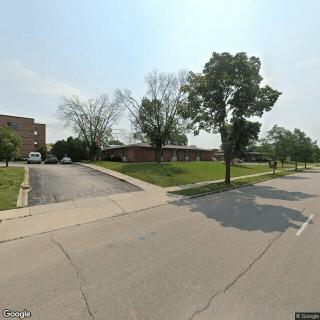
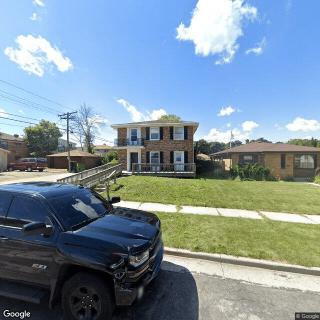
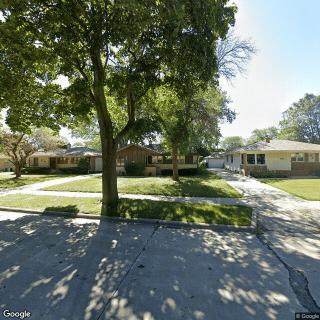
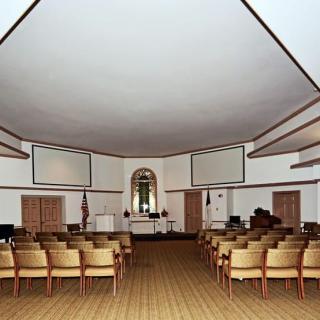
What photos are available for St Anne's Salvatorian Campus in Milwaukee, Wisconsin?

Nearby Communities

Related Resources

  • assisted living waiver programA Detailed Exploration of Assisted Living Medicaid Waivers Across the United States

    Medicaid waivers for assisted living services provide vital support for seniors and individuals with disabilities in need of long-term care, with varying state-specific eligibility criteria and benefits. These waivers cover personal care and case management but often do not fully cover room and board, leading to waiting lists for many applicants.

  • assisted living vs skilled nursingExploring the Contrasts Between Assisted Living and Skilled Nursing

    The article compares assisted living and skilled nursing facilities, detailing their differing levels of assistance, medical support, cost structures, and day-to-day experiences. It emphasizes that assisted living is for those needing help with daily activities while maintaining independence, whereas skilled nursing facilities provide intensive medical care with 24-hour staff supervision.

  • active senior livingVibrant Senior Living: A Comprehensive Guide for Active Older Adults
    Vibrant Senior Living emphasizes active senior living communities that promote independence and engagement through diverse amenities and activities, fostering wellness and social interaction among older adults. These communities range from independent to assisted living, with a focus on personal growth, family involvement, financial planning, and leveraging technology to enhance residents' experiences.