Tivoli Terrace At St Annes Salvatorian Campus Costs & Pricing
Tivoli Terrace At St. Annes Salvatorian Campus offers competitive pricing for its accommodations when compared to both Milwaukee County and the broader state of Wisconsin. For a studio unit, residents can expect to pay $3,390 per month, which is notably lower than the county average of $3,841 and the state average of $3,999. The 1-bedroom option is priced at $3,890, which exceeds the county's more affordable rate of $3,057 but remains below the state's average of $3,412. However, for those considering a 2-bedroom apartment, Tivoli Terrace's monthly cost of $4,140 stands out as higher than both local and state averages - Milwaukee County's average being $2,654 and Wisconsin's at $3,111. Overall, Tivoli Terrace provides attractive options primarily for studio and 1-bedroom living while reflecting trends in the regional housing market.
Floor plans
Tivoli Terrace At St Annes Salvatorian Campus
Milwaukee County
Wisconsin
Studio
$3,390
$3,841
$3,999
1 Bedroom
$3,890
$3,057
$3,412
2 Bedrooms
$4,140
$2,654
$3,111
Skilled Nursing Facilities with a similar price nearby
Overall Review of Tivoli Terrace At St Annes Salvatorian Campus
differentiator4 reviews mention this
Care spans multiple levels
The campus supports care across assisted living, memory care, and skilled nursing.
Multiple residents and families describe using different levels of care as needs change, including moving from assisted living into higher-acuity support. Reviews also mention hospice and end-of-life care being available within the same campus. On the services side, the community is positioned to provide diabetic care, high-acuity care, incontinence care, medication management, and physical therapy.
common16 reviews mention this
Staff attention is frequently praised
Residents and families consistently describe staff as helpful, caring, and attentive.
A large share of reviews highlight the staff as compassionate and responsive, including mentions of knowledge and helpfulness when questions come up. Several reviewers also describe good communication with families and supportive follow-through during difficult situations. A smaller set of reviews counters that there are times when staffing levels or response times fall short, especially in skilled nursing.
common10 reviews mention this
Activities and faith-centered life
Daily life includes organized activities and frequent worship options.
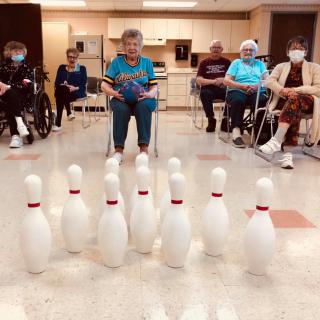
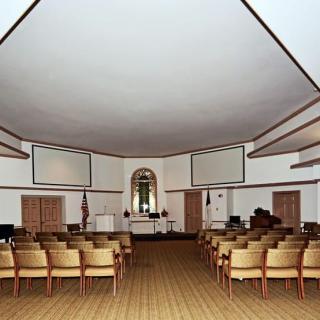
Residents and families frequently mention an active schedule with groups and events, including music, movie nights, bingo, card games, and seasonal gatherings. Reviews also emphasize the chapel and regular services, with multiple notes about Catholic or faith-based programming being part of everyday life. The community’s amenity set includes on-site and off-site activities plus devotional services.
caveat6 reviews mention this
Food quality is a mixed spot
Food quality draws both praise and strong complaints.
Some reviewers say the food is good or even excellent, and a few describe it as edible or better than what they expected. Others are much more critical, citing issues with menus (including non-dairy needs), poor taste, or meals described in harsh terms. The community does provide meals and vegetarian options, but reviews show inconsistent satisfaction with how those meals land day to day.
caveat10 reviews mention this
Staffing and call response concerns
Several reviews report delays and shortages impacting day-to-day assistance.
Multiple families mention not enough aides or understaffing, sometimes linking that to longer waits for help. Several skilled nursing reviews describe slow call-button response and trouble getting basic needs handled, including bathroom assistance and medication support. Even among more positive reviews, a few note staffing has been an ongoing pressure point at times.
common10 reviews mention this
Facility cleanliness stands out
Many reviews praise the facility for being clean and well maintained.
Cleanliness shows up repeatedly, with reviewers describing the building as clean, orderly, and maintained. A number of families also mention comfortable common spaces and rooms that feel kept up. While a couple of reviews focus on other problems (like staffing or services), the cleanliness theme remains a common positive across many accounts.
How we summarize
Counts show how many written reviews mention each theme; a review can touch several themes, and only frequently mentioned themes are displayed.
Features
Housing
1-bedroom apartments
Types of Care
Assisted Living
Memory Care
Skilled Nursing Facility
Pets
Cats allowed
Dogs allowed
Amenities
Activities off-site
Activities on-site
Bath tubs
Beautician on-site
Devotional services off-site
Devotional services on-site
Dining room
Garden
Housekeeping services
Indoor common areas
Laundry
Outdoor common areas
Respite or short term stays offered
Security gate
Wheelchair accessible showers
Transportation
General Mitchell International (12 miles away)
Transportation & parking
Care Services
Diabetic care
High acuity care
Incontinence care
Meal preparation and service
Medication management
Physical therapy
Dining
Meals provided
Vegetarian
Activities
Activities off-site
Activities on-site
Devotional activities offsite
Devotional activities on-site
Fitness programs
Religious services
Languages Spoken
English
Nearby Places of Interest
This part of Milwaukee, Wisconsin offers a range of amenities and services that cater to the needs of seniors. There are several places of worship nearby for spiritual fulfillment, as well as multiple pharmacies for easy access to medications. A variety of dining options can be found in the area, including fast food chains and sit-down restaurants. Medical care is also easily accessible with several physician offices, hospitals, and specialty clinics in close proximity. For outdoor activities and relaxation, there are numerous parks to enjoy nature. Additionally, transportation options such as U-Haul Moving & Storage are available for convenient travel needs. Overall, this neighborhood provides a mix of conveniences and resources that are ideal for seniors looking to settle down in Milwaukee.
Places of Worship
Northwest Baptist Church (0.7 miles)
Redemption Lutheran Church (2.8 miles)
Honey Creek Church (3.5 miles)
Pharmacies
Walgreens (1 miles)
Walgreens (1.1 miles)
Walgreens (1.6 miles)
Swan Service-U Pharmacy (1.8 miles)
Walgreens (1.8 miles)
Walgreens (2.2 miles)
Walgreens (2.5 miles)
Restaurants
Checkers (1 miles)
McDonald's (1.3 miles)
McDonald's (2 miles)
Culver's (2 miles)
Chick-Fil-A (2.1 miles)
Sluggo's Sports Pub & Grill (2.4 miles)
Shark's Fish & Chicken (2.7 miles)
Physicians
Aurora Advanced Healthcare (1.3 miles)
Wheaton Franciscan Medical Group (3 miles)
Aurora Health Center (3.1 miles)
Froedtert Hospital (3.1 miles)
Froedtert Clinical Cancer Center (3.2 miles)
Drs. Roy and Associates (5.2 miles)
Aurora Nephrology (5.8 miles)
Parks
Hoyt Park (2.2 miles)
Wil-O-Way Underwood Park (2.4 miles)
Elm Grove Village Park (3.9 miles)
Dousman Stage Coach Inn Museum (5 miles)
Imperial Estate Park (5.7 miles)
Algonquin Park (5.8 miles)
Greenfield Park (5.8 miles)
Cafes
Starbucks (2.6 miles)
Starbucks (3.5 miles)
Starbucks (4.5 miles)
Starbucks (5 miles)
Starbucks (6.2 miles)
Hospitals
Wheaton Franciscan - St. Joseph Campus (2.7 miles)
Tivoli Terrace At St. Annes Salvatorian Campus offers competitive pricing for its accommodations when compared to both Milwaukee County and the broader state of Wisconsin. For a studio unit, residents can expect to pay $3,390 per month, which is notably lower than the county average of $3,841 and the state average of $3,999. The 1-bedroom option is priced at $3,890, which exceeds the county's more affordable rate of $3,057 but remains below the state's average of $3,412. However, for those considering a 2-bedroom apartment, Tivoli Terrace's monthly cost of $4,140 stands out as higher than both local and state averages - Milwaukee County's average being $2,654 and Wisconsin's at $3,111. Overall, Tivoli Terrace provides attractive options primarily for studio and 1-bedroom living while reflecting trends in the regional housing market.
Tivoli Terrace at St Annes Salvatorian Campus offers comprehensive services that cater specifically to the needs of residents with dementia or Alzheimer's disease. Medication management ensures that residents receive their prescribed medications on time, reducing confusion and the risk of medication errors while promoting overall health. Meal preparation and service are tailored to accommodate dietary restrictions and preferences, providing nutritious meals that support cognitive function and physical well-being. Physical therapy is integrated into daily routines to enhance mobility, improve strength, and maintain independence, all of which can positively impact mental health. Additionally, incontinence care is handled with sensitivity and dignity, ensuring residents remain comfortable and secure, thereby alleviating anxiety related to personal care. Collectively, these features create a supportive environment that enhances the quality of life for individuals facing memory challenges.
Dementia encompasses a range of cognitive impairments characterized by types such as Alzheimer's and vascular dementia, and follows a seven-stage progression model known as the Global Deterioration Scale (GDS), highlighting varying symptoms and decline timelines. Early detection allows for lifestyle adjustments to potentially slow progression, while caregivers need support and resources to manage the challenges involved in caring for affected individuals.
The article presents eight strategies for preserving cognitive health and memory in older adults, emphasizing a nutrient-rich diet, regular exercise, intellectually stimulating activities, adequate sleep, social connections, stress management techniques, limiting harmful substances, and regular medical checkups to mitigate age-related memory decline.
Activities of Daily Living (ADLs) are fundamental tasks vital for an individual's independence, particularly in older adults over 85, and include functions like bathing and dressing; assessing ADLs alongside Instrumental Activities of Daily Living (IADLs) helps determine the level of required assistance due to age-related health challenges. Tailored support plans, involving family and community resources, are essential for maintaining dignity and autonomy in assisted living environments.
Tivoli Terrace At St Annes Salvatorian Campus photos
×
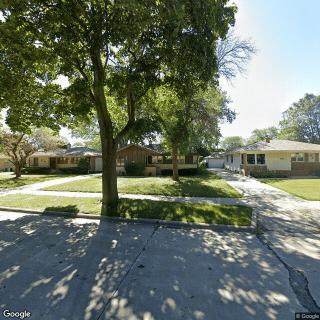
Trees
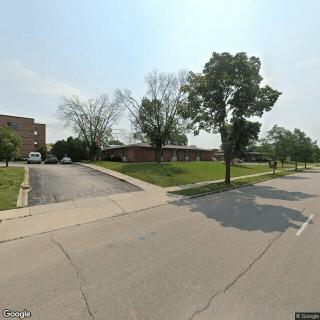
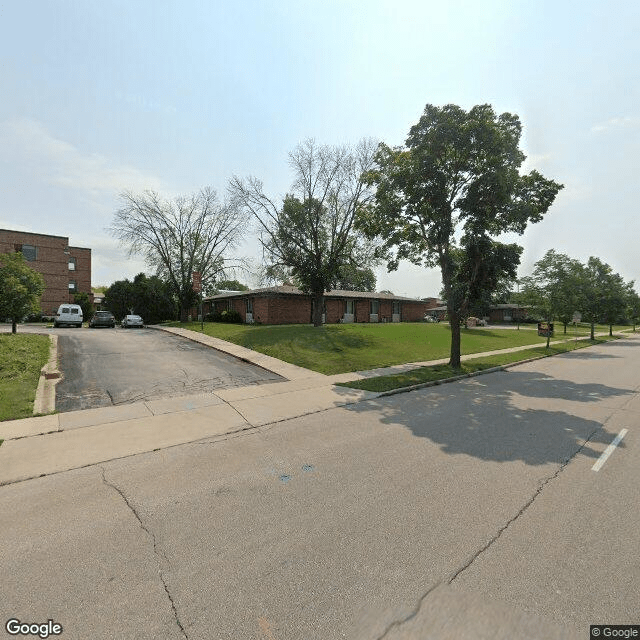
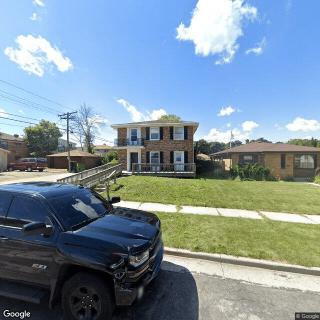
Landscaping, Trees, and Sidewalk
Get PricingAsk A QuestionSchedule A TourContact Senior Advisor
By clicking submit, you agree to our Partner's Terms of Use. You
also consent to receive calls and texts, which may be autodialed, from our Partner. Your consent is not a condition to
using our Partner's service. Please visit our Partner's Privacy Policy for information about their privacy practices.


 1-bedroom apartments
 Assisted Living
 Memory Care
 Skilled Nursing Facility
 Cats allowed
 Dogs allowed
 Activities off-site
 Bath tubs
 Beautician on-site
 Devotional services off-site
 Dining room
 Garden
 Housekeeping services
 Indoor common areas
 Laundry
 Outdoor common areas
 Respite or short term stays offered
 Security gate
 Wheelchair accessible showers
 General Mitchell International (12 miles away)
 Transportation & parking
 Diabetic care
 High acuity care
 Incontinence care
 Meal preparation and service
 Medication management
 Physical therapy
 Fitness programs
 English
 Comprehensive care (CCRC) with memory care and skilled nursing; strong on-site amenities.
 Understanding Dementia Through Its Seven Stages: A Comprehensive Look at Progression and Expectations
 Safeguarding Your Memory Through the Golden Years: Eight Ways to Preserve Cognitive Health
 Comprehensive Insights into Activities of Daily Living (ADLs) and Their Assessment