
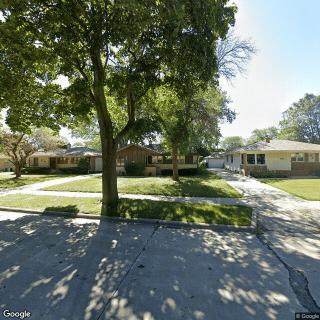
4608 North 71 Street Street, Milwaukee, WI 53218
For more information about senior living options: (866) 208-4318
Overall Review of Serene Living Adult Family Home
Pros
 Ben is an exceptional therapist.
- He is kind, knowledgeable, and always goes above and beyond to support his patients.
- He helped my mother regain her confidence and mobility.
- He is highly recommended.
Review
Serene Living Adult Family Home in Milwaukee is best suited for seniors who want a warm, home-like setting with a sharp focus on rehabilitation and mobility, delivered through highly attentive, one-on-one therapy. The standout appears to be the therapy team, with Ben highlighted as exceptionally effective, kind, and deeply dedicated. Families prioritizing visible progress in confidence and movement, and who value a close, relationship-driven care dynamic, will likely find this community aligns with their goals.
Those considering alternatives should weigh environments that offer broader medical oversight and larger clinical teams. If round-the-clock nursing coverage, extensive on-site physicians, or a wide range of specialized programs are non-negotiable, a larger assisted living community or a traditional skilled nursing facility may be a wiser fit. Similarly, if robust memory care programming, more structured daily calendars, or expansive social activity options are priorities, it would be prudent to explore other options that emphasize those strengths.
The primary advantages center on personalized attention and a rehabilitative orientation. The most credible signal is the therapy-driven success described: a compassionate, knowledgeable therapist who not only assists daily living tasks but helps restore independence. The anecdote about gaining mobility and confidence points to meaningful outcomes that matter to families seeking to reduce caregiver burden and accelerate recovery. In a smaller, intimate setting, the care team can partner closely with family members to tailor plans, monitor progress, and adjust strategies quickly.
Where small-scale settings typically raise concerns, the documented strengths of Serene Living address many of them head-on. A potential drawback in this category is the natural limitation of staff breadth and available services compared to larger facilities; however, the demonstrated willingness of care professionals to go “above and beyond” suggests responsive, personalized problem-solving. The evident warmth and accessibility of the team help offset possible gaps in services by ensuring that therapy goals stay front and center, and that adjustments are implemented without delay.
Prospective residents should approach with a practical checklist: verify the composition and availability of the therapy team, confirm the scope of rehabilitation services, and understand how care plans are formulated, tracked, and updated. Schedule time to observe therapy sessions, speak with the therapist about long-term goals, and assess how daily routines are integrated with mobility work. Clarify what medical oversight looks like, confirm hours of nursing coverage, and outline costs, what’s included, and what might incur additional charges. Assess whether the environment supports ongoing independence, dignity, and consistent engagement in meaningful activities beyond therapy.
In the end, Serene Living stands out for families prioritizing effective rehabilitation within a home-like atmosphere. For seniors whose top priority is mobility improvement and a caregiver team that genuinely commits to going the extra mile, this community offers a compelling, practical path forward. Those whose needs demand extensive on-site medical infrastructure, expansive programming, or highly specialized memory-care support may want to compare alternatives that foreground those capabilities. With clear alignment to rehabilitation-focused, person-centered care, Serene Living earns strong consideration for the right match.
 4 resident community capacity
 Assisted Living
 Board and Care Home
 Memory Care
 Cable or satellite TV
 Dining room
 Fully furnished
 Garden
 Housekeeping services
 Move-in coordination
 Outdoor space
 Telephone
 Wi-Fi/high-speed internet available
 General Mitchell International (12 miles away)
 24-hour supervision
 Activities of daily living assistance
 Assistance with bathing
 Assistance with dressing
 Assistance with transfers
 Diabetes diet
 Hospice waiver
 Meal preparation and service
 Medication management
 Mental wellness program
 Special dietary restrictions
 Transportation arrangement (medical)
 Transportation to doctors appointments


 Are Dementia and Alzheimer's Disease Lethal? A Comprehensive Exploration
 Exploring the Power of Reminiscence Therapy for Individuals With Dementia
 An In-Depth Look at Reminiscence Therapy in Dementia Care