
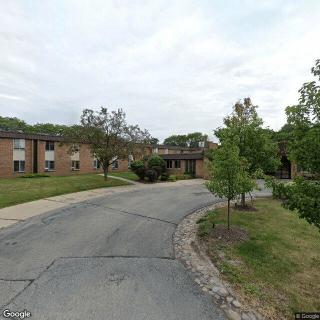
9431 West Orinda Court, Milwaukee, WI 53224
For more information about senior living options: (866) 208-4318
Overall Review of Rem Wisconsin Orinda Court
Pros
 The place is very friendly and welcoming.
- They are upbeat and positive.
- People highly recommend trusting them.
- They keep up the great work.
Cons
 They offer low wages.
Review
Rem Wisconsin Orinda Court in Milwaukee is best suited for seniors who prize a warm, social, upbeat living environment over a clinical, sterile vibe. The community reads as friendly and welcoming, with interactions that feel genuine. For families seeking daily life built around personal connections, approachable staff, and plentiful opportunities for social engagement, Orinda Court delivers. Those with heavy, ongoing medical needs, memory-care requirements, or a demand for highly structured clinical oversight may want to compare other options. In short, this community fits residents who value mood, companionship, and a lively yet low-stress routine over granular care specialization.
Pros center on atmosphere and relationships. Reviews describe a very friendly, upbeat place where residents feel welcomed and cared for. That tone matters because it supports participation in activities, reduces anxiety at transitions, and builds trust with caregivers. The explicit praise to “trust them” signals confidence in staff, which families can translate into predictable daily rhythms and a sense of reliability. In practice, warmth matters as much as amenities; it often determines whether residents stay engaged, socialize, and feel seen. For families, that genuine positivity can be a powerful predictor of quality of life.
Cons exist, though not exhaustively documented. A terse complaint about wages hints at possible staffing pressures or turnover, a common risk when pay struggles, recruitment, or retention become real. While one line does not define a community, it flags a potential vulnerability: if caregivers rotate frequently or show up with lean coverage, the quality of consistent care may suffer during busy shifts. A separate low-rating without detail adds to the caution, suggesting some residents or families have had less than ideal experiences. Taken together, the critiques remind that a sunny demeanor alone cannot substitute solid staffing and dependable operations.
How the positives offset those concerns depends on consistency. A friendly culture can cushion some staffing gaps by promoting continuity of relationships and a floor of responsive communication. Yet the warning about wages should not be dismissed; stable, fair compensation matters for retention and morale, which in turn underpins dependable service. If the community can demonstrate stable staffing levels, clear shift coverage, and timely care regardless of day or shift, the upbeat environment becomes a durable strength. If turnover increases or staffing is erratic, the cheerful atmosphere may erode and leave residents feeling intermittently unattended.
Families weighing options should consider whether clinical depth and predictable staffing are non-negotiable. For residents needing frequent nursing oversight, complex medication management, or robust memory-care programs, it may be wise to compare with communities that publish staffing metrics and offer transparent care planning. Prospective residents should request staffing rosters, turnover data, and examples of care execution during peak times. Tours should include conversations with direct caregiving staff, not just administrators, to assess whether the warmth translates into reliable, day-to-day support across shifts.
Decision-making should hinge on practical tests and clear questions. Does Orinda Court deliver steady response times, visible engagement from caregivers, and predictable routines on weekends as on weekdays? If the answer is yes, and the overall vibe aligns with the resident’s preferences for social connection and a positive daily cadence, Orinda Court merits serious consideration. If not, or if medical needs require tighter supervision, there is value in exploring alternatives. The recommended path is a face-to-face visit, candid questions about staffing, and, if possible, a short-term stay to verify that warmth translates into reliable care.
 4 resident community capacity
 Assisted Living
 Cable or satellite TV
 Dining room
 Fully furnished
 Garden
 Housekeeping services
 Move-in coordination
 Outdoor space
 Telephone
 Wi-Fi/high-speed internet available
 General Mitchell International (15 miles away)
 24-hour supervision
 Activities of daily living assistance
 Assistance with bathing
 Assistance with dressing
 Assistance with transfers
 Diabetes diet
 Meal preparation and service
 Medication management
 Special dietary restrictions
 Transportation arrangement (medical)
 Transportation to doctors appointments

 How and When Medicaid May Cover Assisted Living Costs
 A Detailed Exploration of Assisted Living Medicaid Waivers Across the United States
 Comprehensive Residential Support and Assisted Living Solutions for Individuals with Disabilities