Options For Community Growth - Cloverleaf

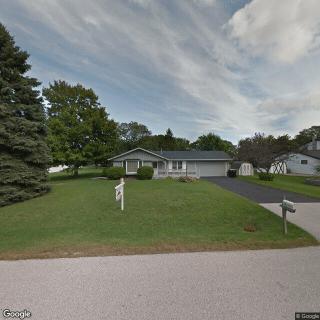
6036 West Cloverleaf Lane, Brown Deer, WI 53223

For more information about senior living options: (844) 490-3973

3 from 7 reviews
5 stars
3
4 stars
0
3 stars
1
2 stars
0
1 stars
3

Assisted Living

Overall Review of Options For Community Growth - Cloverleaf

Pros

  • pro Jamie Hitchler and Heather Hitchler are praised for doing great work.
  • pro The group home manager is extremely helpful.
  • pro The group home manager is super cool.
  • pro The group home staff are extremely helpful.

Cons

  • pro The van was speeding and driving aggressively through a quiet residential neighborhood, showing no regard for pedestrian safety.
  • pro The driver was tailgating, running red lights, and endangering pedestrians, including schoolchildren.
  • pro This driving behavior is described as completely unacceptable, with safety never to be compromised.
  • pro The driver is described as a danger on the road and a hazard to other motorists.
  • pro The driver cut off another vehicle on the freeway, forcing the brakes and causing an accident behind.
  • pro The plate number 401-WCG is said to need driving lessons, with calls for speed monitors and dash cams.
  • pro The facility's extensions reportedly go to voicemail, suggesting unhelpfulness and poor responsiveness.

Review

There is a troubling chorus of concern about the behavior of a company van in Greendale, with several residents and observers painting a picture of unsafe driving that seems at odds with the quiet, residential character of the area. The dominant thread in these accounts is a perception that speeding, aggressive maneuvers, and a general disregard for pedestrians and other drivers have become part of the routine on the streets where families, children, and community members live and move about. The tone throughout is unmistakably serious: this kind of driving appears not only reckless but a clear risk to people going about their daily lives, and it has left witnesses shaken and demanding accountability.

One of the most pointed observations centers on a specific incident described as speeding and aggressive driving through a quiet residential neighborhood in Greendale. The reviewer emphasizes tailgating, running red lights, and a troubling lack of regard for pedestrian safety, including children who were recently dismissed from school. The author stresses that such behavior is entirely unacceptable in a neighborhood where caution and courtesy are supposed to govern road use. The overarching message is that safety standards must be higher, and that the company cannot tolerate drivers who put the public at risk and proceed with an attitude of impunity.

A related, more personal note comes from someone connected to a West Tripoli Avenue group home, naming Lance and Mickey as residents and identifying several staff members - Dominique, Donald, Jarvis, Perris/Paris, Robert, Danielle, and Jamie - as part of the group home's team. The reviewer mentions a concrete, practical concern: the driver(s) need to start putting gas in the van. Beyond this logistical complaint, there is a strong sense of gratitude for particular individuals within the organization, with a separate compliment directed at Jamie Hitchler and Heather Hitchler. The reviewer calls them "super cool" and urges them to keep up the good work, framing their praise as a note of appreciation in a larger landscape of frustration with the company's overall safety performance.

A second account broadens the advisory lens, describing the driver as a danger on the road and a hazard to other motorists. This reviewer claims a near-miss on the freeway - a cut-off that forced the driver to brake hard and potentially contributed to an accident behind them. The frustration extends to communications: attempts to reach the facility were thwarted by extensions that reportedly all ring to voicemail, leaving the caller feeling powerless and questioning how effectively the organization can respond to safety concerns when people reach out for help and accountability.

A third perspective adds specific, tangible identifiers to the mix: a van with the plate number 401-WCG. This reviewer asserts that the same vehicle cut in front of them at a red light, speeding to get ahead while there were three children in the car and the weather was rainy. The requested remedy is straightforward and technologically oriented: speed monitoring and dash cams. The call to install monitoring devices underscores a desire for objective records of incidents, a tool that could deter reckless behavior and provide clear data in the event of disputes or safety investigations.

Taken together, these reviews sketch a troubling pattern perceived by multiple observers. They describe a driver culture - or at least a culture in which safety concerns are not being adequately addressed - along with a systemic frustration over communication gaps. The repeated emphasis on aggressive driving in a neighborhood setting, near schools and families, elevates the stakes considerably. The presence of vulnerable populations in the vicinity - children walking away from school, residents of group homes - appears to intensify the perceived risk and the urgency with which the community wants the company to act.

Despite the core focus on safety lapses, there is also a clear appreciation for the people who work within the facility and a desire to acknowledge those who are doing good work. The praise directed at Jamie Hitchler and Heather Hitchler suggests that there are employees who are seen as responsible and reliable stewards of safety and service. The contrast between commendations for individual staff members and broader complaints about driver behavior and communication implies that the issue is not about a single rogue driver but about systemic practices, training, oversight, and accountability within the organization.

In the end, the consensus from these accounts is that something has to change. The overarching demand is that the company treat safe driving as a non-negotiable priority, with tangible measures to ensure compliance. Proposals mentioned - dash cams, speed monitors, and perhaps more rigorous driver training or disciplinary steps - point to a desire for objective, trackable safeguards. The residents and families involved emphasize that the safety of group homes and the children and staff connected to them should be at the forefront of company policy and practice.

The tone throughout is urgent and unmistakable: the community cannot accept a pattern of reckless driving that puts pedestrians and motorists at risk. There is an expectation that the organization will take these concerns seriously, implement practical safety measures, and improve avenues for communication when incidents occur. Until then, the collective message remains clear - safety in residential neighborhoods, especially around group homes and by those responsible for transporting vulnerable residents, must be treated with the utmost seriousness and addressed with concrete, enforceable actions.

Features

Housing

  • 4 resident community capacity 4 resident community capacity

Types of Care

  • Assisted Living Assisted LivingAssisted living facilities provide crucial support and care for seniors who may need help with daily tasks such as medication management, bathing, and meal preparation. These communities offer a safe and comfortable environment where seniors can maintain their independence while receiving the assistance they need to thrive in their golden years.

Amenities

  • Cable or satellite TV Cable or satellite TVCable or satellite TV is important for seniors because it provides entertainment, news, and companionship, helping to combat loneliness and boredom. It also offers a wide range of programming options tailored to different interests and preferences.
  • Dining room Dining roomDining rooms are important for seniors as they provide a space for socialization, connection, and nutritious meals. They offer opportunities for residents to bond over shared meals, foster a sense of community, and promote healthy eating habits. Dining rooms also ensure that seniors have access to well-balanced meals tailored to their dietary needs and preferences.
  • Fully furnished Fully furnishedFully furnished senior living communities are important for seniors because they provide convenience, comfort, and a hassle-free moving experience. Seniors can easily settle into their new living space without the stress of having to buy and move furniture. This allows them to focus on enjoying their new home and community.
  • Garden GardenGardens are important for seniors as they provide a peaceful and therapeutic environment for relaxation, physical activity, and socialization. Being in nature has been shown to reduce stress, improve mood, and promote overall well-being. Gardens also offer opportunities for seniors to engage in gardening activities, which can improve mobility, flexibility, and cognitive function. Additionally, gardens create a sense of community and connection with others who share a passion for plants and outdoor spaces.
  • Housekeeping services Housekeeping servicesHousekeeping services are important for seniors because they help maintain a clean and safe living environment, promote independence, and reduce the risk of accidents or illnesses. Additionally, having assistance with household chores can alleviate physical strain and allow seniors to focus on other aspects of their well-being.
  • Move-in coordination Move-in coordinationMove-in coordination is important for seniors because it helps ease the transition into their new living environment. It ensures that all logistics, such as packing, organizing movers, and setting up utilities are taken care of, allowing seniors to focus on settling in and adjusting to their new home. Having a smooth move-in process can alleviate stress and anxiety, making the transition smoother and more enjoyable for seniors.
  • Outdoor space Outdoor spaceOutdoor spaces are important for seniors as they provide opportunities for physical activity, social interaction, exposure to natural light and fresh air, and a sense of connection to nature. Having access to outdoor spaces can improve overall well-being and quality of life for older adults living in senior communities.
  • Telephone TelephoneTelephones are important for seniors as they provide a lifeline for communication with loved ones, emergency services, and healthcare providers. They offer a sense of security and independence, enabling seniors to stay connected and access assistance when needed.
  • Wi-Fi/high-speed internet available Wi-Fi/high-speed internet availableWi-Fi/high-speed internet is important for seniors to stay connected with loved ones, access online resources, and participate in virtual activities to combat feelings of loneliness and isolation. It also allows them to easily manage healthcare needs, access entertainment, and engage in lifelong learning opportunities.

Transportation

  • General Mitchell International (17 miles away) General Mitchell International (17 miles away)

Care Services

  • 24-hour supervision 24-hour supervision24-hour supervision is important for seniors to ensure their safety, well-being, and access to immediate assistance in case of emergencies or health issues. This constant support provides peace of mind for both seniors and their loved ones, allowing them to age in place with dignity and security.
  • Activities of daily living assistance Activities of daily living assistanceActivities of daily living assistance are important for seniors because they provide essential support with tasks such as eating, bathing, dressing, and mobility. This assistance helps seniors maintain their independence, dignity, and overall quality of life as they age.
  • Assistance with bathing Assistance with bathingAssistance with bathing is crucial for seniors as it helps maintain personal hygiene, prevents infections, and ensures their overall well-being and comfort. It also provides a sense of dignity and independence for seniors who may struggle with this task on their own.
  • Assistance with dressing Assistance with dressingAssistance with dressing is important for seniors because it helps maintain their independence, promotes personal hygiene, prevents accidents and injuries, and improves overall quality of life. This service ensures that seniors can continue to dress comfortably and confidently, despite any physical limitations they may have.
  • Assistance with transfers Assistance with transfersAssistance with transfers is crucial for seniors as it helps prevent falls and injuries, maintains their independence, and ensures they can safely navigate their living environment. It also provides peace of mind for both seniors and their loved ones.
  • Coordination with health care providers Coordination with health care providersCoordination with health care providers is crucial for seniors to ensure proper medical care, medication management, and overall well-being. This collaboration helps prevent overlapping treatments, track progress more effectively, and provide comprehensive support tailored to individual needs.
  • Diabetes diet Diabetes dietA diabetes diet is crucial for seniors as it helps manage blood sugar levels, reduce risks of complications, and improve overall health and well-being. By following a balanced and nutritious diet tailored to their specific needs, seniors can better control their diabetes and enhance their quality of life.
  • Meal preparation and service Meal preparation and serviceMeal preparation and service are crucial for seniors as they may have limited mobility or energy to cook nutritious meals. Having access to healthy and convenient food options can ensure they are getting the proper nutrition needed to maintain their overall health and well-being.
  • Medication management Medication managementMedication management is crucial for seniors to ensure they are taking the right medications at the correct dosages and times. This helps prevent adverse drug interactions, reduces the risk of medication errors, and promotes overall health and well-being. Proactive management also allows for adjustments as needed based on changing health conditions or new prescriptions.
  • Special dietary restrictions Special dietary restrictionsSpecial dietary restrictions are important for seniors because age-related changes in metabolism and health conditions can make it difficult for their bodies to process certain foods. By following a diet tailored to their specific needs, seniors can maintain their overall health and well-being, manage chronic conditions, and reduce the risk of complications such as malnutrition or food interactions with medications.
  • Transportation arrangement (medical) Transportation arrangement (medical)Transportation arrangements for medical purposes are essential for seniors as they may have difficulty driving themselves to appointments or accessing public transportation. Having reliable and safe transportation options ensures that seniors can receive timely medical care and maintain their health and well-being.
  • Transportation to doctors appointments Transportation to doctors appointmentsTransportation to doctors' appointments is crucial for seniors as it ensures they have access to necessary medical care and support for their health needs. Without reliable transportation, seniors may struggle to attend important appointments, leading to potential delays in treatment and health complications. Providing transportation services helps seniors maintain their overall well-being and quality of life.

Dining

  • Diabetes diet Diabetes dietA diabetes diet is crucial for seniors as it helps manage blood sugar levels, reduce risks of complications, and improve overall health and well-being. By following a balanced and nutritious diet tailored to their specific needs, seniors can better control their diabetes and enhance their quality of life.
  • Special dietary restrictions Special dietary restrictionsSpecial dietary restrictions are important for seniors because age-related changes in metabolism and health conditions can make it difficult for their bodies to process certain foods. By following a diet tailored to their specific needs, seniors can maintain their overall health and well-being, manage chronic conditions, and reduce the risk of complications such as malnutrition or food interactions with medications.

Activities

  • Community-sponsored activities Community-sponsored activitiesCommunity-sponsored activities are important for seniors as they provide opportunities for social interaction, mental stimulation, and physical activity. These activities can help improve overall well-being, combat loneliness and isolation, and promote a sense of belonging and purpose among older adults.
  • Scheduled daily activities Scheduled daily activitiesScheduled daily activities are important for seniors because they provide structure, socialization, mental stimulation, and physical activity. Engaging in regular activities can improve overall well-being and quality of life for seniors living in a community setting.

Description

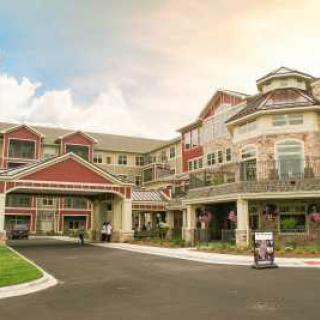
Cloverleaf in Brown Deer, WI is an assisted living community that offers a wide range of amenities and care services to promote a comfortable and fulfilling lifestyle for its residents. The community is fully furnished and provides a dining room where residents can enjoy delicious meals prepared by the staff. Additionally, housekeeping services are available to ensure that the living spaces remain clean and tidy.

Residents at Cloverleaf can also enjoy outdoor space, allowing them to relax and connect with nature. Access to telephone and Wi-Fi/high-speed internet is provided, enabling residents to stay connected with their loved ones and access online resources.

In terms of care services, Cloverleaf offers assistance with daily activities such as bathing, dressing, and transfers. The staff also coordinates with healthcare providers to ensure that residents receive the necessary medical attention. Special dietary restrictions are accommodated to meet individual needs.

Transportation arrangements for medical appointments are available, providing convenience and ease of access to necessary healthcare services. Moreover, the community is surrounded by various cafes, parks, pharmacies, restaurants, places of worship, theaters, and hospitals. This proximity allows residents to explore their surroundings and engage in recreational activities or seek additional medical care if needed.

To keep residents engaged and entertained, scheduled daily activities are organized within the community. These activities aim to foster social interaction among residents and provide opportunities for personal growth and enjoyment.

Overall, Cloverleaf in Brown Deer offers a comprehensive package of amenities, care services, dining options, transport facilities, and nearby attractions that create an enriching environment for older adults in search of assisted living options.

Nearby Places of Interest

Parks

  • A C Hanson Park (0.4 miles)
  • Algonquin Park (2 miles)
  • Brown Deer Park (2.7 miles)
  • Thiensville Village Park (3 miles)
  • Mequon Rotary Park (4.7 miles)
  • Kinderberg Park (5.7 miles)
  • Cedar Creek Park (7.4 miles)

Pharmacies

  • Walgreens (0.7 miles)
  • Walgreens (3.2 miles)
  • Walgreens (3.2 miles)
  • Walgreens (3.4 miles)
  • CVS Pharmacy (3.8 miles)
  • Walgreens (3.8 miles)
  • Walgreens (3.8 miles)

Restaurants

  • Family Table Restaurant (0.8 miles)
  • Wendy's (1.1 miles)
  • Libby Montana (1.3 miles)
  • Taco Bell (1.4 miles)
  • McDonald's (1.5 miles)
  • Wendy's (1.6 miles)
  • Papa John's Pizza (2.1 miles)

Hospitals

  • Rogers Memorial Hospital (0.9 miles)
  • Ambulatory EEG Recordings (4.2 miles)
  • Breastfeeding Support - Ascension Columbia St Mary's Hospital Ozaukee Birthing Center (5.6 miles)
  • Ascension Columbia St. Mary's Ozaukee - Cedarburg (6.4 miles)

Transportation

  • U-Haul Moving & Storage (2.8 miles)

Cafes

  • Starbucks (2.9 miles)
  • Panera Bread (3.8 miles)
  • Starbucks (3.9 miles)
  • Starbucks (4.9 miles)
  • Starbucks (6.2 miles)
  • Starbucks (6.8 miles)
  • Cedarburg Coffee Roastery (7.5 miles)

Physicians

  • Aurora Nephrology (3.4 miles)
  • Premier Vision (3.6 miles)
  • Mequon Clinical Associates (4 miles)
  • Estetika Skin & Laser Specialists (4.1 miles)
  • Aurora Advanced Healthcare (4.8 miles)
  • Rheumatic Disease Center (4.8 miles)
  • Highland Family Health Center (5.3 miles)

Theaters

  • North Shore Cinema Mequon, Wi (4.3 miles)
  • Menomonee Falls Cinema Menomonee Falls, Wi (7.5 miles)

Places of Worship

  • Redemption Lutheran Church (4.8 miles)
  • Northwest Baptist Church (6.7 miles)

Frequently Asked Questions

Where is Options For Community Growth - Cloverleaf?

Nearby Communities

Related Resources

  • assisted living for disabled adultsComprehensive Supportive Living Arrangements for Adults with Disabilities

    Assisted living for adults with disabilities has transformed to provide personalized care and support services aimed at improving residents' quality of life while balancing independence and assistance. However, low-income individuals often face challenges in affording these services, requiring navigation of various financial resources and advocacy for better policies and solutions.

  • how to pay for assisted livingFunding and Affording Assisted Living: A Thorough Overview

    Assisted living facilities provide support for older adults needing help with daily activities without extensive medical care, but their costs can be high and vary by location and services offered. Families often seek various funding options and financial strategies to manage these expenses effectively while considering future needs and potential price increases.

  • assisted living insuranceAssisted Living Expenses and Long-Term Care Insurance: A Comprehensive Exploration

    The article discusses assisted living expenses, the importance of long-term care insurance in covering these costs, and various financing options, highlighting the need for careful policy review and early planning to address potential needs. It also clarifies common misconceptions about Medicare and private health insurance limitations regarding long-term care coverage.