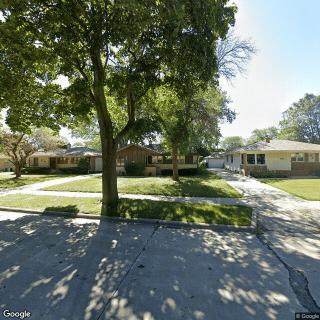
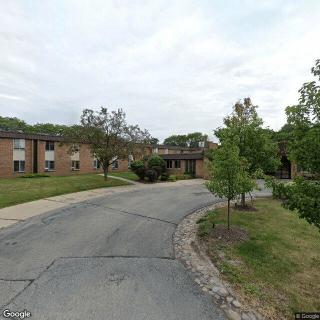
Open Hands Family Home

7873 West Palmetto Avenue, Milwaukee, WI 53218

For more information about senior living options: (844) 490-3973

2.8 from 4 reviews
5 stars
1
4 stars
1
3 stars
0
2 stars
0
1 stars
2

Assisted Living

Overall Review of Open Hands Family Home

Pros

  • pro They are amazing beyond words.
  • pro Each one has been unbelievable in helping care for her husband.
  • pro The reviewer thanks them from the bottom of her heart.

Cons

  • pro The review warns people to stay away from the facility.
  • pro The review claims that the staff abuse patients.
  • pro The review questions why the director allows such patient abuse.

Review

There are moments when the people involved in caregiving feel like unsung heroes, and the words of one reviewer capture that sentiment in a way that rings with honesty and warmth. They describe a group of individuals who stood by them in a deeply personal and challenging time, offering help with a grace that felt almost beyond measure. The praise comes through plainly: these people are amazing beyond words, and the speaker feels a profound sense of gratitude for the way they supported the care of a husband. The sense of relief and appreciation shines through as they reflect on acts of kindness, competence, and steady presence when it mattered most.

In the same voice that is full of thanks, the reviewer emphasizes the everyday acts that made a difficult journey more manageable. There's a sense of awe at how the staff handled complex caregiving tasks, coordinated care, and provided emotional as well as practical support. What stands out is not only the technical skill but the human warmth - the patience, the attentiveness, and a willingness to go the extra mile. The gratitude is intimate and palpable, as if the caregiver is naming individual people they felt truly seen and helped by. It feels personal, sincere, and unreserved, as they declare again and again that they want to thank these people from the bottom of their heart.

This same account builds a vivid picture of gratitude that is almost cinematic in its clarity: a chorus of helpers who stood beside the family in a trying chapter, making the burden lighter and the days a little brighter. The language is unguarded, almost reverent, underscoring a deep trust earned through consistent care and clear acts of support. The author leans into the emotional impact - the relief at not feeling alone, the assurance that skilled hands and kind hearts were present when it mattered most. It's a portrait of caregiving that recognizes the human cost of illness and the immeasurable value of compassionate hands at work.

But alongside this portrait of warmth and appreciation, another voice enters with a starkly different warning. This reviewer asks potential readers to "Keep your distance as far away as possible," a blunt directive that lands with the force of a cautionary tale. The message pivots from gratitude to alarm, signaling that not every experience aligns with the praise described earlier. The wording is direct and unambiguous, and it frames the facility in a way that calls for vigilance and careful consideration before engaging with it. The tone shifts from celebratory to wary in a heartbeat, underscoring that experiences with care environments can be deeply varied and highly personal.

The warning then sharpens into a pointed accusation: "Their staff is abusive to its patients." It's a claim that carries heavy weight, especially for those navigating the vulnerability that hospital or caregiving settings entail. The reviewer doesn't stop at accusation alone but adds the assertion that "the video does not lie," implying tangible evidence of mistreatment. The language strands into question and insistence: there should be accountability, and the reader deserves to know why such incidents occur. The call to action is not passive; it's a plea to understand the root causes and the safeguards or leadership decisions that might permit abuse to surface in the first place. The closing sentiment expresses a keen desire for transparency about why a director would allow such patient abuse to persist.

Taken together, the two voices sketch a complex picture of a care environment that can be a source of tremendous comfort for some and a site of serious concern for others. On one side, there is an portrait of extraordinary dedication - of staff who make a real difference in the lives of a patient and those who care for him, whose presence is felt as a lifeline during a difficult period. On the other side, there is a clarion call to scrutinize and confront possible harms, with the insistence that serious allegations require careful investigation, accountability, and safeguards to protect vulnerable patients. The juxtaposition invites readers to hold both truths in their minds at once: the possibility of outstanding, compassionate care coexisting with experiences that raise troubling questions about treatment and oversight.

What emerges from these accounts is a reminder of how essential trust is in caregiving. Families invest a great deal of hope in caregivers, and when a team earns gratitude and admiration, that trust can feel irreplaceable. Yet when warnings surface - especially those tied to abuse and evidence that seems undeniable - trust becomes more fragile, and the responsibility for remedy and explanation becomes urgent. The best path forward, according to the sentiments expressed, is to honor the voices that praise genuine care while also giving space to concerns that demand accountability. Only through that balance can families and patients feel safe, respected, and properly supported in the most vulnerable times of their lives.

Features

Housing

  • 4 resident community capacity 4 resident community capacity

Types of Care

  • Assisted Living Assisted LivingAssisted living facilities provide crucial support and care for seniors who may need help with daily tasks such as medication management, bathing, and meal preparation. These communities offer a safe and comfortable environment where seniors can maintain their independence while receiving the assistance they need to thrive in their golden years.

Amenities

  • Cable or satellite TV Cable or satellite TVCable or satellite TV is important for seniors because it provides entertainment, news, and companionship, helping to combat loneliness and boredom. It also offers a wide range of programming options tailored to different interests and preferences.
  • Dining room Dining roomDining rooms are important for seniors as they provide a space for socialization, connection, and nutritious meals. They offer opportunities for residents to bond over shared meals, foster a sense of community, and promote healthy eating habits. Dining rooms also ensure that seniors have access to well-balanced meals tailored to their dietary needs and preferences.
  • Fully furnished Fully furnishedFully furnished senior living communities are important for seniors because they provide convenience, comfort, and a hassle-free moving experience. Seniors can easily settle into their new living space without the stress of having to buy and move furniture. This allows them to focus on enjoying their new home and community.
  • Garden GardenGardens are important for seniors as they provide a peaceful and therapeutic environment for relaxation, physical activity, and socialization. Being in nature has been shown to reduce stress, improve mood, and promote overall well-being. Gardens also offer opportunities for seniors to engage in gardening activities, which can improve mobility, flexibility, and cognitive function. Additionally, gardens create a sense of community and connection with others who share a passion for plants and outdoor spaces.
  • Housekeeping services Housekeeping servicesHousekeeping services are important for seniors because they help maintain a clean and safe living environment, promote independence, and reduce the risk of accidents or illnesses. Additionally, having assistance with household chores can alleviate physical strain and allow seniors to focus on other aspects of their well-being.
  • Move-in coordination Move-in coordinationMove-in coordination is important for seniors because it helps ease the transition into their new living environment. It ensures that all logistics, such as packing, organizing movers, and setting up utilities are taken care of, allowing seniors to focus on settling in and adjusting to their new home. Having a smooth move-in process can alleviate stress and anxiety, making the transition smoother and more enjoyable for seniors.
  • Outdoor space Outdoor spaceOutdoor spaces are important for seniors as they provide opportunities for physical activity, social interaction, exposure to natural light and fresh air, and a sense of connection to nature. Having access to outdoor spaces can improve overall well-being and quality of life for older adults living in senior communities.
  • Telephone TelephoneTelephones are important for seniors as they provide a lifeline for communication with loved ones, emergency services, and healthcare providers. They offer a sense of security and independence, enabling seniors to stay connected and access assistance when needed.
  • Wi-Fi/high-speed internet available Wi-Fi/high-speed internet availableWi-Fi/high-speed internet is important for seniors to stay connected with loved ones, access online resources, and participate in virtual activities to combat feelings of loneliness and isolation. It also allows them to easily manage healthcare needs, access entertainment, and engage in lifelong learning opportunities.

Transportation

  • General Mitchell International (12 miles away) General Mitchell International (12 miles away)

Care Services

  • 24-hour supervision 24-hour supervision24-hour supervision is important for seniors to ensure their safety, well-being, and access to immediate assistance in case of emergencies or health issues. This constant support provides peace of mind for both seniors and their loved ones, allowing them to age in place with dignity and security.
  • Activities of daily living assistance Activities of daily living assistanceActivities of daily living assistance are important for seniors because they provide essential support with tasks such as eating, bathing, dressing, and mobility. This assistance helps seniors maintain their independence, dignity, and overall quality of life as they age.
  • Assistance with bathing Assistance with bathingAssistance with bathing is crucial for seniors as it helps maintain personal hygiene, prevents infections, and ensures their overall well-being and comfort. It also provides a sense of dignity and independence for seniors who may struggle with this task on their own.
  • Assistance with dressing Assistance with dressingAssistance with dressing is important for seniors because it helps maintain their independence, promotes personal hygiene, prevents accidents and injuries, and improves overall quality of life. This service ensures that seniors can continue to dress comfortably and confidently, despite any physical limitations they may have.
  • Assistance with transfers Assistance with transfersAssistance with transfers is crucial for seniors as it helps prevent falls and injuries, maintains their independence, and ensures they can safely navigate their living environment. It also provides peace of mind for both seniors and their loved ones.
  • Coordination with health care providers Coordination with health care providersCoordination with health care providers is crucial for seniors to ensure proper medical care, medication management, and overall well-being. This collaboration helps prevent overlapping treatments, track progress more effectively, and provide comprehensive support tailored to individual needs.
  • Diabetes diet Diabetes dietA diabetes diet is crucial for seniors as it helps manage blood sugar levels, reduce risks of complications, and improve overall health and well-being. By following a balanced and nutritious diet tailored to their specific needs, seniors can better control their diabetes and enhance their quality of life.
  • Meal preparation and service Meal preparation and serviceMeal preparation and service are crucial for seniors as they may have limited mobility or energy to cook nutritious meals. Having access to healthy and convenient food options can ensure they are getting the proper nutrition needed to maintain their overall health and well-being.
  • Medication management Medication managementMedication management is crucial for seniors to ensure they are taking the right medications at the correct dosages and times. This helps prevent adverse drug interactions, reduces the risk of medication errors, and promotes overall health and well-being. Proactive management also allows for adjustments as needed based on changing health conditions or new prescriptions.
  • Special dietary restrictions Special dietary restrictionsSpecial dietary restrictions are important for seniors because age-related changes in metabolism and health conditions can make it difficult for their bodies to process certain foods. By following a diet tailored to their specific needs, seniors can maintain their overall health and well-being, manage chronic conditions, and reduce the risk of complications such as malnutrition or food interactions with medications.
  • Transportation arrangement (medical) Transportation arrangement (medical)Transportation arrangements for medical purposes are essential for seniors as they may have difficulty driving themselves to appointments or accessing public transportation. Having reliable and safe transportation options ensures that seniors can receive timely medical care and maintain their health and well-being.
  • Transportation to doctors appointments Transportation to doctors appointmentsTransportation to doctors' appointments is crucial for seniors as it ensures they have access to necessary medical care and support for their health needs. Without reliable transportation, seniors may struggle to attend important appointments, leading to potential delays in treatment and health complications. Providing transportation services helps seniors maintain their overall well-being and quality of life.

Dining

  • Diabetes diet Diabetes dietA diabetes diet is crucial for seniors as it helps manage blood sugar levels, reduce risks of complications, and improve overall health and well-being. By following a balanced and nutritious diet tailored to their specific needs, seniors can better control their diabetes and enhance their quality of life.
  • Special dietary restrictions Special dietary restrictionsSpecial dietary restrictions are important for seniors because age-related changes in metabolism and health conditions can make it difficult for their bodies to process certain foods. By following a diet tailored to their specific needs, seniors can maintain their overall health and well-being, manage chronic conditions, and reduce the risk of complications such as malnutrition or food interactions with medications.

Activities

  • Community-sponsored activities Community-sponsored activitiesCommunity-sponsored activities are important for seniors as they provide opportunities for social interaction, mental stimulation, and physical activity. These activities can help improve overall well-being, combat loneliness and isolation, and promote a sense of belonging and purpose among older adults.
  • Scheduled daily activities Scheduled daily activitiesScheduled daily activities are important for seniors because they provide structure, socialization, mental stimulation, and physical activity. Engaging in regular activities can improve overall well-being and quality of life for seniors living in a community setting.

Description

Open Hands Family Home in Milwaukee, WI is a welcoming assisted living community that offers a range of amenities and care services to enhance the quality of life for our residents. With a fully furnished dining room, residents can enjoy delicious meals prepared by our staff or have the option to prepare their own meals if they prefer. Our beautiful garden provides a serene outdoor space for relaxation and socializing.

We understand the importance of maintaining a clean and organized living environment, which is why our dedicated housekeeping team ensures that all common areas are well-maintained. In addition, we offer move-in coordination services to assist residents in seamlessly transitioning into their new home.

For connectivity and convenience, we provide telephone services as well as Wi-Fi/high-speed internet access throughout the community. This allows residents to easily stay connected with family and friends and engage in online activities.

Our caring staff is trained to provide assistance with daily living activities such as bathing, dressing, and transfers. We coordinate closely with health care providers to ensure that our residents receive the necessary medical attention they require. For those with diabetes or special dietary restrictions, we offer specialized diet plans to support their health needs.

Engagement and socialization are important components of our community. We organize scheduled daily activities tailored to meet various interests and preferences. Residents can choose to participate in these activities or simply relax in one of the nearby cafes, parks, or restaurants located within close proximity to our community.

Furthermore, we understand that transportation is often crucial for medical appointments. That's why we arrange transportation services for medical needs as well as doctors' appointments. In addition, there are several pharmacies and hospitals conveniently located near our community for easy access to healthcare services.

Open Hands Family Home also recognizes the importance of spirituality in many individuals' lives. We have multiple places of worship nearby for those who wish to practice their faith within close distance.

Overall, Open Hands Family Home offers not just a comfortable living environment but also a supportive community that ensures the well-being and happiness of our residents.

Nearby Places of Interest

Pharmacies

  • Walgreens (0.9 miles)
  • Walgreens (1.1 miles)
  • Walgreens (2 miles)
  • Walgreens (2 miles)
  • Walgreens (2.2 miles)
  • Walgreens (2.7 miles)
  • Walgreens (3 miles)

Places of Worship

  • Northwest Baptist Church (1.2 miles)
  • Redemption Lutheran Church (1.2 miles)
  • Honey Creek Church (4.9 miles)

Restaurants

  • Checkers (1.2 miles)
  • Shark's Fish & Chicken (1.3 miles)
  • McDonald's (2.8 miles)
  • McDonald's (2.9 miles)
  • McDonald's (3.1 miles)
  • Chick-Fil-A (3.2 miles)
  • Culver's (3.2 miles)

Physicians

  • Aurora Advanced Healthcare (2.8 miles)
  • Wheaton Franciscan Medical Group (4 miles)
  • Aurora Nephrology (4.2 miles)
  • Froedtert Hospital (4.6 miles)
  • Froedtert Clinical Cancer Center (4.6 miles)
  • Aurora Health Center (4.8 miles)
  • Rheumatic Disease Center (5.6 miles)

Hospitals

  • Wheaton Franciscan - St. Joseph Campus (2.8 miles)
  • Ambulatory EEG Recordings (3.6 miles)
  • Aurora Psychiatric Hospital (4.2 miles)
  • Froedtert Pavilion (4.6 miles)
  • Rogers Memorial Hospital (5.9 miles)
  • Aurora Sinai Medical Center (6.1 miles)

Cafes

  • Starbucks (2.9 miles)
  • Starbucks (3.9 miles)
  • Starbucks (4.9 miles)
  • Starbucks (5.4 miles)
  • Starbucks (6.6 miles)
  • Starbucks (6.6 miles)

Transportation

  • U-Haul Moving & Storage (3.1 miles)

Parks

  • Hoyt Park (3.7 miles)
  • Wil-O-Way Underwood Park (4 miles)
  • Algonquin Park (4.1 miles)
  • Brown Deer Park (4.7 miles)
  • Estabrook Park (5.3 miles)
  • A C Hanson Park (5.4 miles)
  • Elm Grove Village Park (5.5 miles)

Frequently Asked Questions

Where is Open Hands Family Home?

Nearby Communities

  • Acts Of Service Supportive Living

    Acts Of Service Supportive Living

    Milwaukee, WI

    1 from 3 reviews
     

    pro Comprehensive care and amenities (furnished rooms, meals, transport for appointments, medication management, activities).

  • Home Away From Home Living Services

    Home Away From Home Living Services

    Milwaukee, WI


    pro Home-like setting with personalized care and dedicated memory-care programs, plus move-in coordination.

  • Teams Adult Family Home IV

    Teams Adult Family Home IV

    Milwaukee, WI

    5 from 1 review
     

    pro Small, personalized care with memory/dementia support and 24-hour supervision.

  • Unity Family Health And Services

    Unity Family Health And Services

    Milwaukee, WI


    pro Fully furnished units with meals, 24/7 supervision, and engaging activities.

  • Rubys Adult Family Home II

    Rubys Adult Family Home II

    Milwaukee, WI

    5 from 1 review
     

    pro Small, home-like setting with personalized care and dedicated memory care.

  • Glory House Adult Family Home

    Glory House Adult Family Home

    Milwaukee, WI


    pro Intimate 4-resident home providing personalized care with memory support.

  • Jefferson Crest III Yellow Rose

    Jefferson Crest III Yellow Rose

    Milwaukee, WI

    2.3 from 3 reviews
     

    pro Diabetes-focused assisted living with devotional services and comfortable social spaces.

  • Villa At Bradley Estates

    Villa At Bradley Estates

    Milwaukee, WI

     
    $6,536 / month

    pro Extensive amenities with 24/7 care and private rooms.

  • The Auberge at Oak Village

    The Auberge at Oak Village

    Menomonee Falls, WI

    4.5 from 77 reviews
    $5,885 to $6,995 / month

    pro Clean, welcoming environment with compassionate staff

Related Resources

  • when to move from assisted living to memory careWhen to Transition from Assisted Living to Memory Care: Key Indicators, Steps, and Finding the Right Community

    Transitioning from assisted living to memory care is driven by an individual's cognitive decline and specific needs, requiring careful evaluation of indicators like increased confusion and wandering. The process involves consulting medical professionals, researching suitable communities, considering financial and legal aspects, and ensuring effective communication for personalized care plans.

  • assisted living vs memory careAssisted Living and Memory Care: Understanding Their Core Differences

    Assisted living provides moderate support for seniors seeking independence, while memory care offers specialized support for individuals with dementia or cognitive impairments through structured routines and trained staff. Key differences include care approaches, environment security measures, staff training levels, activity types, and cost considerations.

  • assisted living activitiesBeyond the Bingo Hall: 50+ Enriching Activities for Seniors in Assisted Living

    Assisted living communities offer diverse activities beyond traditional games to enhance seniors' physical health, cognitive well-being, emotional enrichment, and social connections, including fitness classes, creative expression, and intergenerational interactions. These enriching programs foster community bonds and support residents' independence and happiness.