
8115 West Herbert, Milwaukee, WI 53218
For more information about senior living options: (866) 208-4318
Overall Review of Acts Of Service Supportive Living
Cons
 The facility is absolutely horrible and unprofessional.
- It is bed bug infested, has mice, and is filthy.
- The owner hires only family members and drug users who mistreat residents and she only cares about collecting money.
- Random men who are not certified change female residents.
- The place does not feed residents and is dirty.
- There are residents living there who are not sick or elderly.
- The building is falling apart and the place should be shut down immediately.
- The management is very poor, and staff talk down to residents.
- The bed bug infestation is ongoing and the rooms are nasty.
- The manager lets the third shift sleep on residents, causing nighttime falls and blames others.
- Sharon Butler is named as the manager who lacks compassion and argues with residents.
- It is an uncomfortable place to work, with concerns of improper practices and possible payoffs to the state despite violations.
Review
Acts Of Service Supportive Living in Milwaukee is best suited for a resident who can tolerate extreme operational risk and whose family will provide relentless oversight. The current accounts paint a picture of a facility struggling with basic safety, sanitation, and consistency in caregiving. In practical terms, it is not a good match for anyone who requires reliable daily meals, routine medication management, fall-prevention programs, or respectful, professional staff interactions. Families should anticipate a setting that may feel chaotic, with reports of pests and dirty conditions, and leadership that appears to be inconsistent or disengaged. In short, this community is not the go-to choice for typical assisted living needs.
Alternatives are strongly warranted for seniors who need regular supervision, consistent staffing, and clean, safe living spaces. If safety, hygiene, and predictable routines are non-negotiable, move toward well-reviewed assisted living communities or memory care facilities with transparent inspection histories. For families, the signal flags are clear: pest infestations, untrained staff interactions, and a building showing visible wear indicate red flags. Consider exploring locations with documented compliance, ample staffing, and proactive maintenance. In short, if any of these standards matter, alternatives should be prioritized.
The key pros are minimal in the available feedback, and any potential positives do not meaningfully offset the core failures. What could be a redeeming factor, resident camaraderie or a sense of community, appears insufficient in the face of pervasive safety and sanitation concerns. The narrative of residents being cared for by a close-knit group cannot compensate for unreliable meals, inconsistent medication oversight, and unsafe staffing practices. Reports of bed bugs, mice, dirty rooms, and a manager who allegedly allows unqualified individuals to attend to residents create tangible risks. Taken as a whole, the negatives overwhelmingly dominate, leaving little room for a prudent trade-off.
Maintenance and staffing gaps intensify the risk. Recurrent claims of mismanagement, unqualified personnel, and high turnover suggest basic routines, such as feeding residents, keeping rooms clean, and supervising nighttime hours, are unreliable. The accusation that a manager lacks compassion and blames others signals a culture that deprioritizes resident welfare. Even if residents can form a supportive micro-community, the facility’s infrastructure and governance appear unable to sustain that reality. This combination of poor maintenance, lax oversight, and alleged mistreatment is a clear red flag for anyone evaluating long-term care options.
Families evaluating options should demand concrete assurances: current licensing status and any enforcement actions, recent inspection reports, pest-control history, and a detailed plan for meals, medications, and incident reporting. Tour the building to observe cleanliness, living space condition, and whether staff interactions are respectful and professional. Ask about staff-to-resident ratios, caregiver qualifications, background checks, and on-site supervision during night shifts. Request references from current residents and families, and verify grievance processes. If verifiable, satisfactory responses cannot be produced, decline and pivot to facilities with a track record of safety, cleanliness, and compassionate care.
Bottom line: this Milwaukee community is not appropriate for seniors requiring dependable care, safety, and dignity. If viable alternatives exist within budget, they should be pursued immediately. For families willing to accept constant oversight and a readiness to intervene, a highly structured plan may mitigate some risk, but the burden remains substantial. Prospective residents should prioritize facilities with transparent governance, clean environments, robust meal service, and professional, licensed staff. In the decision-making process, this site should be treated as a last resort or a cautionary example, rather than a viable option for long-term assisted living.
 4 resident community capacity
 Assisted Living
 Cable or satellite TV
 Dining room
 Fully furnished
 Garden
 Housekeeping services
 Move-in coordination
 Outdoor space
 Telephone
 Wi-Fi/high-speed internet available
 General Mitchell International (13 miles away)
 24-hour supervision
 Activities of daily living assistance
 Assistance with bathing
 Assistance with dressing
 Assistance with transfers
 Diabetes diet
 Meal preparation and service
 Medication management
 Special dietary restrictions
 Transportation arrangement (medical)
 Transportation to doctors appointments
 Home-like setting with personalized care and dedicated memory-care programs, plus move-in coordination.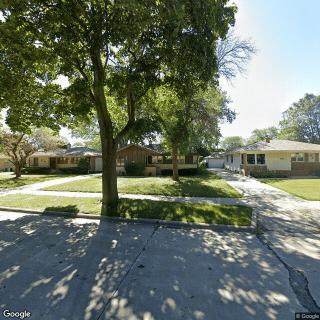

 Is Assisted Living Deductible on Your Taxes? Understanding the Complexities of Assisted Living Expenses and Deductions
 Assisted Living Support for Veterans: A Complete and Detailed Overview
 Exploring the Contrasts Between Assisted Living and Skilled Nursing