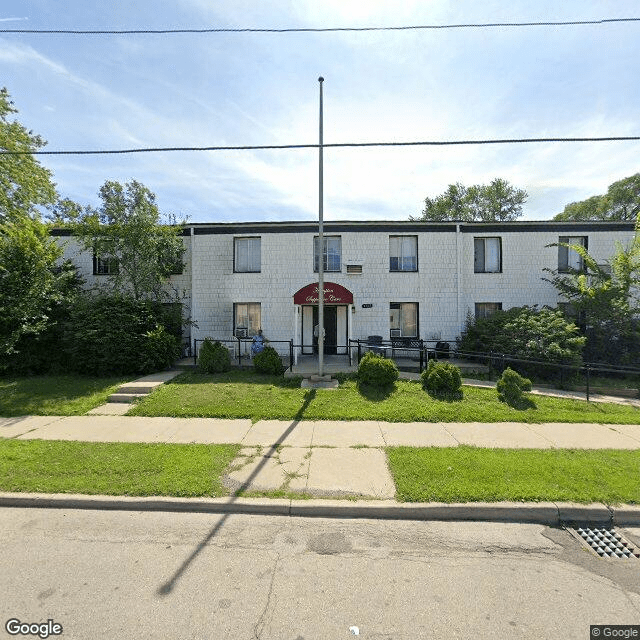
Hampton Supportive Care

Save
Hampton Supportive Care

Hampton Supportive Care

4615 West Hampton Avenue, Milwaukee, WI 53218

For more information about senior living options: (844) 490-3973

1 from 3 reviews
5 stars
0
4 stars
0
3 stars
0
2 stars
0
1 stars
3

Assisted Living

Hampton Supportive Care Costs & Pricing

Hampton Supportive Care offers competitive pricing for its private room accommodations, with monthly costs set at $3,665. This is notably lower than the average rates in Milwaukee County, which stand at approximately $4,513, and also below the state average of $4,339 in Wisconsin. By providing a more affordable option without compromising on quality care and support services, Hampton Supportive Care positions itself as an attractive choice for individuals seeking supportive living arrangements while managing their financial resources effectively.

Floor plansHampton Supportive CareMilwaukee CountyWisconsin
Private$3,665$4,513$4,339

Overall Review of Hampton Supportive Care

Pros

  • pro They love the residents.
  • pro The reviewers express sympathy for the residents.

Cons

  • pro The facility is horrible and unprofessional.
  • pro There are bed bugs and mice in the facility.
  • pro The owner hires only family and drug users and mistreats residents.
  • pro The owner cares only about collecting money and neglects residents.
  • pro Random men who are not certified are changing female residents.
  • pro Residents are not fed and the place is filthy.
  • pro The building is dirty, poorly maintained, and falling apart.
  • pro The management is poor and lacks compassion, often arguing with residents.
  • pro The third shift staff are allowed to sleep on residents, creating safety concerns.

Review

A cascade of troubling complaints paints a picture of a facility that many readers would find alarming. People living or working there describe a place overwhelmed by neglect and chaos, with pest problems, filth, and a pervasive sense that professionalism has been abandoned. The sentiment echoed across multiple accounts is that the environment is uncomfortable, unsanitary, and unsafe for those who rely on it for care. Bed bugs and mice are repeatedly singled out as persistent, non-trivial problems that suggest broader lapses in maintenance, cleaning, and resident protection. The overall atmosphere, according to these voices, is one of disarray and disorder rather than a calm, supportive caregiving setting.

Beyond the physical discomfort, the reviews raise serious concerns about cleanliness and daily living conditions. The rooms are described as dirty and the facility as a whole as "filthy." The implication is that basic hygiene and upkeep - things one would expect in any care setting - are not being adequately addressed. In one account, the allegation that residents are not being properly fed accompanies the broader claim of neglect, painting a picture of a facility where basic nutritional needs are not reliably met. Taken together, these observations contribute to an impression that residents' well-being is not being prioritized and that hygiene standards are slipping.

A core thread running through the criticisms concerns the way the facility is managed and staffed. Several reviewers allege that the owner prioritizes financial gain over resident welfare, characterizing the leadership as self-interested and detached from the daily needs of residents. Specific claims include that family members and individuals with drug use issues are hired and allowed to work in ways that residents feel are unsafe or inappropriate. One dramatic point is the accusation that random men who are not certified are involved in placing hands on female residents, a claim that would raise grave safety and consent concerns if true. The overarching claim is that the facility operates more as a business focused on revenue than as a dependable residence with accountable caretaking.

The reviews also emphasize that the facility fails to meet basic care standards. They describe a setting where residents are not adequately fed, and where the overall level of care seems inconsistent or lacking. The fact that non?elderly or non?ill individuals are alleged to reside there adds another layer of concern about whether the population being served is appropriate for the resources and safeguards that should be in place in a care setting. These elements together create a perception that the facility is not aligned with expected norms for resident care, safety, and dignity.

Safety and supervision appear to be critical points of contention as well. A longstanding complaint focuses on staffing patterns, with third shifts allegedly allowing sleep or inaction that could endanger residents during the night. When incidents occur, the blame is said to be deflected onto other shifts rather than addressed directly. Such dynamics contribute to a sense of instability and fear among residents and staff alike, undermining trust and raising questions about whether residents are truly protected during vulnerable hours.

A particular name that emerges in a few of the narratives is that of a manager described as lacking compassion and as engaging in frequent arguments with residents. The reviewer who mentions the name attributes to this person a pattern of talking down to residents and creating an uncomfortable workplace culture. While this is a single figure within the broader set of complaints, it underscores a recurring theme: concerns about leadership style, empathy, and the ability to manage a facility with a respectful, resident-centered approach. The tone of these comments suggests that both residents and staff feel unsupported and strained by management practices.

Finally, a broad admonition runs through the accounts about the facility's future. Several reviewers allege that the building is deteriorating, with structural concerns and repeated violations noted by authorities. There is also an insinuation that state regulators have found numerous issues but that those violations have not sufficed to trigger closing or a thorough overhaul. The combination of ongoing violations, a deteriorating structure, and the persistent sense of mismanagement fuels a stark conclusion: for some, the facility should be shut down to protect residents and prevent further harm.

Taken as a whole, these accounts sketch a portrait of a care setting mired in pest problems, filth, staffing irregularities, and leadership challenges. They present a narrative in which residents' basic needs - food, safety, respect, and clean living conditions - appear not to be consistently or adequately met. While these statements reflect the experiences and perceptions of reviewers, and not an independently verified report, they form a coherent, concerning picture that would prompt careful scrutiny and accountability from any overseeing bodies, and from the facility's own leadership, intended to safeguard the well-being and dignity of residents.

Features

Housing

  • 36 resident community capacity 36 resident community capacity

Types of Care

  • Assisted Living Assisted LivingAssisted living facilities provide crucial support and care for seniors who may need help with daily tasks such as medication management, bathing, and meal preparation. These communities offer a safe and comfortable environment where seniors can maintain their independence while receiving the assistance they need to thrive in their golden years.

Amenities

  • Activities on-site Activities on-siteActivities on-site are important for seniors because they provide opportunities for socialization, mental stimulation, physical activity, and overall well-being. Engaging in activities can help seniors stay active, maintain their independence, and improve their quality of life.
  • Beauty salon Beauty salonBeauty salons are important for seniors because they provide a space for them to feel pampered, socialize, and maintain their personal grooming and hygiene. Regular visits to a beauty salon can help boost seniors' self-esteem and overall well-being.
  • Cable or satellite TV Cable or satellite TVCable or satellite TV is important for seniors because it provides entertainment, news, and companionship, helping to combat loneliness and boredom. It also offers a wide range of programming options tailored to different interests and preferences.
  • Devotional services off-site Devotional services off-siteDevotional services off-site are important for seniors as they provide spiritual nourishment, social engagement, and a sense of community outside of the senior living facility. This can enhance overall well-being and help combat feelings of isolation and loneliness often experienced by older adults.
  • Dining room Dining roomDining rooms are important for seniors as they provide a space for socialization, connection, and nutritious meals. They offer opportunities for residents to bond over shared meals, foster a sense of community, and promote healthy eating habits. Dining rooms also ensure that seniors have access to well-balanced meals tailored to their dietary needs and preferences.
  • Fully furnished Fully furnishedFully furnished senior living communities are important for seniors because they provide convenience, comfort, and a hassle-free moving experience. Seniors can easily settle into their new living space without the stress of having to buy and move furniture. This allows them to focus on enjoying their new home and community.
  • Garden GardenGardens are important for seniors as they provide a peaceful and therapeutic environment for relaxation, physical activity, and socialization. Being in nature has been shown to reduce stress, improve mood, and promote overall well-being. Gardens also offer opportunities for seniors to engage in gardening activities, which can improve mobility, flexibility, and cognitive function. Additionally, gardens create a sense of community and connection with others who share a passion for plants and outdoor spaces.
  • Housekeeping services Housekeeping servicesHousekeeping services are important for seniors because they help maintain a clean and safe living environment, promote independence, and reduce the risk of accidents or illnesses. Additionally, having assistance with household chores can alleviate physical strain and allow seniors to focus on other aspects of their well-being.
  • Indoor common areas Indoor common areasIndoor common areas are crucial for seniors as they provide a space for socialization, recreation, and community engagement, promoting overall well-being and reducing feelings of isolation and loneliness.
  • Kitchenette KitchenetteKitchenettes are important for seniors living in senior living communities because they provide the convenience and independence of being able to prepare simple meals and snacks in the comfort of their own living space. This can help promote a sense of autonomy and well-being for seniors, allowing them to maintain some level of control over their dietary choices and daily routines.
  • Move-in coordination Move-in coordinationMove-in coordination is important for seniors because it helps ease the transition into their new living environment. It ensures that all logistics, such as packing, organizing movers, and setting up utilities are taken care of, allowing seniors to focus on settling in and adjusting to their new home. Having a smooth move-in process can alleviate stress and anxiety, making the transition smoother and more enjoyable for seniors.
  • Outdoor space Outdoor spaceOutdoor spaces are important for seniors as they provide opportunities for physical activity, social interaction, exposure to natural light and fresh air, and a sense of connection to nature. Having access to outdoor spaces can improve overall well-being and quality of life for older adults living in senior communities.
  • Restaurant-style dining Restaurant-style diningRestaurant-style dining is important for seniors because it allows them to enjoy delicious, nutritious meals in a social and upscale setting. This enhances their dining experience, promotes healthy eating habits, and fosters socialization with fellow residents, ultimately contributing to their overall well-being and quality of life.
  • Small library Small librarySmall libraries are important for seniors as they provide access to a variety of reading materials, including books, newspapers, and magazines. This can help stimulate their minds, keep them engaged, and provide a sense of community through book clubs and other social activities. Additionally, reading has been shown to improve cognitive function and overall mental well-being in older adults.
  • Telephone TelephoneTelephones are important for seniors as they provide a lifeline for communication with loved ones, emergency services, and healthcare providers. They offer a sense of security and independence, enabling seniors to stay connected and access assistance when needed.
  • Wi-Fi/high-speed internet available Wi-Fi/high-speed internet availableWi-Fi/high-speed internet is important for seniors to stay connected with loved ones, access online resources, and participate in virtual activities to combat feelings of loneliness and isolation. It also allows them to easily manage healthcare needs, access entertainment, and engage in lifelong learning opportunities.

Transportation

  • General Mitchell International (11 miles away) General Mitchell International (11 miles away)

Care Services

  • 24-hour call system 24-hour call system24-hour call systems are important for seniors because they provide peace of mind and immediate assistance in case of emergencies. This technology ensures that help is always available, promoting safety and security for elderly individuals living alone or in assisted living facilities.
  • 24-hour supervision 24-hour supervision24-hour supervision is important for seniors to ensure their safety, well-being, and access to immediate assistance in case of emergencies or health issues. This constant support provides peace of mind for both seniors and their loved ones, allowing them to age in place with dignity and security.
  • Activities of daily living assistance Activities of daily living assistanceActivities of daily living assistance are important for seniors because they provide essential support with tasks such as eating, bathing, dressing, and mobility. This assistance helps seniors maintain their independence, dignity, and overall quality of life as they age.
  • Ambulatory care Ambulatory care"Ambulatory care services provide essential medical support and treatment to seniors without requiring hospitalization, allowing them to maintain their independence and quality of life while managing chronic conditions or receiving routine medical care."
  • Assistance with bathing Assistance with bathingAssistance with bathing is crucial for seniors as it helps maintain personal hygiene, prevents infections, and ensures their overall well-being and comfort. It also provides a sense of dignity and independence for seniors who may struggle with this task on their own.
  • Assistance with dressing Assistance with dressingAssistance with dressing is important for seniors because it helps maintain their independence, promotes personal hygiene, prevents accidents and injuries, and improves overall quality of life. This service ensures that seniors can continue to dress comfortably and confidently, despite any physical limitations they may have.
  • Assistance with transfers Assistance with transfersAssistance with transfers is crucial for seniors as it helps prevent falls and injuries, maintains their independence, and ensures they can safely navigate their living environment. It also provides peace of mind for both seniors and their loved ones.
  • Diabetes diet Diabetes dietA diabetes diet is crucial for seniors as it helps manage blood sugar levels, reduce risks of complications, and improve overall health and well-being. By following a balanced and nutritious diet tailored to their specific needs, seniors can better control their diabetes and enhance their quality of life.
  • Diabetic care Diabetic careDiabetic care is crucial for seniors as they are more susceptible to developing diabetes due to aging and other health conditions. Proper management of diabetes can help prevent complications such as heart disease, vision loss, and nerve damage, improving the overall quality of life for seniors in senior living communities.
  • Meal preparation and service Meal preparation and serviceMeal preparation and service are crucial for seniors as they may have limited mobility or energy to cook nutritious meals. Having access to healthy and convenient food options can ensure they are getting the proper nutrition needed to maintain their overall health and well-being.
  • Medication management Medication managementMedication management is crucial for seniors to ensure they are taking the right medications at the correct dosages and times. This helps prevent adverse drug interactions, reduces the risk of medication errors, and promotes overall health and well-being. Proactive management also allows for adjustments as needed based on changing health conditions or new prescriptions.
  • Mental wellness program Mental wellness programMental wellness programs are essential for seniors as they promote cognitive stimulation, emotional support, and social engagement. These programs help prevent isolation, depression, and cognitive decline, ultimately enhancing the overall quality of life for older adults.
  • Special dietary restrictions Special dietary restrictionsSpecial dietary restrictions are important for seniors because age-related changes in metabolism and health conditions can make it difficult for their bodies to process certain foods. By following a diet tailored to their specific needs, seniors can maintain their overall health and well-being, manage chronic conditions, and reduce the risk of complications such as malnutrition or food interactions with medications.
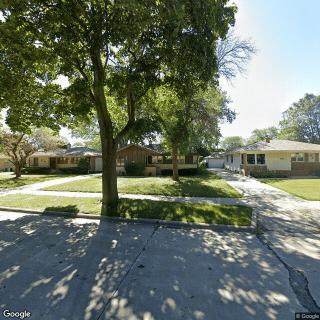
Dining

  • Diabetes diet Diabetes dietA diabetes diet is crucial for seniors as it helps manage blood sugar levels, reduce risks of complications, and improve overall health and well-being. By following a balanced and nutritious diet tailored to their specific needs, seniors can better control their diabetes and enhance their quality of life.
  • Meals provided Meals provided"Meals provided" are crucial for seniors in assisted living communities as it ensures they have access to nutritious, balanced meals without the stress of meal planning and preparation. This can help promote overall health and well-being for seniors who may have limited mobility or cognitive abilities.
  • Special dietary restrictions Special dietary restrictionsSpecial dietary restrictions are important for seniors because age-related changes in metabolism and health conditions can make it difficult for their bodies to process certain foods. By following a diet tailored to their specific needs, seniors can maintain their overall health and well-being, manage chronic conditions, and reduce the risk of complications such as malnutrition or food interactions with medications.

Activities

  • Activities on-site Activities on-siteActivities on-site are important for seniors because they provide opportunities for socialization, mental stimulation, physical activity, and overall well-being. Engaging in activities can help seniors stay active, maintain their independence, and improve their quality of life.
  • Community-sponsored activities Community-sponsored activitiesCommunity-sponsored activities are important for seniors as they provide opportunities for social interaction, mental stimulation, and physical activity. These activities can help improve overall well-being, combat loneliness and isolation, and promote a sense of belonging and purpose among older adults.
  • Devotional activities offsite Devotional activities offsiteDevotional activities offsite are important for seniors because they provide social engagement, spiritual growth, and a sense of community outside of their living environment. This can improve overall well-being, mental health, and combat feelings of isolation or loneliness.
  • Resident-run activities Resident-run activitiesResident-run activities are important for seniors as they encourage social interaction, creativity, and a sense of autonomy. These activities empower seniors to stay engaged and active in their community while fostering meaningful connections with their peers.
  • Scheduled daily activities Scheduled daily activitiesScheduled daily activities are important for seniors because they provide structure, socialization, mental stimulation, and physical activity. Engaging in regular activities can improve overall well-being and quality of life for seniors living in a community setting.

Description

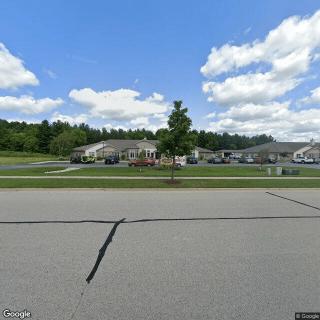
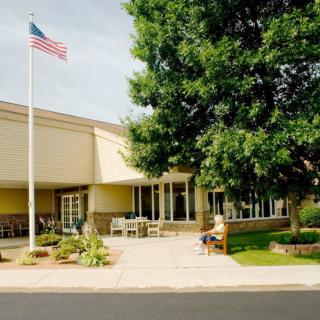
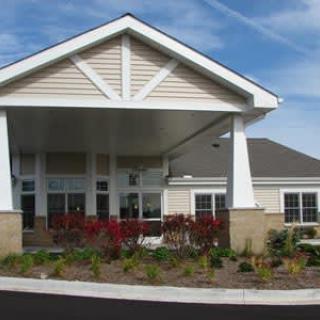
Hampton Supportive Care in Milwaukee, WI is an assisted living community that offers a wide range of amenities and care services to cater to the needs of its residents. The community boasts a beauty salon where residents can pamper themselves and maintain their personal grooming routines. Residents can enjoy their favorite TV shows with cable or satellite TV in the comfort of their own rooms. Devotional services are available off-site for those who seek spiritual support.

The dining room provides a pleasant atmosphere for residents to enjoy delicious and nutritious meals prepared by the staff. The community is fully furnished, ensuring that residents have all the necessary furnishings for a comfortable stay. A beautiful garden provides outdoor space where residents can relax and enjoy nature.

Housekeeping services are offered to keep the community clean and tidy, reducing the burden on residents. Indoor common areas provide spaces for socializing and engaging in activities with other residents. A small library is available for those who enjoy reading and expanding their knowledge.

Residents can stay connected with family and friends through telephone service and Wi-Fi/high-speed internet access. Move-in coordination helps ease the transition process for new residents, ensuring a smooth experience.

The caring staff at Hampton Supportive Care provides 24-hour supervision and assistance with activities of daily living such as bathing, dressing, and transfers. Specialized care is available for residents with diabetes, including diabetic diets and diabetic care management. Medication management ensures that residents receive their prescribed medications on time.

A mental wellness program is in place to promote emotional well-being among residents, providing support for any mental health needs they may have. Special dietary restrictions are accommodated to cater to individual preferences or medical conditions.

Various activities are organized within the community, including community-sponsored activities, devotional activities offsite, resident-run activities, and scheduled daily activities. These provide opportunities for socialization, engagement, entertainment, and personal growth.

Hampton Supportive Care benefits from its convenient location near cafes, parks, pharmacies, physicians, restaurants, transportation services, places of worship, and hospitals. This allows residents to easily access additional amenities and services in the surrounding area.

Overall, Hampton Supportive Care is a welcoming assisted living community that prioritizes the comfort, well-being, and independence of its residents through its outstanding amenities and care services.

Nearby Places of Interest

This part of Milwaukee, Wisconsin offers a convenient and diverse range of amenities for senior living. With several restaurants nearby, including Shark's Fish & Chicken, The Cheesecake Factory, and Kopp's Frozen Custard, seniors can enjoy a variety of dining options without having to travel far. Additionally, there are multiple pharmacies in the area, such as Walgreens and CVS Pharmacy, ensuring easy access to medication and healthcare needs. For spiritual well-being, there are several places of worship like Redemption Lutheran Church and Northwest Baptist Church nearby. In terms of healthcare facilities, Wheaton Franciscan - St. Joseph Campus and Aurora Psychiatric Hospital are within a short distance for medical care. Transportation options like U-Haul Moving & Storage and Milwaukee Intermodal Station provide easy access to getting around the city. Parks like Estabrook Park and Algonquin Park offer opportunities for outdoor recreation and relaxation. Overall, this part of Milwaukee combines convenience with essential services for a comfortable senior living experience.

Restaurants

  • Shark's Fish & Chicken (0.9 miles)
  • Checkers (2.1 miles)
  • The Brick Pub & Grill (2.7 miles)
  • Kopp's Frozen Custard (2.8 miles)
  • McDonald's (3.1 miles)
  • The Cheesecake Factory (3.1 miles)
  • KFC (3.2 miles)

Pharmacies

  • Walgreens (1.1 miles)
  • CVS Pharmacy (1.2 miles)
  • Walgreens (2.1 miles)
  • Walgreens (2.8 miles)
  • Walgreens (2.8 miles)
  • Walgreens (2.9 miles)
  • Walgreens (3.1 miles)

Places of Worship

  • Redemption Lutheran Church (1.7 miles)
  • Northwest Baptist Church (2.9 miles)
  • Honey Creek Church (5.2 miles)

Hospitals

  • Wheaton Franciscan - St. Joseph Campus (2.1 miles)
  • Aurora Psychiatric Hospital (4.4 miles)
  • Aurora Sinai Medical Center (4.8 miles)
  • Ambulatory EEG Recordings (5 miles)
  • Froedtert Pavilion (5 miles)
  • Rogers Memorial Hospital (5.7 miles)

Transportation

  • U-Haul Moving & Storage (3.1 miles)
  • Milwaukee Intermodal Station (5.5 miles)

Physicians

  • Aurora Nephrology (3.2 miles)
  • Rheumatic Disease Center (4.1 miles)
  • Aurora Advanced Healthcare (4.3 miles)
  • Froedtert Clinical Cancer Center (5.1 miles)
  • Froedtert Hospital (5.2 miles)
  • Aurora Health Center (5.7 miles)

Parks

  • Estabrook Park (3.3 miles)
  • Algonquin Park (3.9 miles)
  • Brown Deer Park (4 miles)
  • Kern Park (4.1 miles)
  • Hoyt Park (4.4 miles)
  • Wil-O-Way Underwood Park (5 miles)
  • Atwater Park (5 miles)

Cafes

  • Starbucks (3.4 miles)
  • Starbucks (3.9 miles)
  • Starbucks (4.2 miles)
  • Starbucks (5.3 miles)
  • Colectivo Lakefront (5.5 miles)

Frequently Asked Questions

How much does it cost to live at Hampton Supportive Care in Milwaukee, WI?
Where is Hampton Supportive Care?

Nearby Communities

  • Davis And Paden Home

    Davis And Paden Home

    Milwaukee, WI


    pro Small, personalized care with 24/7 supervision and dementia-focused programming.

  • Hadassah Care Home

    Hadassah Care Home

    Milwaukee, WI

    5 from 3 reviews
    $2,295 to $4,895 / month

    pro Affordable studio living with furnished units and around-the-clock care.

    Hadassah Care Home costs
    Hadassah Care Home reviews

  • Liberty House 2

    Liberty House 2

    Milwaukee, WI


    pro Fully furnished apartments with meals and 24/7 supervision.

  • Emanuels II

    Emanuels II

    Milwaukee, WI

    5 from 4 reviews
     

    pro Comprehensive assisted living with memory care, 24/7 supervision, and specialized dementia programming.

    Emanuels II reviews

  • Emanuels Adult Family Home

    Emanuels Adult Family Home

    Milwaukee, WI


    pro Small, homey setting (4 beds) offering personalized care with specialized memory care programming.

  • Serenity Residential Facility 2

    Serenity Residential Facility 2

    Milwaukee, WI


    pro Intimate, home-like setting with memory care and 24/7 supervision

  • Jefferson Crest III Yellow Rose

    Jefferson Crest III Yellow Rose

    Milwaukee, WI

    2.3 from 3 reviews
     

    pro Diabetes-focused assisted living with devotional services and comfortable social spaces.

    Jefferson Crest III Yellow Rose reviews
    Jefferson Crest III Yellow Rose images

  • Laurel Oaks Senior Living

    Laurel Oaks Senior Living

    Glendale, WI

    4.6 from 53 reviews
     

    pro Friendly, attentive staff in a clean, home-like setting with engaging activities and well-maintained grounds.

    Laurel Oaks Senior Living reviews
    Laurel Oaks Senior Living images

  • HarborChase Of Shorewood

    HarborChase Of Shorewood

    Shorewood, WI

    4.1 from 57 reviews
    $6,000 to $8,500 / month

    pro Friendly, caring staff in a modern, well-kept, intimate memory-care focused community with strong dining and engaging activities.

    HarborChase Of Shorewood costs
    HarborChase Of Shorewood reviews
    HarborChase Of Shorewood images

Related Resources

  • activities of daily livingComprehensive Insights into Activities of Daily Living (ADLs) and Their Assessment

    Activities of Daily Living (ADLs) are fundamental tasks vital for an individual's independence, particularly in older adults over 85, and include functions like bathing and dressing; assessing ADLs alongside Instrumental Activities of Daily Living (IADLs) helps determine the level of required assistance due to age-related health challenges. Tailored support plans, involving family and community resources, are essential for maintaining dignity and autonomy in assisted living environments.

  • elderly parent refuses assisted livingGuiding Elderly Parents Who Refuse Assisted Living: 6 Practical Steps

    Family caregivers face emotional, legal, and practical challenges when elderly parents refuse assisted living, often due to fears of losing autonomy. Open conversations and professional assessments can help address these concerns while exploring alternatives and ensuring safety, potentially leading to legal guardianship if necessary.

  • luxury assisted livingYour Comprehensive Guide to Luxury Assisted Living: Elevated Facilities, Amenities, and Costs

    Luxury assisted living offers high-quality senior care in a resort-like environment that combines essential medical support, gourmet dining, and personalized services to enhance residents' independence and well-being. These upscale facilities emphasize holistic health and community-building through customized care plans and social activities, catering to the growing demand for enriched senior living experiences despite higher costs.