
10851 West Donna Drive, Milwaukee, WI 53224
For more information about senior living options: (866) 208-4318
Garden Terrace Costs & Pricing
Garden Terrace offers an attractive and budget-friendly option for those seeking residential accommodations, with monthly costs significantly lower than the county and state averages. For a one-bedroom unit, residents pay just $740, in stark contrast to Milwaukee County's average of $3,057 and Wisconsin's overall average of $3,412. Similarly, the two-bedroom option at Garden Terrace is priced at $800, compared to $2,654 in Milwaukee County and $3,111 statewide. These competitive rates reflect a commitment to affordability without sacrificing quality of living, making Garden Terrace a compelling choice for individuals and families alike.
| Floor plans | Garden Terrace | Milwaukee County | Wisconsin |
|---|---|---|---|
| 1 Bedroom | $740 | $3,057 | $3,412 |
| 2 Bedrooms | $800 | $2,654 | $3,111 |
Overall Review of Garden Terrace
Pros
 Garden Terrace is described as a peaceful place with little trouble around it.
- The staff is very nice and very informative.
- Everything is wheelchair accessible here.
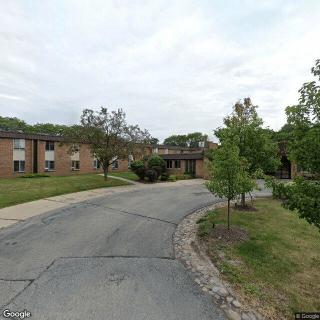
- The outdoor areas are beautiful and the yard is well kept.
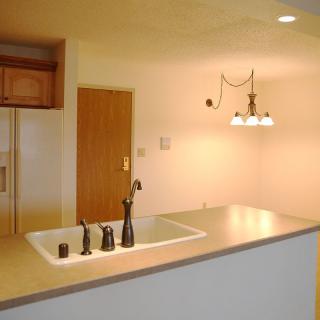
- Rooms are spacious and many have walk-in showers.
- Heating is included, there is a store inside, and lunch is served in the dining room.
- The facility offers activities like bingo, shopping trips, and Thursday movie nights.
- The value is very good.
Cons
 The staff aren’t perfect; you cannot expect 100% good people.
 - There is some downside to the staff, despite them being good at their work.
- The facility has very few activities.
Review
Garden Terrace in Milwaukee is best suited for physically capable seniors who need some personal care but want to remain in their own spacious, privacy-oriented apartment. The community clearly serves residents who rely on assistance with housekeeping, laundry, and occasional personal care, yet prefer independent living with flexible access to support rather than a fully closed, all-inclusive facility. The design and layout favor wheelchair users and those with mobility needs, featuring very large bathrooms and expansive rooms that accommodate wheelchairs and in-room routines. For someone who prizes quiet, retreat-like surroundings and the ability to control meals and daily routines in a private space, Garden Terrace emerges as a practical, lower-pressure option that still offers meaningful help when needed. It is not the right pick for someone chasing a bustling social calendar or a campus-style atmosphere.
Those who may want alternatives are chiefly individuals seeking a more robust social life, structured daily programming, or guaranteed, all-inclusive meals and around-the-clock staffing. The reviews show a mix: some residents enjoy a quiet environment with occasional activities, while others note “very few activities,” which can leave a gap for people who thrive on daily engagement and excursions. Families or residents who want meals included as a core feature of the package should anticipate a difference here, since what distinguishes this program from traditional assisted living largely comes down to meal arrangements and the ability to tailor services rather than a broader, built-in activity lineup. Similarly, those requiring a higher level of constant supervision or specialized memory-care support may want to look at communities designed specifically for those needs.
The core advantages, spacious, wheelchair-accessible apartments with large bathrooms and walk-in showers, directly address safety and independence, and they offset several common drawbacks. Residents can navigate hallways comfortably with two wheelchairs in the space, and individual units allow for in-room routines and personal preferences. Access to house-keeping, laundry, and personal care keeps daily burdens manageable without surrendering autonomy. The building’s peaceful environment and well-kept exterior add a reassuring sense of security, while practical inclusions such as heating for some units and an on-site store contribute to ongoing comfort and convenience. For those who value a quieter, private living arrangement paired with optional support, these strengths provide a strong, offsetting counterweight to a lighter activity lineup.
Yet the cons are real enough to influence a decision for many. The activity slate appears limited in some reviews, and that can matter when a resident’s social needs are a priority. There is also variability in staff experience, with an acknowledgment that “you really cannot expect 100% good people,” which translates into a need for families to assess consistency and reliability during tours and trial stays. The pricing model leans toward a la carte elements, with each apartment priced individually and meals often treated as an optional add-on rather than a built-in perk. While some residents describe the value as “very good,” this structure demands careful budgeting and clear agreements on what is included versus what carries an extra charge. For families, the financial clarity, and the potential for higher total costs if many services are used, should be part of the first-line assessment.
In practical terms, Garden Terrace rewards a candid, purpose-driven inquiry. Prospective residents should test the space for mobility practicality: check the width of doorways and hallways, test the walk-in showers, evaluate the ease of moving between living areas with mobility devices, and see if the apartment size truly fits daily life. Ask concrete questions about the current scope of 24/7 availability, even if it’s described as an option rather than a guaranteed mandate, and verify what constitutes a “service” in the personal-care package. In terms of lifestyle, inquire about the activity calendar, outings, and the social gravity of the community, whether bingo, shopping trips, movies, and other events align with meaningful engagement or feel optional. Finally, obtain a transparent breakdown of pricing, including meals, utilities, and any “a la carte” services, to determine overall value.
In the end, Garden Terrace stands out for families seeking a practical, private-first living arrangement with accessible design and flexible support options. It is particularly well-suited for seniors who prize independence in a spacious, peaceful setting and want reliable personal care without surrendering control over their daily lives. It is less convincing for those who require a richer, all-inclusive social program or a guaranteed, comprehensive 24/7 care environment. A thorough tour, focusing on current staffing levels, programming depth, and precise pricing, will reveal whether this Milwaukee community can be the right balance of autonomy and support for a given path forward.
 40 resident community capacity
 1-bedroom apartments
 Active Adult Communities (55+)
 Assisted Living
 Skilled Nursing Facility
 Activities off-site
 Beauty salon
 Cable or satellite TV
 Dining room
 Full kitchen
 Fully furnished
 Garden
 Housekeeping services
 Indoor common areas
 Laundry
 Move-in coordination
 Outdoor common areas
 Resident parking
 Restaurant-style dining
 Security gate
 Small library
 Telephone
 Wheelchair accessible showers
 Wi-Fi/high-speed internet available
 General Mitchell International (17 miles away)
 24-hour call system
 Ambulatory care
 Assistance with bathing
 Assistance with dressing
 Assistance with transfers
 Diabetes diet
 Diabetic care
 Medication management
 Mental wellness program
 Special dietary restrictions
 Fitness programs
 English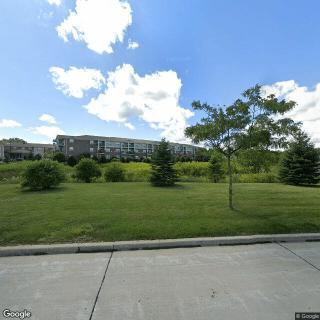


 Assisted Living Support for Veterans: A Complete and Detailed Overview
 Exploring the Contrasts Between Assisted Living and Skilled Nursing
 8 Key Indicators That Suggest It May Be Time to Transition from Assisted Living to Skilled Nursing Care