
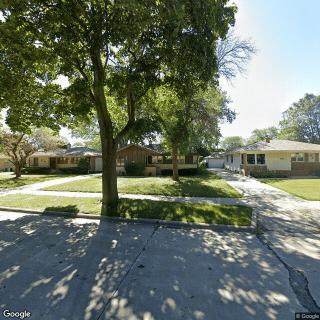
7622 West Bobolink Place, Milwaukee, WI 53218
For more information about senior living options: (866) 208-4318
Overall Review of Friends Of Family Audlt Home
Pros
 Ben is an exceptional therapist.
- He helped my mother regain her confidence and mobility.
- He is kind, knowledgeable, and always goes above and beyond to support his patients.
- He is highly recommended.
Review
This Milwaukee community is best suited for families seeking a rehab-forward environment where mobility and confidence can be rebuilt under attentive, skilled therapeutic care. The standout signal from the available feedback centers on a therapy-led approach, with a clinician who consistently demonstrates kindness, deep knowledge, and a willingness to go the extra mile to support each patient. For residents who prioritize practical progress, gait, balance, and functional independence, this setting provides a focused path to meaningful improvement rather than a generic, broad-brush care plan.
Those weighing alternatives should consider whether the decision hinges on more than rehabilitation. If strength lies in highly medicalized support, memory-care programming, or a broader, campus-style ecosystem with extensive 24/7 nursing coverage, the available reviews suggest exploring options with clearer breadth in medical services and dementia-specific offerings. The limited number of rave reports implies that a fuller picture remains necessary; families should supplement with tours and firsthand conversations to ensure the balance of therapy quality and daily living supports matches expectations.
The primary pro is unmistakable: therapy quality with a therapist who makes a tangible difference in outcomes. The praised clinician’s ability to promote regained confidence and mobility translates into real, observable gains for residents and peace of mind for families. In practice, that means care plans are not rote but responsive, with professionals who listen, adjust, and push for progress without sacrificing compassion. This level of patient-centered expertise is the sort of core asset that can shorten the healing arc and reduce caregiver stress.
However, the strength of therapeutic leadership does not automatically address every possible need. The small, three-review dataset limits certainty about other dimensions of living quality, daily routines, meal services, social programming, safety, and long-term care transitions. The absence of detailed programmatic information invites scrutiny: ask about how therapy integrates with daily activities, what happens when rehab goals are met, and how staff coordinate with any on-site medical teams. Prospective residents should verify consistency across shifts and assess whether the environment remains supportive beyond the initial rehabilitation phase.
Practical due diligence during a visit should focus on the mechanics of care delivery and the human touch that underpins therapy success. Inquire about typical therapy schedules, therapist-to-resident ratios, and the process for tailoring goals to individual milestones. Request to observe therapy sessions in action, talk with current residents about day-to-day routines, and review how progress is documented and communicated to families. Explore how staff handle setbacks, what leisure and social opportunities exist for non-therapy time, and how the community supports family involvement in care decisions.
In the end, the choice hinges on aligning priorities with what the community clearly excels at. If the priority is a rehab-centric model led by capable therapists who can deliver noticeable improvements in mobility and confidence, this Milwaukee option stands out as a strong candidate. For families prioritizing broad medical acuity, dementia-specific programming, or a wider menu of care settings, alternatives should be weighed carefully. The available feedback signals a high level of trust in the therapy experience, making it a compelling recommendation for those whose decision calculus centers on meaningful, measurable progress in functional independence.
 4 resident community capacity
 Assisted Living
 Board and Care Home
 Memory Care
 Cable or satellite TV
 Dining room
 Fully furnished
 Garden
 Housekeeping services
 Move-in coordination
 Outdoor space
 Telephone
 Wi-Fi/high-speed internet available
 General Mitchell International (14 miles away)
 24-hour supervision
 Activities of daily living assistance
 Assistance with bathing
 Assistance with dressing
 Assistance with transfers
 Diabetes diet
 Hospice waiver
 Meal preparation and service
 Medication management
 Mental wellness program
 Special dietary restrictions
 Transportation arrangement (medical)
 Transportation to doctors appointments

 Delving into the Inner World of Dementia: Insights into Thoughts and Awareness
 Five Subtle Dementia Indicators to Observe: An In-Depth Guide to Understanding “Does My Mom Have Dementia?”
 Dementia, Paranoia, and Caregiver Guidance: Understanding the Connection