
8608 West Crossfield Avenue, Milwaukee, WI 53225
For more information about senior living options: (866) 208-4318
Overall Review of Flagg Street Manor II
Pros
 The group home owner takes good care of her residents.
- She makes sure they are healthy and safe.
- She takes care of them and provides everything they need.
- She answers the phone for any emergencies in a heartbeat.
Review
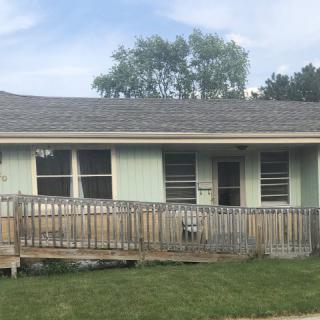
Flagg Street Manor II in Milwaukee is best suited for families seeking an intimate, owner-operated environment where care feels personal, responsive, and hands-on. This setting works well for residents who thrive in a home-like atmosphere, where daily routines are predictable and attention to safety and basic needs is constant. The core appeal is a caregiver who can be reached readily, with a model that prioritizes everyday comfort, timely health checks, and straightforward access to the person responsible for coordination of care.
Those who may want to consider alternatives are individuals with higher acuity needs or those who expect robust clinical oversight. A larger assisted living community, a facility with dedicated memory-care wings, or a program with more on-site medical staff and structured activity programming will typically offer more oversight, formal therapy options, and scheduled medical services. Prospective residents who require ongoing nursing supervision, complex medication management, or an array of therapeutic services might find a bigger operation better aligned with those requirements. The presence of a one-star review in the overall rating signals that some families have had concerns significant enough to impact overall satisfaction, so a careful, detail-focused visit is essential for anyone weighing this option.
The most compelling positives here are anchored in the proprietor’s hands-on care. The caregiver’s commitment to residents’ health and safety is clear: residents are described as being cared for in a way that prioritizes well-being, with the sense that needs are anticipated and addressed promptly. The ability to answer emergencies quickly, “in a heartbeat”, is not a small advantage in a home setting where formal back-up systems may be more limited than in larger facilities. Residents reportedly have access to what they need, which translates into less friction around daily tasks, meals, medications, and personal assistance. In practical terms, these strengths translate into peace of mind for families who value reliability, direct accountability, and a responsive caregiver who can adapt to changing conditions.
Yet, the limited scale of a group home inevitably introduces constraints. The principal drawbacks center on staffing breadth and the breadth of services commonly accessible in bigger communities. With a smaller operation, there may be fewer hands on deck at certain times, less built-in programming, and fewer on-site resources for specialized therapies or instrumental support beyond basic daily living assistance. The lack of detail about typical activities, transportation options, and coordination with external healthcare providers makes it essential for families to verify these elements during a visit. The single low rating serves as a reminder that while the promise of attentive, rapid response is compelling, it does not guarantee a uniform experience for every resident or every day.
The way the positives offset the potential drawbacks is straightforward but not universal. For residents who prize immediacy of care, a stable, caregiver-led routine, and consistent, high-touch attention, the owner-driven model delivers a level of reassurance that larger operations may struggle to match. The home-like setting often means fewer bureaucratic hurdles, more flexible scheduling, and a stronger sense of belonging. Those benefits can compensate for a comparatively lean program slate, as long as expectations align with what the community can realistically offer. Conversely, for families prioritizing extensive clinical services, diverse activity calendars, or specialized memory-care protocols, the scale and offerings here may fall short, making a move to a more comprehensive community a prudent alternative.
Practical next steps for families: arrange a first-hand visit and observe how the routine unfolds across mornings and evenings, ask pointed questions about staff-to-resident ratios, and request a written outline of care plans, medication management, and emergency procedures. Inquire about meal options, transportation for appointments, and the availability of activities that match the resident’s interests and cognitive needs. Confirm licensing status, safety features, and how quickly the owner can be reached after hours. Finally, compare this option against other Milwaukee communities with similar small-house models and larger facilities to ensure the choice aligns with the resident’s health needs, desired level of independence, and family’s comfort with ongoing oversight. Flagg Street Manor II stands out for families who want dependable, personal care in a warm, smaller setting, while those seeking more extensive clinical support or a broader activity program should seriously explore alternatives.
 3 resident community capacity
 Assisted Living
 Board and Care Home
 Memory Care
 Cable or satellite TV
 Dining room
 Fully furnished
 Garden
 Housekeeping services
 Move-in coordination
 Outdoor space
 Telephone
 Wi-Fi/high-speed internet available
 General Mitchell International (14 miles away)
 24-hour supervision
 Activities of daily living assistance
 Assistance with bathing
 Assistance with dressing
 Assistance with transfers
 Diabetes diet
 Hospice waiver
 Meal preparation and service
 Medication management
 Mental wellness program
 Special dietary restrictions
 Transportation arrangement (medical)
 Transportation to doctors appointments
 An In-Depth Look at Reminiscence Therapy in Dementia Care
 Dementia-Related Hallucinations: Causes, Experiences, and Practical Approaches
 Illuminating Insights About Alzheimer's Disease: Ten Crucial Realities