
3275 North 11 Th Street, Milwaukee, WI 53206
For more information about senior living options: (866) 208-4318
Overall Review of Family House 3
Cons
 They like nothing about it.
- They waited outside for 30 minutes to see their aunt.
- It took them 30 minutes to get a call answered.
- The staff were very unprofessional and very rude.
Review
Family House 3 in Milwaukee, WI is best suited for families that value a compact, intimate setting where daily life feels personal and approachable. This community can work for seniors who prefer a smaller footprint and the sense that caregivers know their routines and preferences. The trade-off to expect is variability in administrative touchpoints: front-desk responsiveness and office communication may not be consistently streamlined, so planning and proactive outreach become part of the decision. For families comfortable with a more home-like pace and willing to navigate occasional bumps in service, this option can deliver meaningful day-to-day companionship and familiar routines.
Those weighing alternatives should consider facilities with a more consistently polished front office operation and a reputation for brisk, professional communication. If reliability of scheduling, prompt responses to inquiries, and a uniformly professional tone from all staff are non-negotiables, larger or more process-driven communities may offer a safer bet. Prospective residents who place a premium on seamless administrative service, clear escalation paths, and predictable visit coordination are likely to find better alignment elsewhere, even if that means sacrificing some of the intimate, small-community benefits.
The overall 4.3 rating across four reviews signals that a majority of families have found value in this community, with three of those reviews rated at the top end. Even without access to every detail, the high marks imply there are meaningful positives at play, likely around the everyday care experience, the atmosphere, and how residents are treated on a day-to-day basis. That kind of warmth can translate into genuine peace of mind for families who prioritize personal attention and a sense of belonging for the loved one living there. The strength of these opinions is enough to earn serious consideration for the right match.
The most concrete and repeated weakness in the feedback is a single, stark warning about staff behavior: unprofessional and rude conduct paired with a prolonged wait to see the aunt or family member, and a phone system that delays responses. That combination erodes trust quickly and makes active family involvement feel like a burden rather than a supported part of care. Even if other aspects of the operation are solid, this kind of interaction gap is not easily offset. For families relying on dependable communication to coordinate care, transport, visits, and urgent needs, these red flags demand careful scrutiny and direct inquiry.
Where the positives have traction, they can offset the negatives if leadership demonstrates reliable accountability and a track record of steady improvement. If administrators can show concrete steps to tighten communication, respond promptly to inquiries, and train front-line staff on customer service and resident engagement, the favorable aspects of the experience can become a consistent foundation. Families should press for specifics: what response times look like, who handles escalation after hours, how visit schedules are confirmed, and what the process is for addressing complaints. A transparent commitment to closing gaps can transform potential weaknesses into manageable risk.
Bottom line: Family House 3 may be a smart pick for families prioritizing a warm, smaller community where residents feel known and daily life can unfold with genuine personal attention. It is less compelling for those who cannot tolerate delays in communication or encounters with unprofessional behavior, even if those issues appear in only one of several reviews. Before deciding, arrange multiple visits during normal operating hours, meet several staff members and residents, and request a written protocol outlining response times, visit coordination, and complaint resolution. If the administration demonstrates consistent follow-through and a clear path to improved communication, the positives can outweigh the drawbacks; if not, exploring options with stronger administrative reliability is the prudent move.
 3 resident community capacity
 Assisted Living
 Board and Care Home
 Memory Care
 Cable or satellite TV
 Dining room
 Fully furnished
 Garden
 Housekeeping services
 Move-in coordination
 Outdoor space
 Telephone
 Wi-Fi/high-speed internet available
 General Mitchell International (9 miles away)
 24-hour supervision
 Activities of daily living assistance
 Assistance with bathing
 Assistance with dressing
 Assistance with transfers
 Diabetes diet
 Hospice waiver
 Meal preparation and service
 Medication management
 Mental wellness program
 Special dietary restrictions
 Transportation arrangement (medical)
 Transportation to doctors appointments
 Comprehensive memory care with 24/7 supervision, medication management, and coordinated healthcare in a small, personalized setting.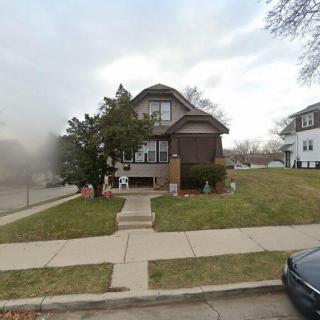


 Illuminating Insights About Alzheimer's Disease: Ten Crucial Realities
 A Thorough Discussion of Medications Potentially Linked to Dementia Risk
 Why Do Dementia Patients Sleep So Much? Understanding Oversleeping, Stages, and Care Approaches