
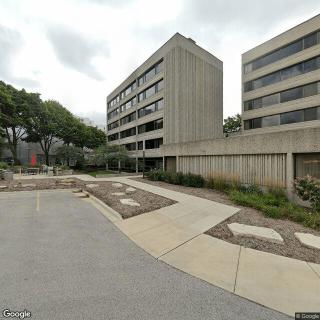
1555 W. Chambers St # 202, Milwaukee, WI 53206
To contact a resident: (414) 264-8633
For more information about senior living options: (866) 208-4318
Overall Review of Calvary Gardens
Pros
 The place is very nice.
- People like this app.
- The building has accomplished a lot over the years when tenants and staff work together for a common good.
Cons
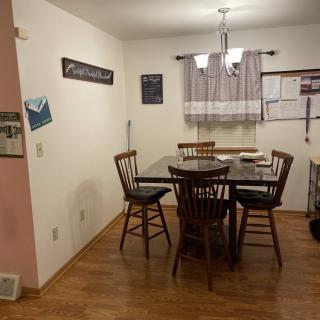
 The prostitute stole the checkerboard table.
Review
Calvary Gardens in Milwaukee is best suited for seniors who value a community-driven living experience where residents and staff actively work together to sustain a positive, neighborly culture. The place projects a warm, uncomplicated atmosphere that supports social connection without demanding a lifestyle beyond ordinary daily routines. The practical, hands-on spirit shows up in how the building has progressed over time, suggesting stability and a willingness to invest in the common good. This isn’t a facility aiming for boutique luxury or high-concept amenities; it serves households that want dependable companionship, straightforward care, and a sense of belonging. For residents who crave modern finishes, highly specialized medical support, or consistently flawless execution in every aspect of daily life, Calvary Gardens offers a reality that may feel a step short of those expectations.
Nevertheless, this community isn’t a universal fit, and there are clear reasons families should consider alternatives. Prospective residents who demand polished, contemporary interiors, top-tier memory care capabilities, or highly predictable daily routines may find other options better aligned with those needs. The mixed reviews signal that while some residents and families are satisfied, others encounter variability in service levels or day-to-day experience. When care requirements are more complex or when certainty and pristine conditions are non-negotiable, exploring nearby options with stronger track records in those areas makes sense. Calvary Gardens fits best for households prioritizing a cohesive, collaborative environment over premium amenities or aggressive innovation in care.
On the upside, the strongest positive threads emphasize atmosphere and community. Residents describe the place as pleasant and welcoming, with spaces that encourage casual socializing and easy interaction. More importantly, the building’s longer arc, achieved through ongoing participation of tenants and staff, points to a workable governance model and a culture that values joint achievement. The practical takeaway is that Calvary Gardens can deliver meaningful daily life for seniors who want to plug into a shared purpose: light programming, steady routines, and staff who are engaged in cultivating a collective sense of progress. When the plan centers on belonging, activity participation, and a straightforward care ladder, these traits translate into genuine quality-of-life gains.
Yet, the main drawbacks aren’t abstract and require attention. The reviews reveal a spectrum of experiences, with some residents praising the staff and community while others report disappointments or concerns that have a real impact on satisfaction. The variability hints at gaps in consistency, if one tour reveals a well-run day for most residents and a less organized day for others, that inconsistency becomes the decisive factor for families weighing the option. An additional concern in at least one account touches on security or property incidents, which understandably affects perceived safety and peace of mind. Such issues don’t negate the value of the community but do underscore the importance of probing for current safeguards, staff stability, and incident history during tours and conversations.
For families evaluating Calvary Gardens, a candid due-diligence plan is essential. Schedule in-depth tours not just of the living spaces but of the daily operations: meal service, activity calendars, transportation, and the cadence of care coordination. Ask about staffing ratios during mornings and evenings, how shifts are covered, and what contingency plans exist for staffing gaps. Inquire about the specific services included in the base rate versus what requires add-ons, and request updated references from current residents about the consistency of care, housekeeping, and maintenance. If mobility limitations, memory support, or medical oversight are paramount, obtain explicit confirmations about capabilities, staff training, and the availability of on-site clinicians. The goal is to map the care continuum clearly against the resident’s evolving needs over time.
Ultimately, Calvary Gardens presents a practical choice for families seeking a mid-market option anchored in community and collaboration. It is most compelling for those who prize a stable, socially engaged environment and who are comfortable navigating a facility with varied individual experiences. For households prioritizing premium décor, high-end amenities, or uniform, high-level care delivery, alternatives with a tighter performance track record in those areas will likely deliver more peace of mind. The 3.5 out of 5 rating, derived from a mix of five-star and one-star experiences, reads as a real-world signal: this is a solid option with noticeable caveats. Decisions should hinge on how critical consistency, security, and sophisticated care are to the resident’s present and anticipated needs, and on whether the culture of cooperation at Calvary Gardens aligns with the family’s expectations for daily life and community involvement.
 Active Adult Communities (55+)
 Activities on-site
 Devotional services off-site
 Indoor common areas
 General Mitchell International (9 miles away)
 Ambulatory care
 Diabetic care
 Meals provided


 Nurturing Our Loved Ones: A Daughter's Journey in Caring for Her Mother
 Nurturing Our Elders: Linda's Journey of Supporting Her Mother
 A Comprehensive Exploration of Common Misunderstandings about Powers of Attorney