
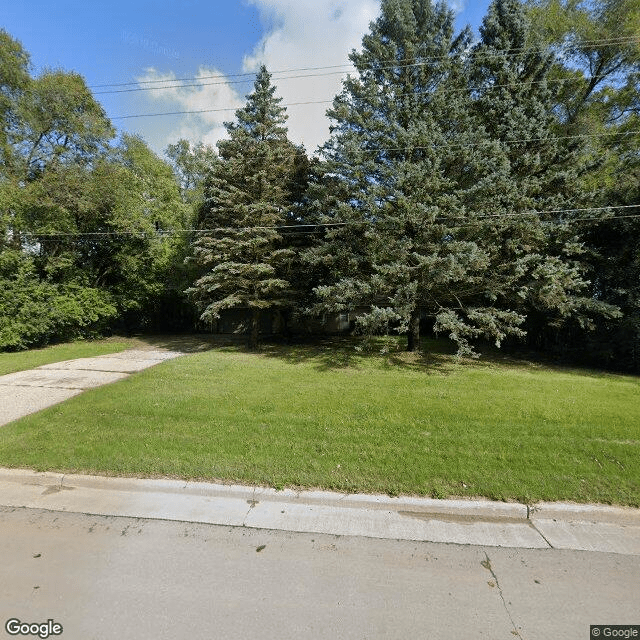
7412 West Donges Bay Road, Thiensville, WI 53092
For more information about senior living options: (866) 208-4318
Will Starr Mequon House Costs & Pricing
Will Starr Mequon House offers competitive pricing for its accommodations, with both private and semi-private room types available at $4,950 per month. When comparing these rates to the broader market, we see that they are slightly higher than the average costs in Ozaukee County - where private rooms average $4,571 and semi-private rooms are around $4,558. In a wider state context, Will Starr's pricing is also above Wisconsin's averages of $4,339 for private and $3,977 for semi-private rooms. This positioning may reflect the specialized services or amenities offered at Will Starr Mequon House, which could justify the premium for prospective residents seeking quality care and comfort.
| Floor plans | Will Starr Mequon House | Ozaukee County | Wisconsin |
|---|---|---|---|
| Private | $4,950 | $4,571 | $4,339 |
| Semi-Private | $4,950 | $4,558 | $3,977 |
Memory care communities with a similar price nearby
-
About the same
Compassionate Heights of Beechwood
$5,000 / month23.3 miles away -
from -$750 / mo

River Way Place
$4,200 / month17.2 miles away -
from -$950 / mo
Ellens Home Germantown
$4,000 / month5.8 miles away -
from -$950 / mo
Complete Home Health Care
$4,000 / month5.9 miles away -
About the same
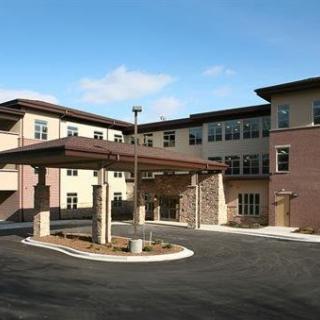
Oak Park Place Of Wauwatosa
$4,813 to $5,649 / month11.1 miles away
Overall Review of Will Starr Mequon House
Pros
 The people were very nice.
Cons
 The setting would not be appropriate for a father who is highly ambulatory with dementia.
- The staff were nice, but the environment is not suitable for someone with dementia.
- The small private home housing developmentally disabled young adults and a few seniors may not meet the needs of a dementia patient.
Review
Will Starr Mequon House is best suited for seniors who want a small, homelike setting and are comfortable sharing a residence with younger adults who have developmental disabilities. It works well for residents who don’t require intensive medical supervision but prize personal attention, a quiet, community-focused atmosphere, and staff who know each resident by name. The intimate, home-style environment can be a comfort after hospital visits or transitions, offering a sense of belonging and a less clinical feel than larger campuses. It is a solid option for those who value warmth, routine kindness, and a place that feels like a supportive extended family. However, it is not the right fit for someone who needs robust dementia care or high-acuity medical support, especially if mobility remains a major consideration.
Those who may want to consider alternatives include families with a loved one who requires strong dementia programming, predictable routines, and clearly defined safety frameworks. If memory care, structured daily schedules, and on-site nursing care are priorities, a larger, specialty-focused community will typically deliver greater reliability. Additionally, seniors who need a highly regimented activity calendar, pronounced clinical oversight, or a resident population that is exclusively older adults without the younger developmental-disabled cohort may find a dedicated memory-care or traditional assisted-living setting more reassuring. For individuals seeking more formalized, campus-style services and a higher level of medical attention, exploring more conventional options makes sense.
The main advantages center on personal warmth and a non-institutional ambiance. The staff’s niceness and the intimate size foster quicker, more personalized attention and a sense that residents are known as individuals rather than names on a file. The home-like vibe reduces sterility and can lower anxiety for seniors who prioritize comfort and familiarity over bells-and-whistles amenities. The social dynamic, with both seniors and younger adults living together, can yield unique, low-pressure social interactions that feel organic rather than scheduled. For families seeking a relaxed, neighborly atmosphere where care feels present but unobtrusive, these pros carry meaningful weight.
However, the strongest con is not offset by the positives for residents with certain needs. The setting’s suitability hinges on the absence of high-level dementia care requirements and a need for steady, formalized clinical oversight. A highly ambulatory dementia patient or anyone requiring intensive supervision is ill-matched with a private home environment whose strength lies in warmth and flexibility, not in uniform memory-care protocols. Pros like a supportive, homey environment cannot replace dedicated memory-care programming, staff trained specifically for dementia challenges, or the reliability that comes with a larger team of caregivers and on-site medical staff. In short, warmth and attentiveness do not erase the realities of needing structured memory support.
Practical due diligence will determine fit. Prospective residents should seek clarity on staffing continuity, including who covers evenings and weekends and how many caregivers are present per shift. Ask how care plans are created and updated, what medical oversight exists, and how emergencies are managed after hours. Demand a clear picture of daily life: meal routines, activity offerings, transportation options, and how residents’ independence is respected while supervision remains available. Accessibility checks, ramps, door widths, fall-prevention features, and room configurations, should be reviewed, along with policies for transitions if care needs increase. A visit driven by questions like these will illuminate whether the home truly aligns with expectations and safety requirements.
Bottom line: Will Starr Mequon House delivers a genuinely warm, intimate option for seniors who prize a home-like feel, personal attention, and a quieter social environment. It is particularly well-suited for residents who do not require heavy medical care and who are comfortable sharing a living space with younger adults in a non-institutional setting. For families whose loved one needs advanced dementia care, predictable structure, or extensive clinical services, more traditional memory-care or larger assisted-living communities will typically offer a stronger fit. The decision should rest on the resident’s specific care needs, the desired atmosphere, and the ability to provide consistent, appropriate supervision, followed by a purposeful visit and targeted questions to confirm alignment.
 4 resident community capacity
 Assisted Living
 Board and Care Home
 Memory Care
 Activities off-site
 Bath tubs
 Beautician on-site
 Cable or satellite TV
 Devotional services off-site
 Dining room
 Fully furnished
 Garden
 Housekeeping services
 Indoor common areas
 Move-in coordination
 Outdoor common areas
 Private
 Respite or short term stays offered
 Telephone
 Wi-Fi/high-speed internet available
 General Mitchell International (19 miles away)
 24-hour supervision
 Ambulatory care
 Assistance with bathing
 Assistance with dressing
 Assistance with transfers
 Diabetes diet
 Diabetic care
 High acuity care
 Hospice waiver
 Incontinence care
 Meal preparation and service
 Medication management
 Mental wellness program
 Special dietary restrictions
 Transportation arrangement (medical)
 Transportation to doctors appointments


 Assisted Living and Memory Care: Understanding Their Core Differences
 Choosing the Right Senior Care: A Detailed Exploration of Assisted Living and Nursing Homes
 Safeguarding Your Memory Through the Golden Years: Eight Ways to Preserve Cognitive Health