Our House Senior Living - Menomonie Memory Care in Menomonie, WI

Save

  • Interior

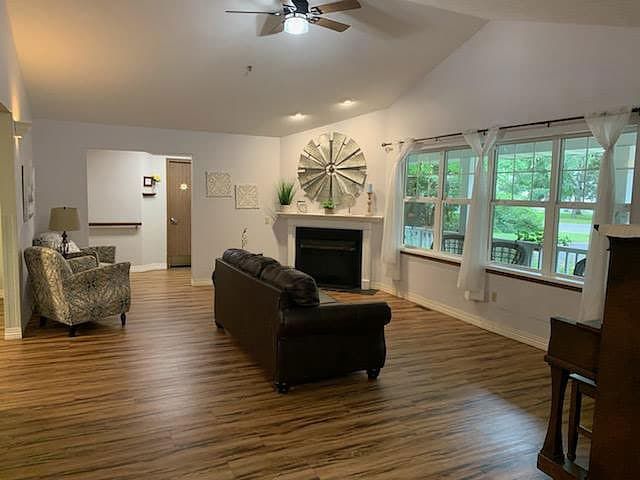
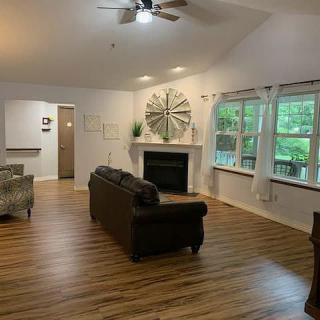
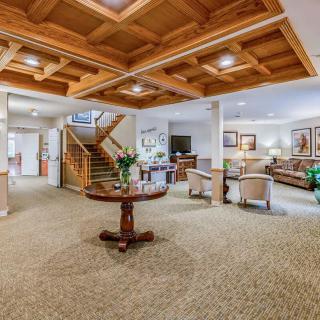
    Spacious living room with hardwood floors and a cozy fireplace.
  • Decor

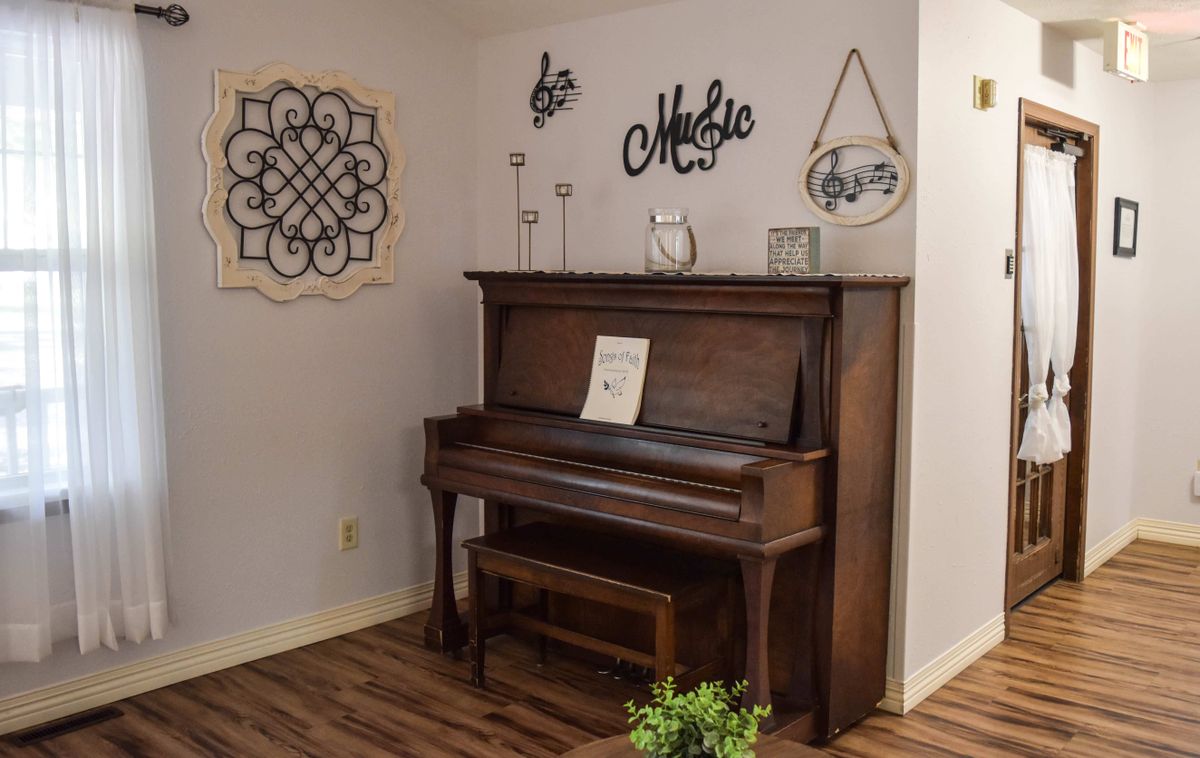
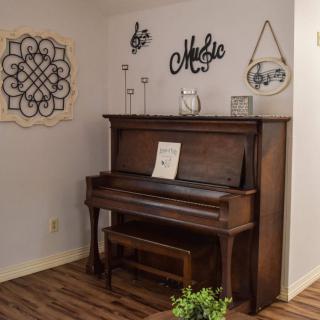
    A cozy living room corner featuring a classic upright piano with decorative wall art and sheet music.
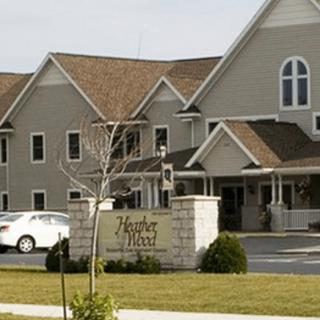
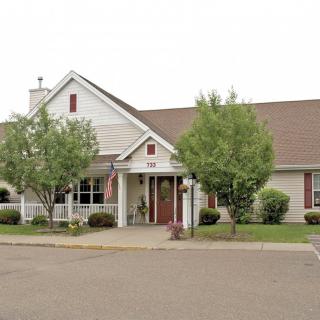
  • Building

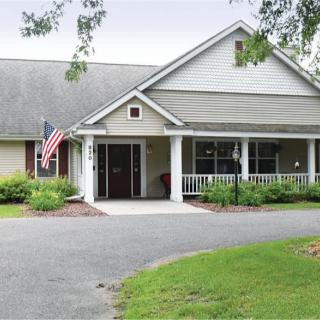
    A suburban residential house with a front porch and an American flag displayed.
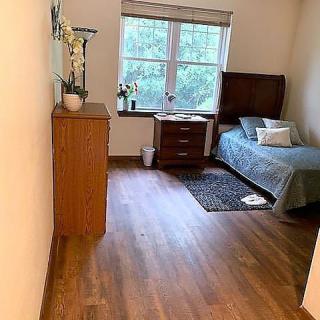
  • Bedroom

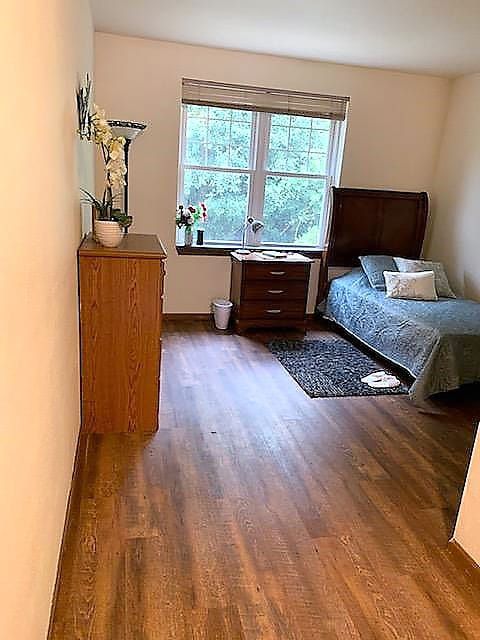
    A cozy bedroom with a single bed and wooden flooring, featuring a window and neatly arranged furniture.
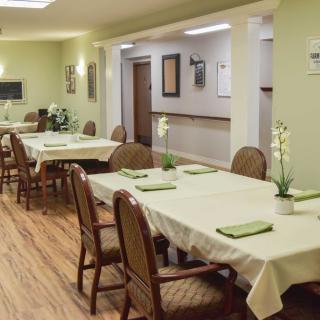
  • Dining

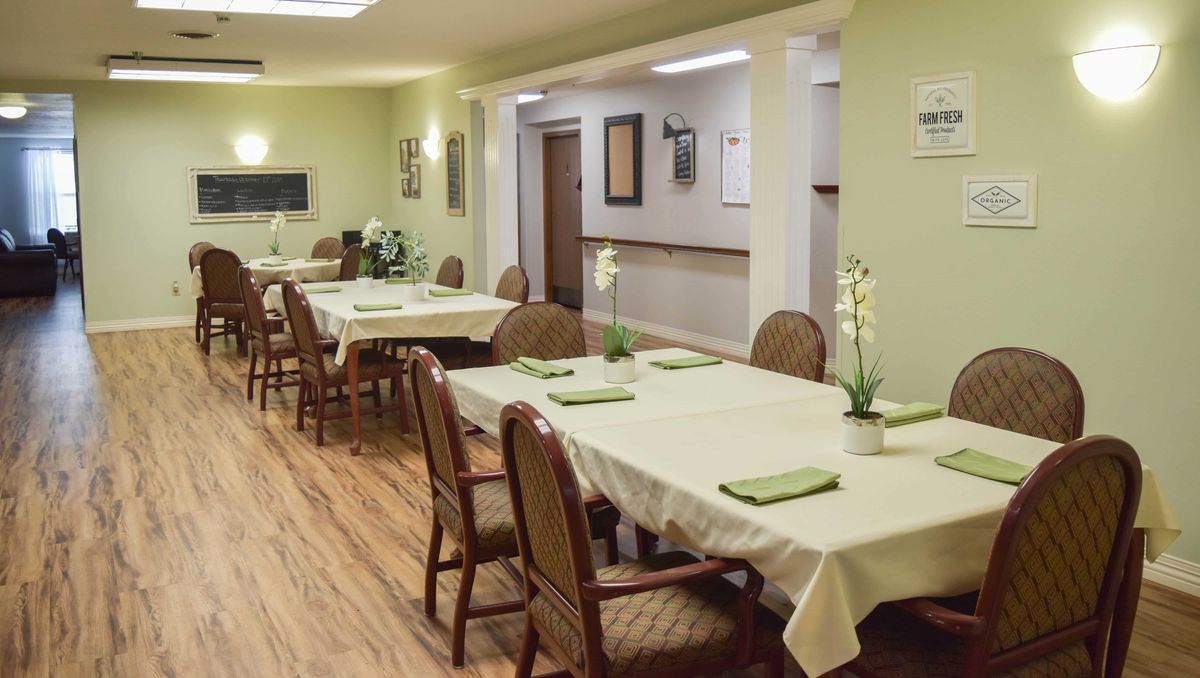
    A neatly arranged dining area with tables and chairs, complemented by potted plants.
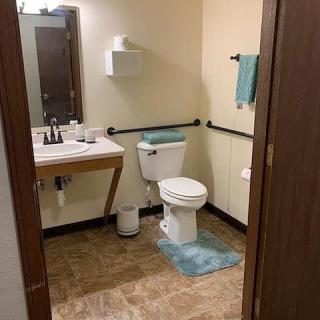
  • Bathroom

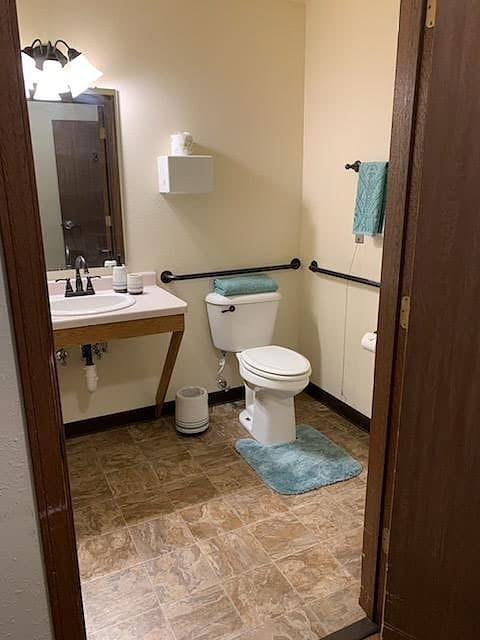
    Bathroom with a sink, toilet, and aqua-colored accessories.

Our House Senior Living - Menomonie Memory Care in Menomonie, WI

Information last verified:

820 17th Avenue, Menomonie, WI 54751

For more information about senior living options: (844) 490-3973

4.4 from 95 reviews
5 stars
79
4 stars
3
3 stars
0
2 stars
1
1 stars
12

Seniors.FYI Elite Community Awards

Top 5% Senior Living Community in 2022Top 5% Senior Living Community in 2023Top 5% Senior Living Community in 2025

Add this award to your website

Our House Senior Living - Menomonie Memory Care Costs & Pricing

At Our House Senior Living - Menomonie Memory Care, the monthly cost for a studio room is $3,850. This rate is slightly above the average for St. Croix County, where the typical monthly cost for similar accommodations stands at $3,701. When compared to the broader Wisconsin state average of $3,999 for memory care facilities, Our House offers a competitive option that balances quality care with affordability. Residents and their families can feel confident that they are receiving specialized memory support in a nurturing environment designed to foster independence and enhance overall well-being.

Floor plansOur House Senior Living - Menomonie Memory CareSt. Croix CountyWisconsin
Studio$3,850$3,701$3,999

Overall Review of Our House Senior Living - Menomonie Memory Care

Pros

  • pro The facility and staff are great, with high involvement and excellent communication.
  • pro The atmosphere is warm, welcoming, and home-like.
  • pro The Our House Senior Living community is a wonderful place for seniors, with loving and caring staff.
  • pro They plan regular, engaging activities for residents, including events like Adopt-a-Senior for Valentine’s Day.
  • pro The staff treat residents like family, know them by name, and interact with kindness.
  • pro On-site meals feel homemade and residents receive personalized, attentive care.
  • pro The environment is clean, cozy, and comfortable, promoting safety and happiness.
  • pro The management and director are wonderful, responsive, and keep families informed.
  • pro The small, intimate setting allows for individualized attention and meaningful interactions.
  • pro Families express peace of mind knowing their loved ones are safe, well cared for, and genuinely cared about.

Cons

  • pro One reviewer would give zero stars, calling the facility a joke and alleging Kammon stole from residents, warning others to think twice before staying there.
  • pro Another reviewer states everyone is treated poorly.
  • pro A reviewer described it as a poor excuse for a senior living facility, noting staff shortages, no-call/no-shows, and neglectful management.
  • pro A reviewer felt it was not worth their time.
  • pro A reviewer claimed staff and patients were practically neglected, making it not a good place to leave a loved one.
  • pro A reviewer described the staff as terrible and the treatment as horrible.
  • pro A reviewer noted that the administration was terrible despite good care.

Review

Our House Senior Living - Menomonie Memory Care is best suited for families seeking a small, home‑like memory-care setting in Menomonie where residents receive intimate daily attention, consistent staff engagement, and a calendar of meaningful activities designed to recreate a sense of belonging. This community shines for seniors with dementia who respond well to familiar routines, social interaction, and a warm, residential atmosphere. It is particularly appealing to families who want to be deeply involved in care decisions, value on-site meals prepared in a home‑style kitchen, and appreciate regular outings and activities that feel like a living room lived in rather than a clinical ward. The emphasis on creating a “home” vibe, bright, cozy common spaces, and rooms that resemble private living areas, helps reduce anxiety and supports a calmer daily rhythm for residents.

Those weighing alternatives should consider factors where this community may not align with needs. If a resident requires higher medical acuity or constant, on‑site clinical oversight beyond what memory care staffing typically provides, a larger campus with more comprehensive nursing resources might be preferable. Transportation to appointments and activities is another practical must‑have for some families; if reliable, structured transport is essential, other options may better fit. Additionally, several reviews signal potential inconsistencies in administration or billing dynamics, and a small subset of experiences describe care or staffing concerns. For families prioritizing formal, centralized governance and uniform policy across a larger operation, an alternative with more predictable administrative processes may be a better fit.

The strongest pros hinge on people and atmosphere. The staff at Our House is repeatedly described as warm, engaged, and genuinely committed to residents’ well‑being, with caregivers who know residents by name and interact with them respectfully and compassionately. The small setting enables highly personalized attention, with daily activities that include music, art, outings, and even community‑oriented events that make residents feel seen and involved. Family members consistently credit the director and management for clear communication and a hands‑on approach to problem‑solving, noting that meals are homemade, the kitchen is on site, and the environment feels like a true home. The combination of a cozy, sunny, home‑like layout and a strong emphasis on meaningful activities produces tangible improvements in engagement and mood for many residents.

On the downside, the review mix shows occasional concerns about administration and consistency in some experiences. A minority of commenters allege issues with leadership or billing processes, and a few accounts touch on more serious criticisms about staffing stability or care gaps. There are also notes about transportation limitations and shifts in programming over time. While these concerns are not universal, they are real signals that communities must monitor closely, particularly when choosing memory care, where continuity of caregivers, transparent communication, and predictable routines are crucial.

Yet the advantages often offset these drawbacks. The homey environment, staff dedication, and abundant, well‑attended activities create a strong sense of safety and belonging that many families cite as the defining benefit. The resident‑focused culture, staff who treat people like family, a director who maintains open lines of communication, and a facility design that prioritizes intimate social spaces, tends to mitigate worries about occasional administrative friction. For families seeking ongoing involvement, this model helps ensure daily life remains rich and familiar, with frequent updates and a responsive team addressing individual preferences, dietary needs, and recreational interests.

For families weighing a decision, the practical conclusion is clear: if the priority is a warm, intimate, home‑like memory-care setting with highly engaged staff and plentiful daily activities, Our House Senior Living - Menomonie Memory Care stands out as a compelling option. The small scale, on‑site dining, strong family communication, and care philosophy that centers residents’ dignity and happiness offer substantial value. However, if certainty about administrative processes, guaranteed transportation, or the highest level of clinical oversight is non‑negotiable, or if there is particular sensitivity to any reports of staff turnover or billing disputes, it pays to explore alternatives and to perform due diligence, request current staffing calendars, tour the facility with questions about move‑in costs and ongoing charges, and meet the director to assess whether the leadership style aligns with the family’s expectations. In the right circumstances, this community delivers a demonstrably supportive, homey environment where seniors not only live but feel cherished and safe.

Features

Housing

  • 19 resident community capacity 19 resident community capacity
  • 1-bedroom apartments 1-bedroom apartments1-bedroom apartments are important for seniors because they provide a sense of independence, privacy, and autonomy while still offering the necessary space for comfortable living. These apartments allow seniors to maintain their own personal space and lifestyle preferences in a supportive community setting.

Types of Care

  • Assisted Living Assisted LivingAssisted living facilities provide crucial support and care for seniors who may need help with daily tasks such as medication management, bathing, and meal preparation. These communities offer a safe and comfortable environment where seniors can maintain their independence while receiving the assistance they need to thrive in their golden years.
  • Board and Care Home Board and Care HomeBoard and care homes provide a smaller, more intimate setting for seniors who require assistance with daily tasks but do not need the level of care offered by a nursing home. They offer personalized care, meals, and social activities in a homelike environment, ensuring that seniors receive individualized attention and support in their golden years.
  • Memory Care Memory CareMemory care is crucial for seniors as it provides specialized support and services for individuals with dementia or Alzheimer's disease. These programs offer a safe and secure environment where residents receive personalized care, cognitive stimulation, and help with daily activities. Memory care helps seniors maintain their independence, quality of life, and dignity while also providing peace of mind for their families.

Pets

  • Cats allowed Cats allowed"Pet friendly" senior living communities are important for seniors because pets provide companionship, reduce feelings of loneliness and depression, promote physical activity and mental stimulation, and offer a sense of purpose and responsibility. Pets can improve overall well-being and quality of life for seniors in many ways.
  • Dogs allowed Dogs allowed"Pet friendly" senior living communities are important for seniors because pets provide companionship, reduce feelings of loneliness and depression, promote physical activity and mental stimulation, and offer a sense of purpose and responsibility. Pets can improve overall well-being and quality of life for seniors in many ways.

Amenities

  • Activities off-site Activities off-siteEngaging in off-site activities is crucial for seniors to maintain social connections, stay active, and stimulate their minds. It promotes overall well-being and helps combat feelings of isolation and loneliness.
  • Activities on-site Activities on-siteActivities on-site are important for seniors because they provide opportunities for socialization, mental stimulation, physical activity, and overall well-being. Engaging in activities can help seniors stay active, maintain their independence, and improve their quality of life.
  • Beautician on-site Beautician on-siteHaving a beautician on-site at a senior living community is important for seniors as it allows them to easily access grooming and personal care services, boosting their self-esteem and overall well-being. It also provides convenience and helps seniors maintain their sense of independence and personal style.
  • Cable or satellite TV Cable or satellite TVCable or satellite TV is important for seniors because it provides entertainment, news, and companionship, helping to combat loneliness and boredom. It also offers a wide range of programming options tailored to different interests and preferences.
  • Devotional services off-site Devotional services off-siteDevotional services off-site are important for seniors as they provide spiritual nourishment, social engagement, and a sense of community outside of the senior living facility. This can enhance overall well-being and help combat feelings of isolation and loneliness often experienced by older adults.
  • Devotional services on-site Devotional services on-siteDevotional services on-site provide seniors with spiritual support and a sense of community, as well as an opportunity for reflection and guidance during their senior living experience. This can promote emotional well-being and connection to others, leading to a more fulfilling and enriching lifestyle in their later years.
  • Dining room Dining roomDining rooms are important for seniors as they provide a space for socialization, connection, and nutritious meals. They offer opportunities for residents to bond over shared meals, foster a sense of community, and promote healthy eating habits. Dining rooms also ensure that seniors have access to well-balanced meals tailored to their dietary needs and preferences.
  • Fully furnished Fully furnishedFully furnished senior living communities are important for seniors because they provide convenience, comfort, and a hassle-free moving experience. Seniors can easily settle into their new living space without the stress of having to buy and move furniture. This allows them to focus on enjoying their new home and community.
  • Garden GardenGardens are important for seniors as they provide a peaceful and therapeutic environment for relaxation, physical activity, and socialization. Being in nature has been shown to reduce stress, improve mood, and promote overall well-being. Gardens also offer opportunities for seniors to engage in gardening activities, which can improve mobility, flexibility, and cognitive function. Additionally, gardens create a sense of community and connection with others who share a passion for plants and outdoor spaces.
  • Housekeeping services Housekeeping servicesHousekeeping services are important for seniors because they help maintain a clean and safe living environment, promote independence, and reduce the risk of accidents or illnesses. Additionally, having assistance with household chores can alleviate physical strain and allow seniors to focus on other aspects of their well-being.
  • Indoor common areas Indoor common areasIndoor common areas are crucial for seniors as they provide a space for socialization, recreation, and community engagement, promoting overall well-being and reducing feelings of isolation and loneliness.
  • Move-in coordination Move-in coordinationMove-in coordination is important for seniors because it helps ease the transition into their new living environment. It ensures that all logistics, such as packing, organizing movers, and setting up utilities are taken care of, allowing seniors to focus on settling in and adjusting to their new home. Having a smooth move-in process can alleviate stress and anxiety, making the transition smoother and more enjoyable for seniors.
  • Outdoor common areas Outdoor common areasOutdoor common areas are important for seniors as they provide a space for socialization, physical activity, and relaxation. Being outside in nature can improve mood and overall well-being, while also encouraging movement and engagement with others. These spaces can help combat feelings of isolation and promote a sense of community among residents.
  • Outdoor space Outdoor spaceOutdoor spaces are important for seniors as they provide opportunities for physical activity, social interaction, exposure to natural light and fresh air, and a sense of connection to nature. Having access to outdoor spaces can improve overall well-being and quality of life for older adults living in senior communities.
  • Respite or short term stays offered Respite or short term stays offeredRespite or short term stays provide seniors with a temporary solution when their regular caregiver is unavailable, offering them the opportunity to receive additional care and support during times of need, while also giving caregivers a chance to rest and recharge.
  • Telephone TelephoneTelephones are important for seniors as they provide a lifeline for communication with loved ones, emergency services, and healthcare providers. They offer a sense of security and independence, enabling seniors to stay connected and access assistance when needed.
  • Wheelchair accessible showers Wheelchair accessible showersWheelchair accessible showers are crucial for seniors as they provide a safe and independent bathing option for those with mobility challenges. These showers help prevent falls and allow seniors to maintain their dignity and autonomy while ensuring they can bathe comfortably.
  • Wi-Fi/high-speed internet available Wi-Fi/high-speed internet availableWi-Fi/high-speed internet is important for seniors to stay connected with loved ones, access online resources, and participate in virtual activities to combat feelings of loneliness and isolation. It also allows them to easily manage healthcare needs, access entertainment, and engage in lifelong learning opportunities.

Transportation

  • Chippewa Valley Regional (21 miles away) Chippewa Valley Regional (21 miles away)

Care Services

  • 24-hour supervision 24-hour supervision24-hour supervision is important for seniors to ensure their safety, well-being, and access to immediate assistance in case of emergencies or health issues. This constant support provides peace of mind for both seniors and their loved ones, allowing them to age in place with dignity and security.
  • Activities of daily living assistance Activities of daily living assistanceActivities of daily living assistance are important for seniors because they provide essential support with tasks such as eating, bathing, dressing, and mobility. This assistance helps seniors maintain their independence, dignity, and overall quality of life as they age.
  • Assistance with bathing Assistance with bathingAssistance with bathing is crucial for seniors as it helps maintain personal hygiene, prevents infections, and ensures their overall well-being and comfort. It also provides a sense of dignity and independence for seniors who may struggle with this task on their own.
  • Assistance with dressing Assistance with dressingAssistance with dressing is important for seniors because it helps maintain their independence, promotes personal hygiene, prevents accidents and injuries, and improves overall quality of life. This service ensures that seniors can continue to dress comfortably and confidently, despite any physical limitations they may have.
  • Assistance with transfers Assistance with transfersAssistance with transfers is crucial for seniors as it helps prevent falls and injuries, maintains their independence, and ensures they can safely navigate their living environment. It also provides peace of mind for both seniors and their loved ones.
  • Coordination with health care providers Coordination with health care providersCoordination with health care providers is crucial for seniors to ensure proper medical care, medication management, and overall well-being. This collaboration helps prevent overlapping treatments, track progress more effectively, and provide comprehensive support tailored to individual needs.
  • Dementia waiver Dementia waiverDementia waivers are essential for seniors as they provide critical protections and accommodations for those experiencing cognitive decline. These waivers ensure individuals with dementia receive appropriate care, support, and resources to maintain their quality of life and dignity as they navigate the challenges of this progressive condition.
  • Diabetes diet Diabetes dietA diabetes diet is crucial for seniors as it helps manage blood sugar levels, reduce risks of complications, and improve overall health and well-being. By following a balanced and nutritious diet tailored to their specific needs, seniors can better control their diabetes and enhance their quality of life.
  • Diabetic care Diabetic careDiabetic care is crucial for seniors as they are more susceptible to developing diabetes due to aging and other health conditions. Proper management of diabetes can help prevent complications such as heart disease, vision loss, and nerve damage, improving the overall quality of life for seniors in senior living communities.
  • Hospice waiver Hospice waiverHospice waivers are important for seniors because they allow individuals to receive specialized end-of-life care and support at home or in a hospice facility. This waiver ensures that seniors can access the necessary resources and services to maintain comfort and dignity during their final days.
  • Incontinence care Incontinence careIncontinence care is essential for seniors to maintain their dignity, hygiene, and overall quality of life. By addressing incontinence issues promptly and effectively, seniors can enjoy a sense of independence and comfort in their daily activities.
  • Meal preparation and service Meal preparation and serviceMeal preparation and service are crucial for seniors as they may have limited mobility or energy to cook nutritious meals. Having access to healthy and convenient food options can ensure they are getting the proper nutrition needed to maintain their overall health and well-being.
  • Medication management Medication managementMedication management is crucial for seniors to ensure they are taking the right medications at the correct dosages and times. This helps prevent adverse drug interactions, reduces the risk of medication errors, and promotes overall health and well-being. Proactive management also allows for adjustments as needed based on changing health conditions or new prescriptions.
  • Mental wellness program Mental wellness programMental wellness programs are essential for seniors as they promote cognitive stimulation, emotional support, and social engagement. These programs help prevent isolation, depression, and cognitive decline, ultimately enhancing the overall quality of life for older adults.
  • Mild cognitive impairment Mild cognitive impairment"Mild cognitive impairment" is important for seniors because it is an early stage of cognitive decline that can potentially progress to more severe conditions such as dementia. Recognizing and addressing mild cognitive impairment can help seniors receive appropriate care and support to maintain their quality of life and independence for as long as possible.
  • Special dietary restrictions Special dietary restrictionsSpecial dietary restrictions are important for seniors because age-related changes in metabolism and health conditions can make it difficult for their bodies to process certain foods. By following a diet tailored to their specific needs, seniors can maintain their overall health and well-being, manage chronic conditions, and reduce the risk of complications such as malnutrition or food interactions with medications.
  • Specialized memory care programming Specialized memory care programmingSpecialized memory care programming is crucial for seniors with cognitive impairments such as dementia or Alzheimer's disease. These programs provide a safe and supportive environment tailored to the unique needs of individuals with memory loss, helping them maintain their independence, dignity, and quality of life.
  • Transportation arrangement (medical) Transportation arrangement (medical)Transportation arrangements for medical purposes are essential for seniors as they may have difficulty driving themselves to appointments or accessing public transportation. Having reliable and safe transportation options ensures that seniors can receive timely medical care and maintain their health and well-being.
  • Transportation to doctors appointments Transportation to doctors appointmentsTransportation to doctors' appointments is crucial for seniors as it ensures they have access to necessary medical care and support for their health needs. Without reliable transportation, seniors may struggle to attend important appointments, leading to potential delays in treatment and health complications. Providing transportation services helps seniors maintain their overall well-being and quality of life.

Dining

  • Diabetes diet Diabetes dietA diabetes diet is crucial for seniors as it helps manage blood sugar levels, reduce risks of complications, and improve overall health and well-being. By following a balanced and nutritious diet tailored to their specific needs, seniors can better control their diabetes and enhance their quality of life.
  • Meals provided Meals provided"Meals provided" are crucial for seniors in assisted living communities as it ensures they have access to nutritious, balanced meals without the stress of meal planning and preparation. This can help promote overall health and well-being for seniors who may have limited mobility or cognitive abilities.
  • Special dietary restrictions Special dietary restrictionsSpecial dietary restrictions are important for seniors because age-related changes in metabolism and health conditions can make it difficult for their bodies to process certain foods. By following a diet tailored to their specific needs, seniors can maintain their overall health and well-being, manage chronic conditions, and reduce the risk of complications such as malnutrition or food interactions with medications.

Activities

  • Activities off-site Activities off-siteEngaging in off-site activities is crucial for seniors to maintain social connections, stay active, and stimulate their minds. It promotes overall well-being and helps combat feelings of isolation and loneliness.
  • Activities on-site Activities on-siteActivities on-site are important for seniors because they provide opportunities for socialization, mental stimulation, physical activity, and overall well-being. Engaging in activities can help seniors stay active, maintain their independence, and improve their quality of life.
  • Community-sponsored activities Community-sponsored activitiesCommunity-sponsored activities are important for seniors as they provide opportunities for social interaction, mental stimulation, and physical activity. These activities can help improve overall well-being, combat loneliness and isolation, and promote a sense of belonging and purpose among older adults.
  • Devotional activities offsite Devotional activities offsiteDevotional activities offsite are important for seniors because they provide social engagement, spiritual growth, and a sense of community outside of their living environment. This can improve overall well-being, mental health, and combat feelings of isolation or loneliness.
  • Devotional activities on-site Devotional activities on-siteDevotional activities on-site provide seniors with a sense of community, spiritual fulfillment, and emotional support, promoting overall well-being and a positive sense of purpose in their lives.
  • Scheduled daily activities Scheduled daily activitiesScheduled daily activities are important for seniors because they provide structure, socialization, mental stimulation, and physical activity. Engaging in regular activities can improve overall well-being and quality of life for seniors living in a community setting.

Description

Our House Senior Living - Menomonie Memory Care is a premier assisted living community located in Menomonie, WI. We specialize in providing personalized care and support for seniors with memory impairments, including those with dementia and mild cognitive impairment.

Residents of our community enjoy a wide range of amenities designed to enhance their quality of life. They can participate in various activities on-site, such as arts and crafts, exercise classes, and social events. Our on-site beautician ensures that residents always look and feel their best. They can also enjoy their favorite shows and movies on cable or satellite TV in the comfort of their own fully furnished apartments.

We understand the importance of spiritual well-being, which is why we offer both devotional services on-site and coordinate off-site visits to places of worship. Our spacious dining room serves delicious meals that cater to individual dietary restrictions.

Providing exceptional care is our top priority at Our House Senior Living - Menomonie Memory Care. Our dedicated staff assists residents with activities of daily living such as bathing, dressing, and transfers. We coordinate with health care providers to ensure that each resident receives comprehensive medical care. Medication management is also provided to ensure the safety and well-being of our residents.

Our memory care programming is specifically tailored to meet the unique needs of individuals with memory impairments. We provide specialized care for residents with diabetes or those requiring hospice services. Incontinence care is available to maintain personal hygiene and dignity.

Transportation arrangements are made for medical appointments, enabling residents to access necessary healthcare services conveniently. Additionally, nearby cafes, parks, pharmacies, physicians' offices, restaurants, theaters, hospitals, and places of worship offer additional convenience.

At Our House Senior Living - Menomonie Memory Care, we strive to create a warm and welcoming environment where seniors can live comfortably while receiving personalized care and support tailored to their unique needs. Come visit us today to experience the exceptional lifestyle we offer.

Nearby Places of Interest

This part of Menomonie, Wisconsin offers a variety of amenities that may appeal to older individuals considering senior living options. There are several restaurants within close proximity, providing convenient dining choices. Additionally, there is a selection of places of worship for those seeking spiritual fulfillment. The area also boasts multiple parks for outdoor recreation and relaxation. Access to medical care is readily available with several physician offices and pharmacies nearby, as well as reputable hospitals within a short distance. Transportation options are easily accessible for those who may not drive, including U-Haul services for moving needs. For leisure activities, there are cafes and theaters in the vicinity for social outings. Overall, this part of Menomonie provides a well-rounded environment that caters to the needs and preferences of seniors looking to settle in the area.

Restaurants

  • Hang's Cuisine (0.2 miles)
  • Orange Julius (0.6 miles)
  • Erbert & Gerbert's (0.6 miles)
  • Log Jam (0.8 miles)
  • Diablo Blue (0.9 miles)
  • Waterfront (0.9 miles)
  • Pub Bar (0.9 miles)

Places of Worship

  • St Paul's Lutheran Church and School WELS (0.4 miles)
  • St Paul's Ev Lutheran School (0.4 miles)
  • Salem Iron Creek United Methodist Church (0.4 miles)
  • St Joseph's Catholic Church (0.6 miles)
  • Jesus Fellowship of Believers (0.6 miles)
  • First Congregational United Church of Christ (0.6 miles)
  • Love Church (0.6 miles)

Parks

  • Wilson Park (0.6 miles)
  • Riverside Park (1.1 miles)
  • Hoffman Hills State Recreation Area (1.6 miles)
  • Sanna Park (1.9 miles)
  • Devil's Punchbowl (1.9 miles)
  • Wakanda Water Park (2.4 miles)
  • Sanna Park (2.8 miles)

Physicians

  • Dunn County Health Department (0.6 miles)
  • The Joyful Doc Clinic (0.6 miles)
  • ReforMedicine, s.c. (0.9 miles)
  • The Free Clinic of The Greater Menomonie Area (1.5 miles)
  • Chippewa Valley Eye Clinic (1.5 miles)
  • Marshfield Clinic Menomonie Center (2 miles)

Cafes

  • The Blind Munchies Coffeehouse (0.6 miles)
  • Golden Leaf Cafe (1.1 miles)
  • Starbucks (2.3 miles)
  • Caribou Coffee (2.6 miles)
  • Downsville Coffee House (6.4 miles)

Pharmacies

  • Medicine Shoppe (0.8 miles)
  • Cpi Menomonie (0.9 miles)
  • The Medicine Shoppe Pharmacy (0.9 miles)
  • CVS Pharmacy (1 miles)
  • Red Cedar Pharmacy (1.5 miles)
  • Medicine Shoppe (2.1 miles)
  • Walgreens (2.5 miles)

Transportation

  • U-Haul Neighborhood Dealer (0.9 miles)
  • U-Haul Neighborhood Dealer (2.5 miles)
  • Union Pacific Railroad Co. (3.2 miles)
  • U-Haul (3.3 miles)
  • U-Haul Neighborhood Dealer (9.8 miles)

Theaters

  • Menomonie Theater Guild (1.3 miles)
  • CEC Theatres - Menomonie 7 Theatre (3.3 miles)

Hospitals

  • Mayo Clinic Health System (1.4 miles)
  • Red Cedar Medical Center-Mayo Health System (1.5 miles)
  • Dunn County Health Care Center (2.1 miles)

Frequently Asked Questions

How much does it cost to live at Our House Senior Living - Menomonie Memory Care in Menomonie, WI?
What floor plans and room types does Our House Senior Living - Menomonie Memory Care offer?
Where is Our House Senior Living - Menomonie Memory Care?
Does Our House Senior Living - Menomonie Memory Care provide care for residents with dementia or Alzheimer's disease?
Does Our House Senior Living - Menomonie Memory Care allow residents to have pets?
What photos are available for Our House Senior Living - Menomonie Memory Care in Menomonie, Wisconsin?

Nearby Communities

  • Aurora Res Alternatives 011

    Aurora Res Alternatives 011

    Menomonie, WI

     
    $2,000 to $3,500 / month

    pro Competitive pricing for semi-private and private rooms.

  • Arc Of Dunn County House 105

    Arc Of Dunn County House 105

    Menomonie, WI

    5 from 2 reviews
     

    pro 24/7 supervision with ADL support, diabetes-friendly dining, housekeeping, and coordinated medical transportation.

  • Aurora Residential Alt 010

    Aurora Residential Alt 010

    Menomonie, WI

    4 from 1 review
     

    pro Comprehensive assisted living with meals, housekeeping, and transportation for medical appointments.

  • Broadway Home

    Broadway Home

    Menomonie, WI

    2.3 from 15 reviews
     

    pro Fully furnished assisted living with diabetes-friendly dining, 24/7 supervision, housekeeping, and transportation to appointments.

  • Aurora Residential Alternatives #007

    Aurora Residential Alternatives #007

    Menomonie, WI


    pro Small, intimate assisted living with comprehensive daily living support, medication management, diabetes-friendly dining, and regular social activities.

  • Lifestyles Adult Family Homes

    Lifestyles Adult Family Homes

    Menomonie, WI


    pro Strong access to nearby amenities and services (cafes, parks, pharmacies, restaurants, theaters, hospitals).

  • Beehive Homes Of Eau Claire

    Beehive Homes Of Eau Claire

    Eau Claire, WI

    5 from 3 reviews
    $4,700 / month

    pro Caring, friendly staff; clean facility with varied activities and high-quality meals.

  • St Francis Apartments

    St Francis Apartments

    Eau Claire, WI

    5 from 3 reviews
     

    pro Excellent access to dining, parks, healthcare, and worship nearby.

  • Oak Gardens Place

    Oak Gardens Place

    Altoona, WI

    4.6 from 86 reviews
    $2,948 to $4,438 / month

    pro Homey, caring staff; clean, welcoming environment; smaller community with personalized attention; studio pricing is comparatively affordable.

Related Resources

  • dementia stagesUnderstanding Dementia Through Its Seven Stages: A Comprehensive Look at Progression and Expectations

    Dementia encompasses a range of cognitive impairments characterized by types such as Alzheimer's and vascular dementia, and follows a seven-stage progression model known as the Global Deterioration Scale (GDS), highlighting varying symptoms and decline timelines. Early detection allows for lifestyle adjustments to potentially slow progression, while caregivers need support and resources to manage the challenges involved in caring for affected individuals.

  • dementia careA Holistic Dementia Care Guide: Effective Strategies for Memory Support

    The guide on holistic dementia care outlines the complexity of dementia and stresses the need for individualized caregiver strategies that include medical treatment, psychological support, and environmental adaptations, while emphasizing early detection, various therapeutic options, and caregiver support to enhance quality of life and maintain dignity.

  • dementia careMemory Care Pathways: A Holistic Guide to Dementia Support
    "Memory Care Pathways: A Holistic Guide to Dementia Support" outlines the complexities of dementia and its various types, emphasizing early detection, patient-centered care strategies, caregiver support, and long-term care options while addressing legal and financial considerations to enhance the quality of life for individuals with dementia and their families.