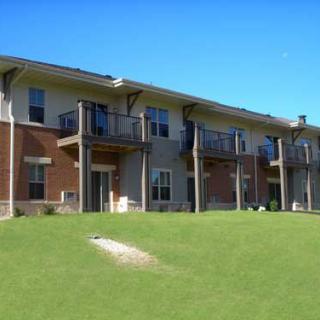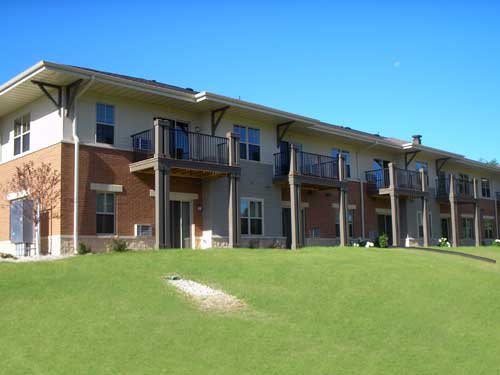
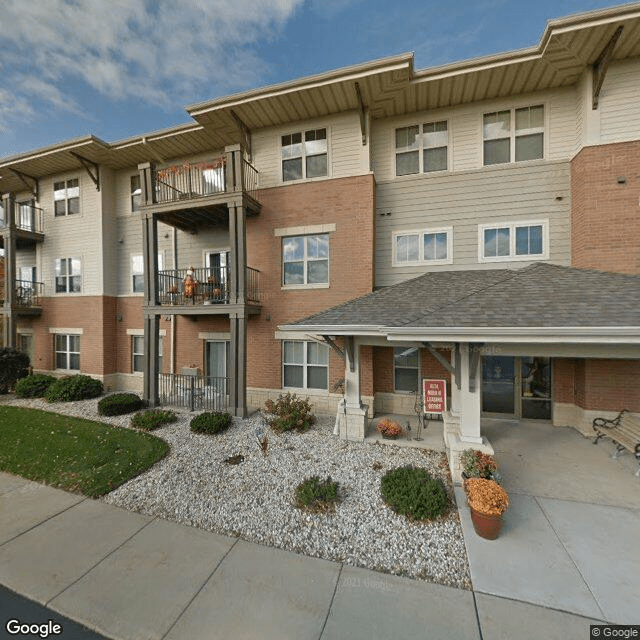
W129 N6845 Northfield Dr., Menomonee Falls, WI 53051
To contact a resident: (262) 251-4228
For more information about senior living options: (866) 208-4318
Alta Mira Apartment Homes II Costs & Pricing
At Alta Mira Apartment Homes II, residents can enjoy the affordability of a one-bedroom apartment priced at $550 per month. This figure stands in striking contrast to the broader financial landscape, with the average monthly rent for similar accommodations in Waukesha County reaching approximately $2,752, and even higher at around $3,412 for the state of Wisconsin as a whole. Such significant savings highlight Alta Mira as a competitive option for individuals seeking budget-friendly housing without compromising on quality or comfort.
| Floor plans | Alta Mira Apartment Homes II | Waukesha County | Wisconsin |
|---|---|---|---|
| 1 Bedroom | $550 | $2,752 | $3,412 |
Senior living communities with a similar price nearby
-
from +$75 / mo
Williamstown Bay - Cudahy III
$625 to $750 / month17.5 miles away -
from +$50 / mo
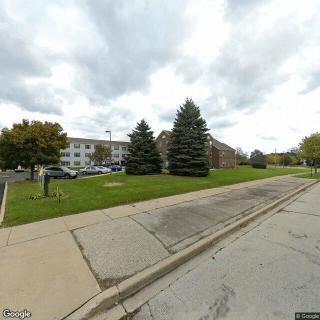
Thompson Meadows
$600 to $695 / month15.5 miles away -
from +$45 / mo
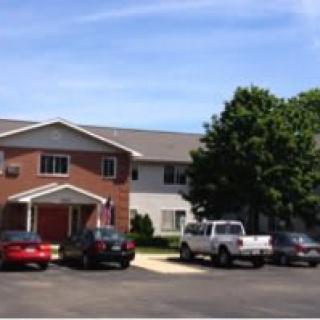
Faircrest Apartments
$595 to $695 / month14.9 miles away -
About the same
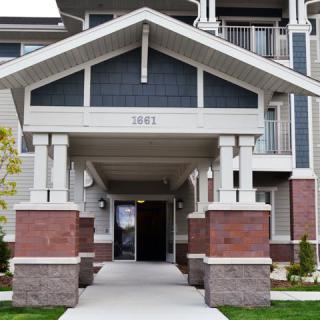
Cedar Glen
$555 to $3,810 / month6.2 miles away -
from +$66 / mo
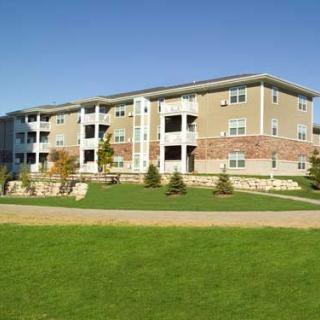
Prairie Hill of Woodland Ridge
$616 to $748 / month12.0 miles away
Overall Review of Alta Mira Apartment Homes II
Pros
 They love their apartment.
- They are grateful for Widge and the volunteers, describing the experience as amazing and helpful.
Cons
 They warn against moving there with extra items because a storage waiting list can last a year, which they find nonsensical.
- They call the storage waiting list a poor design.
- They wish the building offered in-unit laundry or a non-coin laundry option.
- They note that residents have to use coins, something they’ve never seen in senior housing.
- They advise ensuring access to quarters if there is no washer/dryer.
Review
Alta Mira Apartment Homes II in Menomonee Falls is best suited for independent seniors who want straightforward, affordable apartment living with minimal maintenance and a quiet, residential feel. The community caters to residents who do not plan to rely on on-site care or assisted-living services, prioritizing autonomy and budget-friendly housing over high-end amenities. The apartments themselves draw positive remarks from residents who value a comfortable, personal space and a sense of ownership over their living arrangement. This is not a campus for proactive care needs; it is a practical, value-focused option for those who can manage daily living with modest support from a close-knit neighborhood.
A standout pro is the local culture around volunteers and staff support. Widge and a cadre of volunteers are repeatedly praised for creating an “amazing” experience and for being genuinely helpful. That kind of neighborly engagement translates into practical hands-on help with everyday tasks, information about the area, and a welcoming, fed-everyday vibe that many independent seniors appreciate when settling into a new place. In a sector where rising rents often collide with thinning services, this community’s volunteer-driven warmth can meaningfully ease the transition and sustain a sense of belonging.
Yet several material drawbacks cut against the otherwise solid living experience. The most cited friction is a storage policy described as a year-long waiting list for moving extra items, a problem that directly undercuts flexibility for new residents downsizing or rearranging belongings. Equally consequential is the absence of in-unit laundry. Residents must rely on a coin-operated laundry setup, which requires keeping quarters and coordinating trips to the communal machines. This combination of storage bottlenecks and coin-based laundry creates ongoing practical headaches that linger beyond the initial move-in.
These cons do not erase the value found in the apartment itself or the community atmosphere, but they do limit the overall attractiveness for many. The unit quality and quiet, residential environment provide a stable home base that supports predictable routines, which matters to many seniors seeking simplicity and control. The tangible social fabric, the volunteers, the neighborly tone, offsets some daily inconveniences by fostering connection and a sense of security. Still, prominent gaps in storage logistics and laundry convenience remain the dominant deal-breakers for prospective residents weighing a longer horizon of independent living.
People weighing alternatives should especially consider whether laundry is a dealbreaker. If in-unit or easily accessible laundry is non-negotiable, or if short storage turnarounds are essential for downsizing plans, look at other communities that offer in-unit facilities or more streamlined storage options. Cost transparency also warrants attention; while some residents note the rent as reasonable for this type of housing, precise pricing, utilities, and any storage fees deserve upfront clarity before commitment. For those who prize a strong, supportive subculture and comfortable living space and can tolerate the laundry and storage inconveniences, Alta Mira Apartment Homes II remains a viable option worth serious consideration.
Actionable next steps include visiting the property with a focused checklist: confirm whether any units include in-unit laundry or nearby, convenient alternatives; obtain a precise breakdown of rent, utilities, and any storage-related charges; request current details on the storage policy and typical wait times; observe how maintenance and the volunteer program operate in practice during a tour; and speak with current residents about daily routines, accessibility, and neighborhood amenities. Equally important is evaluating proximity to groceries, medical care, and transit to ensure independence can be sustained without undue friction. With clear expectations set on laundry, storage, and cost, Alta Mira Apartment Homes II can align with a practical, budget-conscious, independent senior lifestyle that values community and autonomy, provided the laundry and storage hurdles are planned around.
 Active Adult Communities (55+)
 Cats allowed
 Activities on-site
 Bath tubs
 Beautician on-site
 General Mitchell International (16 miles away)

 Understanding Hospice Care at Home: Comprehensive Services, Key Benefits, and Eligibility
 Understanding the Full Cost of 24/7 In-Home Care: A Detailed Overview
 Exploring the World of Home Health Nurses: Qualifications, Roles, and Hiring Tips