









305 South Chestnut Avenue, Marshfield, WI 54449
For more information about senior living options: (866) 208-4318
Overall Review of Aster Assisted Living Of Marshfield
Pros
 The staff is consistently kind and helpful, even riding in the elevator with residents so they aren’t alone.
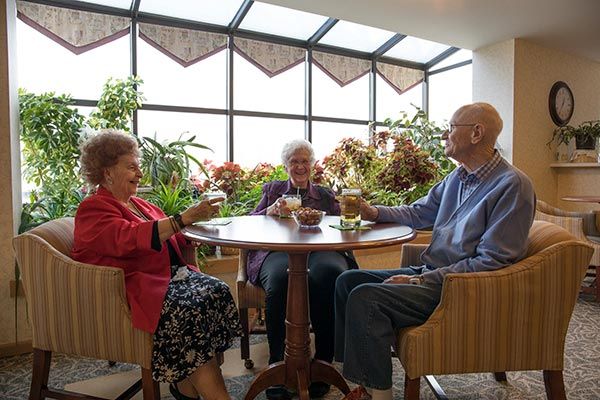
- The facility is welcoming and friendly, with a warm, caring community felt by both residents and visitors.
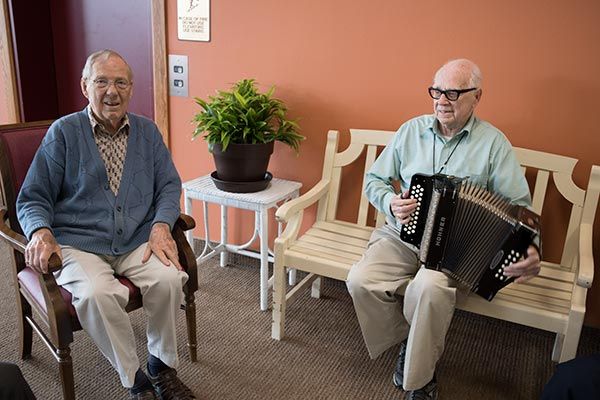
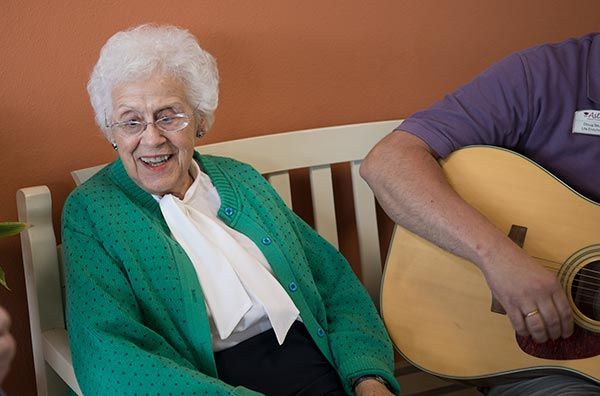
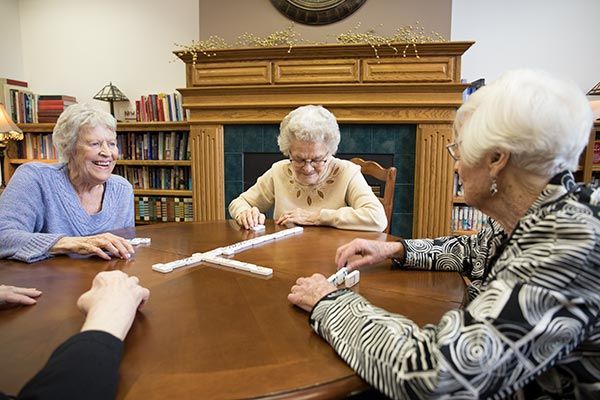
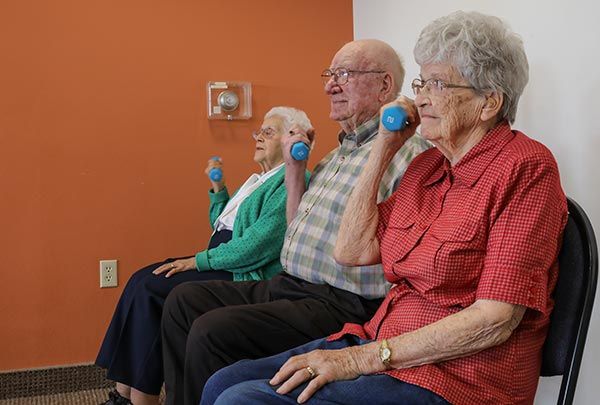
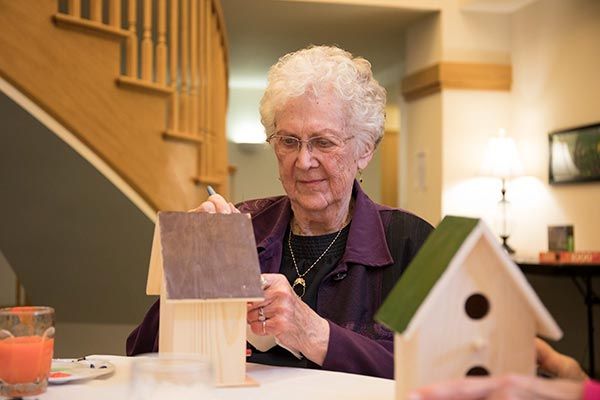
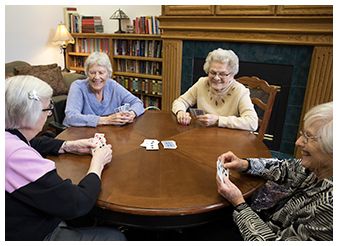
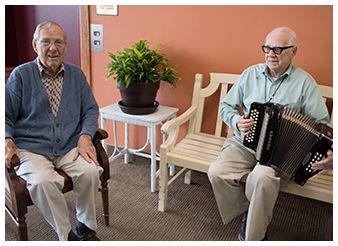
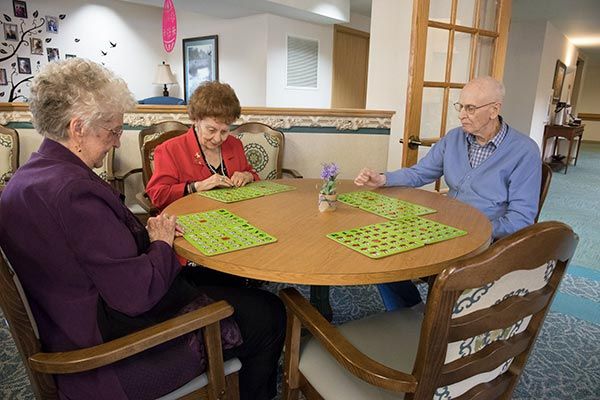
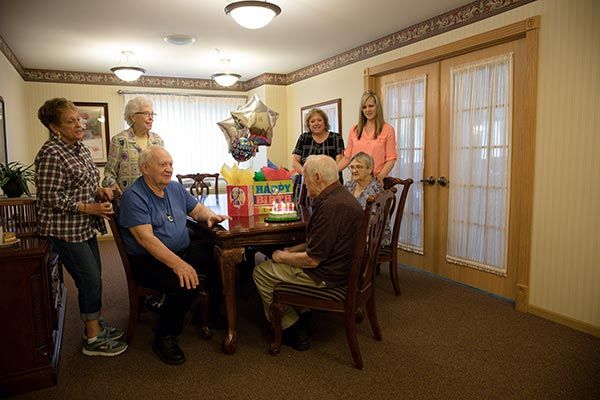
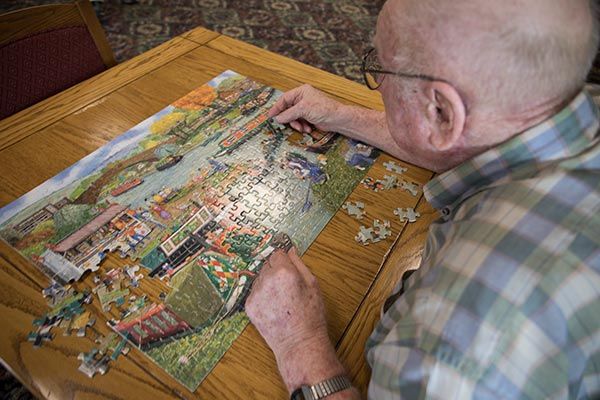
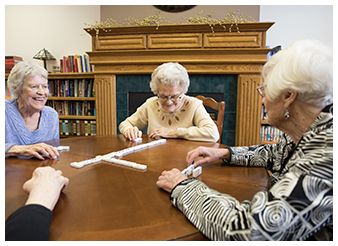
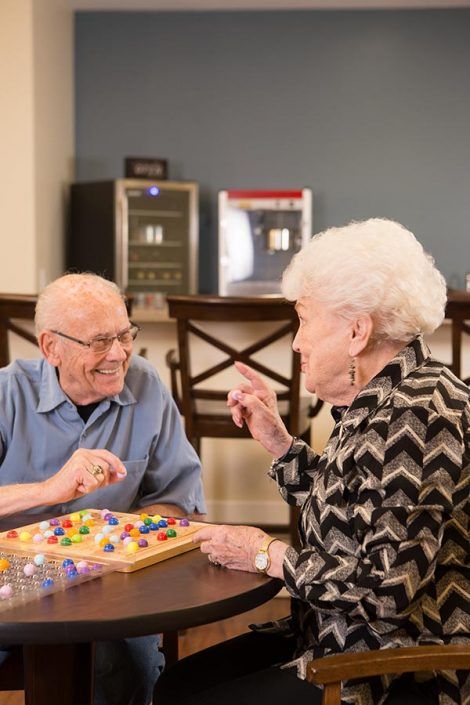
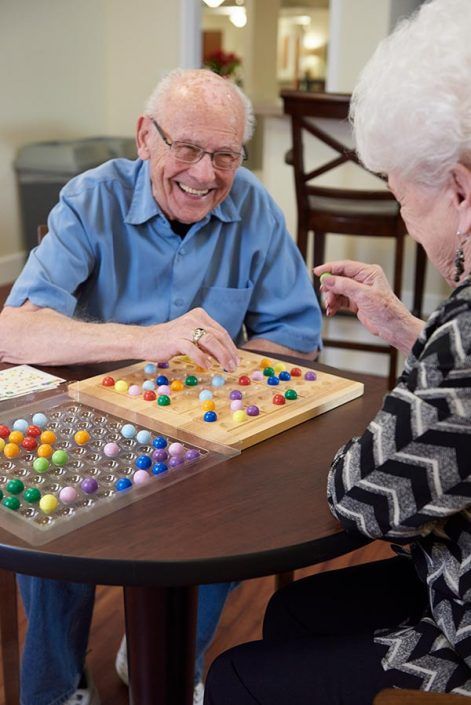
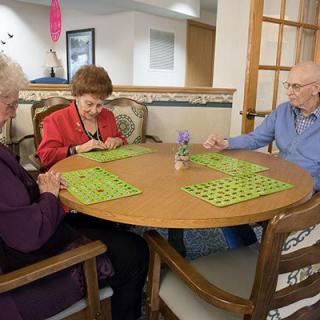
- There are many engaging activities and outings that residents enjoy and look forward to.
- The meals are well-regarded, with accommodations for dietary needs, and the dining spaces are attractive.
- The living spaces are clean, comfortable, and nicely decorated, with spacious private rooms.
- Transportation services help residents participate in community activities and appointments.
- Families and residents feel confident and would highly recommend the facility.
Cons
 The facility reportedly has no executive director after seven months and is severely understaffed for the number of residents.
- Staff and residents describe it as the worst it has ever been since it opened.
- There are reports of verbal abuse by the head executive and medications being missed, indicating inadequate care.
- Upper management is described as incapable of running the facility and primarily concerned with money rather than residents.
- Residents are charged high fees for services that are not provided, with dining quality being inconsistent and portions inadequate.
- The building has a persistent odor in the hallways due to urine and diapers, suggesting poor maintenance and sanitation.
Review
Aster Assisted Living of Marshfield is best suited for families seeking a warm, socially active environment where staff engagement and resident interaction are the core of daily life. This community tends to work well for residents who thrive on planned activities, group outings, and a home-like atmosphere, where multiple common spaces, decor that feels inviting, and an emphasis on community events help maintain a sense of belonging. The prevailing strength is relational: courteous staff, resident-to-resident friendliness, and a calendar that keeps people moving and connected. It fits families who value hands-on staff involvement and opportunities for loved ones to participate in activities and transportation to local outings.
But the facility is not for everyone. Alternatives should be considered by families prioritizing consistent, top-tier staffing, predictable operations, and very tight oversight. Several reviews signal concerns about staffing levels relative to resident census, frequent leadership turnover, and questions about long-term stability in administration. Critics note that core concerns, medication administration, timely meal service, and adherence to staffing expectations, can vary from day to day. For those requiring a fixed, fully staffed environment with rigorous, ongoing management oversight, other communities may deliver more predictable execution.
The strongest positives, staff warmth, genuine caregiver attention, and an active program slate, do help offset some drawbacks, but they do not erase them. Verified praise for friendly aides who ride in elevators with residents, visit residents in their rooms, and join in social activities demonstrates a culture of care on many shifts. Transportation options and memory-education programs add practical value for independence-minded seniors who still want access to the broader community. Large, apartment-style rooms with private layouts are a tangible draw, contributing to a sense of autonomy and personal dignity within a supervised setting. When the atmosphere is right, these elements create meaningful quality-of-life gains that families notice quickly.
Yet the cons are persistent enough to require careful weighing. Staffing perception varies sharply, with complaints of too few caregivers for the number of residents, long hours for staff, and occasional gaps in supervision. Reports of medication delays and missed administration, alongside accounts of verbal issues attributed to leadership, raise red flags about reliability and safety on certain days. The facility also earns critique for episodic problems with odor control and hallway smells, despite clean rooms and pleasant dining areas. Food quality and consistency appear uneven, and cost is described by some as high relative to service delivered, underscoring the need for a frank cost-benefit check before committing funds.
These dynamics create a clear decision framework. Families should verify the current leadership structure and staffing ratios, and request transparent, current data on medication administration practices, incident reporting, and the schedule for ongoing staff training. Inquire about the dining program: how menus are developed, how meals are timed, and how dietary restrictions are accommodated day-to-day. Inspect the common areas and resident rooms for cleanliness and odor control, and talk directly with residents about daily routines, responsiveness, and perceived safety. If memory-care-oriented activities and transportation to outside events are priorities, confirm the specific offerings and schedules, and observe whether staff actively facilitates participation.
In the end, Aster Assisted Living of Marshfield stands as a practical option for families who prize a homey, socially engaging environment and are comfortable navigating potential inconsistencies in staffing and leadership. It can be an excellent fit for residents who want companionship, accessible transport, and apartment-style living with dedicated activity programming. However, those who require unwavering consistency, tightly controlled operations, or superior odor and dining reliability may want to explore alternatives. The decision should hinge on personal tolerance for variability, a clear plan to monitor care quality, and a willingness to engage directly with administration to ensure alignment with expectations and needs.
 53 resident community capacity
 Assisted Living
 Memory Care
 Air-conditioning
 Beauty salon
 Cable or satellite TV
 Computer center
 Dining room
 Fitness room
 Fully furnished
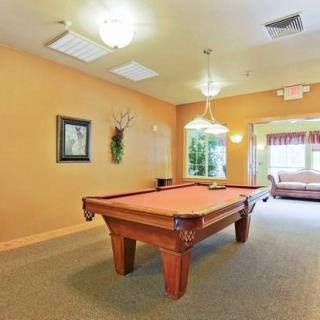
 Gaming room
 Garden
 Housekeeping services
 Kitchenette
 Move-in coordination
 Outdoor space
 Private bathrooms
 Restaurant-style dining
 Small library
 Telephone
 Wellness center
 Wi-Fi/high-speed internet available
 Community operated transportation
 12-16 hour nursing
 24-hour call system
 Activities of daily living assistance
 Assistance with bathing
 Assistance with dressing
 Assistance with transfers
 Diabetes diet
 Medication management
 Mental wellness program
 Special dietary restrictions
 Concierge services
 Planned day trips



 Delirium and Dementia: Unraveling the Key Differences
 Are Dementia and Alzheimer's Disease Lethal? A Comprehensive Exploration
 Exploring the Power of Reminiscence Therapy for Individuals With Dementia