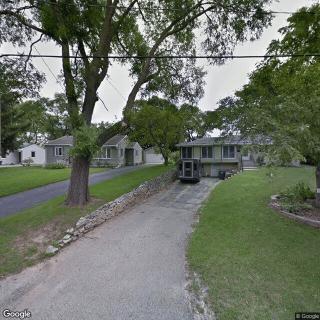
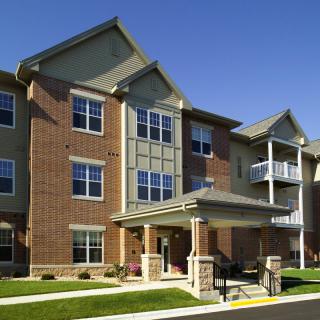
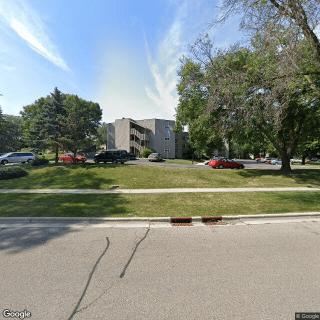
Home Instead Senior Care
Save
6400 Gisholt Dr, Madison, WI 53713
For more information about senior living options: (844) 490-3973
What level of care are you interested in?

Assisted Living

Memory Care

Independent Living

Skilled Nursing Facility

Continuing Care Retirement Community (CCRC)CCRC

Other
Taken together, the body of experiences with Home Instead paints a picture of a service that many families lean on for compassionate, home-based care, while also highlighting the real-world challenges that can arise in caregiving teams. A number of families describe how Home Instead has helped them keep loved ones at home during serious health events - after strokes, during dementia, or in the final weeks of life - often with caregivers who arrive with warmth, patience, and practical support. One account reflects a common theme: having trusted, around-the-clock companionship and assistance can provide essential relief and continuity for both the person receiving care and the family members who bear caregiving responsibilities. For example, one caregiver was cited as enabling a husband to remain at home after a stroke, with "the caregivers provided by Home Instead [being] exceptional. Every single one of them." The same sentiment recurs in stories of assisting a father with dementia and in helping a parent transition to assisted living, where companions offered friendship, practical help, and social engagement that the family members valued deeply.
Several entries praise Tim Francis for his thoughtful approach to care planning. By taking time to understand each client's needs, he purportedly helps pair families with caregivers who "truly care about people." This attention to matching is framed as a key strength of the agency, one that fosters a sense of family and mutual respect across the Home Instead network. Families repeatedly emphasize that the staff's attitude - front-office teams alongside caregivers - reflects a genuine commitment to well-being, openness to feedback, and a belief that clients and staff are part of a connected, caring community. In this respect, Home Instead is portrayed not merely as a service provider but as a culture that prioritizes personal dignity, respectful interaction, and empathy.
The narrative is rich with individual stories of extraordinary care. A caregiver named Patty is highlighted as a godsend for parents facing late-stage dementia, visiting three days a week to handle housekeeping, grocery shopping, and activities designed to stimulate cognitive engagement. Patty's practice of listening attentively to both parents, documenting progress with detailed updates, and coordinating with the family creates a reliable touchpoint for caregivers and loved ones alike. Stories of celebrating the small, meaningful moments - brain exercises, puzzles, and meaningful conversations - underscore the human element of home care, where consistent, compassionate presence can make a family's daily life more manageable and reassuring. In another account, Rosemary, Doris, Erin, and Tim are singled out for their supportive responses during difficult schedule changes, with a staff member even offering to go to a client to ensure coverage when others were unavailable.
Yet the collection of experiences is not uniformly pristine. A recurring caution appears in reviews that discuss timekeeping and scheduling realities. One account notes that while there is a system intended to track caregiver arrival times, it is "not 100% effective," with caregivers sometimes late or not showing up at all. The same thread points to the challenge of achieving consistency: "we currently have four different caregivers during the week," which can affect continuity and perceived quality of care even as families acknowledge the effort to communicate among caregivers. Another review explicitly raises concerns about dementia care training, suggesting that, despite claims of specialized training, many caregivers may be only minimally skilled, and recommending personal observation of interactions with loved ones. In one critical voice, a reviewer urges prospective clients to verify what they pay for, noting that there are other organizations that may deliver more consistent results.
Some reviewers express tempered skepticism about the overall marketplace of care providers in which Home Instead operates. A pair of comments casts doubt on the reliability of five-star reviews in the broader context and questions whether the time spent with clients reliably translates into meaningful care. The sentiment here is not a wholesale rejection of Home Instead but a reminder to prospective clients to approach care contracts with due diligence: observe actual caregiver interactions, confirm time accountability, and assess whether care routines align with the family's expectations for dementia support and daily living tasks. Despite this cautionary note, other accounts emphasize the breadth of positive experiences across long periods of use, including families who describe Home Instead as a stable partner for many years and who remain grateful for the companionship and support provided to both the person receiving care and the caregiver's own sense of purpose and job satisfaction.
Several stories reveal the long arc of engagement with Home Instead, illustrating how the agency has supported families through different life stages. Some clients recount years of service, including helping a parent through dementia, assisting during transitions to assisted living, and supporting a spouse after a health event. The consistency of appreciation over time - "the best care given to senior citizens I have seen in the Madison area," "I would definitely use Home Instead again," and "the providers were very nice and did a great job" - speaks to a durable value that many families attribute to their ongoing relationship with the agency. Even when the county contract ended or when a family faced terminal illness, the stories convey gratitude for the care partners who showed patience, reliability, and grace when schedules or needs shifted.
Overall, the collective impression is a mix of high praise, heartfelt gratitude, and cautious realism. The positive themes emphasize compassionate, person-centered care, meaningful patient-caregiver matches, and the sense that Home Instead staff and clients are treated as family. The practical realities - caregiver turnover, timekeeping, and occasional gaps in coverage - are acknowledged as industry-wide challenges that can affect continuity and perceived quality. Nevertheless, many families highlight that when Home Instead works well, it works exceptionally well: caregivers who listen, provide practical and emotional support, and keep families informed through clear updates; a responsive management team that acts quickly to address scheduling disruptions; and a culture that values the dignity and autonomy of older adults while supporting their families every step of the way. In this way, Home Instead emerges as a valued partner for many seeking to maintain home life, maintain independence, and preserve a sense of normalcy and connection during difficult health journeys.
Home Instead Senior Care in Madison, WI, offers a vibrant assisted living community designed to cater to the diverse needs of seniors. Located in a bustling area rich with amenities, residents enjoy proximity to 6 charming cafes perfect for socializing over coffee, as well as 42 diverse restaurants that provide a variety of dining experiences.
Nature lovers will appreciate the nearby parks?8 in total?allowing for leisurely walks and outdoor activities amidst beautiful surroundings. For healthcare needs, residents have easy access to 13 pharmacies and 24 physicians, ensuring they receive timely medical care and support. Additionally, with 4 hospitals located within reach, peace of mind is guaranteed when it comes to health services.
Transportation options are conveniently available with 2 nearby transport services, making it easy for residents to get around the city. The community also values spiritual well-being, with a place of worship just a short distance away.
At Home Instead Senior Care, seniors can thrive in an engaging environment that promotes independence while providing compassionate support tailored to their individual preferences and needs.
This part of Madison, Wisconsin, offers a variety of amenities and services that cater to seniors looking for a comfortable and convenient living environment. With several restaurants, cafes, pharmacies, parks, physicians offices, transportation options, hospitals, and places of worship within a few miles radius, residents have easy access to essential facilities. The area also boasts a mix of dining options ranging from casual eateries to fine dining establishments, ensuring there is something for everyone. Additionally, the presence of reputable healthcare providers like Access Community Health Centers and St Mary's Hospital ensures that residents have access to quality medical care when needed. Overall, this neighborhood provides a well-rounded living experience for seniors looking to settle in Madison.
Home Instead Senior Care is located at 6400 Gisholt Dr, Madison, WI 53713 in Dane County, Wisconsin
6 Crucial Ways an Elder Law Attorney Assists Families

Elder law attorneys assist older adults and their families with legal matters such as estate planning, Medicaid eligibility, and guardianships, while also providing protection against elder abuse. They help navigate complex regulations to safeguard financial resources, ensure well-being, and maintain autonomy for seniors.
Navigating the Tax Landscape of Caregiving: Credits, Deductions, and Beyond

Caregiving for an aging parent entails emotional and financial responsibilities accompanied by significant tax implications, including potential benefits from claiming them as dependents and deductions for medical expenses and caregiving costs. Caregivers must understand eligibility requirements, maintain thorough documentation, and consider consulting a tax professional to navigate these complexities effectively.
Highly Beneficial Low-Impact Exercises for Senior Living Residents
Low-impact exercises are vital for seniors as they promote health, independence, and social interaction while reducing joint strain. These adaptable activities, guided by healthcare professionals, enhance strength, flexibility, and emotional well-being.