
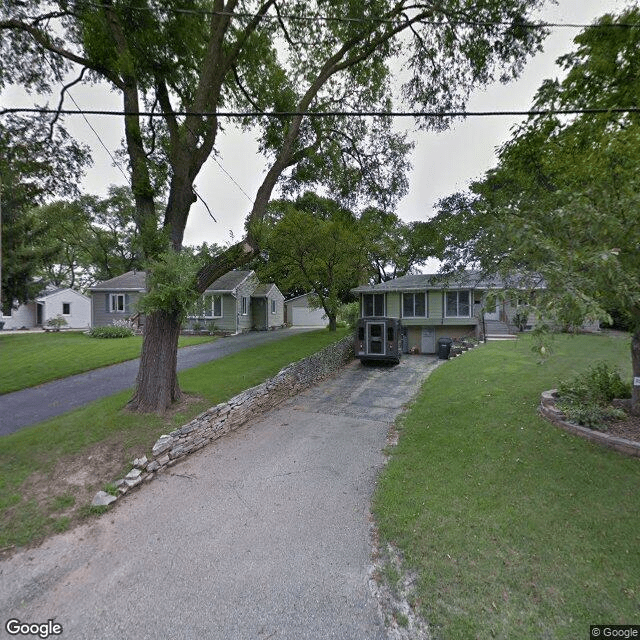
5318 Schluter Rd, Monona, WI 53716
To contact a resident: (608) 222-7557
For more information about senior living options: (866) 208-4318
Reynolds Assisted Living Home LLC Costs & Pricing
Reynolds Assisted Living Home LLC offers competitive pricing for its residents compared to the broader market in Dane County and across Wisconsin. For semi-private accommodations, residents can expect a monthly cost of $3,500, which is notably more affordable than the county average of $4,212 and aligns closely with the state average of $3,977. Private room options at Reynolds are priced at $3,750, providing an attractive alternative to the higher county rate of $3,914 and slightly lower than the state average of $4,339. Additionally, their one-bedroom units are available for the same price as private rooms at $3,750 - again more economical than both the county's average of $4,101 and significantly below Wisconsin's statewide figure of $3,412. Overall, Reynolds Assisted Living Home LLC presents itself as a cost-effective choice for those seeking quality assisted living without compromising on comfort or services.
| Floor plans | Reynolds Assisted Living Home LLC | Dane County | Wisconsin |
|---|---|---|---|
| Semi-Private | $3,500 | $4,212 | $3,977 |
| Private | $3,750 | $3,914 | $4,339 |
| 1 Bedroom | $3,750 | $4,101 | $3,412 |
Memory care communities with a similar price nearby
-
from +$500 / mo
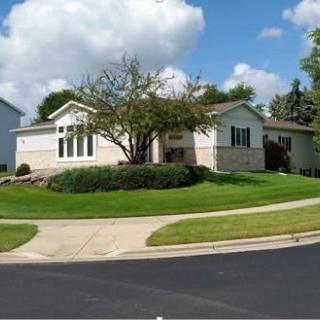
Timberwood Lodge Assisted Living and Memory Care
$4,000 to $4,500 / month6.0 miles away -
from -$300 / mo
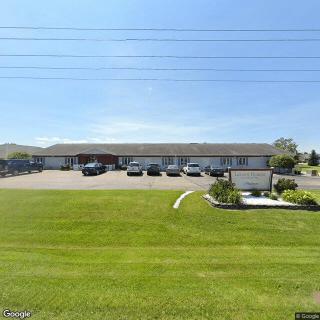
Larson House
$3,200 to $3,700 / month24.8 miles away -
from +$400 / mo
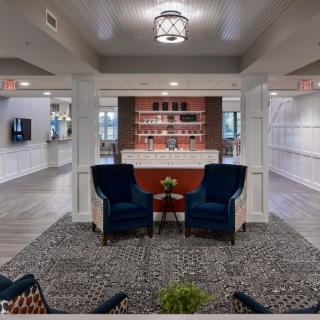
Kettle Park Senior Living
$3,900 to $4,820 / month11.1 miles away -
from +$300 / mo
Cardinal View Senior Living
$3,800 to $5,000 / month10.0 miles away -
from -$250 / mo
Coventry Village
$3,250 to $5,500 / month9.0 miles away
Overall Review of Reynolds Assisted Living Home LLC
Pros
 The staff are very professional and meet the care requirements on the spot.
- They provide attentive care and handle residents with humor.
- The meals are family-style and delicious.
- Reynolds keeps a small resident count, with a maximum of five, enabling more attentive care.
- They have a handicap-accessible bus and take memory care residents on outings.
- They have more activities than other places they've experienced.
- Residents have access to outdoor spaces, including an enclosed garden with walking paths.
- Reynolds Assisted Living is five stars all the way around.
Review
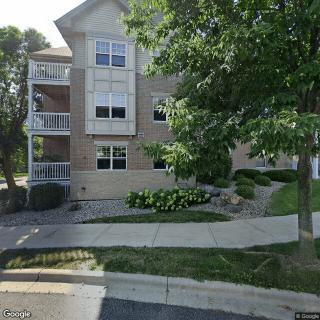
Reynolds Assisted Living Home LLC in Monona, WI is best suited for families seeking intensely individualized care in a true small-house setting. With a maximum of five residents, the community delivers hands-on attention, rapid adjustments to care plans, and a pace that keeps seniors from feeling like just another bed in a large campus. It is especially appropriate for residents dealing with memory challenges, including Alzheimer’s, where predictable routines, dependable staff presence, and meaningful engagement matter most. The environment emphasizes warmth, practical interaction, and a sense of family, with meals that are family-style and staff who are consistently described as professional and attentive.
Those weighing alternatives should consider whether a larger facility with broader medical oversight, more certified nursing staff, and a richer on-site activity calendar would better meet changing needs. If a loved one will require frequent, specialized medical interventions or rapid escalation of care, the intimate scale may not provide the safety net or the breadth of resources found in bigger communities. In addition, the small campus means fewer simultaneous on-site social events, which could matter for residents who thrive on a wider, constant stream of activities beyond what can be organized within these four walls.
The strongest pros revolve around the intimate staff-resident dynamic. The care team’s professionalism and on-the-spot responsiveness enable highly personalized routines that keep loved ones comfortable and engaged. The small setting makes “attentive care” a lived reality, not a hopeful claim, with caregivers who know each resident’s preferences and limits and who can pivot quickly when mood, mobility, or cognition shifts. Outings are a standout feature, facilitated by a handicap-accessible bus that serves memory-care residents as well as those in assisted living. Residents enjoy outings to parks, pancake breakfasts, and other simple, joyful activities that larger facilities often struggle to coordinate for memory care groups. The daily life feels purposeful: chef-prepared meals, fresh flowers in rooms, and a back garden with walking paths that invites residents to plant and tend their own greens. These touches create a sense of normalcy and dignity that many families value above all else.
Yet the boutique scale does introduce trade-offs. The most obvious is capacity: only a handful of residents means limited on-site social ecosystems, potential waiting lists, and a reliance on external outings to satisfy social appetite. Some families may also want more round-the-clock medical resources or more extensive on-site programming than a five-resident home can sustain. However, the combination of highly attentive staff, enriched activities through community outings, and the everyday conveniences of a small, home-like environment tends to offset those drawbacks for many families, particularly when the loved one thrives on routine, one-on-one interaction, and meaningful, small-group engagement.
For families actively evaluating Reynolds against other options, practical checks can guide the decision. Confirm that the resident’s care needs align with a small, highly attentive model, especially regarding memory care and mobility levels. Inquire about staff-to-resident ratios, how often care plans are reviewed, and how memory-care outings are scheduled and funded. Probe the dining program, what “family-style meals” actually looks like, the menu variety, and how meal times are structured, and ask to tour the garden and outdoor spaces to assess accessibility and safety. Finally, obtain a clear understanding of pricing, inclusions, and any ancillary fees tied to memory care or activities. The answers should reflect a home-like atmosphere, consistent caregiving staff, and a calendar of daily-life options that make daily routines feel purposeful.
Bottom line: Reynolds Assisted Living Home LLC stands out for families seeking an intimate, high-touch environment where residents receive substantial, personalized attention and participate in purposeful activities tailored to memory care and everyday living. It excels where small size translates into big gains in engagement, mood, and dignity, especially through memory-care outings, chef-driven meals, and thoughtful extras like fresh flowers and a garden that can be tended by residents. Alternatives are worth exploring for those prioritizing broader medical resources, larger social networks, or more extensive on-site programming. For caregivers who crave a boutique, home-like setting that consistently delivers warmth, attentiveness, and meaningful daily purpose, Reynolds represents a prudent, well-considered choice in Monona.
 Board and Care Home
 Memory Care
 Activities off-site
 Devotional services off-site
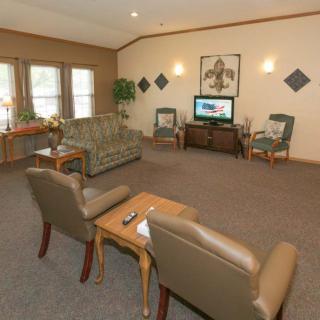
 Indoor common areas
 Outdoor common areas
 Private
 Respite or short term stays offered
 Wheelchair accessible showers
 Dane County Regional (5 miles away)
 Ambulatory care
 Diabetic care
 High acuity care
 Incontinence care
 Medication management
 Meals provided


 Memory Care Pathways: A Holistic Guide to Dementia Support
 Comprehending Evening Confusion in Dementia: Causes, Manifestations, and Support
 Delirium and Dementia: Unraveling the Key Differences