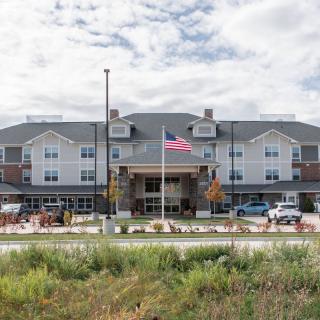
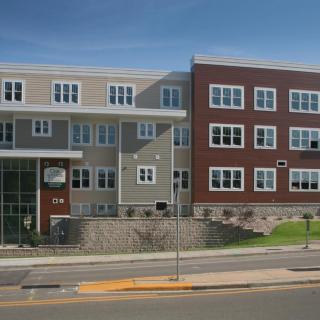
Foster Community Corrections Center

5706 Odana Road, Madison, WI 53719

For more information about senior living options: (844) 490-3973

2.8 from 5 reviews
5 stars
1
4 stars
1
3 stars
1
2 stars
0
1 stars
2

Assisted Living

What level of care are you interested in?

Assisted Living

Memory Care

Independent Living

Skilled Nursing Facility

Continuing Care Retirement Community (CCRC)CCRC

Other


Request a tour at Foster Community Corrections Center

    Overall Review of Foster Community Corrections Center

    Pros

    • pro It helps ex-convicts reintegrate into society.

    Cons

    • pro It portrays the probation and parole system as harsh and punitive, likening it to a judge or executioner.
    • pro It emphasizes rules like "don't get caught" and "don't rat on yourself," suggesting a trap-filled process.
    • pro It implies that asking for a lawyer is necessary and that police questioning should end, signaling distrust of the interrogation.
    • pro It casts doubt on the system's claim to help ex-convicts reintegrate into society.
    • pro It conveys frustration about the rating itself and dissatisfaction with the service.

    Review

    The collection of lines presented paints a forceful and provocative portrait of probation and parole, beginning with a blunt, almost rhetorical question about rating: "It's a probation and parole how do you give it more than one star?" From the outset, the voice signaling these words suggests not merely dissatisfaction but a demand for a wholesale reevaluation. The sentiment feels less like casual critique and more like a verdict on a system that is perceived as grim, rigid, and difficult to rate positively. The few fragments that remain imply a demand for reform, alongside a sense that whatever is offered falls far short of what could be meaningful or humane.

    At the core of the critique lies an arresting cluster of metaphors that reduce the system to a single, overpowering force: "Judge jury executioner." The phrasing captures a belief that the probation and parole apparatus acts as an all-encompassing authority that renders judgment in a way that feels final and punitive. The language strips away nuance and points to a deep-seated perception of power disproportion: a mechanism that does not merely supervise, but enforces with the bluntness of a court verdict, a force that can alter lives with little room for gradual redemption or mercy. In this framing, the system resembles a dominion whose decisions are final and whose reach is pervasive, leaving those under supervision feeling permanently under the gaze of a punitive adjudicator.

    Another thread in these phrases emphasizes the code of behavior that people under supervision are forced to internalize. The stark rules - "rule number 1 dont get caught" and "rule number 2 dont rat on yourself" (emphatically repeated) - depict a culture of constant vigilance and self-preservation. The first rule suggests that avoidance of detection is the only viable strategy for surviving the process; the second rule, reinforced by emphasis, points to a fear-driven norm against self-incrimination or confession, even when it might be appropriate to seek help or sorted guidance. Taken together, they portray a system that may cultivate caution and silence rather than transparency and accountability, turning supervision into a tightrope walk where any misstep is feared as a fatal flaw.

    Embedded in the critique is a claim about how to engage with authorities - an imperative that privileges legal counsel and curbs intrusive questioning. The directive to "Ask for a lawyer" and the assertion that police questioning "has to end them from asking anything further" speak to a belief that rights and protections exist, but must be actively claimed. This element of the text underscores the importance of due process and the role of counsel in safeguarding vulnerable individuals from coercive interrogation. It also points to a frustration with how easily those under supervision can feel overwhelmed or overwhelmed by authorities, suggesting that rights protections are essential but perhaps inconsistently applied in practice.

    There is, within these remarks, a paradoxical acknowledgment of a rehabilitative aim: "Helps x-convicts reintegrate into society." On one level, this line carries a constructive note - a recognition that there is an explicit purpose in probation and parole to support reentry and reduce recidivism. Yet the surrounding language tempers that acknowledgement with a sense that the system's punitive elements often overshadow or complicate genuine reintegration. The pairing of punitive imagery with a statement about helping reintegration creates a tension: is the system primarily an instrument of control, or can it truly facilitate a smoother, more humane transition back into everyday life? The text suggests that the latter remains aspirational or conditional, contingent on reforms that align supervision with practical, supportive pathways outward from confinement.

    Taken as a whole, the remarks present a portrait of probation and parole as a realm of uncompromising oversight that is perceived as harsh, rigid, and fear-driven. The repeated emphasis on avoidance, self-protection, and the strategic invocation of legal counsel points to a landscape where trust is scarce and agency is fragile. Yet amid the critique there is a persistent thread of aspiration - the belief that the system should, and perhaps can, contribute to meaningful reintegration for those returning to society. If there is a path forward, it likely lies in reconciling the stern structure of supervision with transparent processes, robust rights protections, and tangible supports that address the barriers to successful reentry.

    In the end, these lines read as a stark reminder that the experience of probation and parole is not uniformly positive or neutral. They reveal a judgmental, high-stakes environment where fear and control can eclipse rehabilitative potential, while also holding out the possibility that with deliberate reforms - clarified expectations, better access to legal guidance, and stronger reintegration supports - the system could become more humane and more effective. The tension between punishment and rehabilitation is palpable, and the road toward a more favorable evaluation would require turning the current emphasis on surveillance into a sustained commitment to opportunity, rights-respecting practice, and real, practical help for those seeking to rebuild their lives.

    Features

    Housing

    • 20 resident community capacity 20 resident community capacity

    Types of Care

    • Assisted Living Assisted LivingAssisted living facilities provide crucial support and care for seniors who may need help with daily tasks such as medication management, bathing, and meal preparation. These communities offer a safe and comfortable environment where seniors can maintain their independence while receiving the assistance they need to thrive in their golden years.

    Amenities

    • Beauty salon Beauty salonBeauty salons are important for seniors because they provide a space for them to feel pampered, socialize, and maintain their personal grooming and hygiene. Regular visits to a beauty salon can help boost seniors' self-esteem and overall well-being.
    • Cable or satellite TV Cable or satellite TVCable or satellite TV is important for seniors because it provides entertainment, news, and companionship, helping to combat loneliness and boredom. It also offers a wide range of programming options tailored to different interests and preferences.
    • Dining room Dining roomDining rooms are important for seniors as they provide a space for socialization, connection, and nutritious meals. They offer opportunities for residents to bond over shared meals, foster a sense of community, and promote healthy eating habits. Dining rooms also ensure that seniors have access to well-balanced meals tailored to their dietary needs and preferences.
    • Fully furnished Fully furnishedFully furnished senior living communities are important for seniors because they provide convenience, comfort, and a hassle-free moving experience. Seniors can easily settle into their new living space without the stress of having to buy and move furniture. This allows them to focus on enjoying their new home and community.
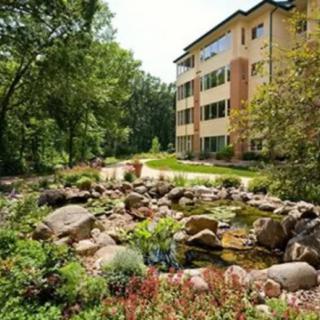
    • Garden GardenGardens are important for seniors as they provide a peaceful and therapeutic environment for relaxation, physical activity, and socialization. Being in nature has been shown to reduce stress, improve mood, and promote overall well-being. Gardens also offer opportunities for seniors to engage in gardening activities, which can improve mobility, flexibility, and cognitive function. Additionally, gardens create a sense of community and connection with others who share a passion for plants and outdoor spaces.
    • Housekeeping services Housekeeping servicesHousekeeping services are important for seniors because they help maintain a clean and safe living environment, promote independence, and reduce the risk of accidents or illnesses. Additionally, having assistance with household chores can alleviate physical strain and allow seniors to focus on other aspects of their well-being.
    • Kitchenette KitchenetteKitchenettes are important for seniors living in senior living communities because they provide the convenience and independence of being able to prepare simple meals and snacks in the comfort of their own living space. This can help promote a sense of autonomy and well-being for seniors, allowing them to maintain some level of control over their dietary choices and daily routines.
    • Move-in coordination Move-in coordinationMove-in coordination is important for seniors because it helps ease the transition into their new living environment. It ensures that all logistics, such as packing, organizing movers, and setting up utilities are taken care of, allowing seniors to focus on settling in and adjusting to their new home. Having a smooth move-in process can alleviate stress and anxiety, making the transition smoother and more enjoyable for seniors.
    • Outdoor space Outdoor spaceOutdoor spaces are important for seniors as they provide opportunities for physical activity, social interaction, exposure to natural light and fresh air, and a sense of connection to nature. Having access to outdoor spaces can improve overall well-being and quality of life for older adults living in senior communities.
    • Telephone TelephoneTelephones are important for seniors as they provide a lifeline for communication with loved ones, emergency services, and healthcare providers. They offer a sense of security and independence, enabling seniors to stay connected and access assistance when needed.
    • Wi-Fi/high-speed internet available Wi-Fi/high-speed internet availableWi-Fi/high-speed internet is important for seniors to stay connected with loved ones, access online resources, and participate in virtual activities to combat feelings of loneliness and isolation. It also allows them to easily manage healthcare needs, access entertainment, and engage in lifelong learning opportunities.

    Transportation

    • Dane County Regional (9 miles away) Dane County Regional (9 miles away)

    Care Services

    • 24-hour call system 24-hour call system24-hour call systems are important for seniors because they provide peace of mind and immediate assistance in case of emergencies. This technology ensures that help is always available, promoting safety and security for elderly individuals living alone or in assisted living facilities.
    • 24-hour supervision 24-hour supervision24-hour supervision is important for seniors to ensure their safety, well-being, and access to immediate assistance in case of emergencies or health issues. This constant support provides peace of mind for both seniors and their loved ones, allowing them to age in place with dignity and security.
    • Activities of daily living assistance Activities of daily living assistanceActivities of daily living assistance are important for seniors because they provide essential support with tasks such as eating, bathing, dressing, and mobility. This assistance helps seniors maintain their independence, dignity, and overall quality of life as they age.
    • Assistance with bathing Assistance with bathingAssistance with bathing is crucial for seniors as it helps maintain personal hygiene, prevents infections, and ensures their overall well-being and comfort. It also provides a sense of dignity and independence for seniors who may struggle with this task on their own.
    • Assistance with dressing Assistance with dressingAssistance with dressing is important for seniors because it helps maintain their independence, promotes personal hygiene, prevents accidents and injuries, and improves overall quality of life. This service ensures that seniors can continue to dress comfortably and confidently, despite any physical limitations they may have.
    • Assistance with transfers Assistance with transfersAssistance with transfers is crucial for seniors as it helps prevent falls and injuries, maintains their independence, and ensures they can safely navigate their living environment. It also provides peace of mind for both seniors and their loved ones.
    • Coordination with health care providers Coordination with health care providersCoordination with health care providers is crucial for seniors to ensure proper medical care, medication management, and overall well-being. This collaboration helps prevent overlapping treatments, track progress more effectively, and provide comprehensive support tailored to individual needs.
    • Diabetes diet Diabetes dietA diabetes diet is crucial for seniors as it helps manage blood sugar levels, reduce risks of complications, and improve overall health and well-being. By following a balanced and nutritious diet tailored to their specific needs, seniors can better control their diabetes and enhance their quality of life.
    • Meal preparation and service Meal preparation and serviceMeal preparation and service are crucial for seniors as they may have limited mobility or energy to cook nutritious meals. Having access to healthy and convenient food options can ensure they are getting the proper nutrition needed to maintain their overall health and well-being.
    • Medication management Medication managementMedication management is crucial for seniors to ensure they are taking the right medications at the correct dosages and times. This helps prevent adverse drug interactions, reduces the risk of medication errors, and promotes overall health and well-being. Proactive management also allows for adjustments as needed based on changing health conditions or new prescriptions.
    • Mental wellness program Mental wellness programMental wellness programs are essential for seniors as they promote cognitive stimulation, emotional support, and social engagement. These programs help prevent isolation, depression, and cognitive decline, ultimately enhancing the overall quality of life for older adults.
    • Special dietary restrictions Special dietary restrictionsSpecial dietary restrictions are important for seniors because age-related changes in metabolism and health conditions can make it difficult for their bodies to process certain foods. By following a diet tailored to their specific needs, seniors can maintain their overall health and well-being, manage chronic conditions, and reduce the risk of complications such as malnutrition or food interactions with medications.
    • Transportation arrangement (medical) Transportation arrangement (medical)Transportation arrangements for medical purposes are essential for seniors as they may have difficulty driving themselves to appointments or accessing public transportation. Having reliable and safe transportation options ensures that seniors can receive timely medical care and maintain their health and well-being.
    • Transportation to doctors appointments Transportation to doctors appointmentsTransportation to doctors' appointments is crucial for seniors as it ensures they have access to necessary medical care and support for their health needs. Without reliable transportation, seniors may struggle to attend important appointments, leading to potential delays in treatment and health complications. Providing transportation services helps seniors maintain their overall well-being and quality of life.
    Dining

    • Diabetes diet Diabetes dietA diabetes diet is crucial for seniors as it helps manage blood sugar levels, reduce risks of complications, and improve overall health and well-being. By following a balanced and nutritious diet tailored to their specific needs, seniors can better control their diabetes and enhance their quality of life.
    • Special dietary restrictions Special dietary restrictionsSpecial dietary restrictions are important for seniors because age-related changes in metabolism and health conditions can make it difficult for their bodies to process certain foods. By following a diet tailored to their specific needs, seniors can maintain their overall health and well-being, manage chronic conditions, and reduce the risk of complications such as malnutrition or food interactions with medications.

    Activities

    • Community-sponsored activities Community-sponsored activitiesCommunity-sponsored activities are important for seniors as they provide opportunities for social interaction, mental stimulation, and physical activity. These activities can help improve overall well-being, combat loneliness and isolation, and promote a sense of belonging and purpose among older adults.
    • Scheduled daily activities Scheduled daily activitiesScheduled daily activities are important for seniors because they provide structure, socialization, mental stimulation, and physical activity. Engaging in regular activities can improve overall well-being and quality of life for seniors living in a community setting.

    Description

    Foster Community Corrections Center is an assisted living community located in Madison, WI. Our facility offers a range of amenities to ensure the comfort and convenience of our residents, including cable or satellite TV, a dining room for communal meals, fully furnished accommodations, a garden for outdoor relaxation, housekeeping services to maintain cleanliness, a kitchenette for personal cooking needs, move-in coordination assistance, access to outdoor space, telephone service, and Wi-Fi/high-speed internet connectivity.

    In terms of care services, we provide 24-hour supervision to ensure the safety and well-being of our residents. Our staff also offers assistance with activities of daily living such as bathing and dressing. We prioritize the health and mobility of our residents by providing assistance with transfers. We work closely with healthcare providers to coordinate medical care for our residents and offer medication management services. We have a mental wellness program in place to support the emotional well-being of our residents. Our staff is equipped to cater to special dietary restrictions such as diabetes diets and can provide meal preparation and service.

    Transportation is an essential aspect of senior living, which is why we arrange transportation for medical appointments. Additionally, we offer scheduled daily activities for our residents to engage in socialization and recreation.

    Our location in Madison provides ample opportunities for entertainment and necessities nearby. There are six cafes within close proximity for socializing or enjoying a cup of coffee. There are also several parks nearby where residents can take walks or enjoy nature. With 16 pharmacies in the vicinity, obtaining medications is convenient for our residents. Likewise, there are 34 physicians nearby who can provide medical care when needed. For dining options outside the community, there are 31 restaurants available catering to different culinary preferences. Accessing places of worship for spiritual fulfillment is easy with one located nearby. Residents can also enjoy cultural outings at two theaters nearby. Lastly, four hospitals in close proximity ensure that medical emergencies can be promptly addressed.

    At Foster Community Corrections Center, we strive to provide a comfortable and supportive living environment for our residents, with an emphasis on personalized care, engaging activities, and access to essential amenities and services.

    Nearby Places of Interest

    Physicians

    • UW Health Odana Atrium Clinic (0.1 miles)
    • Wisconsin Psychiatric Institute-Clinic (0.3 miles)
    • U W Health Physicians & Clinic (0.3 miles)
    • UW Health Research Park Clinic (0.5 miles)
    • Oakwood Village (0.6 miles)
    • Rogers Memorial Hospital (0.7 miles)
    • Dewitt, Aaron Madison West Va Clinic (0.8 miles)

    Pharmacies

    • Walgreens (0.3 miles)
    • CVS Pharmacy (1.1 miles)
    • Walgreens (1.4 miles)
    • Walmart Pharmacy (1.5 miles)
    • Walgreens (2.1 miles)
    • Walgreens (2.2 miles)
    • CVS Pharmacy (2.4 miles)

    Restaurants

    • Vintage Brewing Co. (0.3 miles)
    • Delaney's Charcoal Steaks (0.9 miles)
    • Burger King (1.1 miles)
    • McDonald's (1.2 miles)
    • Portillo's Hot Dogs (1.3 miles)
    • Chick-Fil-A (1.3 miles)
    • Olive Garden (1.4 miles)

    Hospitals

    • Cell Line Genetics (0.4 miles)
    • William S. Middleton Memorial Veterans Hospital (2.9 miles)
    • UWHC Outpatient Radiology (3 miles)
    • meriter Middleton clinic (3.5 miles)

    Parks

    • Oak Park Heights Park (1.1 miles)
    • Pilgrim Park (1.6 miles)
    • Haen Family Park (2.1 miles)
    • Blue Mound State Park (2.8 miles)
    • Lakeview Park (3.2 miles)
    • Flagstone Park (3.2 miles)

    Cafes

    • Starbucks (1.3 miles)
    • Moka (1.8 miles)
    • Panera Bread (2.3 miles)
    • Panera Bread (2.7 miles)
    • The Heights (3 miles)
    • Starbucks (3.5 miles)

    Theaters

    • Point Cinema Madison, Wi (2.1 miles)
    • AMC Fitchburg 18 (2.7 miles)

    Places of Worship

    • Heritage Congregational Church (2.3 miles)

    Frequently Asked Questions

    Where is Foster Community Corrections Center?

    Nearby Communities

    • Maxim Healthcare

      Maxim Healthcare

      Madison, WI

      4.5 from 37 reviews
       

      pro Close access to healthcare services, dining, parks, and entertainment.

    • Wellington Circle Apartments

      Wellington Circle Apartments

      Madison, WI

      3 from 2 reviews
      $700 / month

      pro Beltline-adjacent location with very large living space.

    • Covenant Oaks

      Covenant Oaks

      Madison, WI

      1 from 1 review
       

      pro 24-hour supervision with comprehensive assisted living services in a fully furnished, well-located community.

    • Visiting Angels

      Visiting Angels

      Madison, WI

      5 from 7 reviews
       

      pro Excellent Madison location with easy access to parks and numerous nearby services.

    • Oakwood Village Tabor Oaks

      Oakwood Village Tabor Oaks

      Madison, WI

      4.2 from 18 reviews
       

      pro Specialized memory care with 24/7 supervision and extensive amenities.

    • Oakwood Lutheran Homes Assoc

      Oakwood Lutheran Homes Assoc

      Madison, WI


      pro Comprehensive continuum of care (CCRC + skilled nursing) with extensive on-site amenities and activities.

    • Brookdale Madison West

      Brookdale Madison West

      Madison, WI

      4 from 82 reviews
      $5,385 to $7,410 / month

      pro Clean, welcoming facility with attentive staff and good dining; improved leadership and communication.

    • Quarry Ridge Retirement Community

      Quarry Ridge Retirement Community

      Fitchburg, WI

      4.3 from 39 reviews
      $3,295 to $4,650 / month

      pro Warm, welcoming independent living community with engaging activities, good dining, and convenient amenities.

    • Oak Park Place Of Nakoma

      Oak Park Place Of Nakoma

      Madison, WI

      3.3 from 46 reviews
      $6,144 to $7,900 / month

      pro Attractive, clean facility with appealing amenities and friendly staff.

    Related Resources

    • va benefits for assisted livingAssisted Living Support for Veterans: A Complete and Detailed Overview

      The guide highlights the importance of assisted living facilities for aging veterans needing daily support, discusses unique challenges they face, and outlines available financial assistance from the VA, including the Aid and Attendance program. It emphasizes understanding eligibility criteria and navigating the VA system to access necessary benefits effectively.

    • assisted living vs skilled nursingExploring the Contrasts Between Assisted Living and Skilled Nursing

      The article compares assisted living and skilled nursing facilities, detailing their differing levels of assistance, medical support, cost structures, and day-to-day experiences. It emphasizes that assisted living is for those needing help with daily activities while maintaining independence, whereas skilled nursing facilities provide intensive medical care with 24-hour staff supervision.

    • when to move from assisted living to nursing home8 Key Indicators That Suggest It May Be Time to Transition from Assisted Living to Skilled Nursing Care

      The transition from assisted living to skilled nursing care is often prompted by complex medical needs that assisted living cannot meet, with key indicators including frequent health declines, increased falls, severe memory issues, and caregiver burnout. Families should recognize these signs early to discuss options with healthcare providers and prepare for the emotional and logistical aspects of moving to a facility that offers comprehensive medical support.


    Get Pricing Ask A Question Schedule A Tour Contact Senior Advisor