Brightstar Senior Living offers premium care with costs that reflect its comprehensive services and amenities. For a studio apartment, the monthly fee is $6,570, significantly higher than the average in Dane County at $4,418 and Wisconsin's state average of $3,999. Similarly, the one-bedroom option is priced at $7,372, again surpassing both county and state averages of $4,101 and $3,412 respectively. While the financial commitment may be steep compared to local norms, it underscores Brightstar's commitment to providing exceptional support tailored to seniors' needs within a nurturing environment.
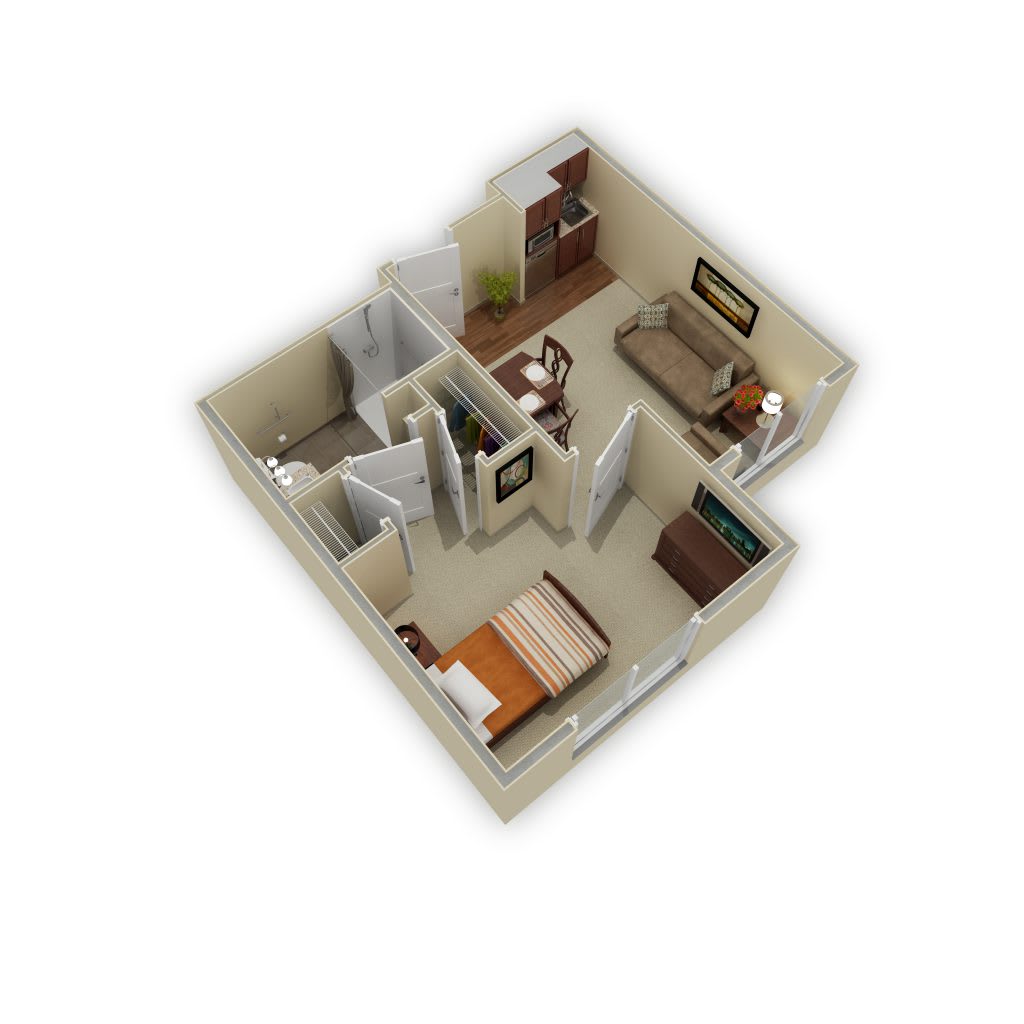
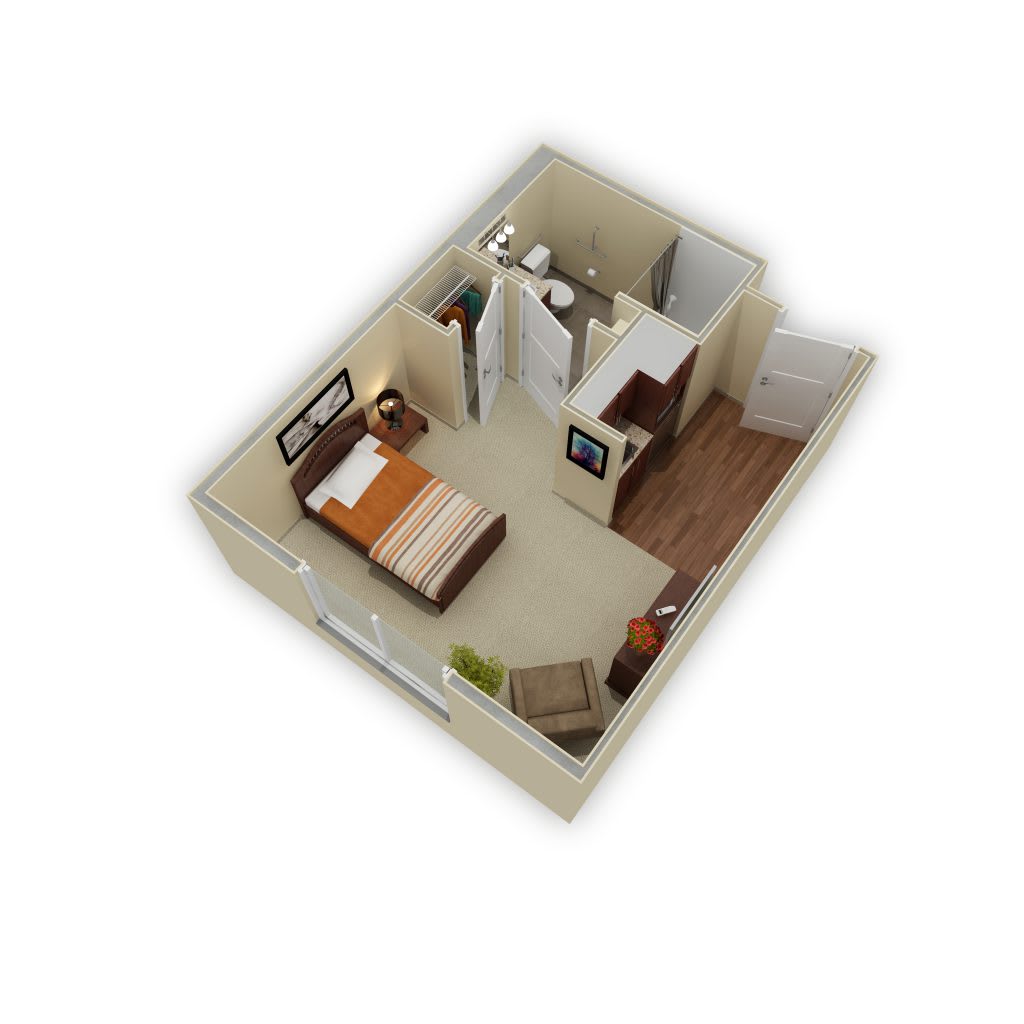
Floor plans
Brightstar Senior Living
Dane County
Wisconsin
Studio
$6,570
$4,418
$3,999
1 Bedroom
$7,372
$4,101
$3,412
Memory care communities with a similar price nearby
Residents describe memory-care support and dementia-informed staffing as a key strength.
Several reviews describe experiences tied specifically to dementia and memory care, including staff who are knowledgeable about dementia and support during a resident’s changing needs. Residents and families also mention attention on the memory care floor and a caregiver-to-resident ratio they felt was higher than other options. The community’s care offerings include memory care programming and services aimed at higher acuity and mild cognitive impairment.
common18 reviews mention this
Caring, attentive staff presence
Across reviews, people repeatedly describe the staff as attentive, kind, and responsive.
Many reviewers emphasize that staff are caring and engaged, with frequent check-ins and responsiveness that makes families feel comfortable. Several stories include how staff help with communication and daily support, including personal engagement with residents and families. At the same time, one review raises concerns about staffing levels and the quality of care a referred tenant received.
common4 reviews mention this
Activities that pull residents in
Residents and families describe activities that are well planned and encourage participation.
Reviewers point to activities and outings as a standout part of life at the community, including programs that are described as enjoyable and thoughtfully planned. Some mention how staff work to get people out of their rooms and involved, with emphasis on encouragement and follow-through. The community also lists a calendar-style mix of daily activities and ongoing programming, including live performances and fitness-related offerings.
common3 reviews mention this
Food quality and dining variety
Reviews commonly mention good food alongside a more restaurant-style dining experience.
Multiple families highlight food quality and describe it as a positive part of daily life. The dining approach is also aligned with resident-facing details about restaurant-style dining and meals provided. The community’s offering includes diet support categories such as diabetes-appropriate and low/no-sodium options, which fits how reviewers discuss resident needs.
caveat5 reviews mention this
Higher pricing is a recurring concern
Pricing is frequently described as high compared with other places and budgets.
Several reviews call out the community as very expensive, including families comparing it to other options they toured. Some reviewers note concern about cost even when they liked the building and care approach. Pricing for studio and 1-bedroom options is positioned well above both the county and state comparisons provided for the listing.
How we summarize
Counts show how many written reviews mention each theme; a review can touch several themes, and only frequently mentioned themes are displayed.
Features
Housing
36 resident community capacity
Types of Care
Assisted Living
Memory Care
Amenities
Activities off-site
Activities on-site
Air-conditioning
Bath tubs
Beautician on-site
Beauty salon
Cable or satellite TV
Devotional services off-site
Devotional services on-site
Dining room
Fully furnished
Garden
Ground floor units
Handicap accessible
Housekeeping services
Indoor common areas
Kitchenette
Move-in coordination
Outdoor common areas
Outdoor space
Restaurant-style dining
Small library
Telephone
Wheelchair accessible showers
Wi-Fi/high-speed internet available
Transportation
Dane County Regional (10 miles away)
Care Services
24-hour call system
24-hour supervision
Activities of daily living assistance
Assistance with bathing
Assistance with dressing
Assistance with transfers
Diabetes diet
Diabetic care
High acuity care
Incontinence care
Meal preparation and service
Medication management
Mental wellness program
Mild cognitive impairment
Special dietary restrictions
Specialized memory care programming
Dining
Diabetes diet
Gluten-free
Guest meals
Kosher
Low / no sodium
Meals provided
No Sugar
Professional chef
Restaurant style dining
Special dietary restrictions
Special dining programs
Vegan
Vegetarian
Activities
Art classes
Community-sponsored activities
Cooking classes
Devotional activities offsite
Devotional activities on-site
Educational speakers / life long learning
Forever fit
Happy hour
Live dance or theater performances
Live musical performances
Live well programs
Resident-run activities
Scheduled daily activities
Stretching classes
Nearby Places of Interest
This part of Madison, Wisconsin offers a convenient and diverse range of amenities for senior living. With multiple physicians, pharmacies, and hospitals in close proximity, residents have easy access to medical care. Additionally, there are various dining options nearby including fast food establishments like Burger King and McDonald's, as well as sit-down restaurants like Olive Garden and Chili's Grill & Bar. For recreation, there are several parks within a few miles where seniors can enjoy nature and outdoor activities. The area also has places of worship for those seeking spiritual support. Overall, this neighborhood provides a mix of essential services and leisure options that cater to the needs of older adults.
Brightstar Senior Living offers premium care with costs that reflect its comprehensive services and amenities. For a studio apartment, the monthly fee is $6,570, significantly higher than the average in Dane County at $4,418 and Wisconsin's state average of $3,999. Similarly, the one-bedroom option is priced at $7,372, again surpassing both county and state averages of $4,101 and $3,412 respectively. While the financial commitment may be steep compared to local norms, it underscores Brightstar's commitment to providing exceptional support tailored to seniors' needs within a nurturing environment.
Brightstar Senior Living's comprehensive features are designed to meet the unique needs of residents with dementia or Alzheimer's disease, ensuring a supportive environment conducive to both safety and quality of life. The 24-hour supervision provides constant oversight, helping to alleviate anxiety and prevent wandering, while assistance with activities of daily living--such as bathing and dressing--promotes dignity and independence. Support during transfers ensures mobility is safe, reducing the risk of falls. Incontinence care addresses personal hygiene needs sensitively, which can be particularly important for residents' self-esteem. Meal preparation and service offer nutritious options tailored to individual dietary requirements, thus promoting health. Medication management ensures adherence to prescribed regimens, vital for managing cognitive decline. The mental wellness program fosters engagement through cognitive exercises aimed at stimulating memory retention, while specialized memory care programming targets specific challenges faced by individuals with mild cognitive impairment. This holistic approach not only enhances day-to-day living for residents but also supports emotional well-being in a compassionate community setting.
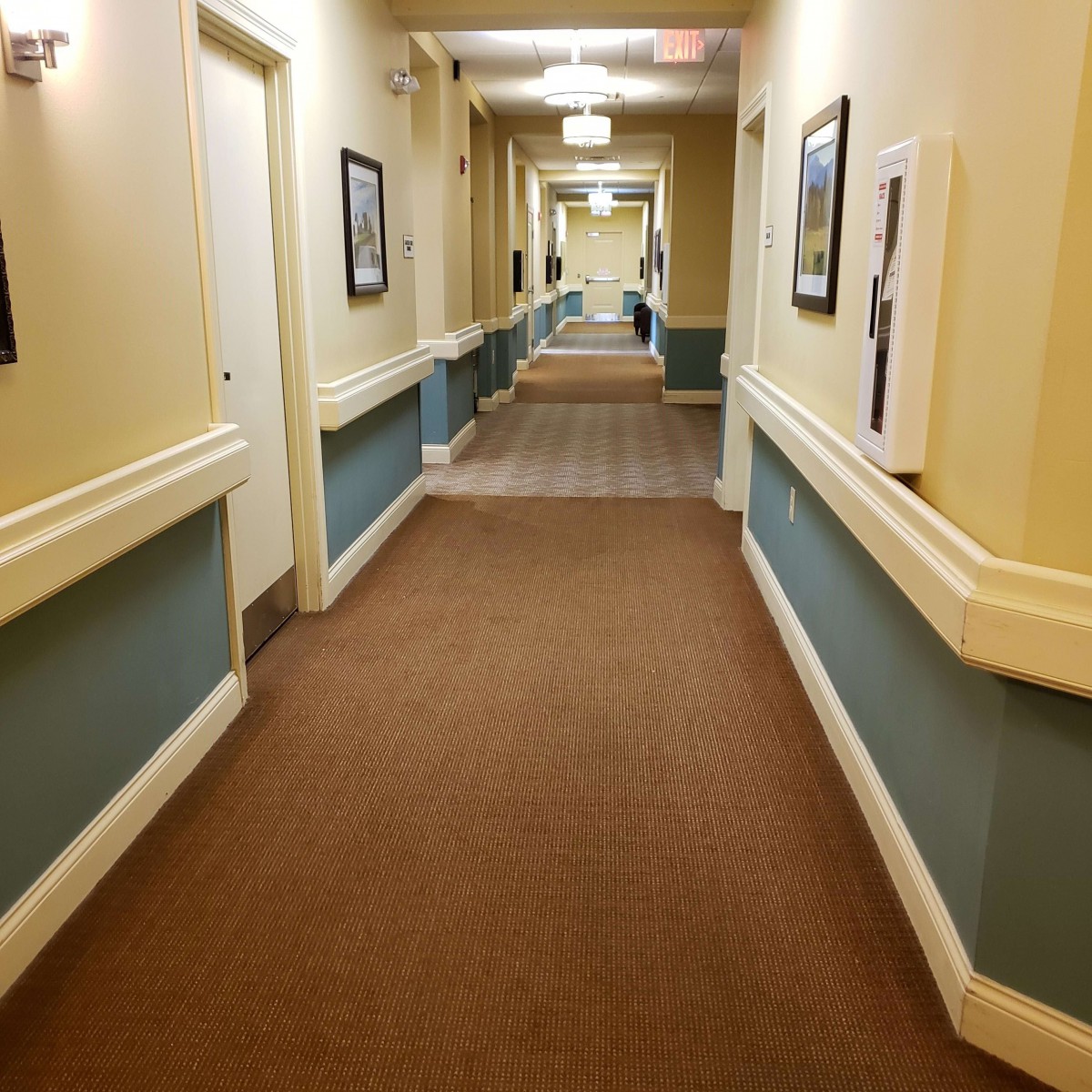
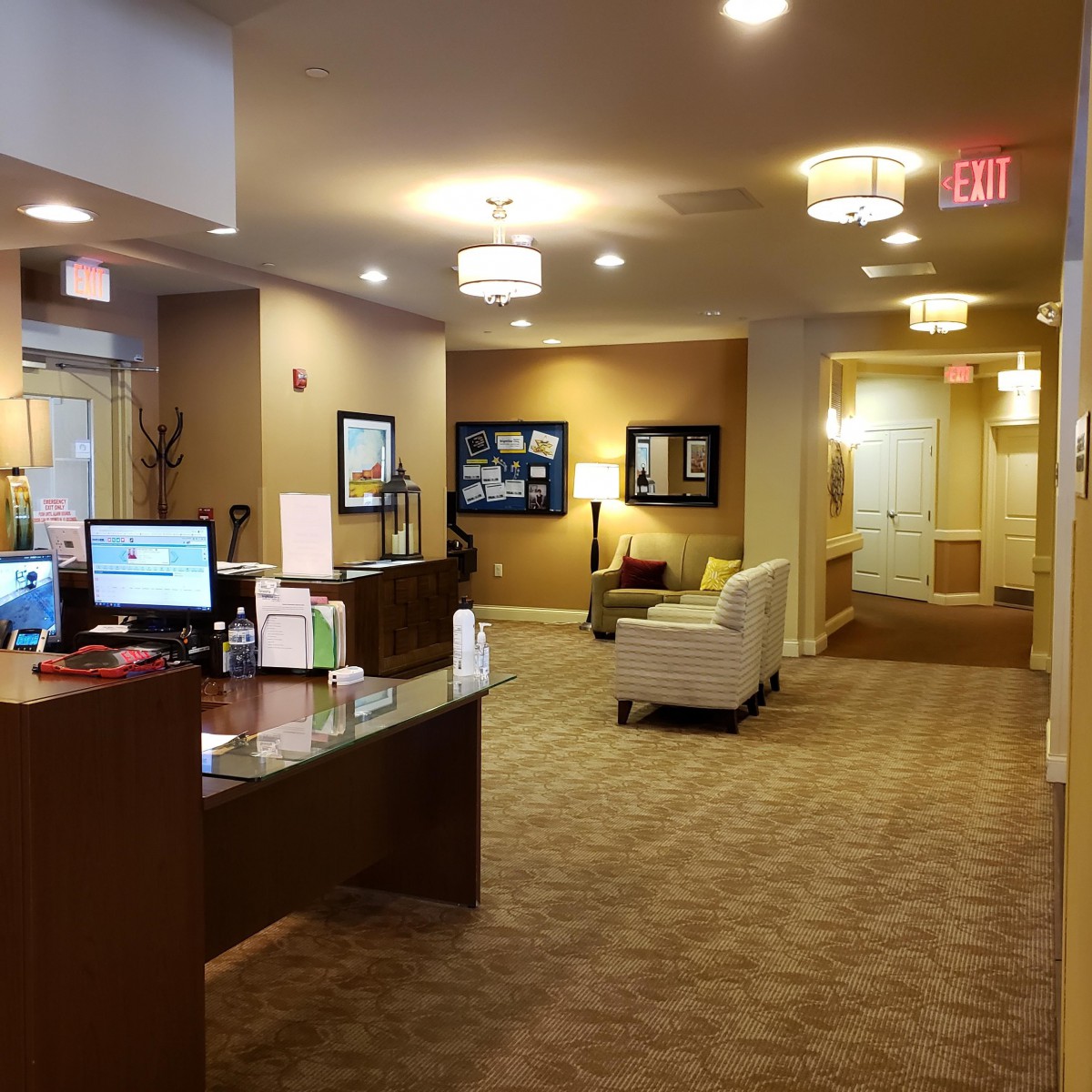
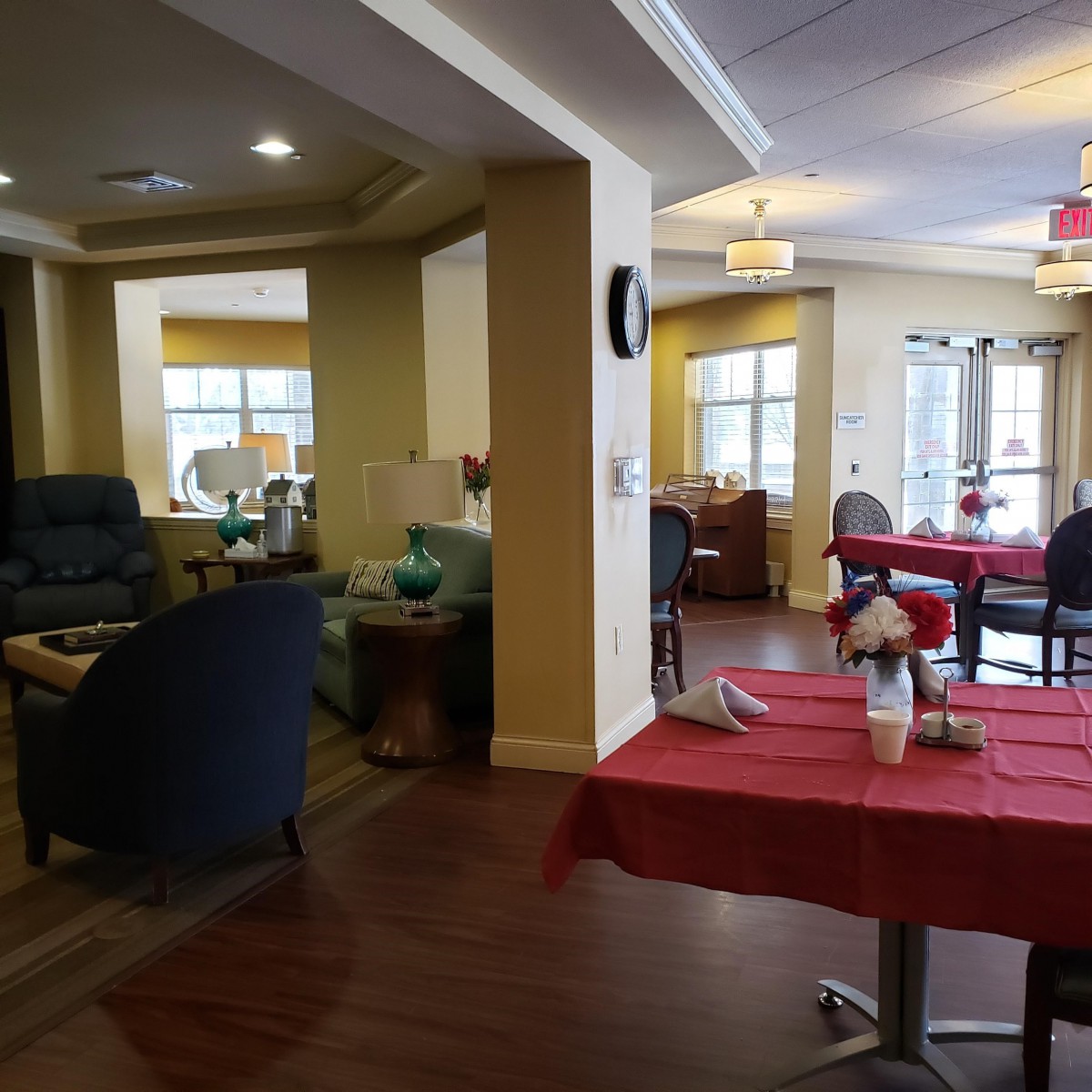
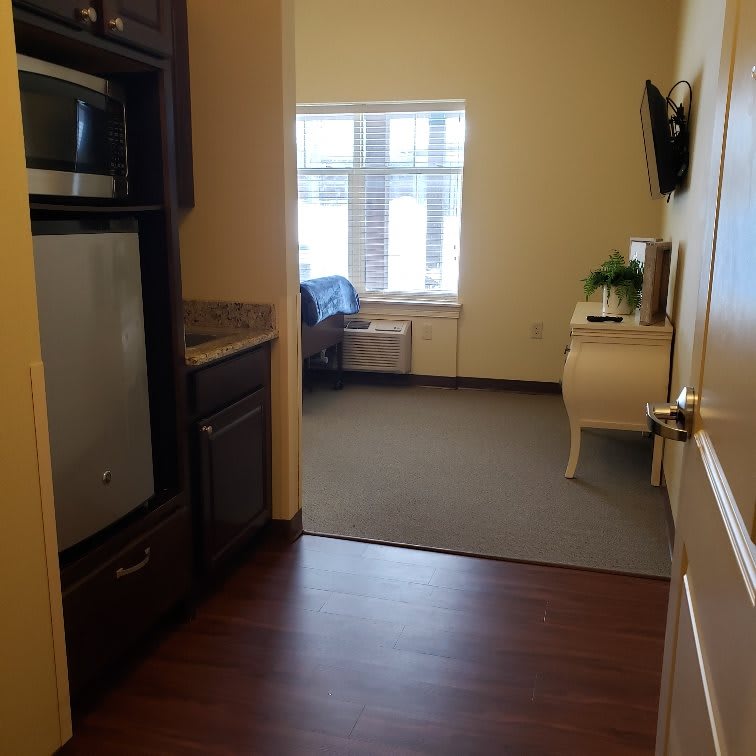
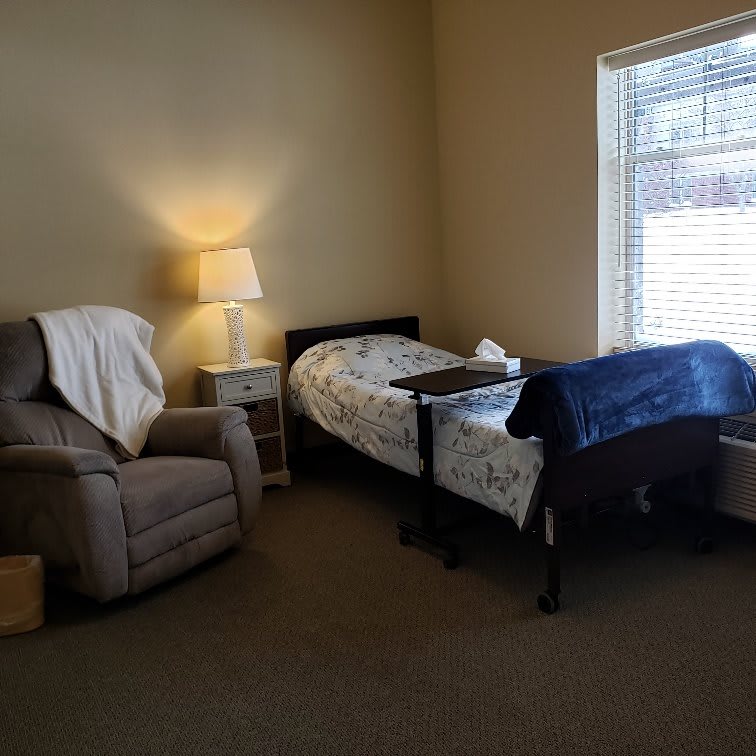
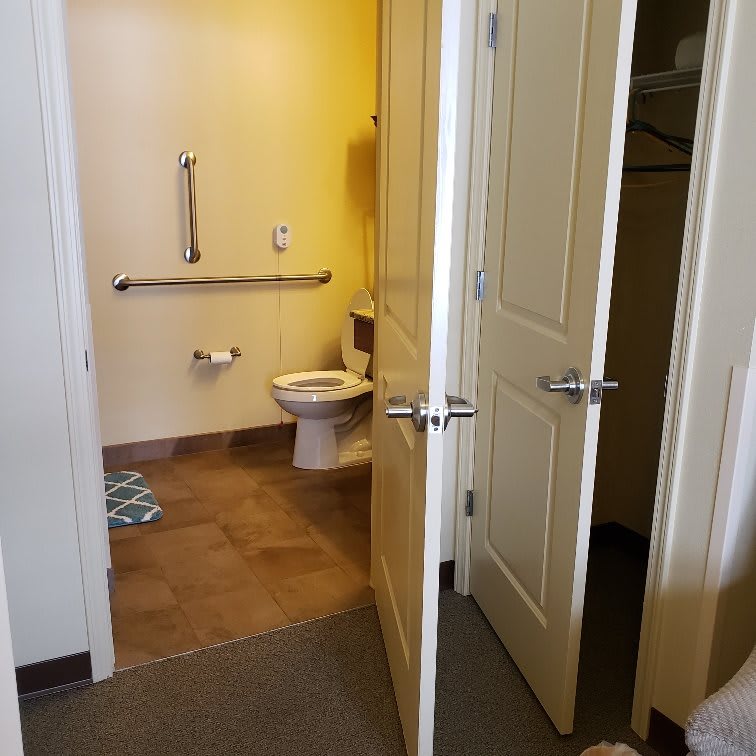
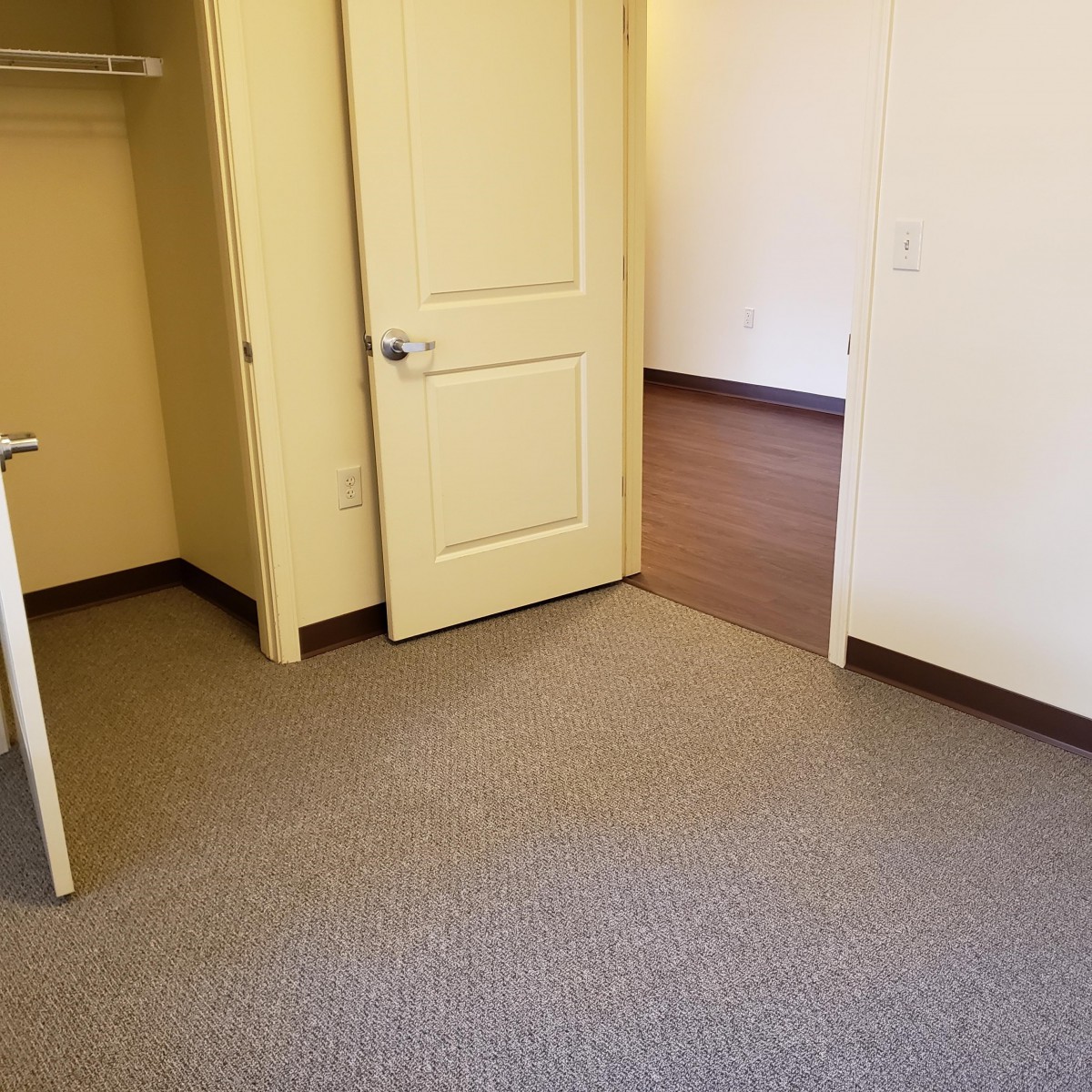
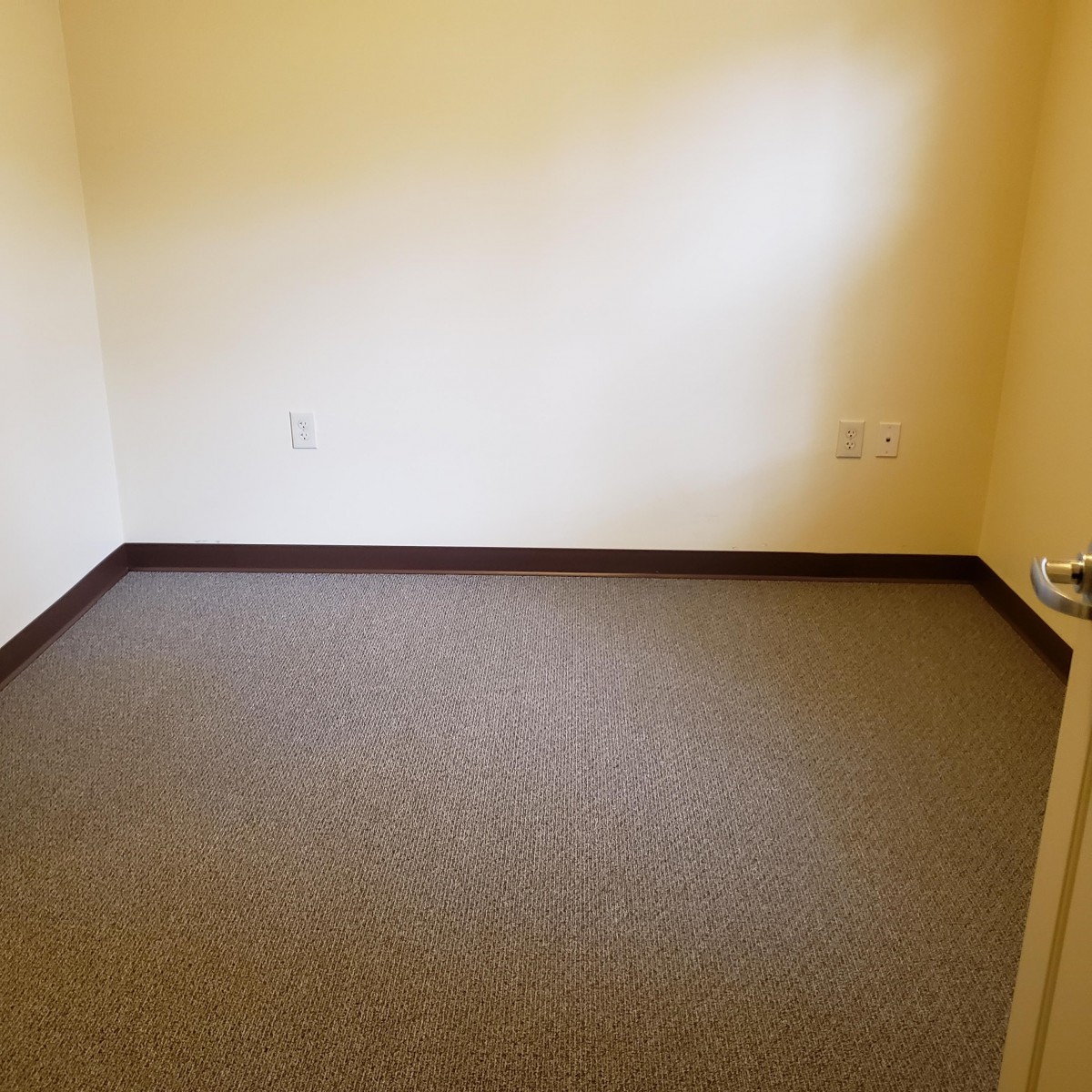
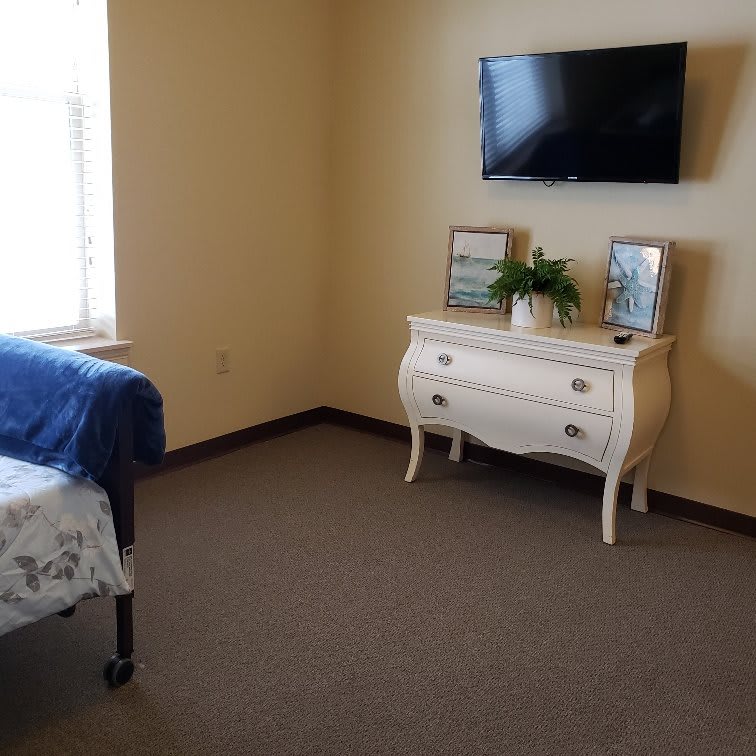
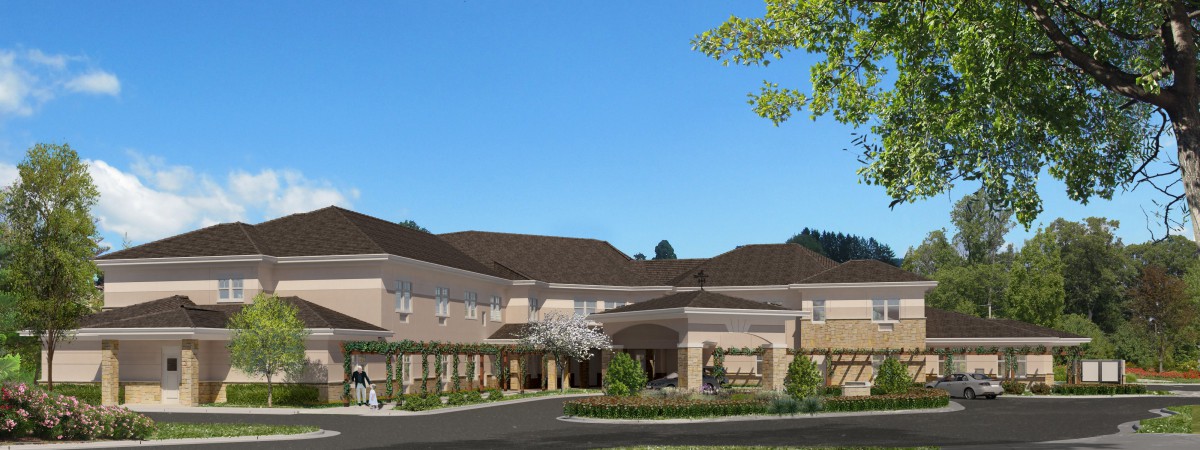
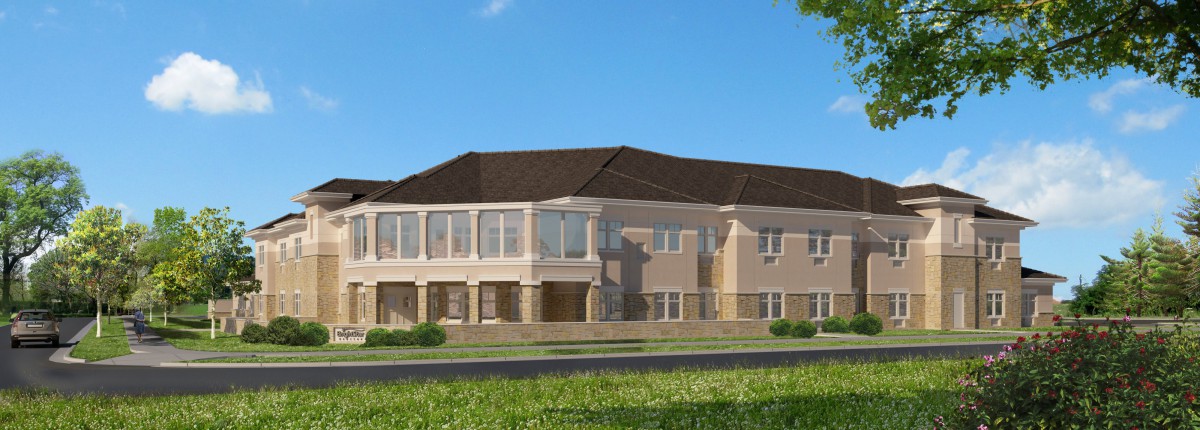
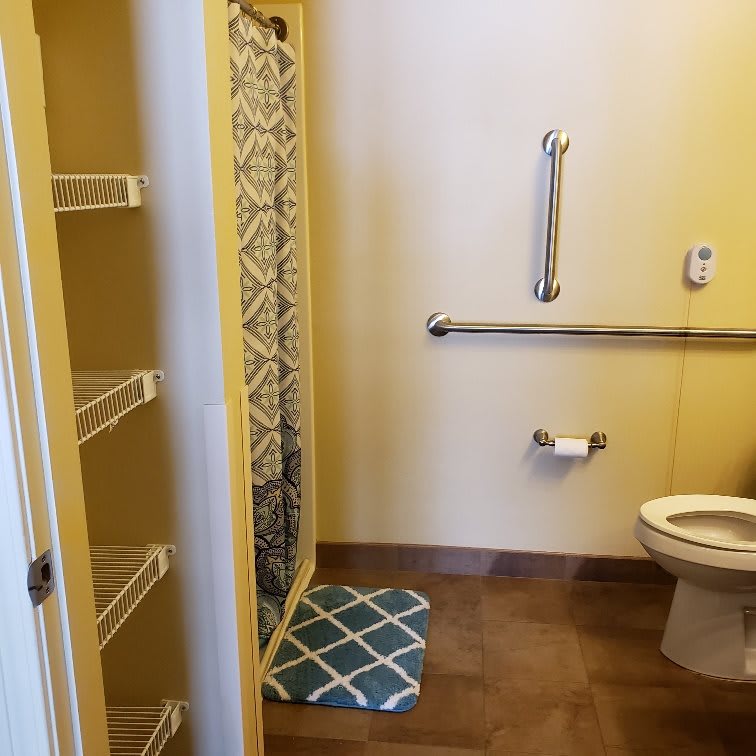
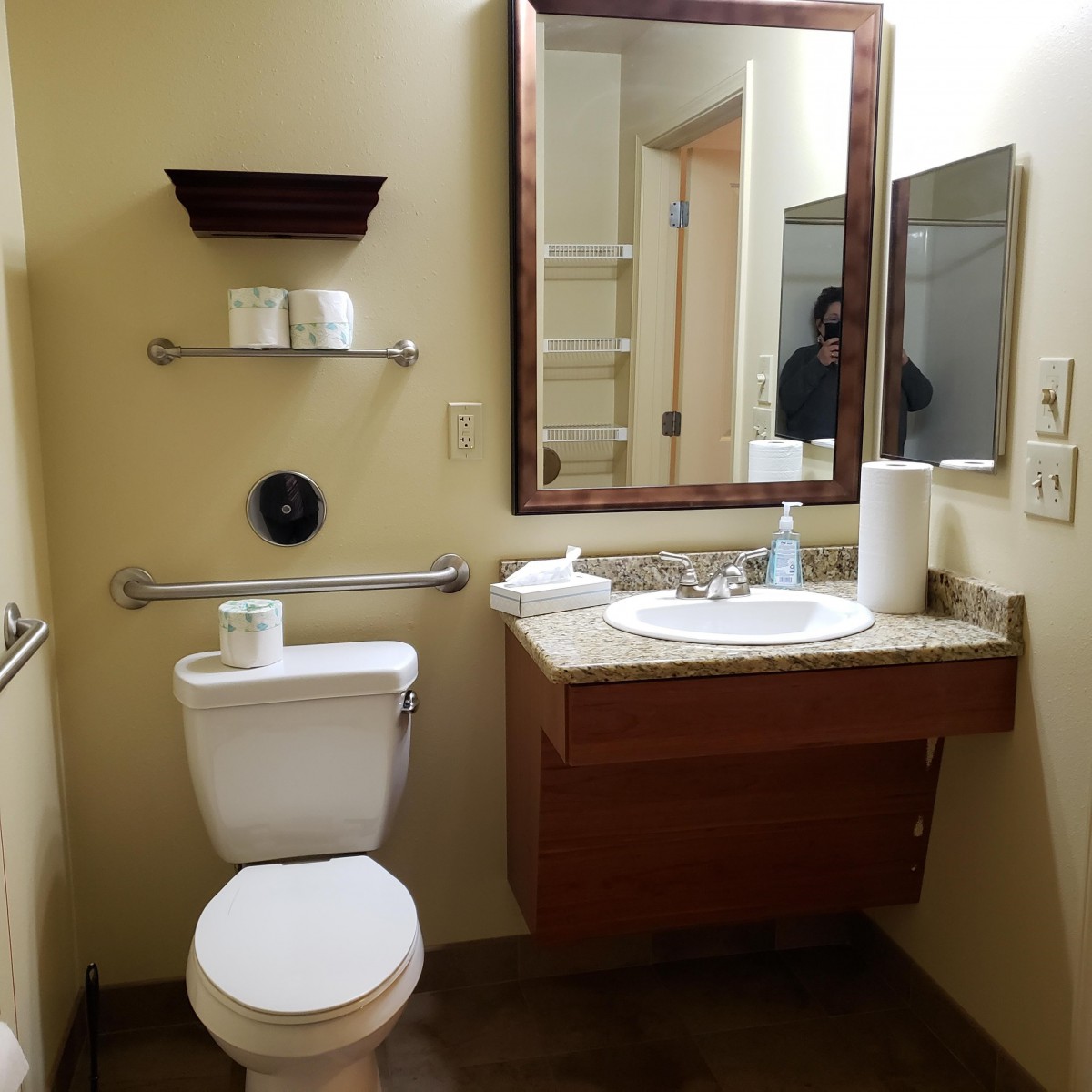
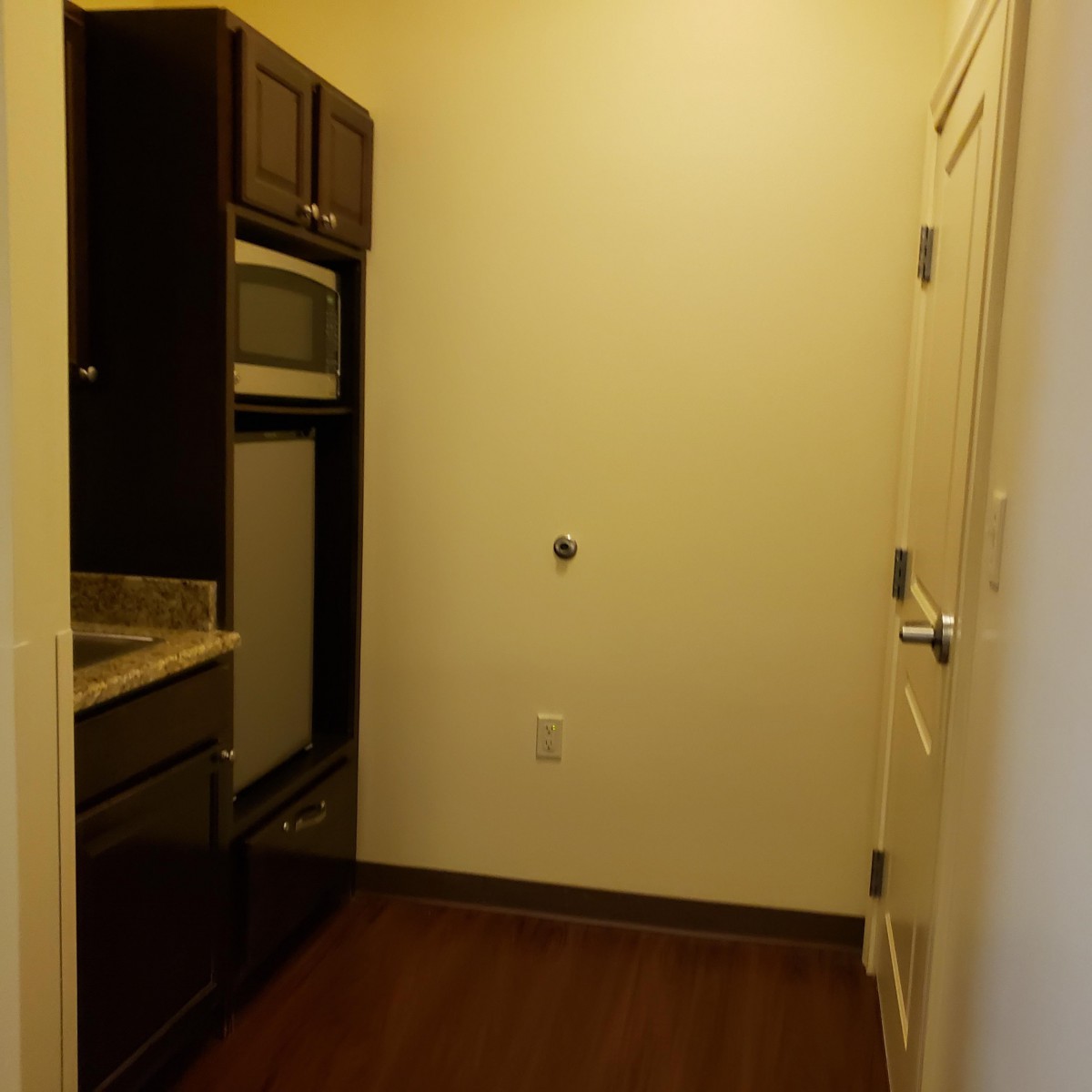
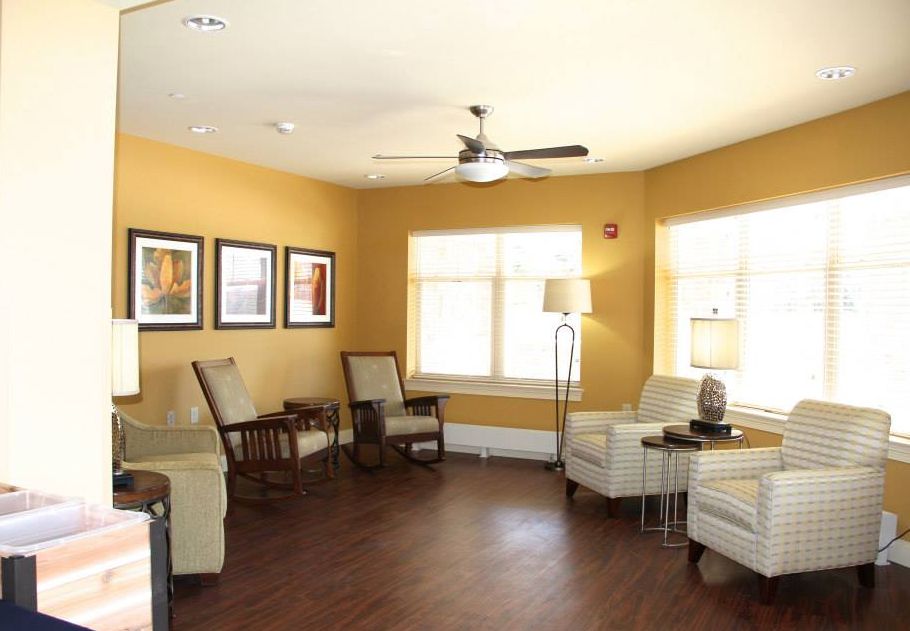
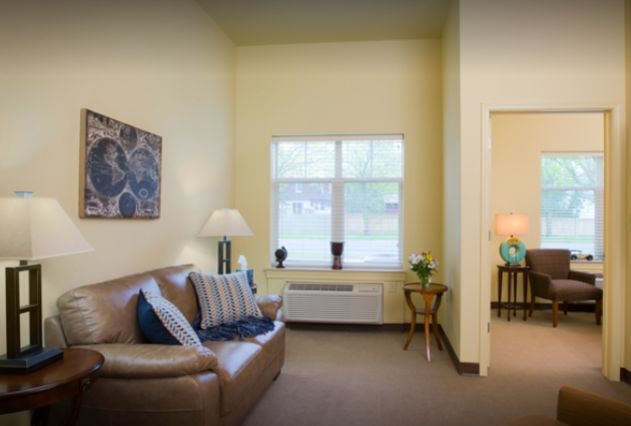
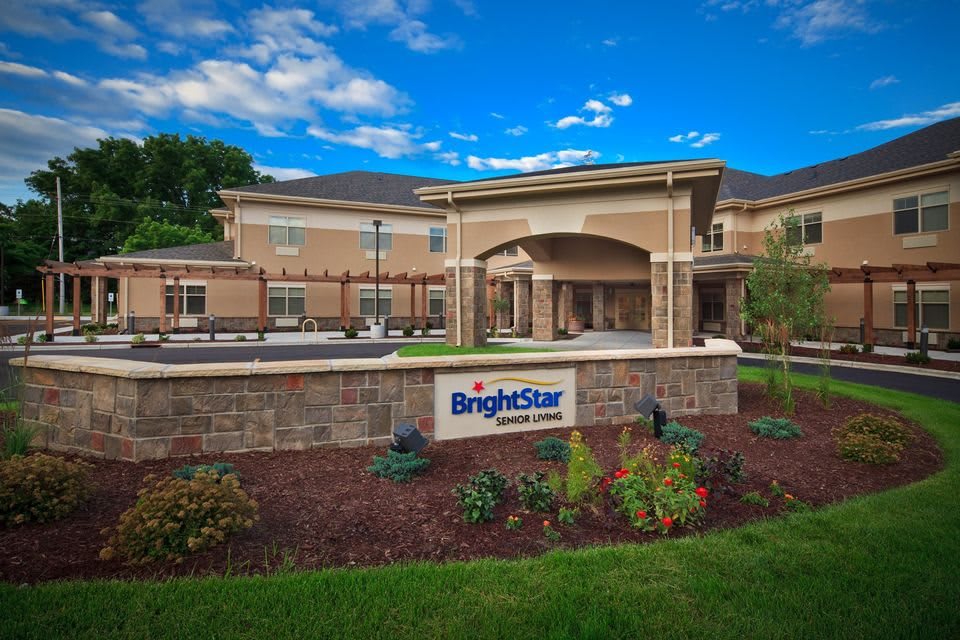
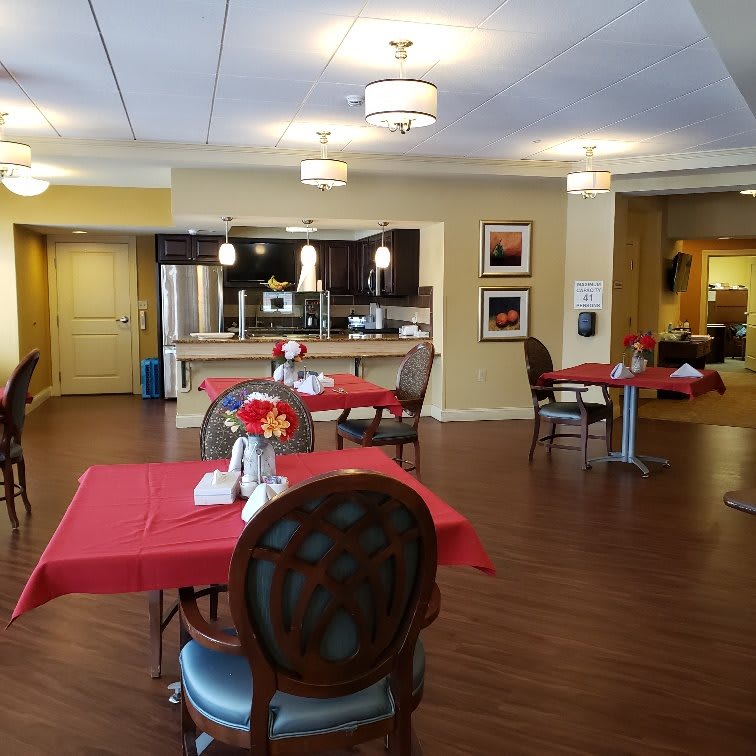
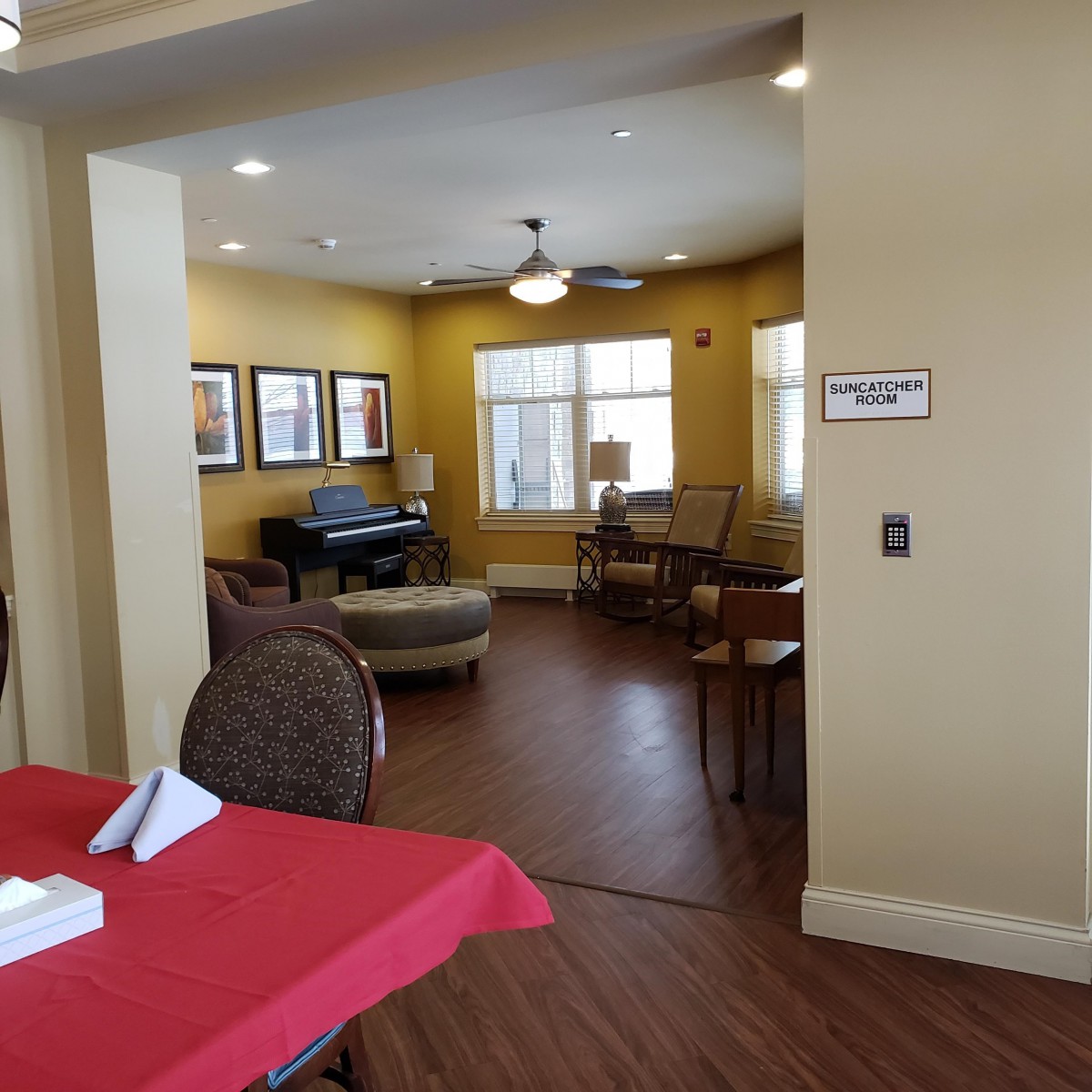
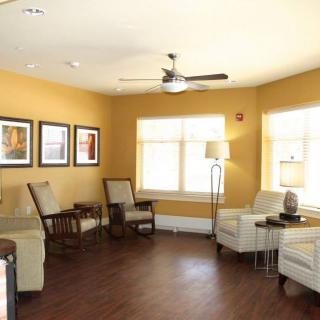
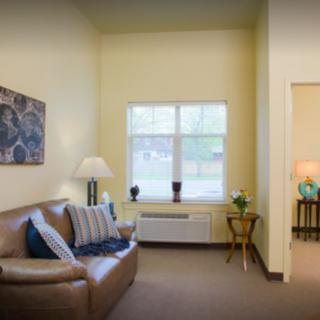
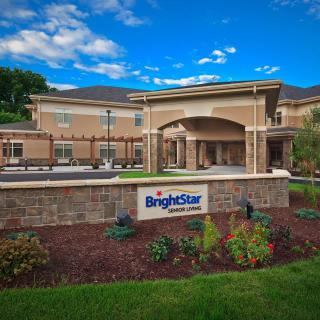
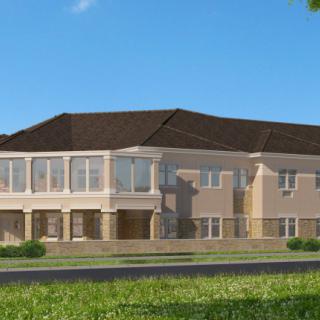
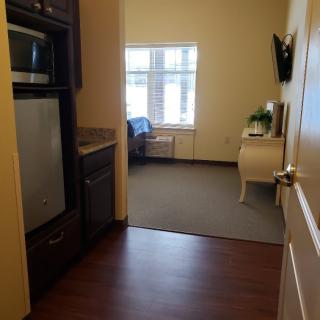
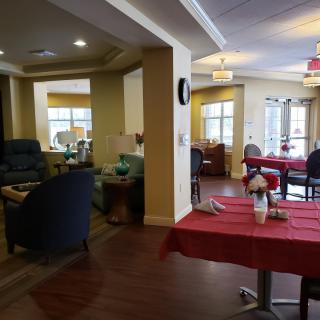
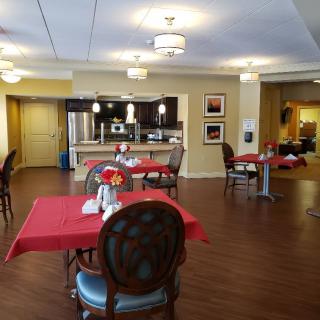
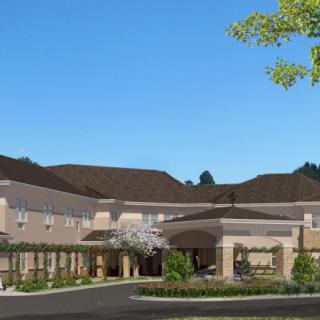
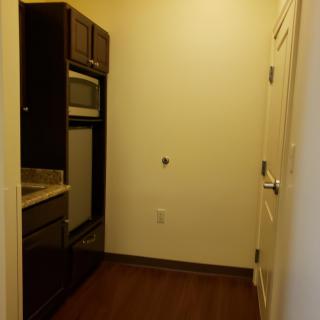
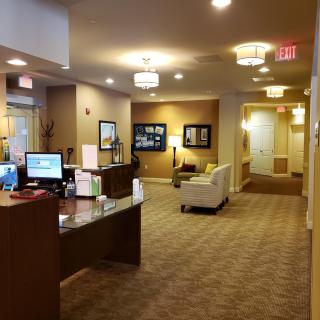
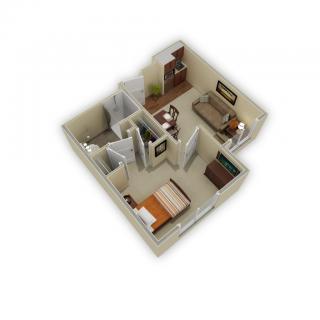
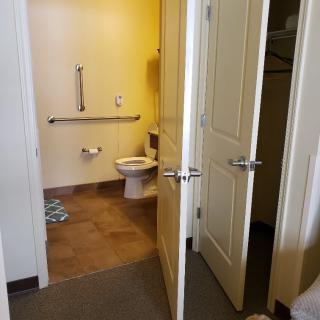
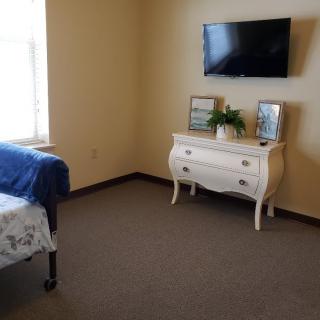
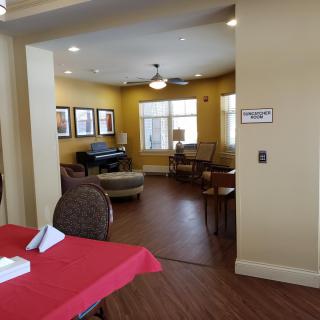
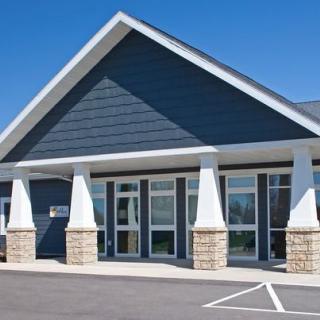
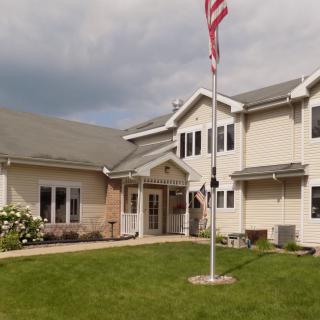
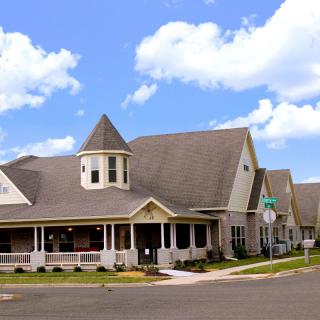
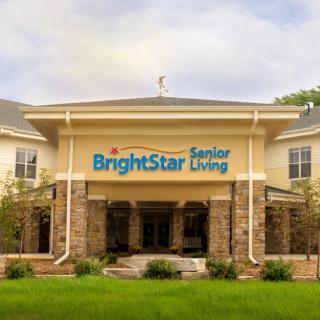
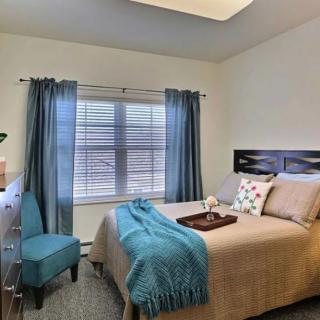
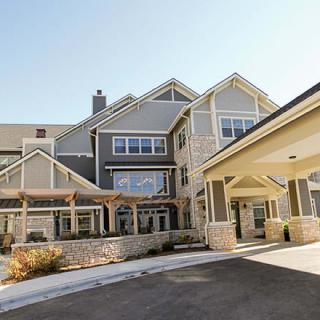
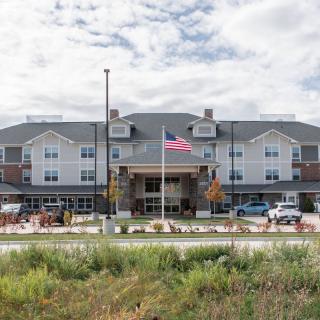
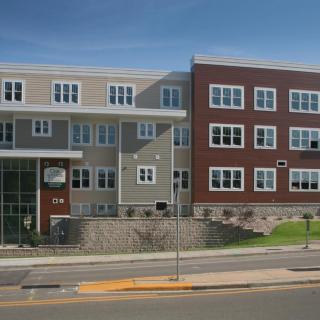
Brightstar Senior Living on seniors.fyi includes 22 photos including images showing interior, bathroom, windows, floor plan, bedroom, building, architecture, decor, and more.
Nearby Communities
Prairie Park Senior Apartments
Madison, WI
4.4 from 50 reviews
$534 / month
Very affordable pricing (~$534/mo for a 2-bedroom) with strong access to dining, parks, healthcare, and services.
The content outlines five key early indicators of dementia, including significant memory loss and confusion about time and place, while emphasizing the need for professional evaluation and emotional support for both individuals showing symptoms and their caregivers. It encourages family members to monitor these signs closely and use online quizzes for initial awareness.
The article highlights eight indicators that a loved one with dementia may require specialized memory care, emphasizing the emotional and logistical challenges families encounter in this decision. It discusses signs such as difficulties with daily tasks, safety concerns, and caregiver burnout, suggesting that memory care facilities can provide the necessary support and structured environments for those experiencing cognitive decline.
Dementia, primarily caused by Alzheimer's disease but also linked to other conditions, leads to cognitive decline impacting memory and daily functioning, with individuals experiencing varied awareness of their impairments. Despite memory loss, emotional connections persist, enabling responses to familiar stimuli, highlighting the need for caregivers to provide compassionate support that recognizes both limitations and retained emotional depth.
Get PricingAsk A QuestionSchedule A TourContact Senior Advisor
By clicking submit, you agree to our Partner's Terms of Use. You
also consent to receive calls and texts, which may be autodialed, from our Partner. Your consent is not a condition to
using our Partner's service. Please visit our Partner's Privacy Policy for information about their privacy practices.

 36 resident community capacity
 Assisted Living
 Memory Care
 Activities off-site
 Air-conditioning
 Bath tubs
 Beautician on-site
 Cable or satellite TV
 Devotional services off-site
 Dining room
 Fully furnished
 Garden
 Ground floor units
 Handicap accessible
 Housekeeping services
 Indoor common areas
 Kitchenette
 Move-in coordination
 Outdoor common areas
 Restaurant-style dining
 Small library
 Telephone
 Wheelchair accessible showers
 Wi-Fi/high-speed internet available
 Dane County Regional (10 miles away)
 24-hour call system
 Assistance with bathing
 Assistance with dressing
 Assistance with transfers
 Diabetes diet
 Diabetic care
 High acuity care
 Incontinence care
 Medication management
 Mental wellness program
 Special dietary restrictions
 Art classes
 Cooking classes
 Educational speakers / life long learning
 Forever fit
 Happy hour
 Live dance or theater performances
 Live musical performances
 Live well programs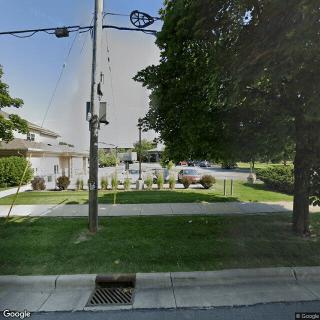
 Very affordable pricing (~$534/mo for a 2-bedroom) with strong access to dining, parks, healthcare, and services.
 5 Early Indicators of Dementia and What You Can Do
 8 Important Indicators That Memory Care May Be Necessary
 Delving into the Inner World of Dementia: Insights into Thoughts and Awareness