Overall Review of Country Villa Assisted Living
caveat
5 reviews mention this
Dining quality feels inconsistent
Food quality and temperature draw both strong praise and serious complaints.
Several residents and families describe meals they like, including kitchen staff seasoning, residents socializing in the dining room, and desserts they remember from home. Other reviews complain about food being cold and not meeting nutritional expectations, and say the facility did not improve meals after concerns. A few families also describe that residents receive individualized diet planning alongside special dietary restrictions.
caveat
4 reviews mention this
Care response can be delayed
Some residents and families report delays in urgent help and medication delivery.
While some reviews emphasize resident care coming first, other experiences are more concerning. One reviewer says it took time for staff to respond after a call light, and another describes an ambulance being called five hours later after a resident’s condition worsened. There are also complaints about medication not being delivered for days despite being ordered. These issues point to variability in how quickly care needs are handled.
common
11 reviews mention this
Warm, supportive staff impressions
Many reviewers describe staff as warm, compassionate, and respectful.
The most consistent positive theme is the way staff members treat residents and families. Multiple reviews say caregivers and management are approachable, professional, and responsive when problems arise. Several also describe an environment where residents feel cared for and included, with staff treating people like family. A few negative reviews directly dispute this, but the overall tone in the majority of comments is strongly supportive.
common
4 reviews mention this
Clean, welcoming building feel
Residents and families often mention a clean, welcoming environment.
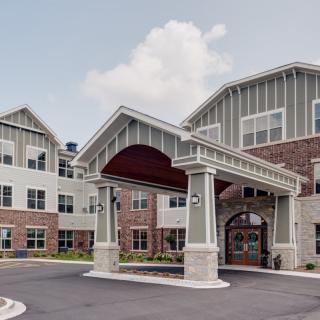
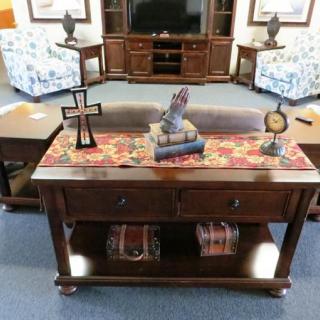
Several reviews highlight that the building is clean and feels welcoming. Some describe a comfortable day-to-day atmosphere and an interior that looks well kept. Even among more critical reviews, the facility’s appearance is not the primary complaint, suggesting cleanliness and upkeep are more often seen as strengths.
differentiator
2 reviews mention this
Riverside walks are a draw
Outdoor access along the river is specifically called out by reviewers.
Two reviews emphasize outdoor views and walking access along the river, including mention of a walking path. That aligns with the community offering outdoor space, garden areas, and transportation arrangements for getting to appointments. For families who value scenery and time outside, the river-adjacent setting stands out in firsthand accounts.
common
4 reviews mention this
Activities and outings keep residents involved
Reviews describe regular activities, events, and resident social time.
Multiple reviewers say residents have many activities to participate in, including scheduled daily activities and resident socializing. One review mentions live music days, while another describes outings such as zoo and baseball games. Another family notes residents staying busy and making friends, and a separate comment says residents enjoy community activities alongside a dining room that stays full with social time.
caveat
4 reviews mention this
Management concerns appear in some reviews
Some reviews criticize management behavior and communication.
A subset of reviews is sharply negative about management, including claims of terrible management and unprofessional conduct. One reviewer also describes hearing yelling from an administrator’s office, while another says they felt the experience involved poor handling of resident treatment needs. At the same time, several other reviews praise management as professional and willing to resolve concerns, so management quality appears uneven across reviewers’ experiences.
How we summarize
Counts show how many written reviews mention each theme; a review can touch several themes, and only frequently mentioned themes are displayed.

 30 resident community capacity
 Assisted Living
 Memory Care
 Beauty salon
 Cable or satellite TV
 Dining room
 Fully furnished
 Garden
 Housekeeping services
 Kitchenette
 Move-in coordination
 Outdoor space
 Telephone
 Wi-Fi/high-speed internet available
 Outagamie County Regional (9 miles away)
 24-hour call system
 Activities of daily living assistance
 Assistance with bathing
 Assistance with dressing
 Assistance with transfers
 Diabetes diet
 Hospice waiver
 Meal preparation and service
 Medication management
 Mental wellness program
 Special dietary restrictions
 Transportation arrangement (medical)
 Transportation to doctors appointments
 Small, home-like setting with personalized care for up to 3 residents.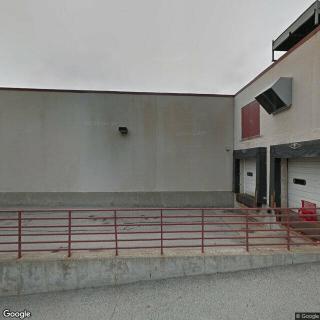
 Comprehensive Insights on the Late Stages of Dementia: What to Expect and How to Provide Care
 Medications Associated with Dementia Risk: A Comprehensive Overview
 Guiding Your Journey: Understanding Power of Attorney for Elderly Parents