For more information about senior living options: (866) 208-4318
4.3 from 26 reviews
5 stars
20
4 stars
1
3 stars
1
2 stars
0
1 stars
4
Overall Review of Right at Home
common3 reviews mention this
Flexible care hours fit needs
Families describe flexible in-home schedules that adjust as care needs change.
Several reviews describe the service adjusting hours and caregiver coverage as conditions shifted. One family reports care hours fluctuating from around four to six hours a day up to as many as 24 hours a day. Another describes starting with two overnights per month for respite and later moving to more frequent support, while a different reviewer mentions adding sessions and changing times as needed.
common5 reviews mention this
Care team continuity and companionship
Residents and families appreciate continuity that supports comfort and companionship.
Reviews frequently connect comfort to how the caregiver team shows up consistently. Families describe caregivers forming close bonds and becoming “friends,” and one reviewer says the team felt like family. Another mentions continuity of service over multiple years, and a different comment highlights how much a loved one enjoyed specific caregivers over time.
common7 reviews mention this
Responsive office communication during care
Office support is described as responsive, organized, and attentive to updates.
Many reviewers mention that the office staff helped coordinate care and stay on top of changes. Comments describe keeping families updated on the care plan, being supportive of questions and problems, and helping with transitions when needs changed. Some reviews also mention reliable arrival and coordination that reduced stress for family members.
common2 reviews mention this
Dementia and end-of-life handling
Residents’ more complex needs, including dementia and end-of-life care, are described as handled with care.
At least two reviews reference higher-need situations where care required careful handling. One family describes staff being respectful throughout a terminal illness and coordinating with other providers and family visits. Another reviewer mentions staff managing challenging behavior as dementia progressed, including naming a caregiver for strong work.
caveat2 reviews mention this
Communication problems are reported
Some families report poor management communication and difficulties when issues arose.
A couple of reviews raise concerns about how the management team communicated and handled situations. One reviewer describes inconsistent information that created risk and points to other communication issues. Another is more direct, saying the owner and management focus on money rather than client care.
How we summarize
Counts show how many written reviews mention each theme; a review can touch several themes, and only frequently mentioned themes are displayed.
Features
Transportation
Outagamie County Regional (8 miles away)
Austin Straubel International (19 miles away)
Nearby Places of Interest
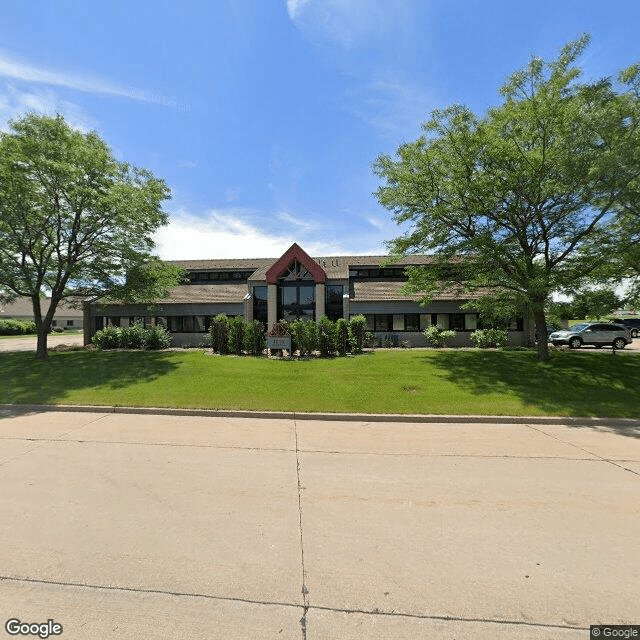
This part of Kimberly, Wisconsin, is a well-connected and convenient location with a variety of amenities nearby. With multiple pharmacies and healthcare facilities within a short distance, including Theda Care Fast Care and Valley Eye Associates, seniors can easily access the medical care they may need. There are also several dining options such as Perkins Restaurant and Bakery and Panda Express, as well as entertainment venues like Valley Grand Cinema. For those looking to stay active, there are several parks in the area including Legion Park and Doyle Park. Additionally, Martha Siekman Cancer Center and Appleton Medical Center provide quality healthcare services for residents. Overall, this neighborhood offers a mix of essential services and recreational options making it an attractive choice for seniors looking for a vibrant community to call home.
Pharmacies
Theda Care Fast Care (0.1 miles)
Walgreens (1.1 miles)
Walmart Pharmacy (1.2 miles)
Aurora Pharmacy (1.7 miles)
Walgreens (2.1 miles)
Pick 'n Save Pharmacy (2.2 miles)
Ascension Rx - Appleton Prescription Center (2.7 miles)
Restaurants
McDonald's (0.2 miles)
Taco Bell (0.4 miles)
Perkins Restaurant and Bakery (0.6 miles)
Game Day Sports Bar (0.8 miles)
Manderfield's Home Bakery (0.8 miles)
Panda Express (1 miles)
Chipotle Mexican Grill (1 miles)
Physicians
Surgery Center Association of Wisconsin (0.2 miles)
Valley Periodontics (0.3 miles)
RAYUS Radiology (1.2 miles)
Valley Eye Associates (1.2 miles)
Nathan Daryl Munson (2.4 miles)
Thedacare Cancer Institute (2.5 miles)
Ear Nose & Throat Surgical Associates SC (2.5 miles)
Skilled nursing facilities (SNFs) provide high-level medical care and rehabilitation for short-term recovery, typically covered by Medicare after hospitalization, while nursing homes focus on ongoing custodial care for chronic conditions, mainly funded by Medicaid or private payments. The staffing and regulatory structures differ significantly between the two, necessitating clarity for families in choosing appropriate long-term care options.
Nursing home care costs in the U.S. vary significantly based on location, level of care, and amenities, with private room prices ranging from approximately $6,700 to over $30,000 monthly. Families need to explore various payment options and conduct thorough research to manage these expenses effectively.
Nonmedical home care provides assistance with daily activities and companionship for individuals wishing to maintain independence and quality of life at home, without medical intervention. Its growing popularity is driven by an aging population, the need for supportive environments for recovery, and the emotional benefits of caregiver companionship, while costs vary based on service frequency and location.
Get PricingAsk A QuestionSchedule A TourContact Senior Advisor
By clicking submit, you agree to our Partner's Terms of Use. You
also consent to receive calls and texts, which may be autodialed, from our Partner. Your consent is not a condition to
using our Partner's service. Please visit our Partner's Privacy Policy for information about their privacy practices.

 Outagamie County Regional (8 miles away)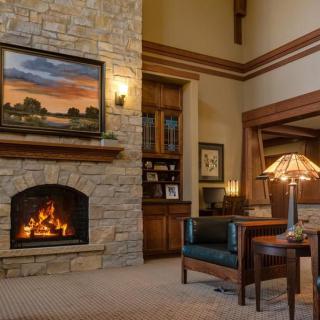
 Well-staffed with diverse room options and strong amenities/activities.
 Skilled Nursing Facilities vs. Nursing Homes: Making Sense of the Differences
 A Detailed Examination of Nursing Home Costs Across the U.S.
 Exploring Nonmedical Home Care: Understanding Services, Costs, and Financial Approaches