
430 South Kensington Drive, Appleton, WI 54915
For more information about senior living options: (866) 208-4318
Lss Eastwood Crisis Facility Costs & Pricing
At Lss Eastwood Crisis Facility, the monthly costs reflect a commitment to providing quality care in a supportive environment. For semi-private accommodations, the facility charges $4,575, which is noticeably higher than both Winnebago County's average of $3,771 and the state average of $3,977. In terms of private rooms, the facility's rate is $5,490, surpassing local and state averages - $4,438 and $4,339 respectively - indicating a premium for additional privacy and personalized support. Lastly, studio units at Lss Eastwood are priced at $5,947, which markedly exceeds both Winnebago County's rate of $3,905 and Wisconsin's average of $3,999. These figures suggest that while Lss Eastwood's costs are above local and state norms, they also reflect an investment in enhanced services and well-being for residents seeking crisis intervention.
| Floor plans | Lss Eastwood Crisis Facility | Winnebago County | Wisconsin |
|---|---|---|---|
| Semi-Private | $4,575 | $3,771 | $3,977 |
| Private | $5,490 | $4,438 | $4,339 |
| Studio | $5,947 | $3,905 | $3,999 |
Assisted Living communities with a similar price nearby
-
from -$575 / mo
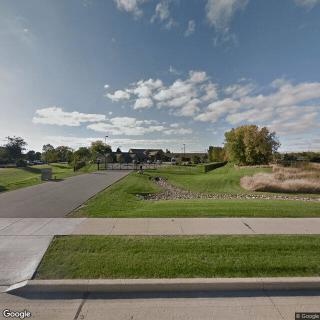
Century Oaks Assisted Living
$4,000 to $4,600 / month3.5 miles away -
from -$296 / mo
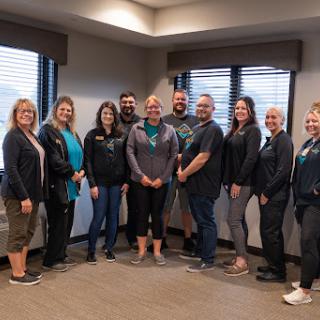
CopperStone Assisted Living
$4,279 to $5,562 / month8.1 miles away -
from +$150 / mo
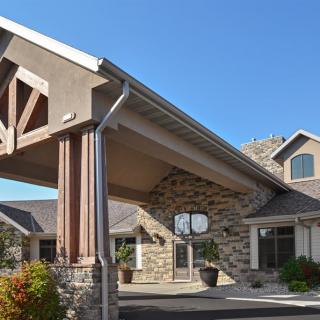
The Residence at Oshkosh
$4,725 to $5,275 / month17.8 miles away -
from +$175 / mo
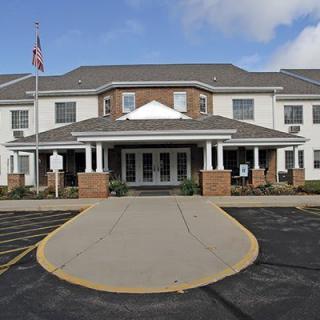
Dimensions Living Appleton
$4,750 to $5,300 / month6.6 miles away -
from -$175 / mo
Heartwood Homes Senior Living
$4,400 / month3.4 miles away
Overall Review of Lss Eastwood Crisis Facility
Pros
 The husband likes the place.
- The staff greet visitors and ask about him.
- They treat him like a good guy.
- The group home is awesome.
- The staff is friendly and kind.
- Some workers are wonderful and caring.
Cons
 Staff here is extremely disrespectful and don't care about the people in their care.
Review
LSS Eastwood Crisis Facility in Appleton is best suited for adults in crisis who need a smaller, home‑like environment and who benefit from regular, friendly contact with caregivers. Families that can stay engaged in care planning and watchful updates will find the setting welcoming, with residents often greeted warmly and treated as part of a community. It is most effective for someone who values relational, day‑to‑day care over a highly clinical, institutional feel. In practice, this option works as a pragmatic first step for stabilization and light ongoing support, rather than as a long‑term residential solution.
On the other hand, there are clear cautions for families to consider alternatives. The feedback landscape is mixed: some staff are described as respectful and caring, while others are labeled disrespectful or uncaring. For residents whose care must be consistently professional and uniformly high in quality, this facility should be explored with careful diligence and skepticism about how care may vary from shift to shift. Those needing rigorous 24/7 supervision, specialized memory care, or highly structured programming should look toward options with stronger governance and steadier staffing. If reliability, safety, and predictable interactions are non‑negotiable, other communities may be a better fit.
The key pros, friendly, approachable staff and moments of genuine warmth, can offset some concerns when they occur. Families report that staff greet visitors, share progress updates, and show a caring approach on occasion, which can greatly reduce anxiety during a crisis stay and foster a sense of trust. Those positive experiences create a human buffer against the stress of stabilization, offering meaningful social contact and reassurance for residents. Yet the main drawback remains the inconsistency: reports of disrespectful behavior and a perception that some workers do not prioritize residents undermine this buffer. The overall value hinges on whether dependable, respectful care can be expected on every shift; without that consistency, the positives risk being outweighed by repeated negative experiences.
Practical decision factors favor a thorough, hands‑on assessment. The facility’s compact, group‑home ambiance can feel more personal and accessible than larger, more formal settings, which may suit residents who value visible human connection. Prospective families should request current staffing metrics, observe several shift interactions, and insist on a guaranteed point of contact for ongoing communication. Clarify how complaints are handled, what supervision exists to prevent disrespect, and how accountability is measured. A tour should include conversations with front‑line caregivers and a supervisor to determine whether the daily rhythm supports safety, dignity, and a sense of community.
From a decision‑making perspective, this option makes sense for those prioritizing warmth and family involvement, provided there is a credible plan to manage and monitor care quality. If consistent positive interactions across shifts cannot be assured, or if the resident’s needs require more formalized oversight and specialized programs, it is wise to pivot toward alternatives with stronger governance and routine, predictable care. For residents needing targeted therapies, memory‑specific programming, or highly structured routines, seek environments with dedicated teams and clear standards that minimize the risk of uneven care.
The bottom line is practical and clear: the facility can deliver a humane, people‑centered crisis stabilization experience when warmth and accessibility are non‑negotiables for the family. However, the troubling thread of inconsistent staff behavior cannot be dismissed. Families should approach with a proactive oversight plan, regular visits, documented updates, and explicit expectations about respectful treatment on every shift. If that level of governance and reliability cannot be demonstrated, prioritizing alternatives with steadier staffing and a proven track record becomes the prudent choice.
 8 resident community capacity
 Assisted Living
 Cable or satellite TV
 Dining room
 Fully furnished
 Garden
 Housekeeping services
 Move-in coordination
 Outdoor space
 Telephone
 Wi-Fi/high-speed internet available
 Outagamie County Regional (8 miles away)
 24-hour supervision
 Activities of daily living assistance
 Assistance with bathing
 Assistance with dressing
 Assistance with transfers
 Diabetes diet
 Meal preparation and service
 Medication management
 Special dietary restrictions
 Transportation arrangement (medical)
 Transportation to doctors appointments

 Social Security Benefits and Assisted Living: Navigating Options Across the U.S.
 An Extensive Exploration of the VA Aid and Attendance Benefit
 Senior Transition Services: Understanding Their Role, Cost, and Importance