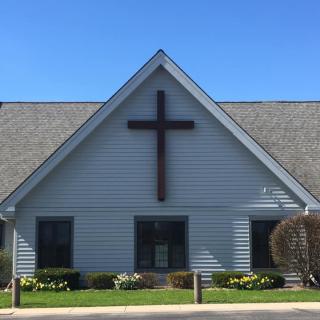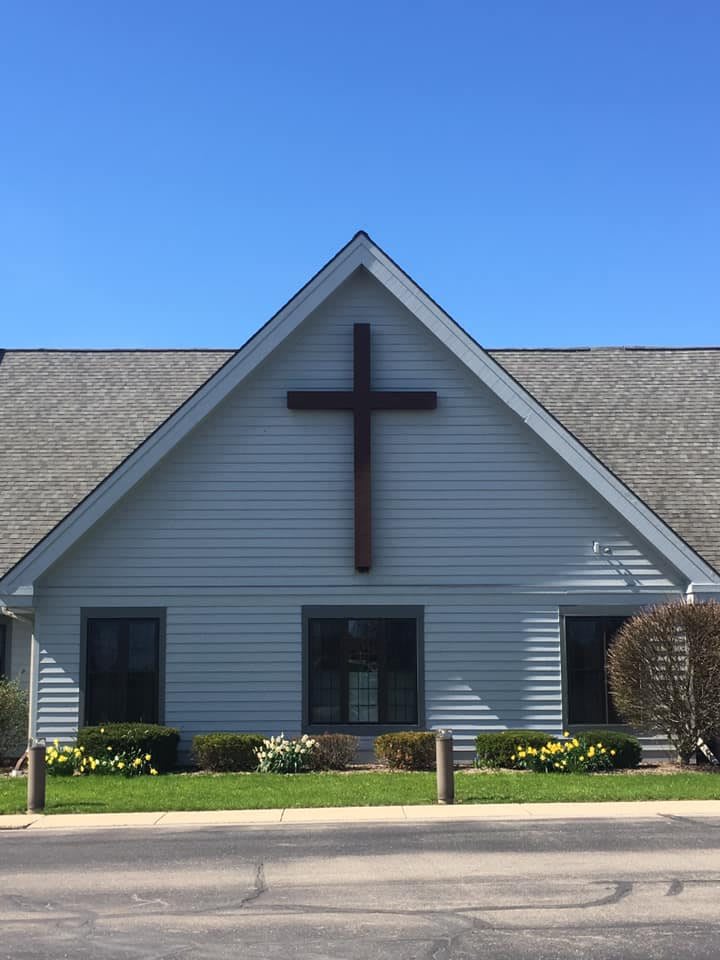
5601 Washington Rd., Kenosha, WI 53144
To contact a resident: (262) 880-5301
For more information about senior living options: (866) 208-4318
Lord of Life Costs & Pricing
At Lord of Life, the monthly cost for a private room is set at $5,000, positioning it slightly above the average rates seen in Kenosha County at $4,804 and the broader state of Wisconsin where the average stands at $4,339. This difference may reflect the unique amenities and personalized care services that Lord of Life offers, providing residents with an enhanced living experience. While the costs are higher than regional and state averages, potential residents and their families may find value in the quality of care and supportive environment that characterize Lord of Life.
| Floor plans | Lord of Life | Kenosha County | Wisconsin |
|---|---|---|---|
| Private | $5,000 | $4,804 | $4,339 |
Senior living communities with a similar price nearby
-
from -$850 / mo
Archwood Senior Living
$4,150 to $5,150 / month13.6 miles away -
from +$400 / mo
Oak Hill Supportive Living Community
$5,400 to $6,064 / month21.5 miles away -
from -$950 / mo
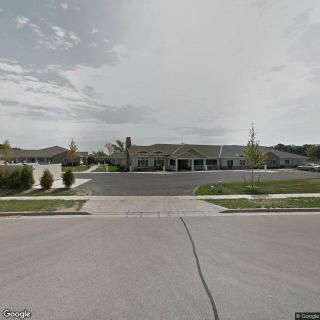
Waterford Senior Living
$4,050 to $5,450 / month18.7 miles away -
from +$500 / mo
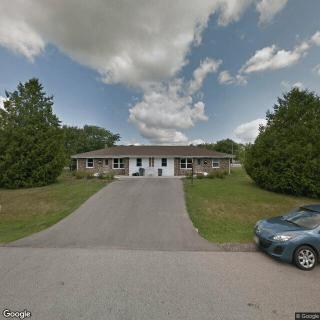
Dolphin House B
$5,500 / month19.3 miles away -
About the same

Country Meadows Family Care
$5,040 / month4.7 miles away
Overall Review of Lord of Life
Pros
 The venue offers a perfect temperature, ample space, and a clean, well-equipped environment for events.
- The church is welcoming and feels like family, with a pastor who is engaging and knowledgeable.
- The church family is loving and compassionate, a great place for kids and youth to explore faith.
- All are welcome at the church, reflecting its inclusive spirit.
- The church is an active ELCA affiliate in Kenosha, contributing to the community.
- The sanctuary is beautiful, and attendees feel closer to God there.
- The funeral services provided are thoughtful and well regarded.
Review
This Kenosha congregation is best suited for seniors who prioritize spiritual nourishment and social belonging over day-to-day care needs. Lord of Life serves as a warm, faith-centered home where worship, fellowship, and life milestones are central to daily life. The community is clearly designed to feel like a family: all are welcome, and the sense of connection runs deep, from friendly greetings to pastors who engage with warmth and clarity. The sanctuary's beauty reinforces a sense of tradition and stability, while the Saturday service option provides flexibility for those juggling schedules or preference for a smaller congregational experience. This is a setting built around belonging and meaning, not medical oversight.
Those weighing alternatives should recognize this is not a care facility. Seniors who require ongoing medical oversight, assistance with daily activities, memory care, or housekeeping and transportation services will likely need a traditional assisted living arrangement or a continuing care retirement community. The church can still play a powerful role in emotional well-being and spiritual life, but it cannot substitute for on-site caregiving or structured support. Families should plan for external care partners or in-home assistance if needed, and consider facilities that bundle caregiving with housing. For some, pairing the church's social capital with a separate care plan yields the best balance.
Key strengths lie in the breadth and depth of social and spiritual engagement. A welcoming congregation, described as like family, creates daily opportunities for interaction, purpose, and mutual support. The pastors’ engaging, educated leadership translates into meaningful sermons and accessible guidance, which can anchor seniors during transitions or losses. The community’s involvement in events, whether weddings, funerals, or youth activities, signals a lived culture of care that sustains seniors through companionship, volunteer roles, and shared rituals. These advantages offset the absence of caregiving services by delivering consistent belonging, purpose, and emotional resilience.
Main drawbacks are practical and care-oriented. There is no on-site medical staff or daily living assistance, which can be a critical gap for seniors needing help with activities, medications, or mobility. The environment centers on worship and events rather than a structured senior-living model, so routine meal plans, housekeeping, and transportation tailored to aging adults are not guaranteed. Potential downsides could include schedule constraints tied to service times, and the need to travel to access healthcare or specialized programs. For anyone evaluating care-first needs, these gaps are nontrivial and require explicit planning with external providers.
When planning around these cons, the church’s strong social fabric and accessible leadership mitigate many risks. The consistent, family-like atmosphere can reduce loneliness, anxiety, and isolation, factors that often accompany aging, while the availability of pastoral counsel and community volunteers provides low-barrier support. For families prioritizing spiritual growth and a sense of continuity, the pros deliver outsized emotional dividends that can improve overall well-being even without on-site care. In short, for those who enter primarily for belonging and meaning, this setting offers substantial value that can outpace the absence of caregiving infrastructure, provided care needs stay in check.
In the end, Lord of Life is a compelling choice for seniors whose primary needs are connection, faith, and community, coupled with a desire for a welcoming, family-like atmosphere. Those who require daily living help or advanced medical oversight should pursue alternatives and view the church as a supportive supplement rather than a substitute. Prospective families should participate in services, speak with pastoral leadership, and observe how volunteers and members interact with older adults. Align expectations with service schedules, accessibility, and available external care partnerships. With its radiant sense of belonging and earnest care, this community offers lasting value to seniors who want to stay engaged in faith and fellowship while arranging appropriate care off-site.
 Day Program
 General Mitchell International (21 miles away)

 Navigating Medicare Coverage for In-Home Care Services
 In-Home Care Costs in 2025: A Detailed State-by-State Exploration
 Understanding Home Health Care: A Comprehensive Guide